How to Build an AI Agent Transaction Readiness Audit When Your Business Model Depends on Website Visits But ChatGPT and Gemini Are Completing 24% of Purchases Without Ever Sending Users to Your Site
How to Build an AI Agent Transaction Readiness Audit When Your Business Model Depends on Website Visits But ChatGPT and Gemini Are Completing 24% of Purchases Without Ever Sending Users to Your Site
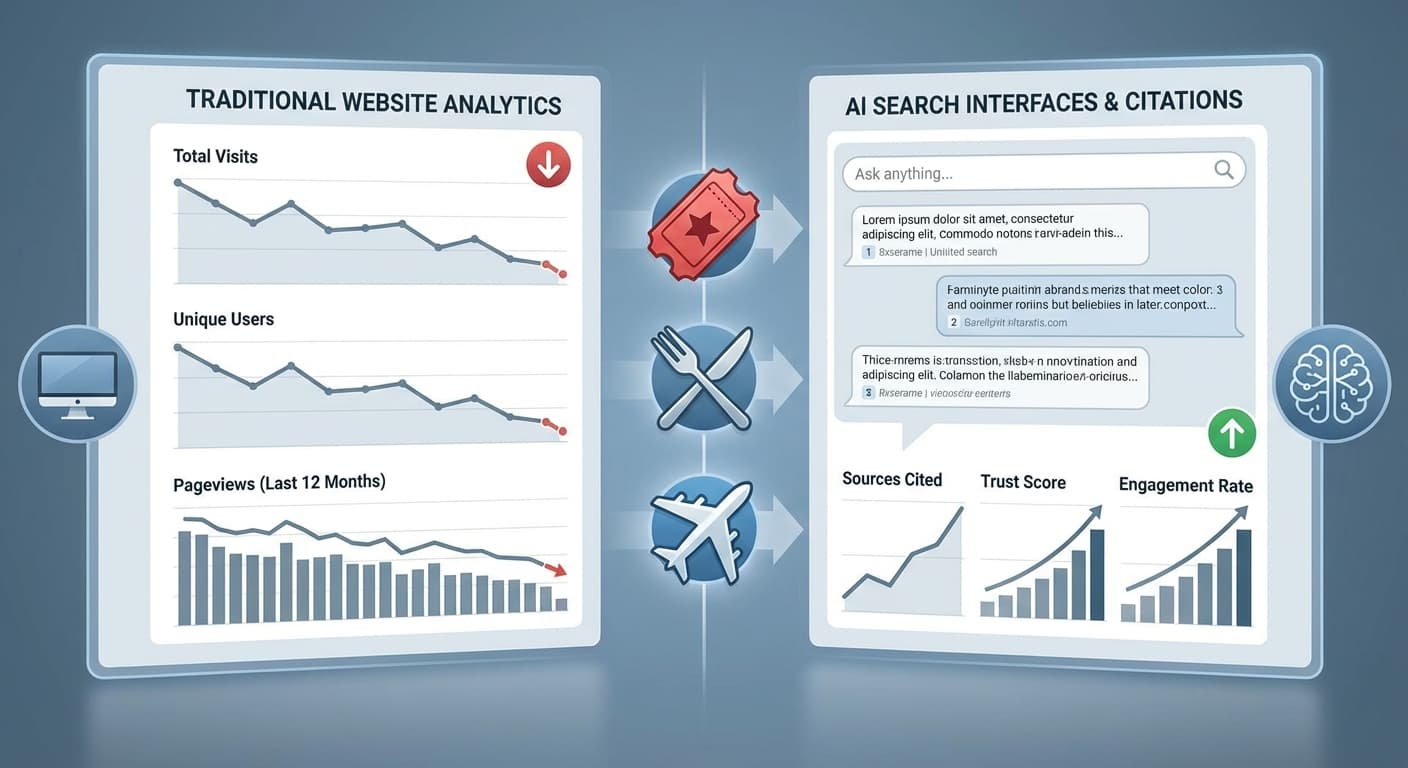
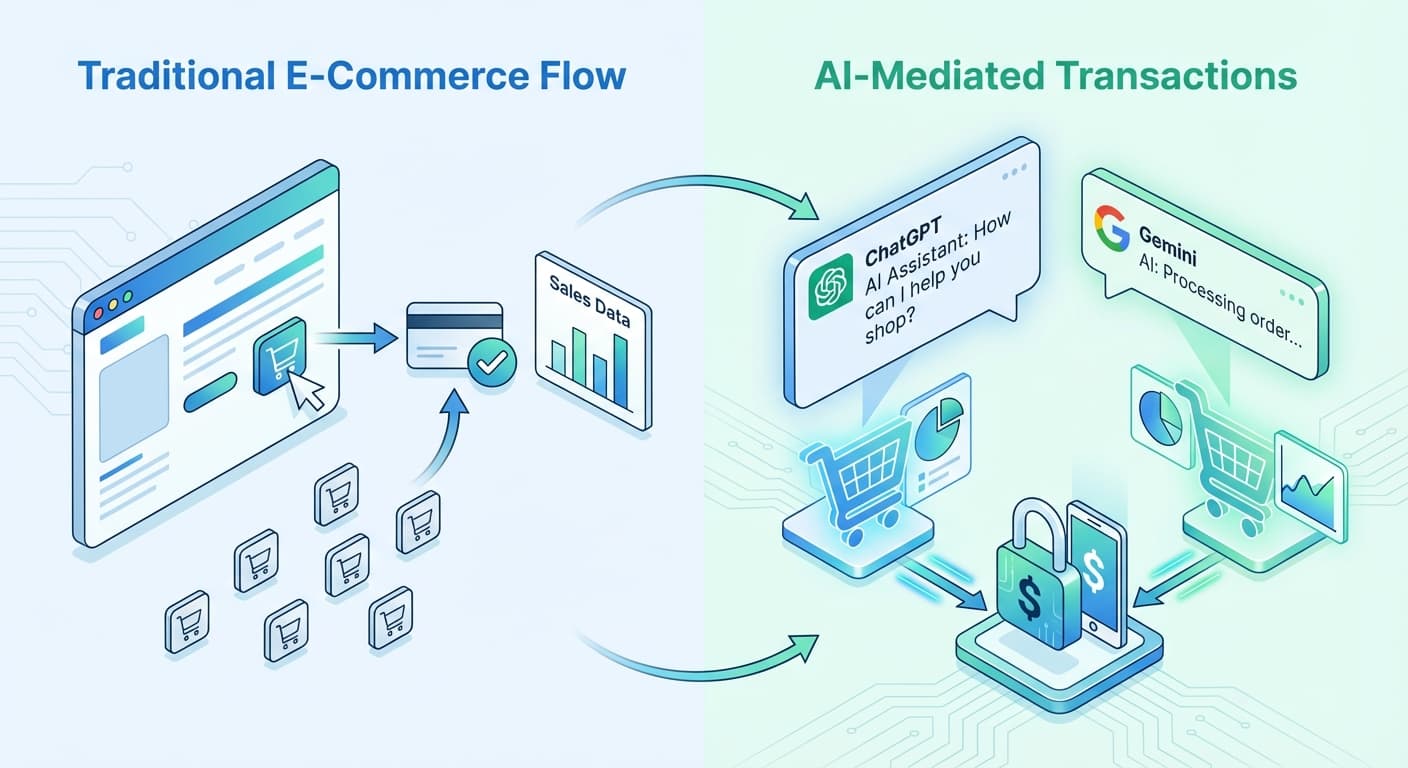
By March 2026, AI agents aren't just answering questions—they're completing purchases. Recent data shows that AI search engines like ChatGPT, Gemini, and Claude are now facilitating 24% of e-commerce transactions without users ever visiting the retailer's website. If your business model relies on website traffic for conversions, this shift represents both a critical threat and an unprecedented opportunity.
The question isn't whether AI agents will impact your business—it's how quickly you can adapt your strategy to capture value in this new landscape.
The Silent Revolution in Digital Commerce
Traditional digital marketing funnels are being disrupted at an unprecedented pace. While businesses continue to invest in SEO, PPC, and conversion rate optimization for their websites, consumers are increasingly completing entire purchase journeys through AI interfaces.
Consider these 2026 statistics:
The shift is particularly pronounced in specific industries:
Most Affected Sectors
What Is an AI Agent Transaction Readiness Audit?
An AI Agent Transaction Readiness Audit evaluates how well your business can capture, influence, and benefit from AI-mediated transactions. Unlike traditional SEO audits that focus on search rankings, this audit examines your readiness for a world where AI agents act as intermediaries between your business and customers.
The audit covers five critical areas:
1. Content Discoverability and Citation Potential
Your content needs to be easily discoverable and citable by AI agents. This goes beyond traditional SEO—AI agents prioritize content that provides clear, authoritative answers to user queries.
Key metrics to evaluate:
2. Transaction Pathway Optimization
AI agents need clear pathways to facilitate transactions on your behalf. This includes everything from pricing transparency to purchase process simplification.
Assessment areas:
3. Brand Authority and Trust Signals
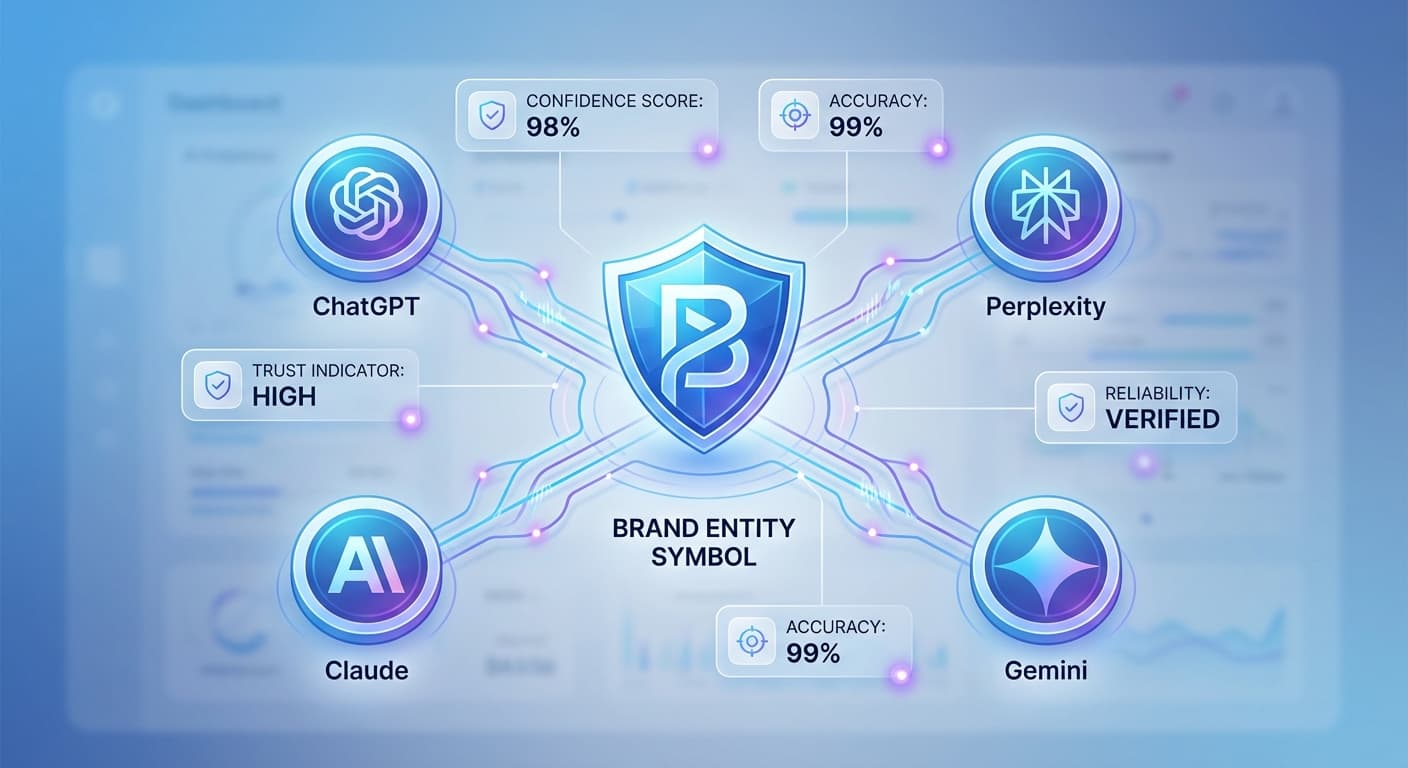
AI agents rely heavily on authority signals when making recommendations. Your audit should evaluate how well your brand establishes credibility in AI contexts.
Trust factors to review:
4. Competitive Intelligence in AI Spaces
Understanding how competitors appear in AI search results and facilitate transactions helps identify gaps and opportunities.
Competitive analysis components:
5. Future-Proofing and Scalability
The AI landscape evolves rapidly. Your audit should assess readiness for emerging AI commerce features and platforms.
Step-by-Step Audit Framework
Phase 1: Current State Analysis (Week 1)
Day 1-2: AI Visibility Assessment
Day 3-4: Content Citation Analysis
Tools like Citescope Ai's Citation Tracker can automate much of this process, monitoring when your content gets cited across different AI platforms and providing insights into optimization opportunities.
Day 5-7: Transaction Pathway Mapping
Phase 2: Opportunity Identification (Week 2)
Gap Analysis Framework:
Phase 3: Strategic Recommendations (Week 3)
Priority Matrix Development:
Create a 2x2 matrix plotting:
This helps prioritize which improvements to tackle first.
High Impact, Low Difficulty (Quick Wins):
High Impact, High Difficulty (Strategic Investments):
Common Audit Findings and Solutions
Finding: Poor Content Structure for AI Interpretation
Symptoms: Your content appears rarely in AI search results despite good traditional SEO rankings.
Solutions:
Finding: Weak Authority Signals
Symptoms: AI agents mention competitors more frequently despite similar content quality.
Solutions:
Finding: Transaction Friction for AI-Referred Traffic
Symptoms: High bounce rates from AI-referred visitors, low conversion rates.
Solutions:
Implementation Roadmap
Month 1: Foundation Building
Month 2: Authority Development
Month 3: Transaction Optimization
Measuring Success
Key Performance Indicators (KPIs)
AI Visibility Metrics:
Transaction Metrics:
Competitive Metrics:
How Citescope Ai Helps
Conducting a comprehensive AI Agent Transaction Readiness Audit manually can take weeks and still miss critical insights. Citescope Ai streamlines this process through:
Automated Citation Tracking: Monitor when and how your content appears across ChatGPT, Perplexity, Claude, and Gemini, giving you real-time visibility into your AI search performance.
GEO Score Analysis: Get detailed insights into how well your content performs across the five dimensions that matter most for AI visibility: interpretability, semantic richness, conversational relevance, structure, and authority.
AI-Optimized Rewriting: Transform existing content with one-click optimization that restructures it for better AI agent understanding and citation potential.
Competitive Intelligence: Track competitor citations and identify opportunities where your brand could gain ground in AI search results.
The platform's comprehensive reporting helps you move from audit insights to actionable improvements, with clear metrics showing how optimization efforts impact your AI visibility and transaction readiness.
Ready to Optimize for AI Search?
The shift toward AI-mediated commerce isn't coming—it's here. Businesses that adapt their strategies now will capture disproportionate value as this trend accelerates. Don't let 24% of potential transactions slip away because your content isn't optimized for AI agents.
Start with Citescope Ai's free tier to audit your current AI visibility and identify quick wins. With 3 free optimizations per month, you can begin testing improvements immediately and see how they impact your citations across major AI platforms.
Get started with your free AI readiness audit today and ensure your business thrives in the age of AI commerce.