How to Build an Agentic Shopping Revenue Defense Strategy When AI Search Engines Start Processing Purchases Directly Through Answer Interfaces
How to Build an Agentic Shopping Revenue Defense Strategy When AI Search Engines Start Processing Purchases Directly Through Answer Interfaces
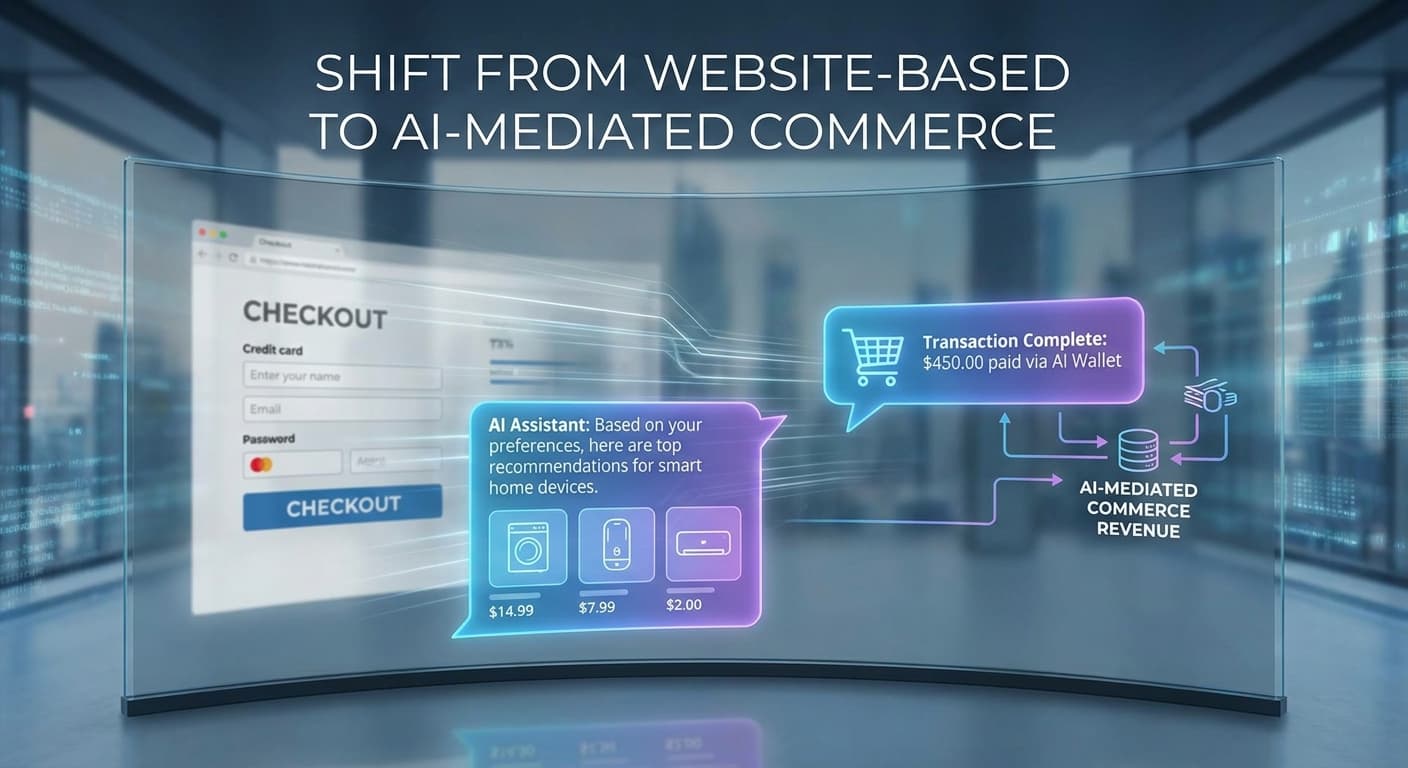
By 2026, the e-commerce landscape has fundamentally shifted. AI search engines aren't just answering questions anymore—they're completing purchases. With over 40% of Gen Z now using AI assistants for shopping decisions and ChatGPT processing millions of commerce queries daily, a new reality is emerging: customers are buying products without ever visiting your website.
This isn't a distant threat—it's happening now. Perplexity's Pro Search can compare prices and suggest alternatives, Claude can analyze product specifications and make recommendations, and ChatGPT can guide users through entire purchase decisions. The question isn't whether AI will disrupt traditional e-commerce checkout flows, but how quickly you can adapt to defend your revenue.
The Rise of Agentic Shopping: A Paradigm Shift
Agentic shopping represents a fundamental change in how consumers interact with brands. Instead of browsing your carefully designed product pages and optimized checkout funnels, customers are having conversations with AI agents that can:
Recent data from 2025 shows that 60% of online shoppers have used AI for product research, and 35% have made purchases through AI-guided interfaces. This trend is accelerating rapidly, with enterprise adoption growing 200% year-over-year.
Why Traditional E-Commerce Strategies Are Failing
Most brands are still optimizing for 2020s-era shopping behavior:
These approaches miss the fundamental shift: AI agents don't browse websites—they process and synthesize information to make recommendations directly.
Understanding AI Shopping Behavior Patterns
To build an effective defense strategy, you need to understand how AI engines approach shopping queries:
Information Synthesis Over Site Visits
AI engines rarely send users to product pages for simple purchases. Instead, they:
Context-Driven Recommendations
Unlike traditional search, AI shopping considers:
Multi-Brand Comparisons
AI naturally presents competitive alternatives, making brand loyalty less sticky. Users get comprehensive comparisons without visiting individual brand sites.
Building Your Agentic Shopping Revenue Defense Strategy
1. Optimize for AI Citation, Not Just Rankings
Traditional SEO focuses on getting users to click through to your site. Agentic shopping requires optimization for being cited as the recommended solution within AI responses.
Key tactics:
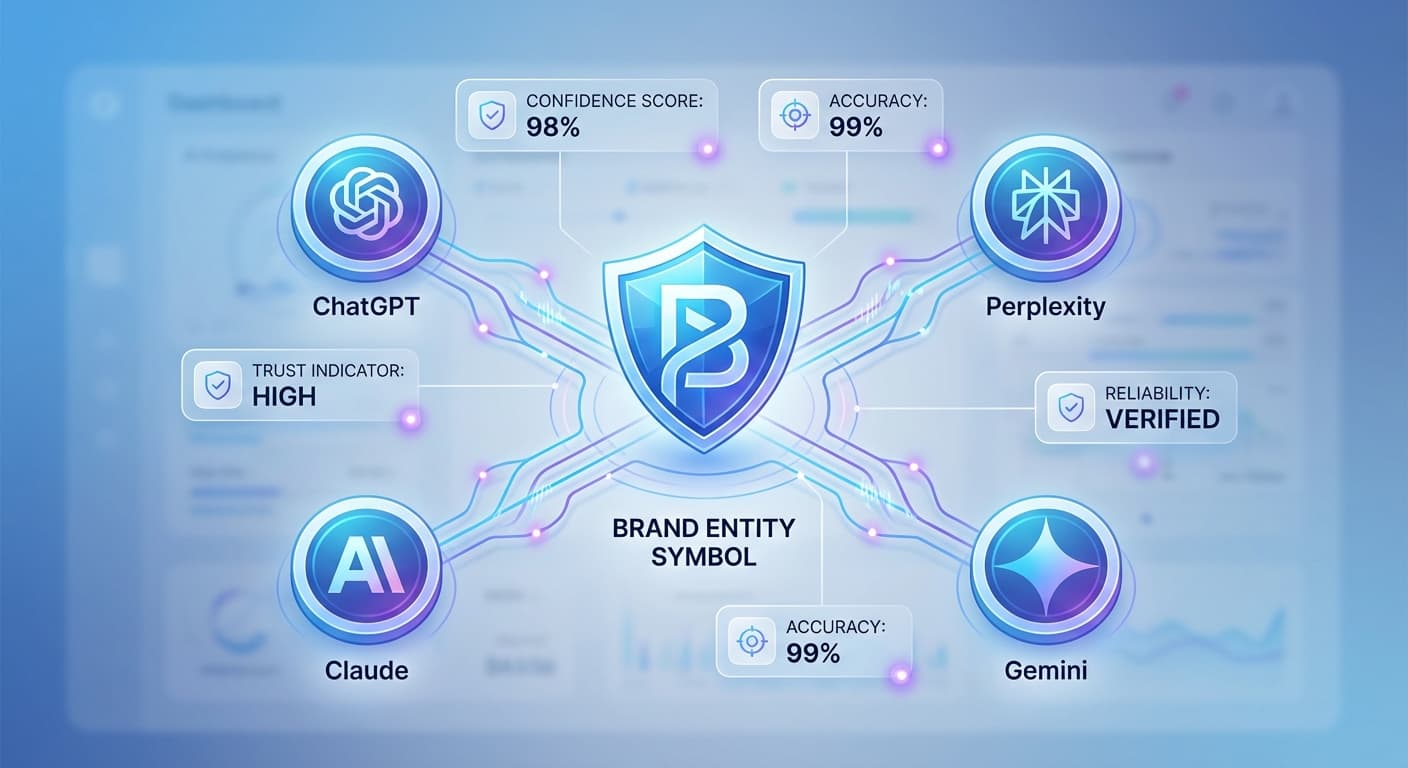
Tools like Citescope Ai can help analyze your content's AI citation potential through their GEO Score, which evaluates content across five critical dimensions including AI Interpretability and Conversational Relevance.
2. Create AI-Friendly Product Information Architecture
Your product data needs to be easily digestible by AI engines:
Essential elements:
Content format priorities:
3. Develop Direct AI Channel Partnerships
Don't wait for AI platforms to integrate e-commerce—proactively build relationships:
Partnership opportunities:
4. Implement Attribution and Tracking Systems
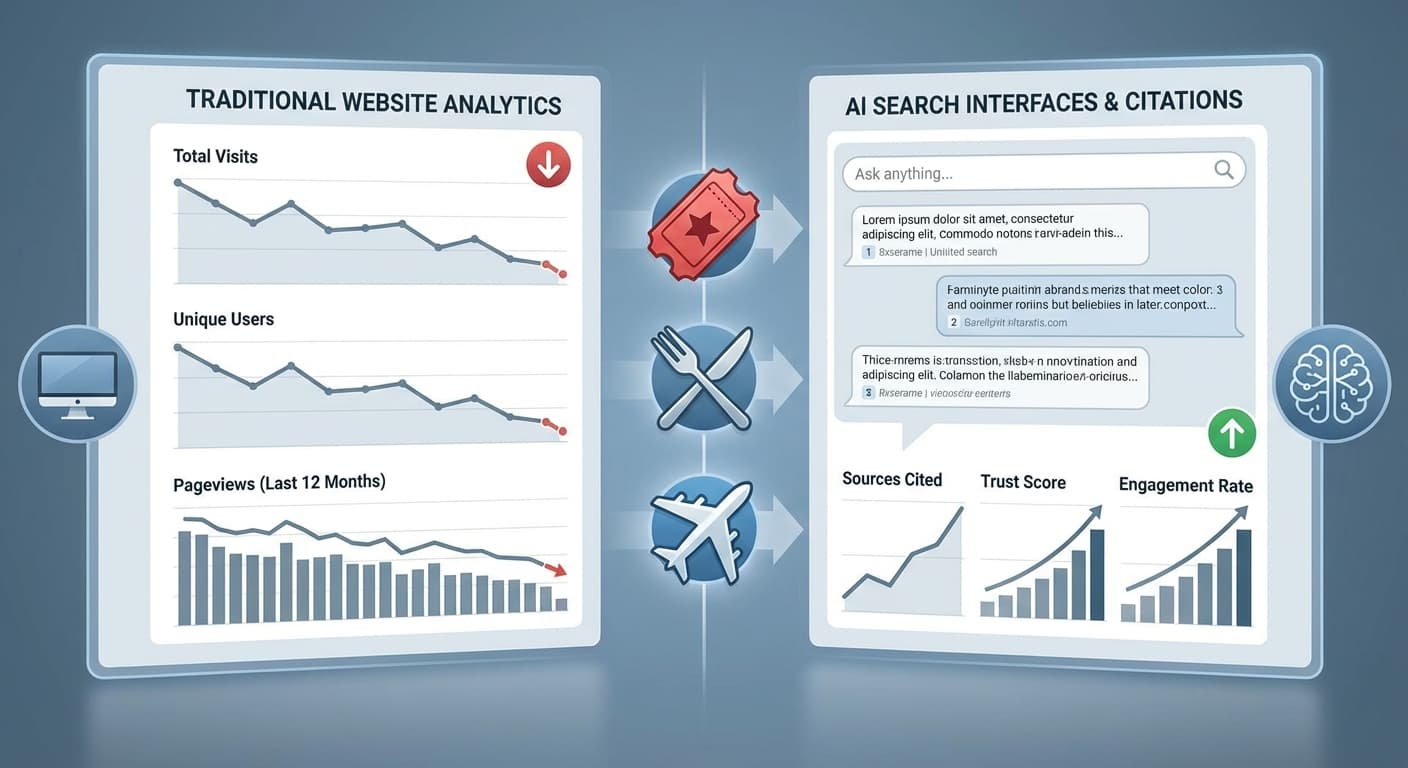
Traditional analytics miss AI-driven sales. You need new measurement approaches:
Tracking strategies:
5. Build Conversational Commerce Capabilities
Prepare for direct AI integration by developing:
Technical infrastructure:
Advanced Defense Tactics for Competitive Markets
Content Velocity Strategy
AI engines favor fresh, comprehensive content. Implement:
Semantic Authority Building
Establish your brand as the definitive source for your product category:
Competitive Intelligence
Monitor how AI engines present your competitors:
Measuring Success in the Agentic Shopping Era
Traditional e-commerce metrics don't capture AI-driven sales impact. Focus on:
Citation Performance Metrics
Revenue Attribution Models
How Citescope Ai Helps Defend Your Revenue
Building an effective agentic shopping strategy requires specialized tools designed for the AI search era. Citescope Ai provides:
The platform helps you identify which product pages need optimization, track your citation performance across AI engines, and continuously improve your content for better AI recommendation rates.
Implementation Timeline and Next Steps
Immediate Actions (Week 1-2)
Short-term Goals (Month 1-3)
Long-term Strategy (Month 3-12)
Ready to Optimize for AI Search?
The shift to agentic shopping isn't coming—it's here. Brands that adapt quickly will maintain their competitive edge, while those that wait will watch AI engines recommend their competitors instead.
Citescope Ai helps you optimize your product content for AI citations, track your performance across major AI platforms, and defend your revenue in the age of agentic shopping. Start with our free tier to analyze your top 3 products, or upgrade to Pro for comprehensive optimization across your entire catalog.
Try Citescope Ai free today and protect your revenue from AI disruption.