How to Build an Agentic Search Audit Strategy When AI Shopping Agents Bypass Your Website to Complete 40% of Product Comparisons Directly Inside Answer Interfaces
How to Build an Agentic Search Audit Strategy When AI Shopping Agents Bypass Your Website to Complete 40% of Product Comparisons Directly Inside Answer Interfaces
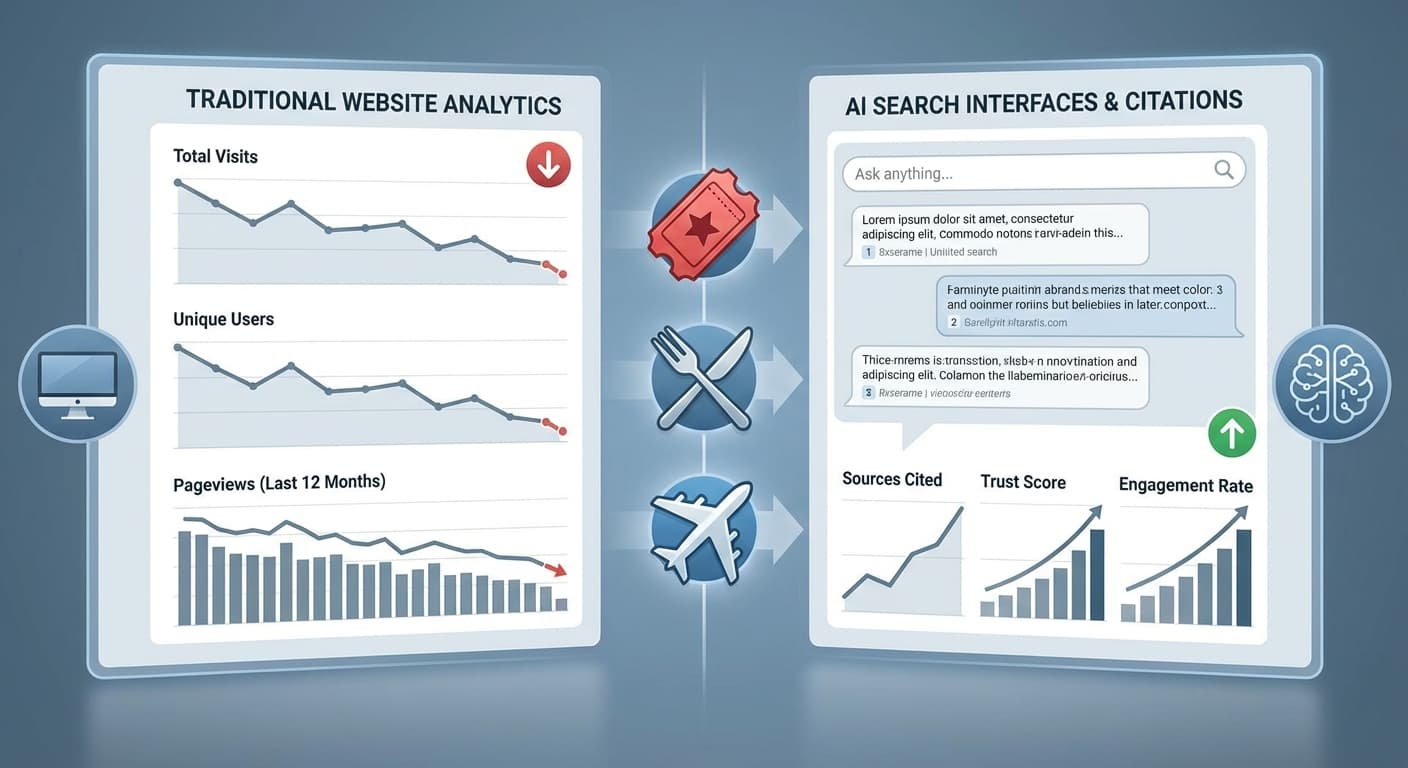
Imagine this: A potential customer searches for "best wireless headphones under $200" and gets a complete product comparison, pricing analysis, and purchase recommendation—all without ever clicking through to your website. According to 2025 research from Digital Commerce Institute, this scenario is now playing out in 40% of product-related searches as AI shopping agents become increasingly sophisticated at aggregating and presenting information directly within answer interfaces.
Welcome to the era of agentic search, where AI doesn't just find information—it acts as a knowledgeable shopping assistant, making recommendations and facilitating comparisons without sending users to your carefully crafted product pages. For e-commerce brands and content marketers, this represents both a massive challenge and an unprecedented opportunity.
The Rise of AI Shopping Agents: Why Traditional SEO Falls Short
By early 2026, AI-powered search has fundamentally altered the customer journey. ChatGPT's shopping integration, Perplexity's commerce features, and Google's AI Overviews with product recommendations now handle complex purchase decisions that previously required multiple site visits. Recent data shows:
The problem? Most brands are still optimizing for 2024's search landscape, focusing on driving clicks to product pages while AI agents are already making purchase recommendations based on the information they can access and understand.
What Is Agentic Search and Why It Changes Everything
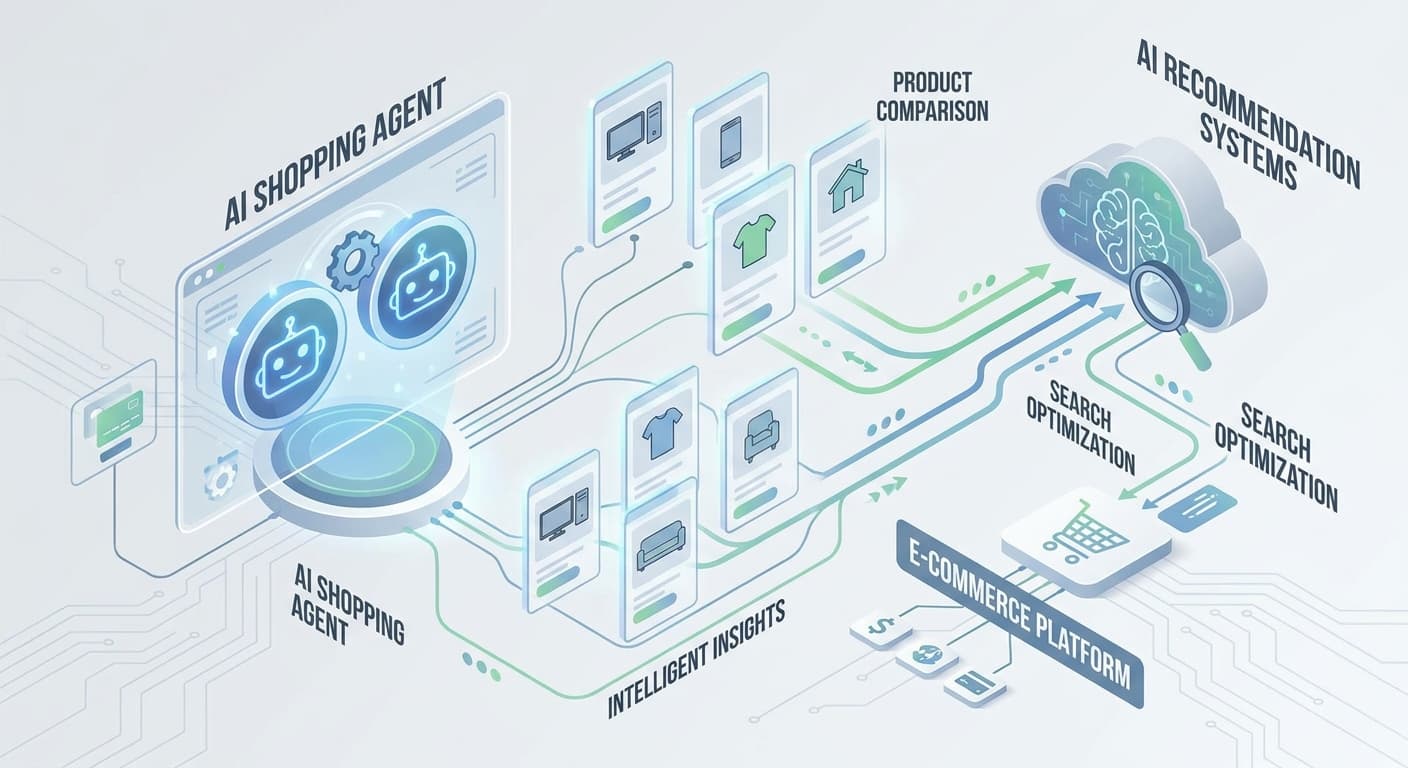
Agentic search refers to AI systems that don't just retrieve information—they actively process, synthesize, and act on that data to help users complete tasks. Unlike traditional search engines that present links, agentic systems:
When a user asks "What's the best laptop for video editing under $1,500?", an agentic system doesn't just show search results—it analyzes specifications, compares performance metrics, considers user reviews, and presents a ranked recommendation with reasoning.
Building Your Agentic Search Audit Strategy
Phase 1: Visibility Assessment
Before optimizing for AI shopping agents, you need to understand how visible your products currently are in agentic responses.
Audit Your Current AI Citations:
Key Questions to Ask:
Phase 2: Content Gap Analysis
Structured Data Evaluation:
AI agents heavily rely on structured data to understand and compare products. Audit your:
Content Comprehensiveness Assessment:
Evaluate whether your content answers the questions AI agents need to make informed recommendations:
Phase 3: Information Architecture Review
AI-Friendly Content Organization:
Authority Signal Analysis:
Optimization Strategies for Agentic Visibility
1. Create Conversation-Ready Content
AI agents excel at conversational interactions, so your content should be optimized for natural language queries:
2. Implement Advanced Schema Markup
Go beyond basic product schema to include:
3. Develop Authority Through Expertise
AI agents increasingly value authoritative sources when making recommendations:
4. Optimize for Voice and Conversational Queries
With AI agents handling more voice-activated shopping, optimize for natural speech patterns:
Measuring Success in the Agentic Era
New KPIs to Track
Citation Frequency:
Response Quality:
Conversion Attribution:
How Citescope AI Helps Navigate the Agentic Landscape
As AI shopping agents become more sophisticated, tools like Citescope AI become essential for staying competitive. The platform's GEO Score specifically evaluates content across five dimensions that directly impact agentic visibility:
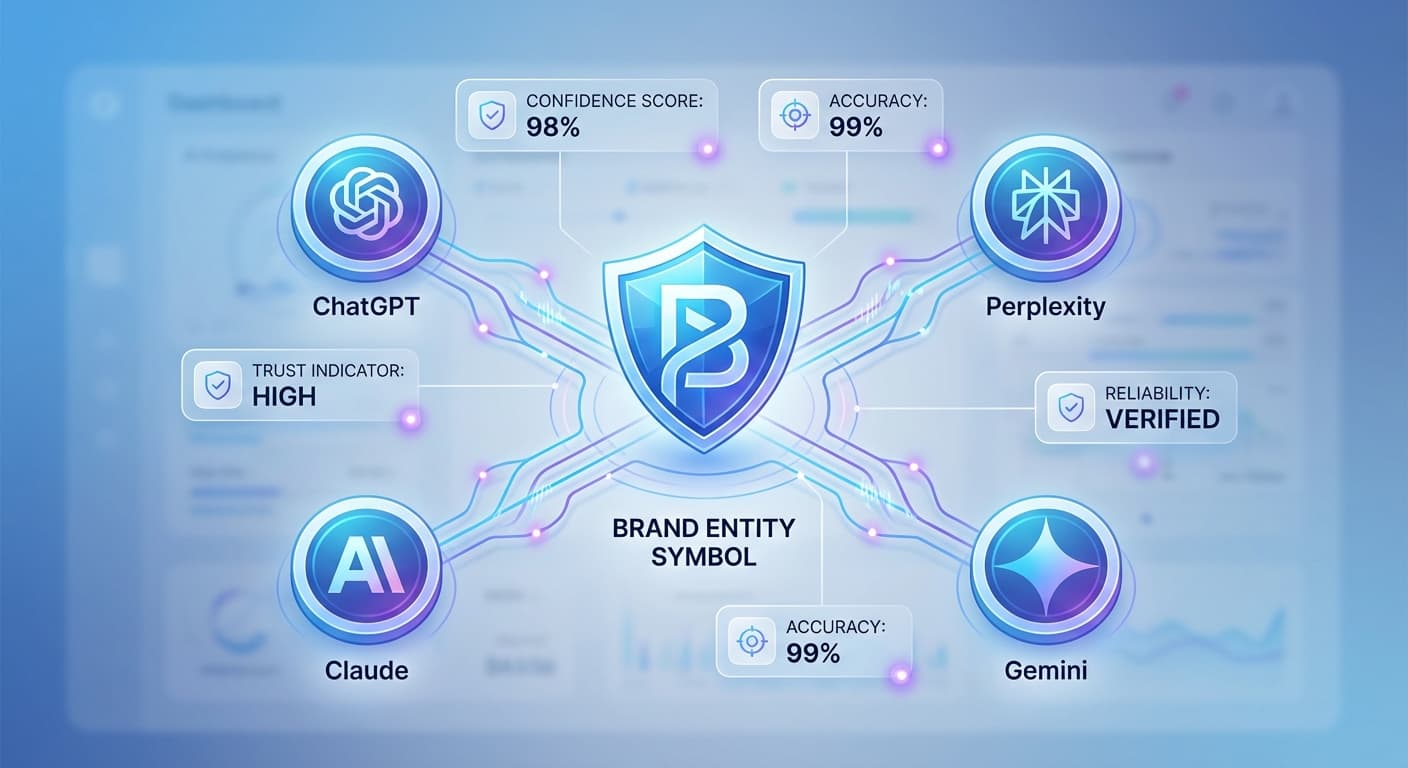
The Citation Tracker feature allows you to monitor exactly when and how AI systems like ChatGPT, Perplexity, Claude, and Gemini are mentioning your products, giving you real-time visibility into your agentic search performance.
Future-Proofing Your Strategy
Embrace the Shift
The move toward agentic search isn't temporary—it's the future of how consumers discover and evaluate products. Brands that adapt early will build sustainable competitive advantages as AI agents become more sophisticated and widely adopted.
Stay Agile
Agentic search technology evolves rapidly. Build flexibility into your strategy:
Focus on Value Creation
Ultimately, AI agents aim to provide users with the best possible recommendations. Brands that focus on creating genuinely valuable, comprehensive, and accurate content will naturally perform better in agentic environments.
Ready to Optimize for AI Search?
As AI shopping agents reshape the e-commerce landscape, having the right tools and strategy becomes critical for maintaining visibility and driving sales. Citescope AI helps you understand exactly how AI systems see your content and provides the optimization tools you need to improve your citations and recommendations across all major AI platforms.
Start with our free tier to audit your current AI visibility and see how your content performs across ChatGPT, Perplexity, Claude, and Gemini. With our AI Rewriter and GEO Score analysis, you'll have everything you need to build a winning agentic search strategy.
Try Citescope AI free today and join the brands already winning in the age of AI shopping agents.