How to Build an Agentic Commerce Brand Discovery Strategy When AI Shopping Assistants Complete Purchases Without Users Ever Seeing Your Comparison Page

How to Build an Agentic Commerce Brand Discovery Strategy When AI Shopping Assistants Complete Purchases Without Users Ever Seeing Your Comparison Page
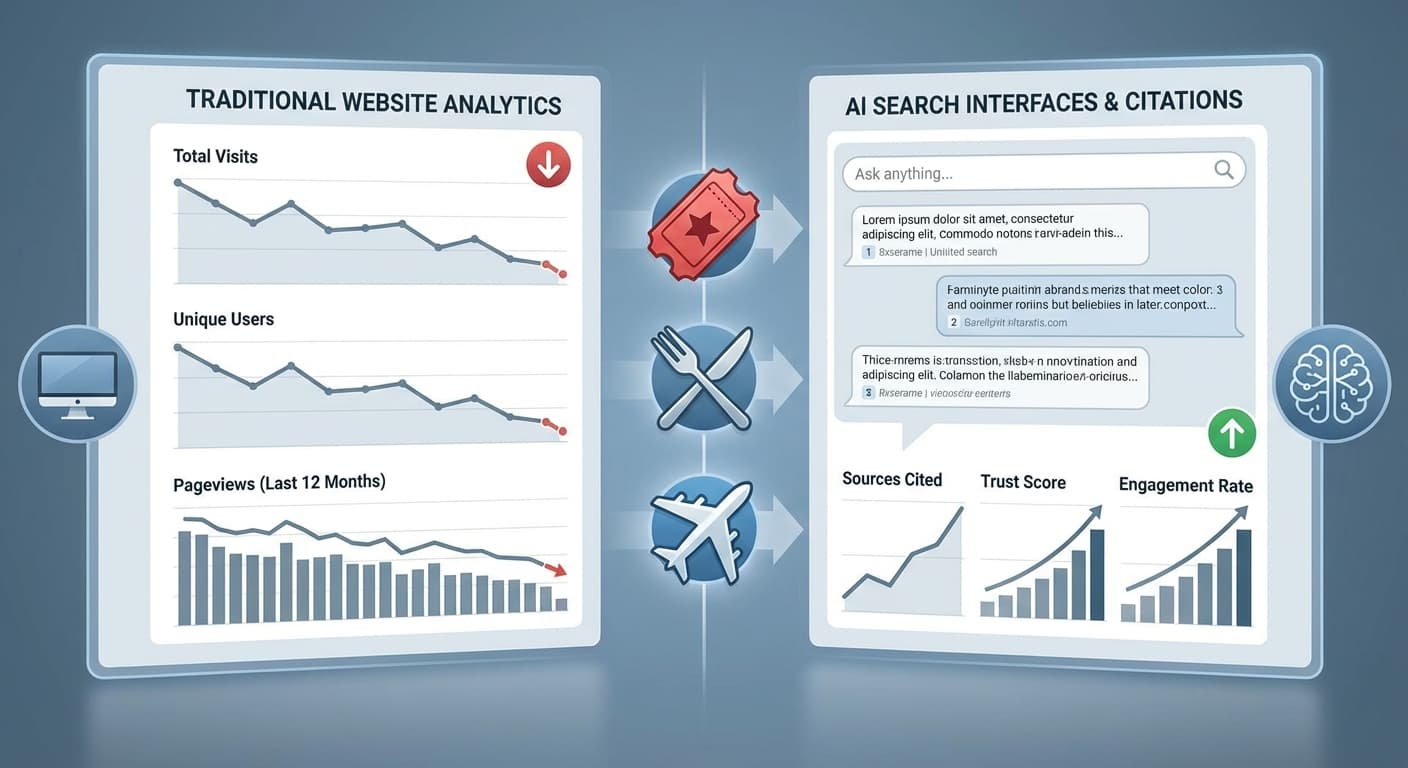
By 2026, over 40% of e-commerce purchases are now initiated through AI shopping assistants like ChatGPT Shopping, Claude Commerce, and Google's Bard Shopping. Here's the sobering reality: consumers are increasingly asking AI "Find me the best wireless headphones under $200" and trusting the AI to complete the entire purchase journey—without ever visiting your product comparison pages, reading your reviews, or even seeing your brand mentioned.
This seismic shift in shopping behavior means traditional e-commerce SEO strategies are becoming obsolete. When AI agents can research, compare, and purchase products autonomously, how do you ensure your brand gets discovered and recommended?
The Invisible Shopping Revolution
Recent data from Commerce Intelligence shows that 68% of Gen Z consumers now use AI assistants for product research, and 34% complete purchases directly through AI recommendations without visiting the original retailer's website. This "invisible commerce" trend is fundamentally changing how brands need to approach discovery.
Consider this scenario: A customer asks ChatGPT Shopping, "I need running shoes for marathon training, budget around $150, I have flat feet." The AI processes thousands of product reviews, specifications, and expert opinions in seconds, then recommends three specific models and can facilitate the purchase through integrated commerce platforms.
Your brand's traditional SEO-optimized comparison page titled "Best Running Shoes 2026" never enters the equation.
Understanding Agentic Commerce Discovery
What Makes AI Shopping Assistants Tick
AI shopping assistants don't crawl and index content the same way traditional search engines do. They prioritize:
The New Purchase Funnel
The traditional awareness → consideration → purchase funnel has collapsed into a single AI interaction. Instead of optimizing for multiple touchpoints, you need to ensure your brand is discoverable and recommendable in that singular moment when the AI is making its decision.
Building Your Agentic Commerce Strategy
1. Optimize for AI Interpretability
Your content needs to be structured in a way that AI systems can easily understand and extract key information.
Product Information Architecture:
Content Format Example:
Product Name: [Brand] [Model]
Key Specifications
Best For
[Specific user types and scenarios]
Limitations
[Honest assessment of drawbacks]
2. Create AI-Discoverable Authority Signals
AI systems heavily weight content from sources they perceive as authoritative. Focus on:
3. Develop Use-Case-Specific Content
Instead of generic "best of" lists, create highly specific content that matches exact user queries:
This specificity helps AI assistants match your content to precise user needs.
4. Implement Conversational Query Optimization
People interact with AI assistants using natural language, not keyword-stuffed queries. Optimize for:
5. Leverage Real-Time Data Integration
AI assistants prioritize current information. Strategies include:
Advanced Agentic Commerce Tactics
Semantic Content Clusters
Create interconnected content that covers all aspects of a purchasing decision:
This comprehensive coverage increases the likelihood that AI systems will cite your content as a primary source.
AI-First Content Distribution
Traditional content distribution channels may not reach AI training datasets effectively. Consider:
Continuous Authority Building
AI systems evaluate source credibility through multiple signals:
How Citescope Ai Helps
Building an effective agentic commerce strategy requires understanding how AI systems actually interpret and value your content. Citescope Ai's GEO Score analyzes your product content across five critical dimensions that AI shopping assistants prioritize: AI Interpretability, Semantic Richness, Conversational Relevance, Structure, and Authority.
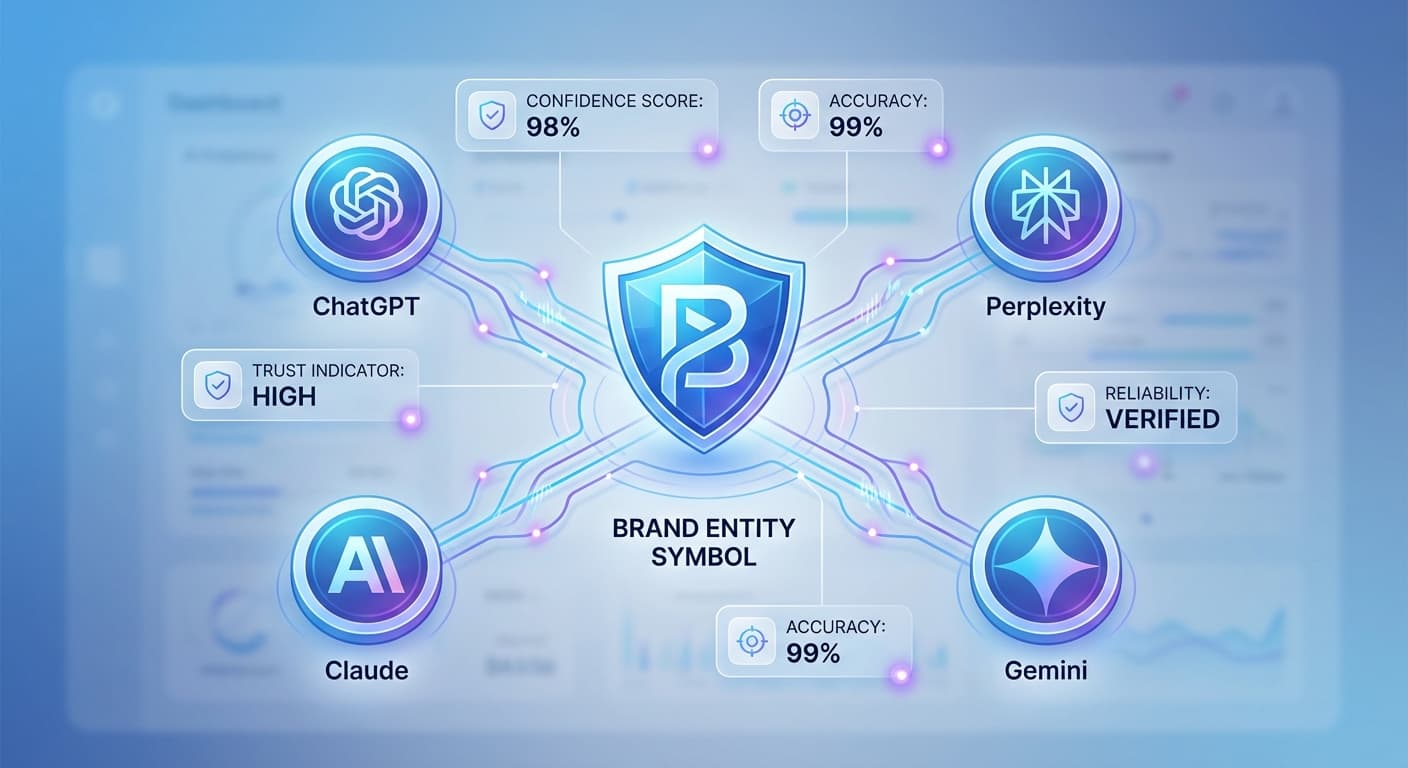
The platform's Citation Tracker shows you exactly when and how your content gets referenced by major AI systems like ChatGPT, Perplexity, and Claude—giving you unprecedented visibility into your agentic commerce performance. The AI Rewriter then optimizes your content structure and language to maximize discoverability by AI shopping assistants.
Measuring Agentic Commerce Success
Key Performance Indicators
Traditional e-commerce metrics won't capture agentic commerce performance. Focus on:
Monitoring and Optimization
Set up systems to:
The Future of Agentic Commerce
As AI shopping assistants become more sophisticated, expect:
Brands that adapt their discovery strategies now will have a significant advantage as agentic commerce continues to evolve.
Ready to Optimize for AI Search?
The shift to agentic commerce is happening faster than most brands realize. While your competitors are still optimizing for traditional search, you can get ahead by building content that AI shopping assistants actually understand and recommend.
Citescope Ai helps you navigate this transition with tools specifically designed for AI visibility. Our GEO Score shows you exactly how well your content performs with AI systems, while our Citation Tracker monitors your presence across all major AI platforms.
Start your free trial today and discover how your brand appears in the invisible world of AI commerce. Get 3 free content optimizations to see the difference AI-first optimization can make for your discovery strategy.