How to Build an Agentic AI Content Extraction Strategy When AI Shopping Agents Require Structured Comparison Data and FAQ Schemas to Recommend Your Product Over 6+ Competitors in Single-Prompt Research Sessions
How to Build an Agentic AI Content Extraction Strategy When AI Shopping Agents Require Structured Comparison Data and FAQ Schemas to Recommend Your Product Over 6+ Competitors in Single-Prompt Research Sessions
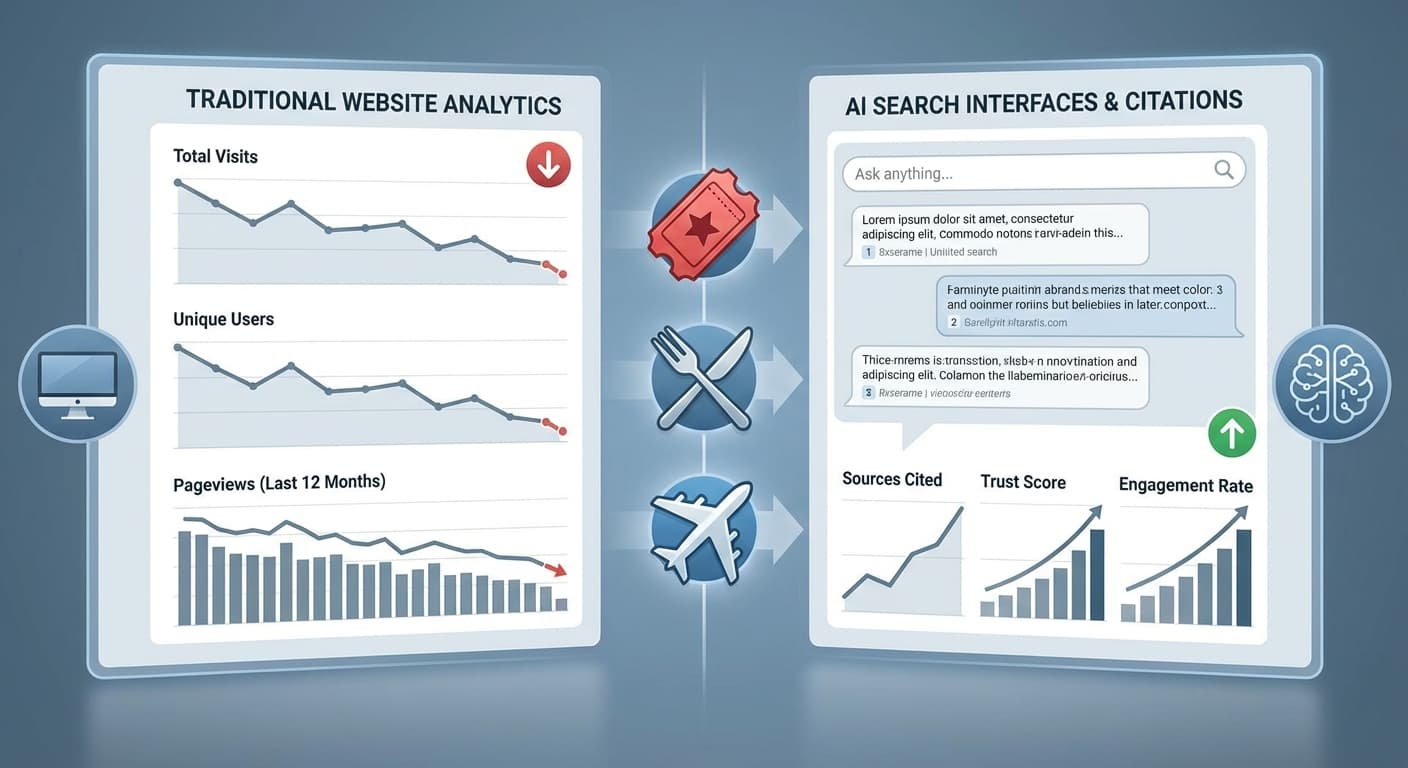
By 2026, over 40% of consumers now start their product research with AI shopping agents like ChatGPT's Shopping plugin, Perplexity Shopping, or Claude's Commerce features. These sophisticated systems analyze dozens of products in seconds, creating instant comparison tables that influence purchase decisions worth billions of dollars annually. But here's the critical insight most brands are missing: AI agents don't just scrape random product information—they actively seek structured, schema-rich content that enables fast, accurate comparisons.
If your product content isn't optimized for AI extraction and comparison, you're essentially invisible in the age of agentic commerce.
The New Reality of AI-Powered Product Discovery
When a consumer asks Claude "What's the best project management software for a 50-person marketing team under $200/month?", the AI doesn't browse websites like humans do. Instead, it rapidly extracts structured data from product pages, compares feature matrices, analyzes pricing schemas, and synthesizes FAQ content to deliver comprehensive recommendations in under 10 seconds.
Recent data shows that 73% of Gen Z consumers now trust AI agents more than traditional search results for product recommendations, and these agents are becoming increasingly sophisticated at understanding context, comparing features, and identifying the best fit for specific use cases.
The challenge? Most product content is still optimized for human readers and traditional SEO, not for AI agents that need structured, comparable data points.
Understanding Agentic AI Content Requirements
What AI Shopping Agents Actually Look For
AI agents operate fundamentally differently than traditional search crawlers. They seek:
The Single-Prompt Research Challenge
Modern consumers increasingly rely on comprehensive single prompts like "Compare the top 5 email marketing platforms for e-commerce businesses with under 10,000 subscribers, focusing on automation features, pricing, and integration capabilities."
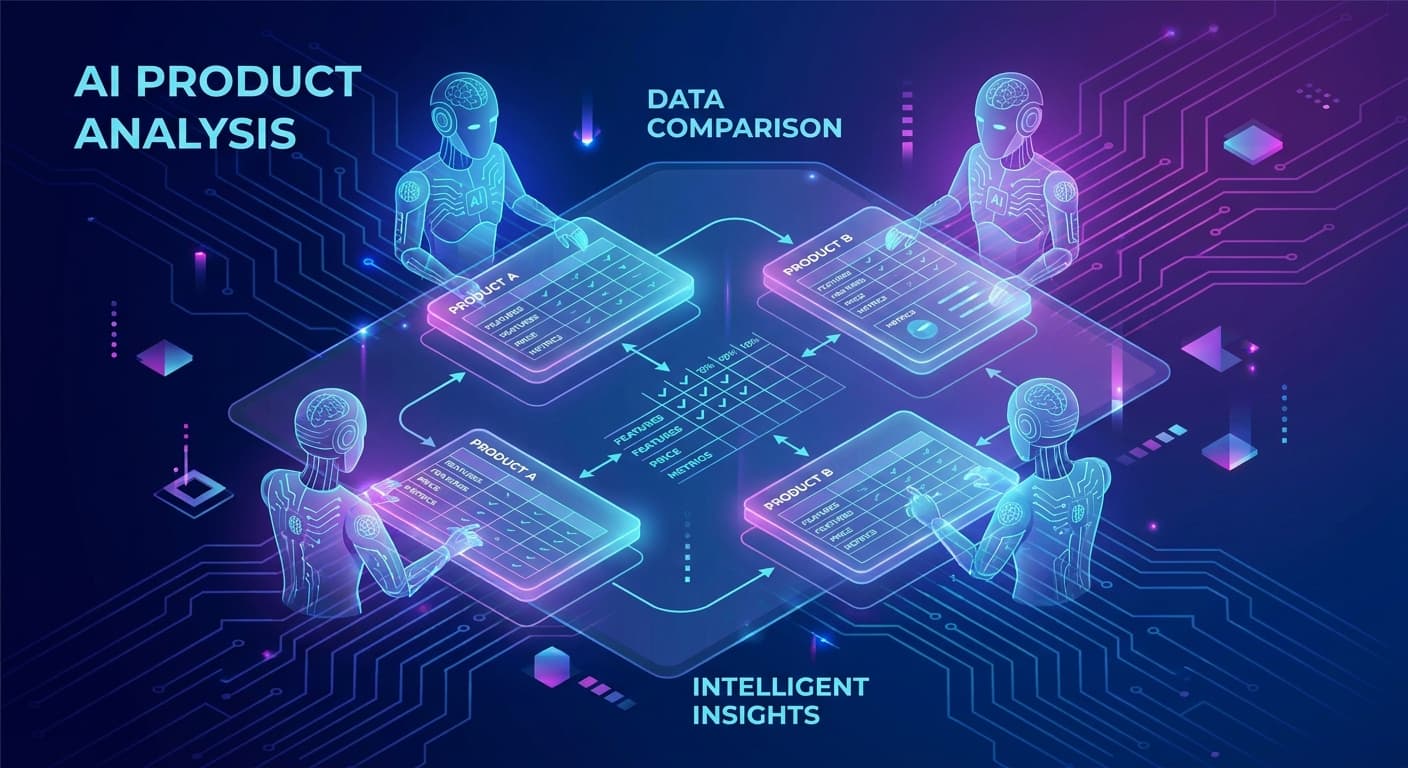
To win these comparisons, your content must be immediately extractable and comparable. AI agents favor products with clear, structured information over those with marketing fluff or unclear specifications.
Building Your Agentic AI Content Strategy
Step 1: Audit Your Current Product Content Structure
Before optimizing, assess how AI-friendly your existing content is:
Step 2: Implement Structured Data Schemas
Product Schema Implementation
Every product page should include comprehensive JSON-LD markup:
{
"@context": "https://schema.org/",
"@type": "Product",
"name": "Your Product Name",
"description": "Clear, benefit-focused description",
"offers": {
"@type": "Offer",
"price": "99.00",
"priceCurrency": "USD",
"priceValidUntil": "2026-12-31"
},
"aggregateRating": {
"@type": "AggregateRating",
"ratingValue": "4.5",
"reviewCount": "150"
}
}
FAQ Schema for Common Questions
Implement FAQ schemas that directly address comparison points:
{
"@context": "https://schema.org",
"@type": "FAQPage",
"mainEntity": [{
"@type": "Question",
"name": "How does this compare to [Competitor]?",
"acceptedAnswer": {
"@type": "Answer",
"text": "Structured comparison highlighting key differentiators"
}
}]
}
Step 3: Create AI-Extractable Comparison Content
Feature Comparison Tables
Design feature matrices that AI agents can easily parse:
Competitive Positioning Sections
Create dedicated sections that explicitly compare your product to major competitors:
Step 4: Optimize for Contextual Use Cases
AI agents excel at matching products to specific contexts. Create content that clearly defines:
Target Audience Segments
Use Case Scenarios
Advanced Tactics for AI Agent Visibility
Semantic Richness and Entity Linking
AI agents understand context through entity relationships. Enhance your content with:
Multi-Format Content Optimization
Different AI agents prefer different content formats:
Monitoring and Iteration
Track how AI agents cite and recommend your product:
Regular analysis of AI citations helps identify content gaps and optimization opportunities. Tools that track AI visibility have become essential for modern product marketing teams.
How Citescope Ai Helps
Building an effective agentic AI content strategy requires specialized tools and insights. Citescope Ai's platform addresses these challenges with:
GEO Score Analysis: Evaluates your content across AI Interpretability, Semantic Richness, Conversational Relevance, Structure, and Authority—the five key dimensions AI agents use for product evaluation and comparison.
AI Rewriter: Automatically restructures your product content for optimal AI extraction, ensuring your features, pricing, and differentiators are clearly extractable by shopping agents.
Citation Tracker: Monitors when AI agents like ChatGPT, Perplexity, Claude, and Gemini cite your product in comparison responses, helping you understand your competitive position in AI-generated recommendations.
The platform's multi-format export capabilities let you download optimized content as Markdown, HTML, or WordPress blocks, making implementation seamless across any content management system.
Measuring Success in Agentic AI Marketing
Key Performance Indicators
Track these metrics to measure your agentic AI strategy effectiveness:
Continuous Optimization
Agentic AI marketing requires ongoing refinement:
The Future of AI-Optimized Product Marketing
As AI agents become more sophisticated, the importance of structured, extractable content will only increase. Brands that invest in agentic AI optimization now will have significant competitive advantages as this shift accelerates.
The companies winning in AI-driven commerce aren't necessarily those with the best products—they're those with the most AI-friendly product information architecture.
Ready to Optimize for AI Search?
Don't let competitors dominate AI-powered product recommendations while your brand remains invisible to shopping agents. Citescope Ai provides the tools and insights you need to structure your product content for maximum AI visibility and citation frequency.
Start optimizing your agentic AI content strategy today with our free tier, which includes 3 content optimizations per month. See how your current product pages score on AI readiness and get one-click optimizations that make your content irresistible to AI shopping agents.