How to Build an Ad Placement Defense Strategy When AI Overviews Show Paid Results in 25% of Queries
How to Build an Ad Placement Defense Strategy When AI Overviews Show Paid Results in 25% of Queries
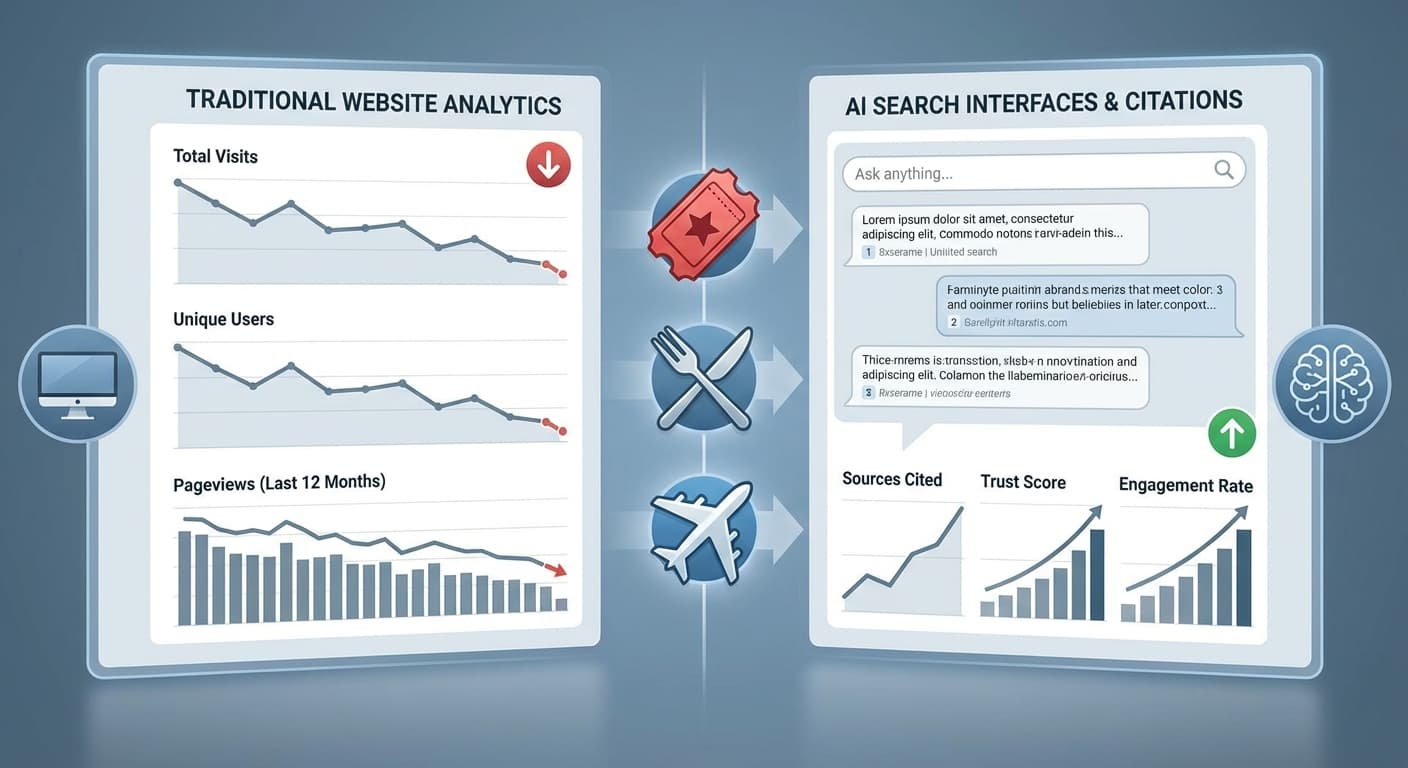
When Google announced that AI Overviews would feature paid placements in early 2025, the SEO world collectively held its breath. Now, six months into 2026, the data is clear: 25% of all AI Overview queries now display sponsored content, pushing organic citations further down the page and fundamentally changing how users consume search results.
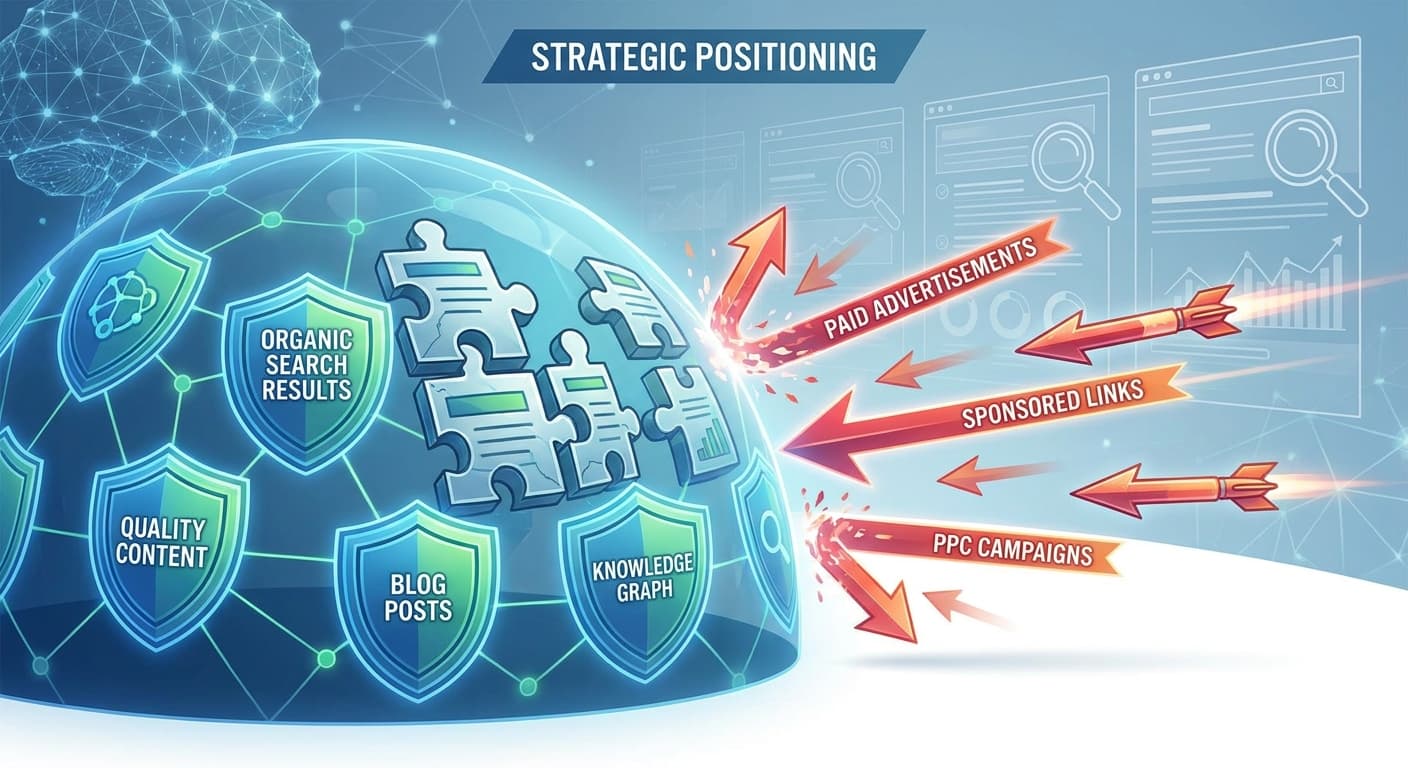
If you've noticed your organic traffic declining despite maintaining strong rankings, you're not alone. The rise of AI-powered search features has created a new battleground where traditional SEO tactics aren't enough—you need an ad placement defense strategy that protects your organic visibility while maximizing your content's chances of being cited by AI engines.
The New Reality: How Paid Placements Are Reshaping AI Search
In 2026, the search landscape has evolved dramatically. Here's what we're seeing:
This shift means your content isn't just competing with other organic results—it's battling well-funded advertising campaigns that can literally buy their way above your carefully optimized content.
Understanding the AI Overview Ad Ecosystem
Where Ads Appear in AI Results
AI Overviews now feature three primary ad placement zones:
Each placement type affects organic visibility differently. Pre-summary ads push everything down, while inline citations can completely displace your organic mentions.
The Citation Competition Matrix
When AI engines select sources for their responses, they now consider:
That 15% advertising factor might seem small, but it's enough to tip the scales when multiple sources offer similar quality content.
Building Your Ad Placement Defense Strategy
1. Optimize for AI Engine Diversity
Don't put all your eggs in Google's basket. With ChatGPT, Perplexity, Claude, and Gemini all growing rapidly, diversifying your AI visibility reduces your dependence on any single platform's ad policies.
Action steps:
2. Implement Semantic Fortress Tactics
Make your content so semantically rich and contextually valuable that AI engines can't ignore it, even when advertisers are bidding for placement.
Key techniques:
3. Master the Citation-Worthy Content Framework
Not all content is created equal in the eyes of AI engines. Focus on creating content types that consistently earn citations:
High-citation content types:
4. Deploy Rapid Response Content Strategies
When breaking news or trending topics emerge in your industry, speed matters more than ever. Being first often means being cited, even when competitors later spend advertising dollars.
Rapid response tactics:
Advanced Defense Techniques
Cross-Platform Citation Building
Build a network of citations across multiple AI platforms to create redundancy. If Google's AI Overview favors paid content, you might still capture citations in ChatGPT or Perplexity.
Strategy components:
Content Velocity Management
Publish content frequently enough to maintain visibility without overwhelming your resources. AI engines favor fresh, regularly updated sources.
Optimal publishing cadence:
Strategic Topic Clustering
Group related content to create topical authority that's harder for advertisers to displace. When you own an entire subject area, AI engines are more likely to cite you regardless of advertising pressure.
Measuring Your Defense Effectiveness
Track these key metrics to assess your strategy's success:
Citation Performance Metrics:
Competitive Intelligence:
Content Performance Indicators:
How Citescope Ai Helps
Navigating this complex landscape requires sophisticated tools and constant monitoring. Citescope Ai's Citation Tracker lets you monitor when your content gets cited across ChatGPT, Perplexity, Claude, and Gemini, giving you real-time visibility into your AI search performance. The GEO Score analyzes your content across five critical dimensions—AI Interpretability, Semantic Richness, Conversational Relevance, Structure, and Authority—helping you optimize for citation-worthiness before you publish.
With the AI Rewriter, you can quickly adapt existing content for better AI visibility, while the multi-format export feature ensures your optimized content works across all platforms and publishing systems.
Future-Proofing Your Strategy
As AI search continues to evolve, expect these developments:
Prepare by:
Ready to Optimize for AI Search?
Don't let paid placements push your content into obscurity. Citescope Ai helps you track, analyze, and optimize your content for maximum AI visibility across all major platforms. Start with our free tier (3 optimizations per month) and see how your content performs in the new AI-first search landscape. Try Citescope Ai today and build your defense against the rising tide of AI advertising.