AI & SEO

How to Build a Zero-Visibility Pipeline Attribution Strategy When AI Search Engines Influence 72% of B2B Research Journeys But CMOs Can't Trace Pre-Click Citations to CRM Revenue
May 9, 20267 min read
How to Build a Zero-Visibility Pipeline Attribution Strategy When AI Search Engines Influence 72% of B2B Research Journeys But CMOs Can't Trace Pre-Click Citations to CRM Revenue

How to Build a Zero-Visibility Pipeline Attribution Strategy When AI Search Engines Influence 72% of B2B Research Journeys But CMOs Can't Trace Pre-Click Citations to CRM Revenue

Picture this: Your potential customer asks ChatGPT "What's the best project management software for remote teams?" Your competitor's content gets cited in the response. Three weeks later, that prospect converts to a $50K annual contract—but your competitor's attribution model shows zero influence from that AI citation. Sound familiar?

Welcome to the attribution nightmare of 2026. While 72% of B2B research journeys now involve AI search engines, and over 85% of decision-makers consult AI assistants before making purchasing decisions, most marketing teams are flying blind when it comes to measuring the revenue impact of these invisible touchpoints.

The Attribution Black Hole Problem

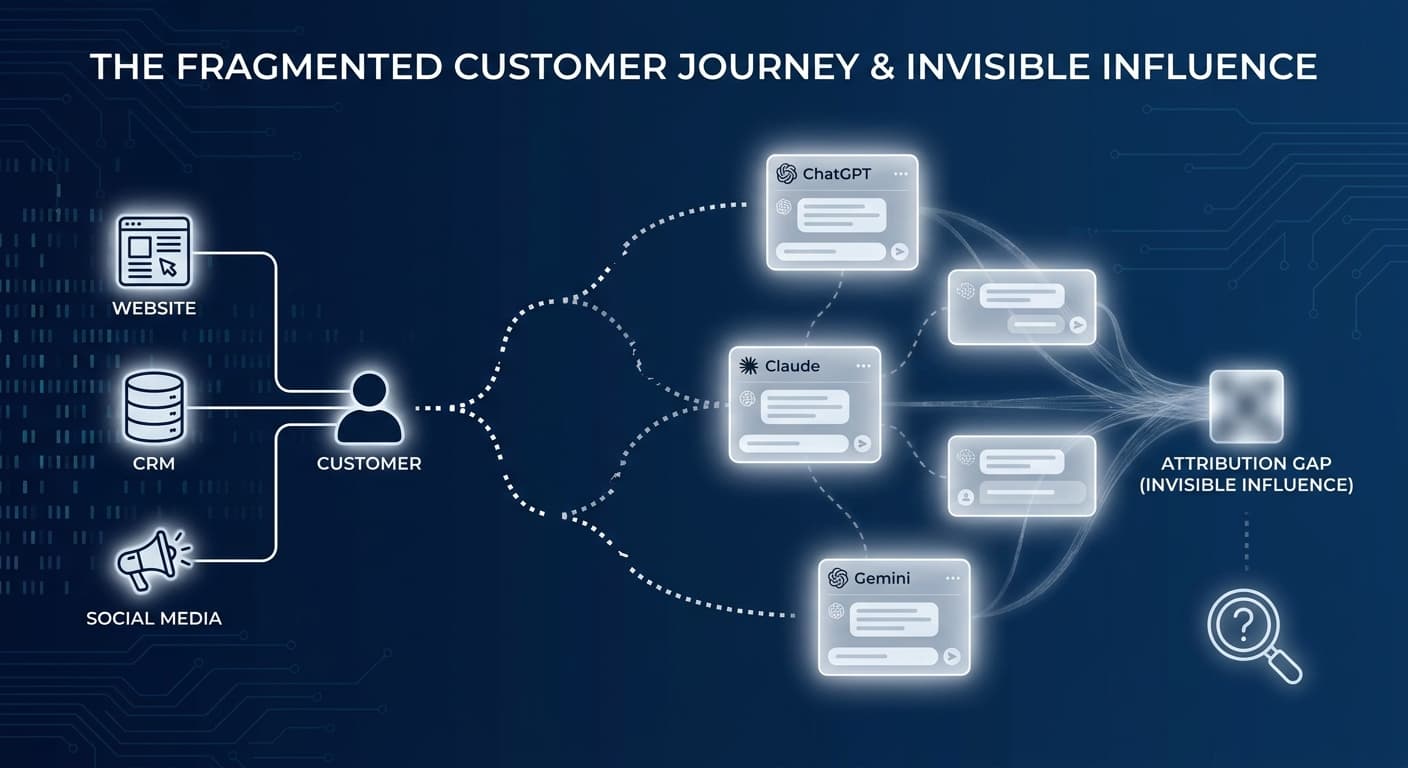
Traditional attribution models were built for a linear, trackable world. Click an ad, visit a landing page, fill out a form—each step leaves a digital breadcrumb. But AI search citations operate in a fundamentally different paradigm:

  • No direct clicks: Users consume your insights through AI responses without visiting your site

  • Context collapse: Your brand becomes part of an AI-generated answer, losing individual identity

  • Extended research cycles: B2B buyers now spend 3-4 weeks in AI-assisted research before any trackable engagement

  • Multi-AI touchpoints: Prospects interact with ChatGPT, Perplexity, Claude, and Gemini throughout their journey
  • The result? CMOs are making budget decisions based on incomplete data, often underinvesting in the very content that drives top-of-funnel awareness and consideration.

    Understanding the New B2B Research Journey

    Today's B2B research journey looks drastically different from the classic awareness-consideration-decision funnel:

    Phase 1: Silent Research (Weeks 1-3)


  • Prospects use AI assistants to understand problems and explore solutions

  • Your content gets cited but generates zero trackable traffic

  • Brand awareness builds subconsciously through AI-mediated exposure

  • Multiple stakeholders consume AI-generated insights independently
  • Phase 2: Verification and Deep Dive (Weeks 4-6)


  • Prospects validate AI insights through traditional channels

  • First trackable touchpoints appear in analytics

  • Website visits show high intent but mysterious traffic sources

  • Attribution models incorrectly assign "first touch" to this phase
  • Phase 3: Evaluation and Decision (Weeks 7-8)


  • Traditional sales process begins

  • CRM shows engagement starting from demo requests

  • Revenue gets attributed to last-touch channels like sales outreach

  • AI influence remains completely invisible
  • Building Your Zero-Visibility Attribution Strategy

    1. Implement Multi-Touch Attribution with AI Awareness

    Traditional first-touch and last-touch models miss the AI research phase entirely. Build a more sophisticated attribution approach:

    Create AI-Aware Customer Journey Maps

  • Map typical research patterns for your ICP

  • Identify common AI queries related to your solution space

  • Document the average time between AI research and first trackable touchpoint

  • Survey customers about their pre-engagement research process
  • Extend Attribution Windows

  • Increase your attribution window from 30 days to 90+ days

  • Create separate attribution models for different deal sizes

  • Account for longer B2B cycles influenced by AI research
  • 2. Develop Proxy Metrics for AI Influence

    Since direct AI attribution isn't possible, create proxy indicators:

    Content Citation Velocity

  • Track when your content gets cited across AI platforms

  • Monitor citation frequency and context quality

  • Correlate citation spikes with downstream pipeline movement
  • Brand Query Pattern Analysis

  • Analyze branded search volume following AI citation periods

  • Monitor "competitor vs [your brand]" queries

  • Track solution-category searches in your target markets
  • Account-Level Research Indicators

  • Implement account-based tracking for target accounts

  • Monitor multiple touchpoints from the same organization

  • Track progression from anonymous to identified traffic
  • 3. Create AI-Specific UTM and Tracking Systems

    AI-Optimized Content Tagging

  • Use AI-specific UTM parameters for content that performs well in citations

  • Create unique landing pages for high-citation content pieces

  • Implement cross-device tracking for research-to-conversion journeys
  • Citation Source Attribution

  • Build referral tracking for traffic coming after AI interactions

  • Monitor direct traffic spikes following major AI citations

  • Track branded search volume changes post-citation
  • 4. Implement Revenue Influence Modeling

    Move beyond simple attribution to influence modeling:

    Statistical Correlation Analysis

  • Analyze correlation between AI citation volume and pipeline velocity

  • Track deal size changes in periods of high AI visibility

  • Monitor win rates for prospects with extended research cycles
  • Cohort-Based Revenue Analysis

  • Compare revenue metrics between high-citation and low-citation periods

  • Analyze customer lifetime value for AI-influenced vs. traditional acquisition channels

  • Track time-to-close differences across attribution models
  • The Technology Stack for Zero-Visibility Attribution

    Essential Tools and Integrations

    Citation Monitoring Tools
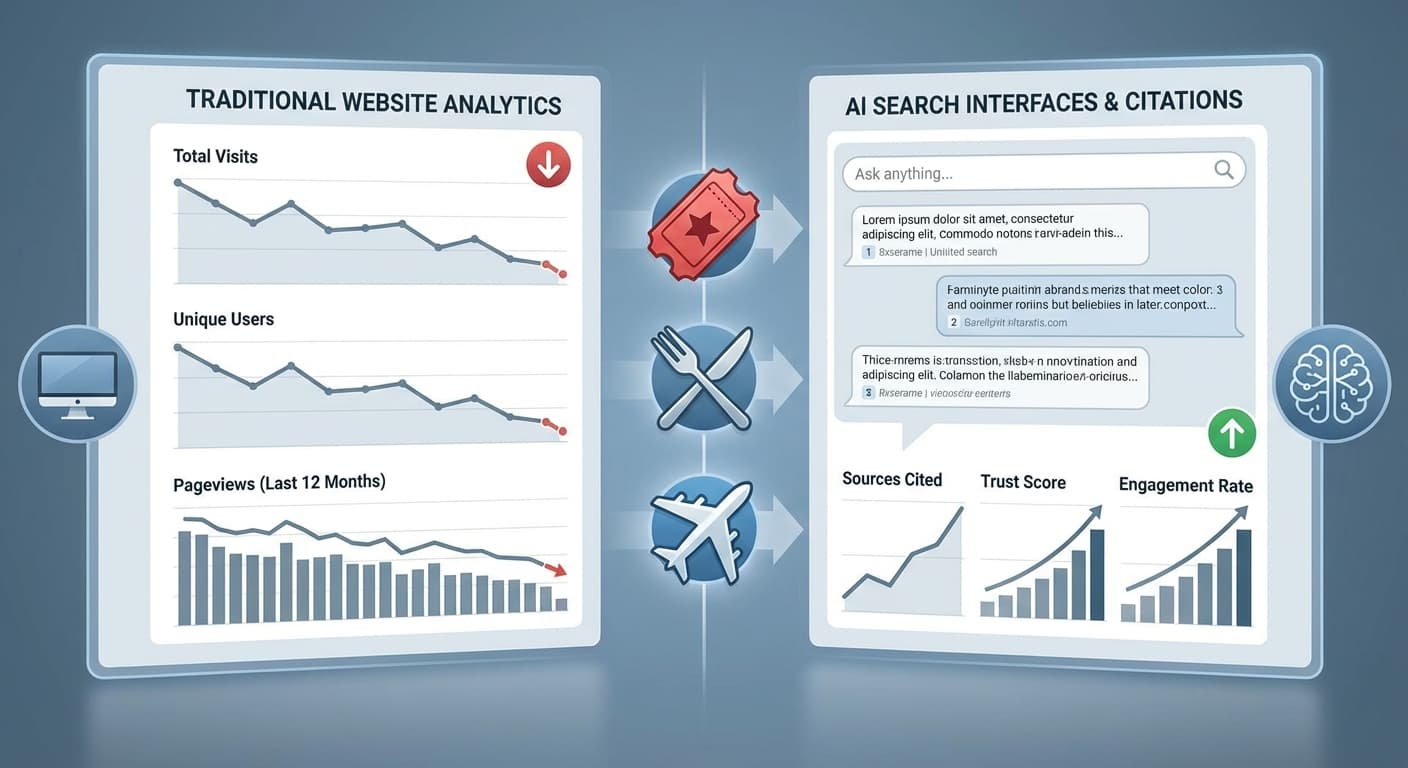
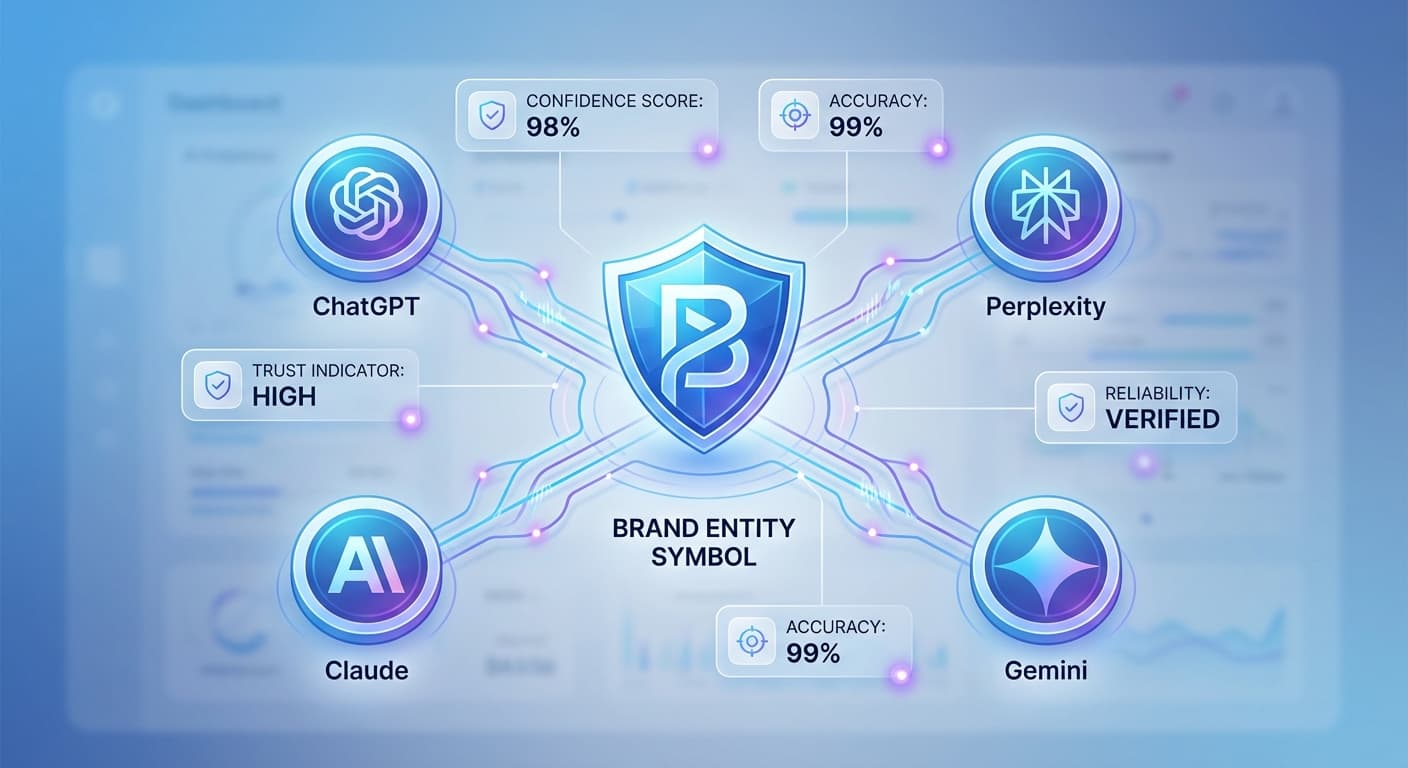
    While traditional analytics miss AI citations entirely, tools like Citescope Ai provide comprehensive citation tracking across ChatGPT, Perplexity, Claude, and Gemini. This visibility allows you to correlate citation events with downstream pipeline movement.

    Enhanced CRM Configuration

  • Add custom fields for research timeline indicators

  • Implement lead scoring based on content engagement patterns

  • Create automation for AI-influenced prospect nurturing
  • Advanced Analytics Setup

  • Configure Google Analytics 4 with extended attribution windows

  • Implement customer data platforms (CDPs) for unified view

  • Set up predictive modeling for AI-influenced pipeline
  • 5. Build Revenue Correlation Dashboards

    Create executive-level dashboards that connect AI influence to revenue:

    KPIs for AI Attribution

  • Citation-to-pipeline conversion rates

  • Average deal size by research channel mix

  • Time-to-close for AI-influenced prospects

  • Brand lift metrics following citation periods
  • Revenue Influence Scoring

  • Weight different attribution touchpoints based on AI research patterns

  • Create influence scores for content pieces based on citation frequency

  • Develop predictive models for AI-influenced pipeline probability
  • Measuring Success in the Age of Invisible Influence

    Leading Indicators


  • AI citation volume and quality scores

  • Branded search lift following citation events

  • Anonymous-to-identified conversion rates

  • Content engagement depth metrics
  • Lagging Indicators


  • Pipeline velocity changes

  • Average deal size evolution

  • Customer acquisition cost trends

  • Revenue per marketing dollar invested
  • Cohort Analysis Framework


    Compare performance across different cohorts:
  • High AI citation periods vs. low citation periods

  • AI-influenced prospects vs. traditional acquisition channels

  • Different AI platforms' influence on deal characteristics

  • Content types that drive strongest revenue correlation
  • How Citescope Ai Helps

    Building effective zero-visibility attribution requires comprehensive citation monitoring and content optimization. Citescope Ai's Citation Tracker monitors when your content gets cited across all major AI search engines, providing the visibility needed to correlate AI influence with pipeline movement. The platform's GEO Score helps optimize content for better AI visibility, while export features ensure your high-performing content reaches the right attribution touchpoints.

    Implementation Roadmap

    Month 1: Foundation


  • Audit current attribution models and identify gaps

  • Implement extended attribution windows in analytics

  • Begin citation monitoring across AI platforms
  • Month 2-3: Data Collection


  • Deploy AI-aware UTM strategies

  • Configure CRM for longer research cycle tracking

  • Build correlation analysis between citations and pipeline
  • Month 4-6: Optimization


  • Refine attribution models based on initial data

  • Optimize content for better AI citation performance

  • Scale successful AI-influenced content strategies
  • Month 7+: Advanced Analytics


  • Implement predictive modeling for AI influence

  • Build executive dashboards for AI attribution ROI

  • Continuously refine zero-visibility attribution accuracy
  • Ready to Optimize for AI Search?

    The shift to AI-mediated B2B research isn't coming—it's here. While traditional attribution models leave you blind to 72% of research journeys, forward-thinking CMOs are building zero-visibility attribution strategies that capture the full customer journey. Citescope Ai provides the citation tracking and content optimization tools you need to measure and maximize AI influence on your pipeline. Start your free trial today and discover which of your content pieces are already driving invisible revenue.
    AI AttributionB2B MarketingPipeline AttributionAI SearchMarketing Analytics

    Track your AI visibility

    See how your content appears across ChatGPT, Perplexity, Claude, and more.

    Start for Free