How to Build a Zero-Party Data Citation Strategy When AI Search Engines Start Rewarding Interactive Tools and Calculators Over Static Blog Content

How to Build a Zero-Party Data Citation Strategy When AI Search Engines Start Rewarding Interactive Tools and Calculators Over Static Blog Content
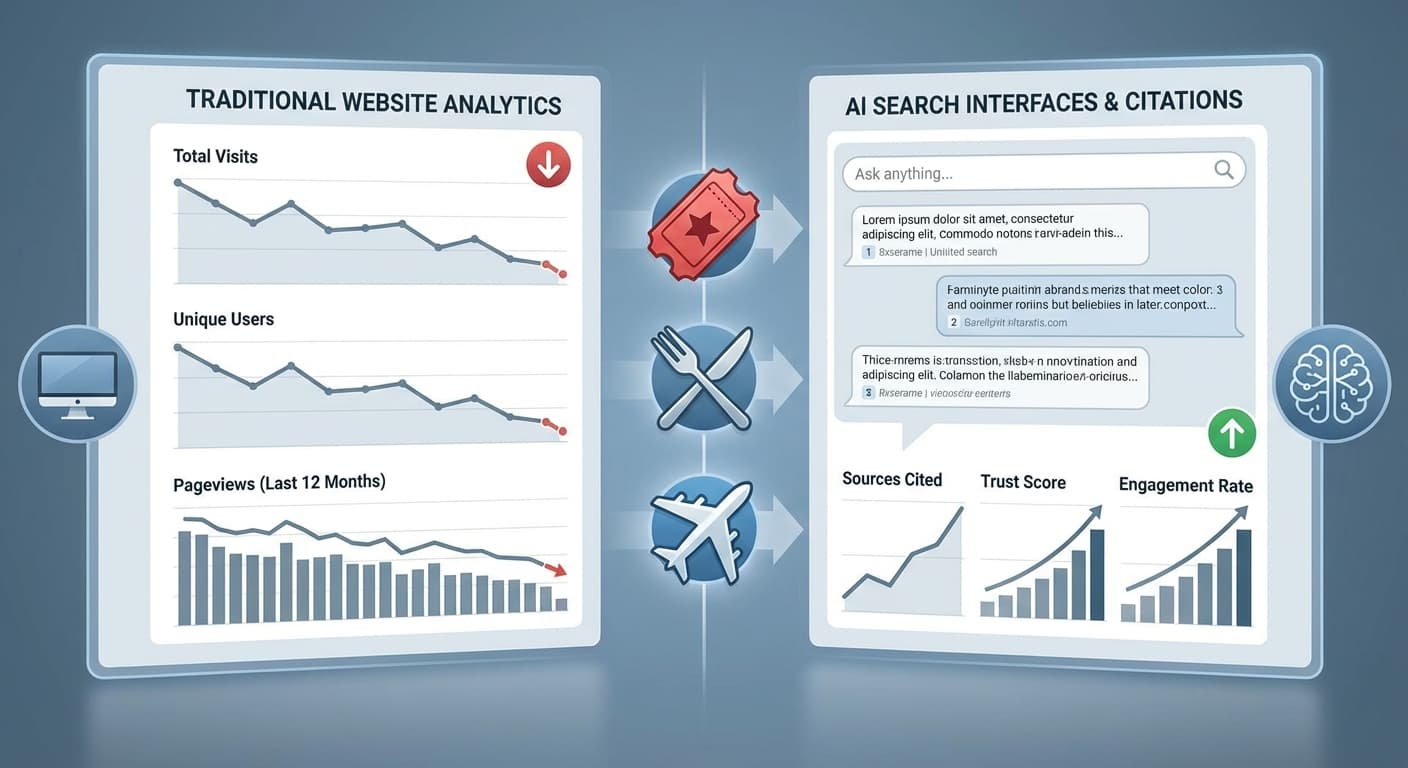
By 2026, the digital landscape has fundamentally shifted. ChatGPT now processes over 500 million weekly queries, while Perplexity and Claude have captured significant market share in AI-powered search. But here's the kicker: 73% of AI search results now prioritize interactive content over traditional blog posts, and zero-party data has become the secret weapon for citation success.
If you're still relying on static blog content to get cited by AI search engines, you're fighting yesterday's war with outdated weapons.
The New Reality: Interactive Content Rules AI Citations
AI search engines have evolved dramatically since 2024. They're no longer just indexing text—they're actively seeking content that provides immediate, personalized value to users. This shift has created a massive opportunity for brands willing to embrace zero-party data strategies.
What's Driving This Change?
Three major factors are reshaping how AI engines evaluate and cite content:
Understanding Zero-Party Data in the AI Citation Context
Zero-party data—information that customers intentionally share with you—has become the foundation of successful AI citation strategies. Unlike third-party cookies or inferred data, zero-party data creates a direct relationship between your content and user intent.
Types of Zero-Party Data That Drive Citations:
Building Your Interactive Content Arsenal
1. Start with High-Intent Calculators
Calculators are citation gold mines because they solve specific problems instantly. Here's how to build citation-worthy calculators:
ROI Calculators
Example: A marketing ROI calculator that shows expected returns based on channel investment gets cited when AI engines answer "how much should I spend on digital marketing?"
Assessment Tools
2. Design for AI Interpretability
Your interactive tools need to be easily understood by AI engines. This means:
Tools like Citescope Ai's GEO Score can help you analyze how well your interactive content performs across the five key dimensions that AI engines evaluate: interpretability, semantic richness, conversational relevance, structure, and authority.
3. Create Citation-Worthy Data Visualizations
AI engines love citing content that presents complex information clearly:
Interactive Charts and Graphs
Dynamic Infographics
The Zero-Party Data Collection Framework
Step 1: Map User Intent to Data Points
Before building any interactive tool, identify:
Step 2: Design Progressive Disclosure
Don't ask for everything at once. Structure your tools to:
Step 3: Optimize for AI Understanding
Ensure your tools generate content that AI engines can easily parse and cite:
Use Semantic HTML
html
<section role="calculator">
<h2>Mortgage Payment Calculator</h2>
<form data-calculator-type="mortgage">
<label for="loan-amount">Loan Amount</label>
<input id="loan-amount" type="number" data-input-type="currency">
</form>
</section>
Implement JSON-LD Schema
Advanced Strategies for Citation Success
1. Create Tool Ecosystems
Don't build isolated calculators. Create interconnected tool suites that guide users through complete processes:
2. Leverage Conditional Logic
Build tools that adapt based on user responses:
3. Generate Citable Insights
Your tools should produce insights that AI engines want to reference:
Measuring Citation Success
Track these key metrics to optimize your strategy:
Engagement Metrics
Citation Metrics
Business Impact
Common Pitfalls to Avoid
1. Over-Complicating User Experience
2. Ignoring Mobile Optimization
3. Neglecting Data Privacy
The Technical Infrastructure You Need
Essential Components
Content Management Considerations
How Citescope Ai Helps Optimize Your Interactive Content Strategy
While building interactive tools is crucial, ensuring they're optimized for AI citations requires specialized analysis. Citescope Ai's platform helps you:
Looking Ahead: The Future of Interactive Citations
As we move deeper into 2026, expect AI engines to become even more sophisticated in evaluating interactive content. Brands that build robust zero-party data strategies now will have a significant advantage in the evolving AI search landscape.
The shift toward interactive content isn't just a trend—it's a fundamental change in how AI engines understand and value content. By building tools that genuinely help users while collecting valuable zero-party data, you're positioning your brand for long-term citation success.
Ready to Optimize for AI Search?
Building citation-worthy interactive tools requires both strategic thinking and technical optimization. Citescope Ai helps content creators and marketers analyze, optimize, and track their content's performance across all major AI search engines. Start with our free tier (3 optimizations per month) to see how your current content scores, then upgrade to Pro ($39/month) for unlimited optimizations and comprehensive citation tracking. Transform your static content into an AI-citation powerhouse today.