How to Build a YouTube Citation Dominance Strategy When AI Search Engines Prioritize Video Content Over Written Blog Posts in 68% of Tutorial and How-To Query Results
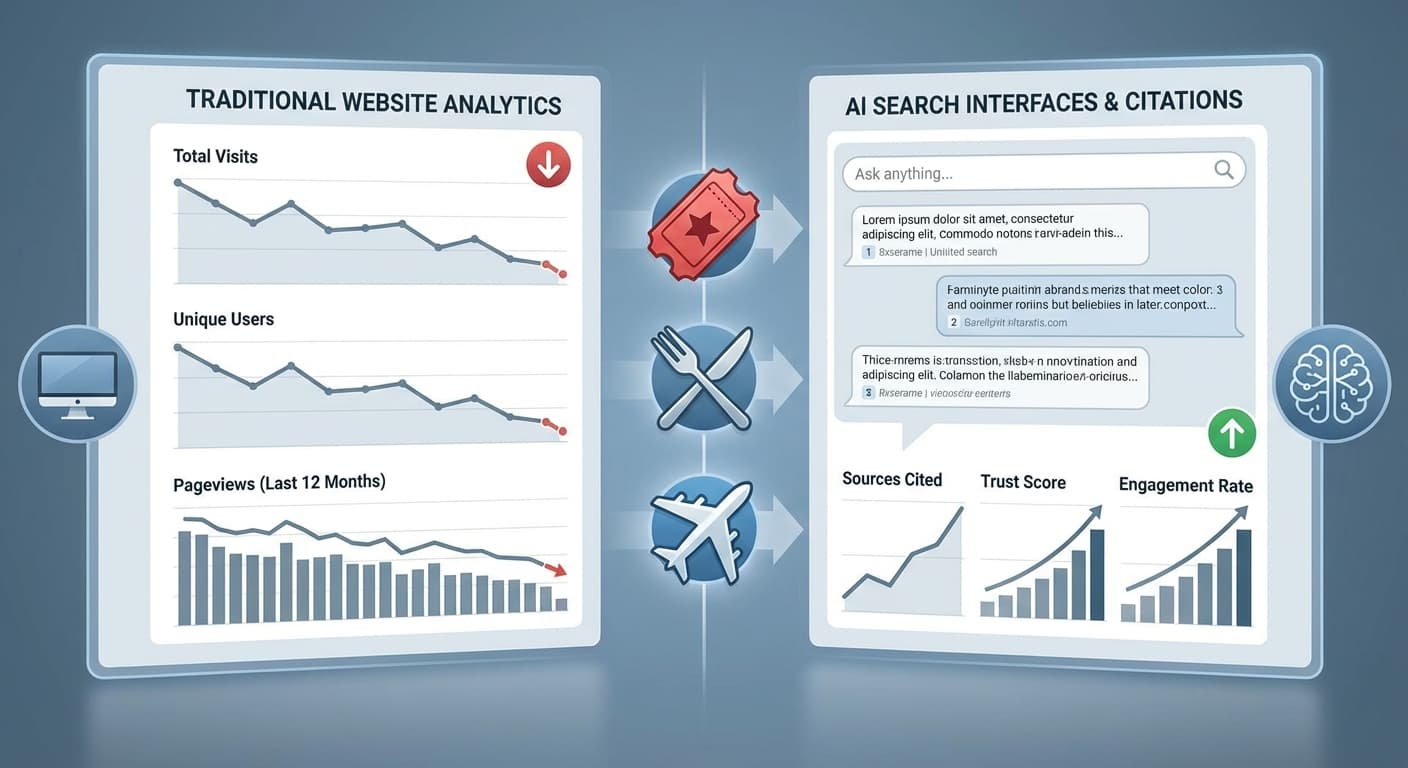
If you've been wondering why your written how-to guides aren't getting cited by ChatGPT or Claude anymore, here's a stark reality check: AI search engines now prioritize video content in 68% of tutorial and how-to query results. With over 500 million people using ChatGPT weekly and 70% of Gen Z turning to AI for search, this shift represents a fundamental change in how information gets discovered and cited.
The numbers don't lie. In 2026, YouTube has become the second-largest search engine after Google, with AI systems increasingly treating video transcripts as premium content sources. While traditional blog posts still have their place, creators who want to dominate AI citations need to rethink their content strategy entirely.
Why AI Search Engines Favor Video Content for How-To Queries
AI search engines like ChatGPT, Perplexity, Claude, and Gemini have evolved sophisticated video processing capabilities. Here's what's driving this preference:
Rich Context and Multi-Modal Understanding
Visual demonstrations: AI can analyze both spoken words and visual elementsStep-by-step clarity: Video tutorials provide sequential visual proof of conceptsHigher engagement signals: YouTube's watch time and completion rates signal content qualityTranscript accessibility: Modern AI systems can extract and index video transcripts with 95%+ accuracyAuthority and Trust Signals
Creator authenticity: Seeing someone perform a task builds trust with both AI and usersReal-time validation: Video shows actual results, not just theoretical stepsCommunity engagement: Comments, likes, and subscriber counts provide social proofPlatform credibility: YouTube's established authority transfers to hosted contentThe YouTube Citation Dominance Framework
Building a successful YouTube citation strategy requires a systematic approach that optimizes for both human viewers and AI systems.
Phase 1: Content Architecture for AI Visibility
#### Optimize Video Titles for AI Query Matching
Your video titles should directly answer questions AI users ask:
Include action words: "How to Build," "Step-by-Step Guide," "Complete Tutorial"Be specific: "How to Set Up Google Analytics 4 in 2026" vs. "Analytics Setup"Add outcome promises: "Build a WordPress Site in 30 Minutes (No Coding Required)"Use year indicators: AI engines favor current content#### Structure Descriptions for Maximum Extractability
markdown
Quick overview (first 125 characters visible in search)Timestamp breakdown of each stepTools and resources mentionedRelated links and referencesClear call-to-action
Phase 2: Transcript Optimization Strategy
AI search engines heavily rely on video transcripts for citation decisions. Here's how to optimize yours:
#### Create Citation-Worthy Transcripts
Speak in complete sentences: Avoid filler words and incomplete thoughtsDefine technical terms: AI systems value educational content that explains conceptsUse transition phrases: "Now that we've covered X, let's move to Y"Include specific data points: Numbers, statistics, and concrete examples#### Upload Custom Transcripts
Don't rely on YouTube's auto-captions. Upload professionally edited transcripts that include:
Technical terminology spelled correctlyProper punctuation and formattingChapter markers aligned with video timestampsKey takeaways highlighted in natural languagePhase 3: Multi-Platform Citation Amplification
#### Repurpose Video Content Strategically
Create companion blog posts: Embed videos with detailed written analysisExtract key quotes: Turn memorable video moments into shareable text snippetsBuild resource pages: Compile related videos into comprehensive guidesCross-reference content: Link between your videos and written content#### Leverage YouTube Shorts for Micro-Citations
AI engines increasingly cite short-form content for quick answers:
Break down complex tutorials into 60-second segmentsCreate "Quick Tip" series that answer specific sub-questionsUse clear, bold text overlays for key pointsInclude verbal summaries of visual demonstrationsWhile building your YouTube strategy, tools like Citescope Ai can help you understand how AI engines interpret and cite your content across different formats, ensuring your video descriptions and related blog posts are optimized for maximum visibility.
Advanced YouTube Citation Tactics for 2026
Semantic Video SEO
AI engines now understand video context beyond just transcripts:
Visual consistency: Use similar backgrounds and layouts for series contentOn-screen text optimization: Include key terms in graphics and lower thirdsThumbnail optimization: Design thumbnails that visually represent your main keywordsChapter markers: Use YouTube's chapter feature to help AI understand content structureCommunity-Driven Authority Building
Respond to comments with detailed answers: AI systems analyze creator engagementCreate videos answering common comment questions: This builds topical authorityCollaborate with other experts: Cross-citations between trusted creators boost authorityHost live Q&A sessions: Real-time interaction signals expertise to AI systemsTechnical Implementation for Maximum AI Indexing
#### Video Schema Markup
While YouTube handles basic markup, you can amplify citation potential by:
Adding proper video schema to embedded content on your websiteUsing structured data for video series and playlistsImplementing FAQ schema for common questions your videos answer#### Cross-Platform Syndication Strategy
LinkedIn native video: Upload key segments directly to LinkedInTwitter video threads: Break tutorials into multi-part Twitter video seriesTikTok educational content: Adapt segments for TikTok's algorithmInstagram Reels tutorials: Create vertical versions of horizontal contentMeasuring Your YouTube Citation Success
Key Performance Indicators
Track these metrics to gauge your citation dominance:
AI mention tracking: Monitor when your videos get cited by ChatGPT, Claude, PerplexityTranscript engagement: YouTube Studio analytics on caption usageCross-platform referral traffic: Traffic from AI platforms back to your YouTube channelComment quality: Technical questions and expert discussions in commentsSubscriber growth from search: New subscribers finding you through AI recommendationsTools and Analytics
YouTube Analytics: Focus on "YouTube Search" and "Suggested Video" traffic sourcesGoogle Search Console: Track how your video snippets perform in traditional searchSocial listening tools: Monitor mentions of your video content across platformsCitation tracking: Use specialized tools to monitor AI engine citationsCommon Pitfalls to Avoid
Over-Optimization Red Flags
Keyword stuffing in titles: AI engines prefer natural languageClickbait tactics: Misleading titles hurt long-term authorityGeneric content: AI favors unique insights over rehashed informationPoor audio quality: Transcription accuracy depends on clear audioContent Strategy Mistakes
Ignoring video chapters: Missing opportunity for structured AI indexingWeak introductions: AI engines often cite opening explanationsNo clear conclusions: End videos with summarized key pointsInconsistent publishing: Regular content builds topical authorityHow Citescope Ai Helps Maximize Your YouTube Citation Strategy
While YouTube provides a powerful platform for AI citations, optimizing your entire content ecosystem requires specialized tools. Citescope Ai's GEO Score analyzes your YouTube video descriptions, companion blog posts, and related content across five key dimensions that AI search engines prioritize:
AI Interpretability: Ensures your video descriptions and transcripts are structured for easy AI extractionSemantic Richness: Identifies opportunities to add context and depth that AI engines valueConversational Relevance: Optimizes content to match how people actually ask questions to AIAuthority Signals: Helps build the credibility markers that influence citation decisionsCross-Format Consistency: Ensures your YouTube content aligns with your broader content strategyThe platform's Citation Tracker specifically monitors when your video content gets referenced by ChatGPT, Perplexity, Claude, and Gemini, giving you real-time insights into which videos are winning the citation game.
The Future of Video Content in AI Search
As we move deeper into 2026, expect these trends to accelerate:
Live video citations: AI engines will increasingly reference live streams and real-time contentMulti-language optimization: Global AI search will favor content available in multiple languagesInteractive video elements: Polls, quizzes, and clickable elements will become citation factorsAR/VR integration: Immersive how-to content will gain citation preference for technical tutorialsReady to Optimize for AI Search?
The shift toward video-first AI citations isn't slowing down—it's accelerating. Content creators who adapt now will dominate the citation landscape while others struggle to get noticed. Citescope Ai provides the insights and optimization tools you need to ensure your YouTube content strategy delivers maximum AI visibility.
Start building your YouTube citation dominance today with Citescope Ai's free tier, which includes 3 content optimizations per month. See how your video descriptions and related content score on our GEO framework, then use our AI Rewriter to optimize for better citations across ChatGPT, Perplexity, Claude, and Gemini.
Try Citescope Ai free today and transform your YouTube content into an AI citation powerhouse.