How to Build a Workforce Replacement Defense Strategy When AI Search Agents Start Auto-Negotiating B2B Contracts and Procurement Decisions Without Human Marketing Teams in the Loop

How to Build a Workforce Replacement Defense Strategy When AI Search Agents Start Auto-Negotiating B2B Contracts and Procurement Decisions Without Human Marketing Teams in the Loop
By 2026, over 60% of enterprise procurement decisions involve AI agents in some capacity, and analysts predict that by 2028, autonomous AI systems will handle 40% of B2B contract negotiations without human intervention. As AI search agents become sophisticated enough to research vendors, compare solutions, and even initiate purchase decisions, marketing teams face an unprecedented challenge: how do you maintain relevance when your buyers might not even be human?
The shift isn't hypothetical anymore. Companies like Anthropic's Claude for Business and OpenAI's GPT-Enterprise are already piloting autonomous procurement modules that can research suppliers, analyze contracts, and make purchasing recommendations. Meanwhile, procurement platforms are integrating AI agents that can negotiate terms, compare vendor proposals, and execute contracts—all while marketing teams remain completely unaware of the buying process.
The New B2B Buying Reality: AI Agents as Decision Makers
Traditional B2B marketing relied on human touchpoints: trade shows, sales calls, content marketing, and relationship building. But AI agents don't attend conferences or respond to LinkedIn outreach. They don't care about your brand's story or your sales team's charm. They evaluate suppliers based on data, performance metrics, and algorithmic compatibility.
Here's what's changing:
The Marketing Team Blind Spot
Most marketing teams are still optimizing for human buyers who follow traditional sales funnels. But AI agents bypass these entirely. They don't download whitepapers, attend webinars, or engage with sales development representatives. They simply analyze available data and make decisions based on algorithmic criteria.
Building Your AI-First Defense Strategy
1. Transform Your Content for AI Consumption
AI agents don't skim marketing copy—they parse structured data. Your content needs to be machine-readable and semantically rich.
Actionable Steps:
Example: Instead of "Our platform increases efficiency," write "Our platform reduces processing time by 34% based on analysis of 1,200 client implementations, with ROI typically achieved within 4.2 months."
2. Optimize for AI Search Engines
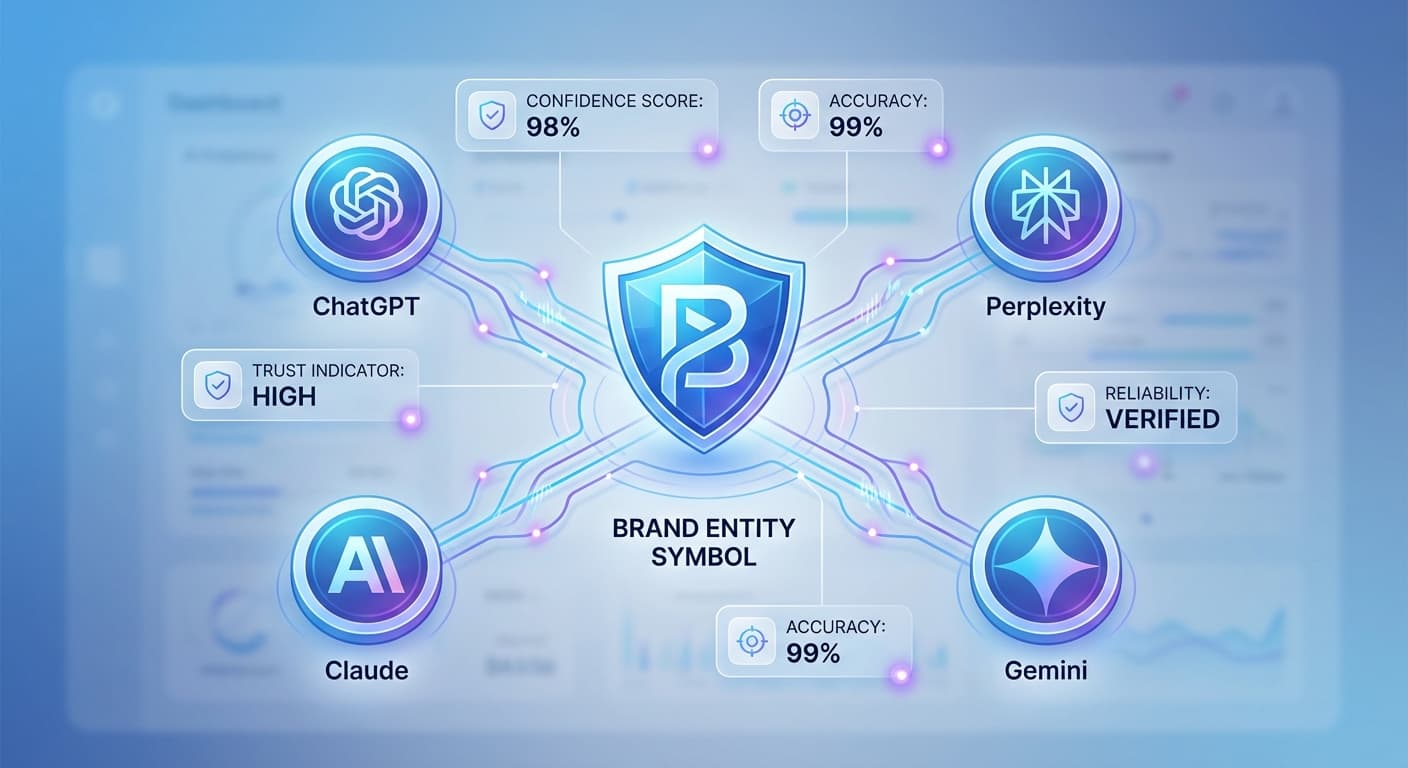
AI agents discover vendors through conversational search queries in ChatGPT, Claude, and Perplexity. Your visibility in these platforms directly impacts whether AI procurement systems even know you exist.
Key Strategies:
Citescope Ai's GEO Score helps identify content gaps that could make you invisible to AI search, analyzing factors like semantic richness and conversational relevance that AI agents prioritize when researching vendors.
3. Develop AI-Readable Vendor Profiles
Create standardized vendor profiles that AI systems can easily evaluate and compare.
Essential Elements:
4. Build Direct AI Integration Channels
Instead of waiting for AI agents to find you, create direct pathways for them to evaluate your solutions.
Implementation Ideas:
Workforce Protection Strategies
Evolving Marketing Roles
Rather than replacing marketing teams entirely, smart organizations are evolving their roles:
From Brand Storytellers to Data Architects: Marketing teams become responsible for structuring and optimizing data that AI agents consume.
From Lead Generation to AI Relationship Management: Focus shifts to maintaining visibility and favorability within AI systems.
From Campaign Management to Algorithm Optimization: Teams optimize for AI discovery and evaluation algorithms rather than human psychology.
New Skill Development Areas
Technical Skills:
Strategic Skills:
Creating Human-AI Hybrid Processes
The most successful teams won't eliminate human oversight but will create efficient human-AI collaboration:
Monitoring and Measuring AI Engagement
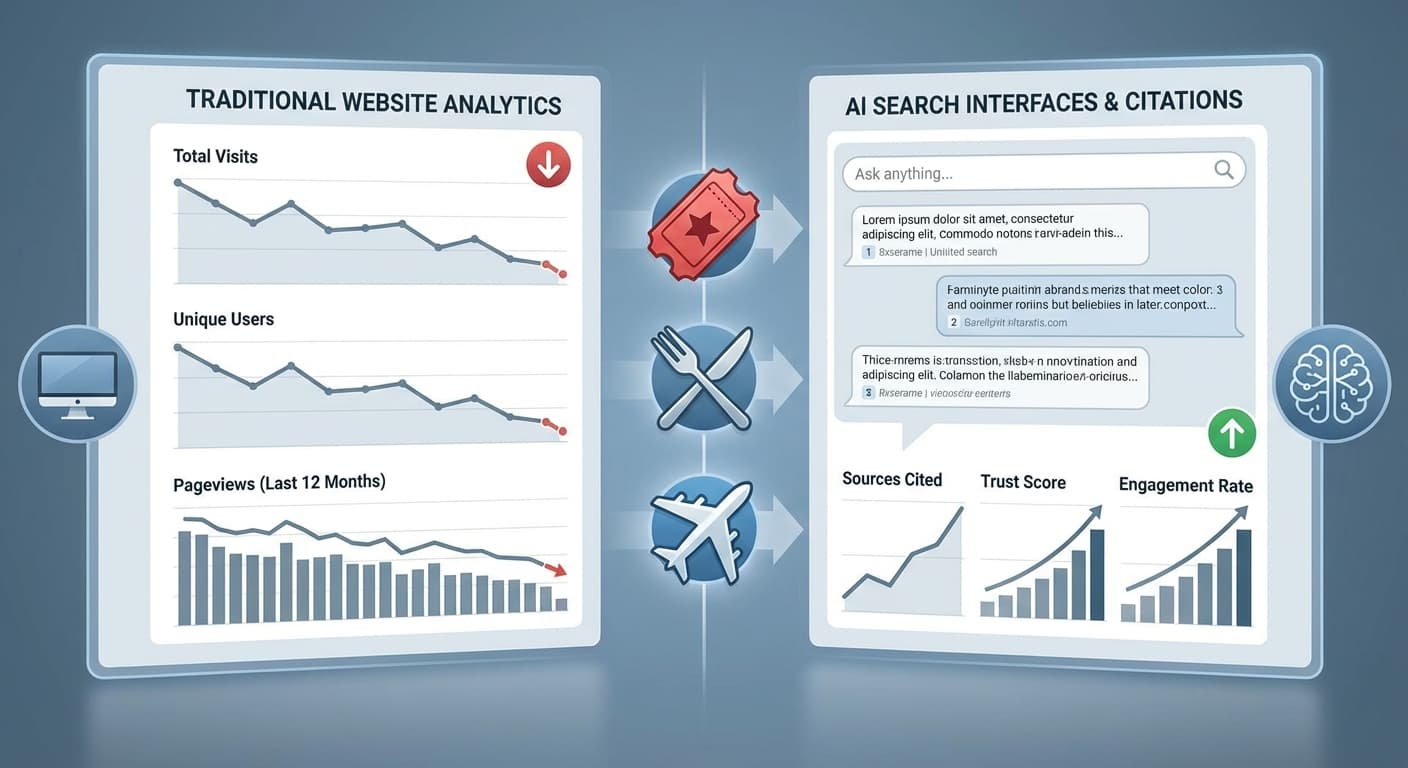
Traditional metrics like website traffic and lead generation become less relevant when AI agents make purchasing decisions. New measurement frameworks focus on:
Preparing for the Autonomous Future
Short-term Actions (Next 6 Months)
Medium-term Initiatives (6-18 Months)
Long-term Strategy (18+ Months)
How Citescope Ai Helps Future-Proof Your Marketing Strategy
As AI agents become the primary researchers and decision-makers in B2B procurement, visibility in AI search engines becomes critical for survival. Citescope Ai provides the tools marketing teams need to adapt:
Rather than replacing marketing teams, Citescope Ai empowers them to evolve their skills and maintain relevance in an AI-driven procurement landscape.
Ready to Optimize for AI Search?
The shift to AI-driven B2B procurement isn't coming—it's already here. Marketing teams that adapt now will maintain their relevance and protect their organizations' competitive position. Those that don't risk becoming invisible in an AI-first buying environment.
Start building your AI visibility today with Citescope Ai's free tier, which includes 3 content optimizations per month. See how your current content performs in AI search engines and get actionable recommendations for improvement. Try Citescope Ai free and ensure your solutions remain discoverable when AI agents start making procurement decisions.