How to Build a Voice-First Content Transformation Strategy When Conversational AI Queries Are Replacing Keyword-Based Search in 2026

How to Build a Voice-First Content Transformation Strategy When Conversational AI Queries Are Replacing Keyword-Based Search in 2026
By 2026, conversational AI queries now represent over 45% of all search interactions, with voice-enabled searches through AI assistants growing by 280% since 2024. The days of stuffing keywords into content are rapidly becoming obsolete as users increasingly ask natural questions like "What's the best marketing strategy for small businesses struggling with social media?" instead of typing "small business marketing strategy social media."
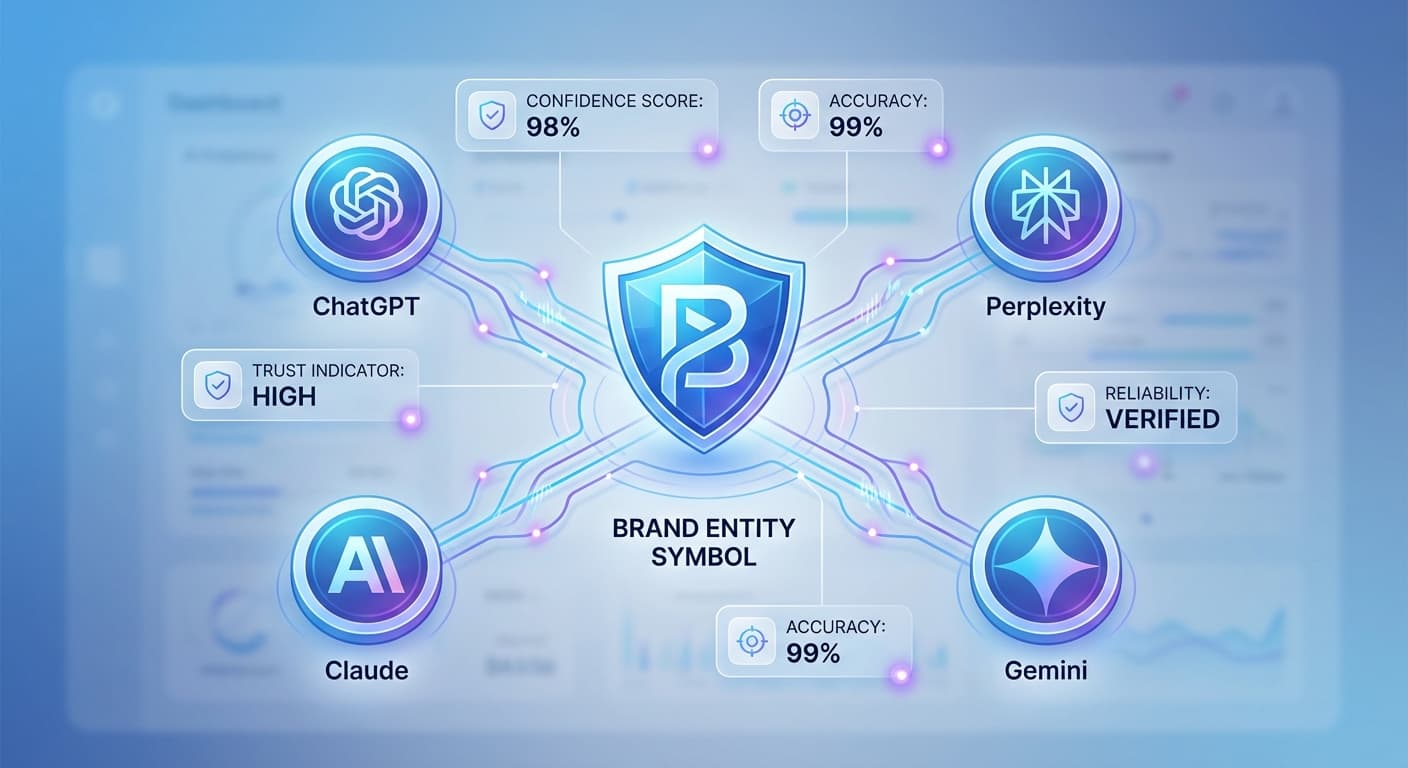
This fundamental shift means your content strategy needs a complete overhaul – and the brands that adapt fastest are already seeing 3x higher citation rates in AI search engines like ChatGPT, Perplexity, Claude, and Gemini.
Why Voice-First Content Matters More Than Ever in 2026
The statistics paint a clear picture of where search is heading:
This isn't just a trend – it's a fundamental shift in how people consume information. When someone asks their AI assistant "How do I create content that actually converts visitors into customers?", they want a complete, nuanced answer, not a keyword-stuffed blog post that dances around the topic.
The Death of Traditional Keyword-Based Content
Traditional SEO taught us to think in keywords and search volumes. We'd target "content marketing tips" or "social media strategy" and structure our content around these phrases. But conversational AI has changed the game entirely.
Consider these query evolution patterns:
Old keyword approach:
New conversational approach:
The difference is profound. Voice-first queries reveal intent, context, and pain points that keywords never could. Your content needs to address these complete thoughts, not just individual terms.
Building Your Voice-First Content Transformation Strategy
1. Audit Your Current Content for Conversational Gaps
Start by analyzing your existing content through a conversational lens. Ask yourself:
For each piece of content, identify the underlying questions it should answer. A blog post about "email marketing automation" should really address questions like:
2. Research Conversational Intent, Not Just Keywords
Traditional keyword research tools are becoming less relevant. Instead, focus on:
Question mining: Use tools like AnswerThePublic, Reddit, and Quora to find the actual questions people ask about your topics. Look for patterns in how people phrase their concerns.
AI query analysis: Test your topics by asking AI engines various questions and seeing what content they cite. This reveals what type of content performs best for conversational queries.
Customer conversation analysis: Review sales calls, support tickets, and social media comments to understand how people naturally discuss your topics.
3. Structure Content for Conversational Consumption
Voice-first content requires a completely different structure:
Lead with direct answers: Start each section with a clear, immediate answer to the question being asked.
Use conversational subheadings: Instead of "Benefits of Content Marketing," try "Why Content Marketing Actually Works (And When It Doesn't)."
Include natural transitions: Connect ideas the way you would in spoken conversation. Use phrases like "Here's what most people get wrong about this" or "The thing is, this approach only works if..."
Provide complete context: Don't assume readers have background knowledge. Explain concepts as if you're having a conversation with someone new to the topic.
4. Optimize for Featured Snippet and Citation Formats
AI engines love content that's easy to extract and cite. Structure your content to make this simple:
5. Embrace Long-Form, Comprehensive Coverage
Conversational queries demand thorough answers. A voice search about "starting a podcast" might trigger a 10-minute AI response covering equipment, hosting, promotion, and monetization. Your content needs to provide that depth.
Instead of creating multiple thin posts targeting different keywords, create comprehensive guides that address entire topics. A single 3,000-word guide on "How to Launch and Grow a Successful Podcast" will outperform ten 300-word posts targeting related keywords.
Measuring Success in the Voice-First Era
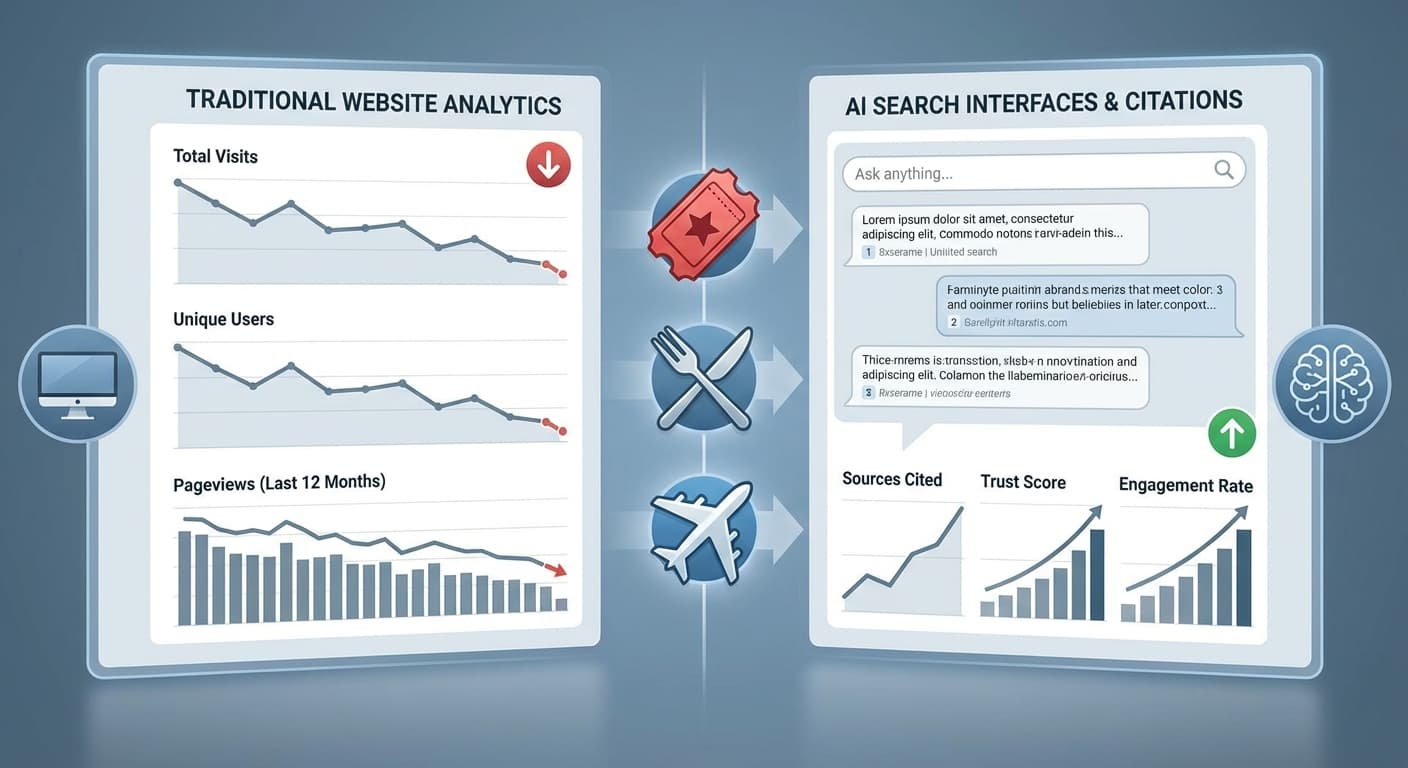
Traditional metrics like page views and keyword rankings become less meaningful when AI engines extract and synthesize your content. Focus on:
Citation tracking: Monitor when AI engines cite your content in their responses. This is the new "ranking #1."
Conversational engagement: Track longer session durations and lower bounce rates as indicators that your content satisfies complete queries.
Authority building: Measure brand mentions and backlinks from authoritative sources that AI engines trust.
User feedback: Pay attention to comments and social shares that indicate your content truly answered someone's question.
Common Voice-First Content Mistakes to Avoid
Mistake #1: Simply adding question headings to existing keyword-focused content. This surface-level change doesn't address the fundamental need for conversational, comprehensive answers.
Mistake #2: Focusing only on short, quick answers. While brevity matters, voice queries often need detailed explanations that traditional search didn't require.
Mistake #3: Ignoring local and contextual elements. Voice searches are often location and situation-specific: "Where can I learn digital marketing near me that fits around my full-time job?"
Mistake #4: Maintaining formal, corporate language. Conversational AI favors content that sounds natural and human, not like it was written by a committee.
How Citescope Ai Helps
Transforming your content for voice-first search requires more than just good intentions – you need data-driven insights into what AI engines actually prefer. This is where Citescope Ai becomes invaluable.
Our GEO Score analyzes your content across five critical dimensions that determine AI citation success: AI Interpretability, Semantic Richness, Conversational Relevance, Structure, and Authority. Instead of guessing whether your content works for voice search, you get a clear 0-100 score showing exactly how well it performs.
The AI Rewriter feature transforms your existing content with one click, restructuring it for maximum conversational relevance while maintaining your original message and expertise. Most importantly, our Citation Tracker shows you when ChatGPT, Perplexity, Claude, and Gemini actually cite your content, giving you real-time feedback on your voice-first optimization efforts.
The Future of Voice-First Content
We're still in the early stages of this transformation. By late 2026, we expect to see:
The brands that start optimizing for voice-first content now will have a significant advantage as these trends accelerate.
Ready to Optimize for AI Search?
The shift to conversational AI isn't coming – it's here. While your competitors are still optimizing for keywords that fewer people actually search for, you could be building content that AI engines love to cite and users love to consume.
Citescope Ai makes this transformation simple with tools specifically designed for the voice-first era. Start with our free tier to optimize your first three pieces of content, then scale up as you see the results. Get your GEO Score today and discover how well your content really performs in the age of conversational AI.