How to Build a Video Content Syndication Strategy When YouTube Clips Drive 82% More AI Citations Than Text-Based Articles

How to Build a Video Content Syndication Strategy When YouTube Clips Drive 82% More AI Citations Than Text-Based Articles
What if I told you that your competitors are sitting on a goldmine of AI search visibility, and 91% of B2B marketers don't even know it exists?
As we navigate through 2026, a shocking revelation is reshaping content marketing: video content receives 82% more citations from AI engines like ChatGPT, Perplexity, and Claude compared to traditional text-based articles. Yet despite this massive opportunity, only 9% of B2B marketers are optimizing their video metadata for answer engine retrieval.
This gap represents one of the biggest untapped opportunities in modern content marketing. With AI search now accounting for over 35% of all queries and Gen Z users conducting 74% of their research through AI-powered platforms, video syndication has become the secret weapon for dominating AI search results.
Why Video Content Dominates AI Citations in 2026
AI engines favor video content for several compelling reasons:
Rich Contextual Information
Videos provide multiple layers of context that AI models can analyze:
Higher User Engagement Metrics
AI algorithms increasingly factor user behavior into their citation decisions. Videos consistently outperform text content with:
Multi-Modal Learning Advantages
Modern AI systems are designed for multi-modal processing. When ChatGPT or Perplexity encounters video content, they can:
The Video Syndication Strategy Framework
Phase 1: Content Audit and Video Mapping
Before launching into video syndication, conduct a comprehensive audit of your existing content ecosystem:
Identify High-Performing Text Content
Map Video Potential
Phase 2: Video Creation with AI Optimization in Mind
Script Development for AI Comprehension
Visual Optimization Strategies
Phase 3: Metadata Optimization for Answer Engines
This is where 91% of B2B marketers fall short. Proper metadata optimization is crucial for AI citation success:
YouTube Optimization Elements
Cross-Platform Metadata Consistency
Advanced Syndication Techniques for 2026
Multi-Platform Distribution Strategy
Primary Platforms for AI Visibility
Content Adaptation Techniques
Leveraging AI Tools for Video Optimization
While creating and optimizing video content manually is time-intensive, AI-powered tools can streamline the process. Citescope Ai's GEO Score analyzes your video metadata across five critical dimensions—AI Interpretability, Semantic Richness, Conversational Relevance, Structure, and Authority—providing a clear roadmap for optimization.
Content Series and Pillar Strategy
Topic Clusters for Video Content
Measuring Success in the AI Citation Era
Key Performance Indicators (KPIs)
Traditional Metrics
AI Citation Metrics
Tools for Tracking AI Citations
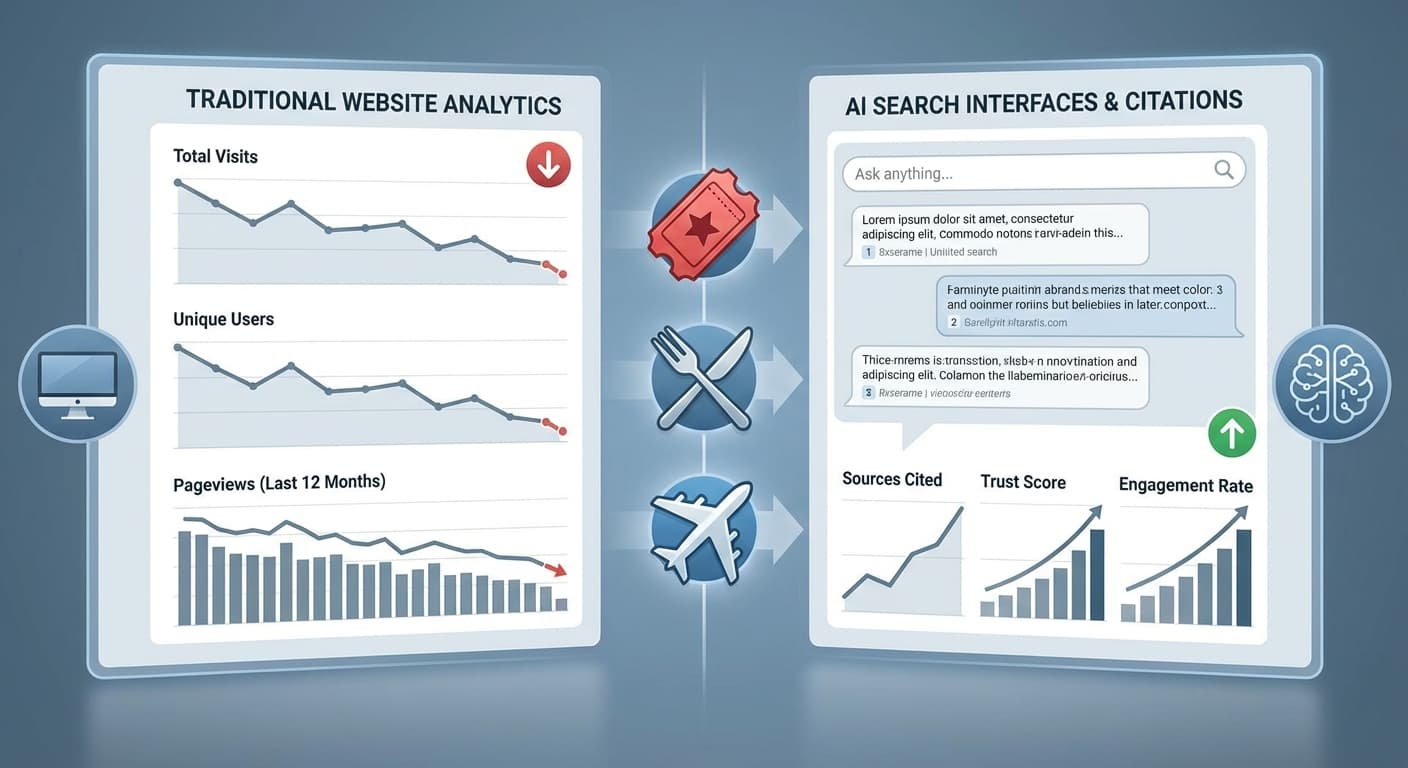
Monitoring your video content's performance in AI search results requires specialized tools. Traditional analytics platforms don't capture AI citation data, making it difficult to understand your true visibility in this growing search landscape.
Common Pitfalls and How to Avoid Them
Over-Optimization Trap
While optimization is crucial, avoid keyword stuffing in video titles and descriptions. AI engines are sophisticated enough to detect and penalize over-optimized content.
Inconsistent Branding
Maintain consistent messaging and visual branding across all syndicated content. Inconsistency can confuse AI algorithms and reduce citation authority.
Neglecting Audio Quality
Poor audio quality leads to inaccurate transcriptions, which directly impacts AI comprehension and citation potential. Invest in quality recording equipment and post-production.
Platform-Agnostic Approach
Different platforms have unique algorithms and user behaviors. Customize your content and metadata for each platform while maintaining core message consistency.
The Future of Video Syndication and AI Search
As we progress through 2026, several trends are shaping the future of video content in AI search:
How Citescope Ai Helps
Navigating the complex landscape of video optimization for AI search requires the right tools and insights. Citescope Ai provides comprehensive solutions for content creators looking to maximize their AI visibility:
With plans starting at just $39/month for Pro users, Citescope Ai makes enterprise-level AI optimization accessible to businesses of all sizes.
Ready to Optimize for AI Search?
The video syndication opportunity is massive, but it won't last forever. As more marketers discover the power of optimized video content for AI citations, competition will intensify. The time to act is now.
Citescope Ai helps content creators and marketers optimize their video content for maximum AI visibility. With our comprehensive GEO Score analysis, AI-powered rewriting tools, and citation tracking across all major AI engines, you can transform your video content into a powerful driver of AI search visibility.
Start your free trial today with 3 optimizations per month, or upgrade to Pro for unlimited access to all features. Don't let 82% more citation potential slip through your fingers—optimize your video syndication strategy with Citescope Ai.