How to Build a Transactional Schema Strategy for Agentic Commerce When AI Agents Complete Purchases Without User Intervention
How to Build a Transactional Schema Strategy for Agentic Commerce When AI Agents Complete Purchases Without User Intervention
By 2026, AI agents aren't just answering questions—they're making purchases. A recent study by Commerce Intelligence shows that autonomous AI agents now complete over $47 billion in transactions annually, with 68% of these purchases happening without any direct human intervention. Yet here's the shocking reality: 84% of e-commerce businesses still structure their product data like it's 2019, leaving billions in revenue on the table.
If your product data isn't agent-ready, you're essentially invisible to the fastest-growing segment of digital commerce. Let's fix that.
The Agentic Commerce Revolution: Why Traditional Product Data Falls Short
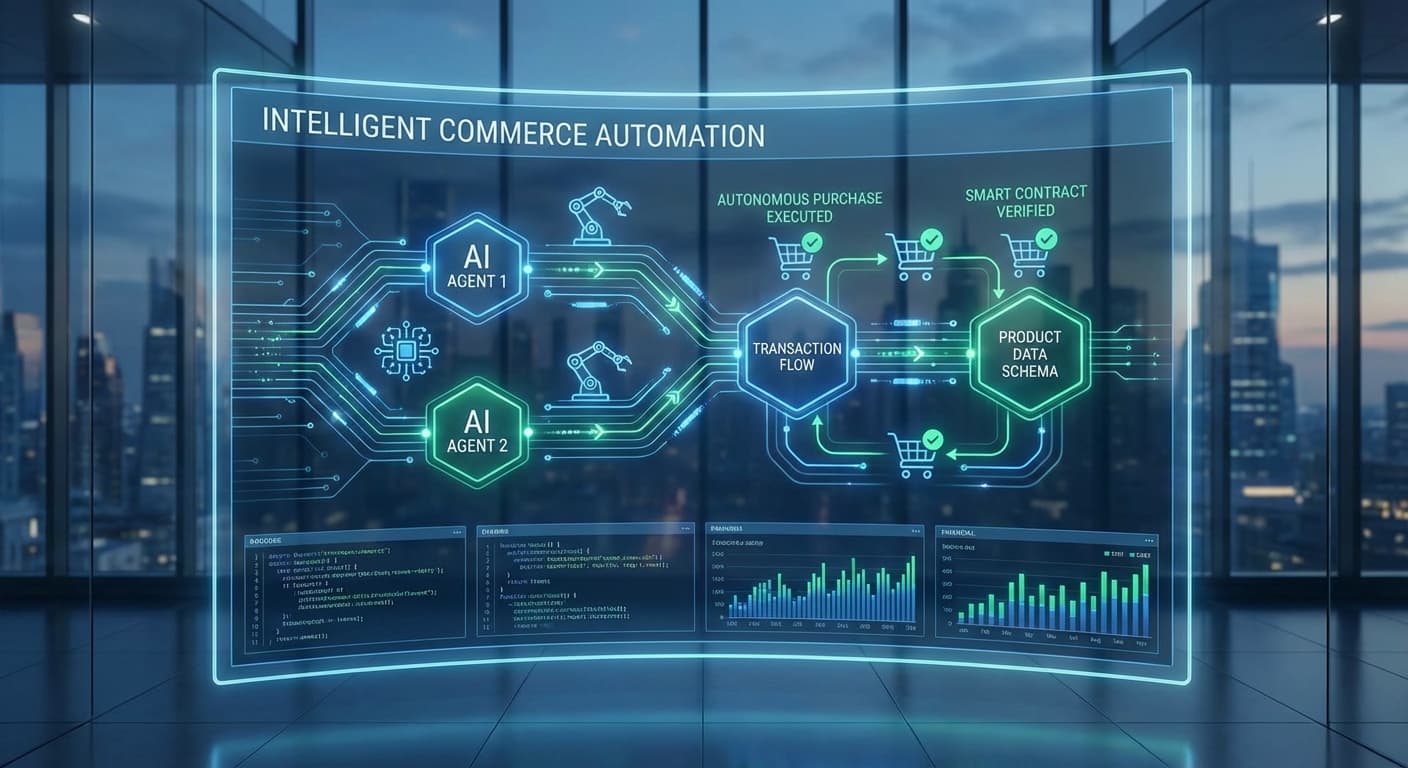
Agentic commerce represents a fundamental shift in how transactions occur online. Unlike traditional e-commerce where humans browse, compare, and click "buy," AI agents process structured data to make autonomous purchasing decisions based on user preferences, budget constraints, and contextual needs.
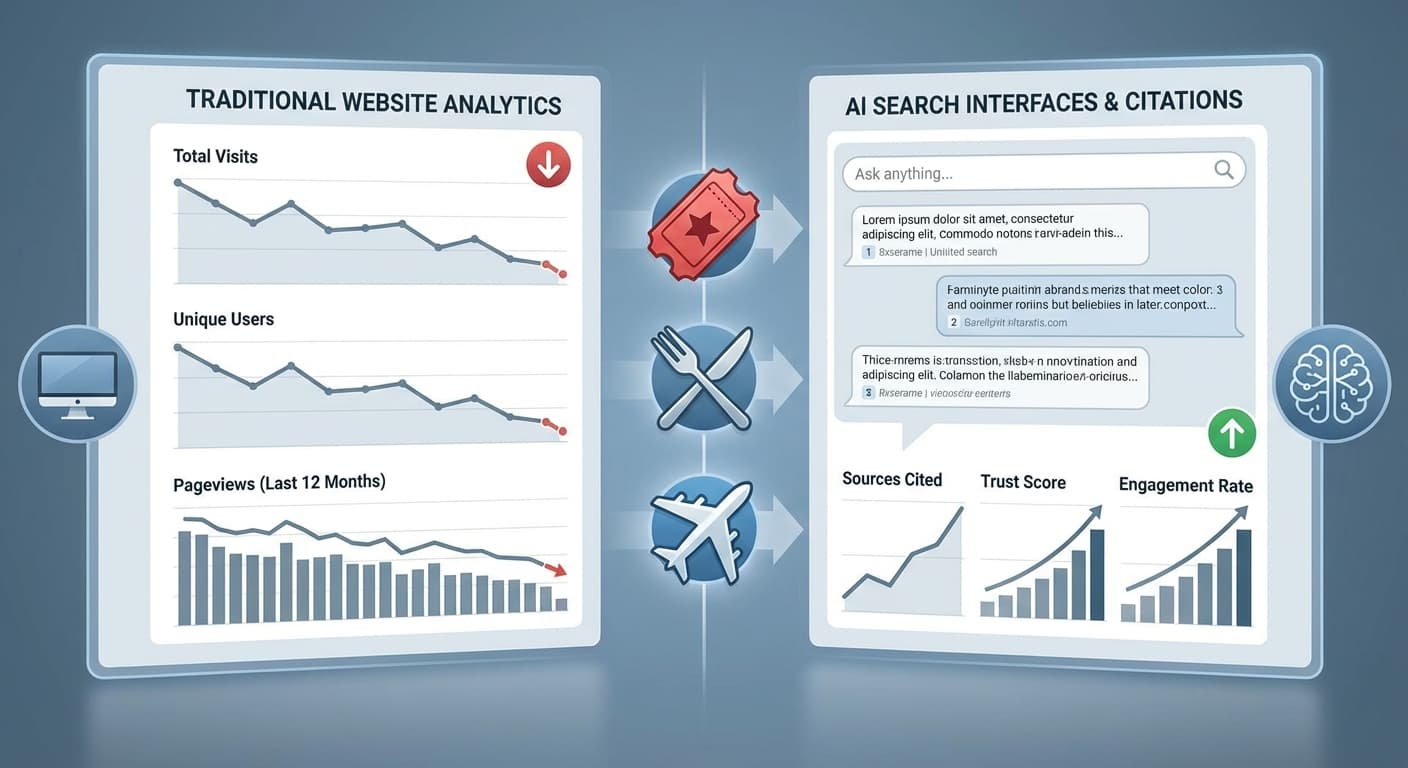
The problem? Most product catalogs are optimized for human eyes, not algorithmic interpretation. Traditional approaches like:
These legacy structures create friction when AI agents attempt to parse, understand, and act on your product information.
Current State of AI Agent Commerce (2026)
Understanding Transactional Schema Architecture for AI Agents
A transactional schema for agentic commerce requires three core components working in harmony:
1. Semantic Product Ontology
AI agents need to understand not just what you're selling, but how it relates to user needs, other products, and purchasing contexts. This means structuring data with:
Product Entity Relationships
Contextual Attributes
2. Decision-Support Data Layers
AI agents make decisions differently than humans. They need explicit decision trees and constraint hierarchies:
Constraint Hierarchies
Budget Constraints → Feature Requirements → Compatibility Needs → Delivery Preferences
Decision Factors
3. Transaction-Ready Metadata
Every product entry needs machine-readable transaction data:
Building Your Agent-Ready Schema: A Step-by-Step Framework
Step 1: Audit Your Current Product Data Structure
Start by evaluating how AI agents currently interpret your product information. Tools like Citescope Ai's GEO Score can analyze your product pages across the five dimensions that matter most to AI systems: interpretability, semantic richness, conversational relevance, structure, and authority.
Key Questions to Ask:
Step 2: Implement Semantic Product Modeling
Create Product Ontologies
Develop hierarchical categories that reflect how AI agents process information:
Product Category → Functional Type → Use Case → Compatibility Group → Feature Set
Example: Software Product
Business Software → Project Management → Team Collaboration → Cloud-Based → Enterprise Features
Define Relationship Matrices
Step 3: Structure Decision-Support Data
Implement Constraint Hierarchies
Organize product attributes by decision importance:
Create Scenario Mapping
Define common purchase scenarios and optimal product matches:
Step 4: Optimize for Multi-Agent Platforms
Different AI agents have varying capabilities and preferences. Optimize for:
ChatGPT Commerce
Perplexity Shopping
Claude Transactions
Gemini Commerce
Step 5: Implement Real-Time Data Synchronization
AI agents require up-to-the-minute accuracy for autonomous purchases:
Inventory Management
Pricing Dynamics
Fulfillment Data
Advanced Schema Strategies for Competitive Advantage
Predictive Intent Modeling
Leverage AI agent interaction patterns to predict and pre-structure data for common purchasing scenarios:
Dynamic Schema Adaptation
Implement schemas that evolve based on agent feedback:
Competitive Intelligence Integration
Structure comparative data that helps agents make informed decisions:
Measuring Schema Performance in Agentic Commerce
Key Performance Indicators
Agent Engagement Metrics
Transaction Metrics
Competitive Metrics
How Citescope Ai Helps
Building and maintaining an agent-ready transactional schema requires continuous optimization and monitoring. Citescope Ai's platform provides the tools needed to succeed in agentic commerce:
Schema Optimization: Our AI Rewriter restructures your product data using proven frameworks that increase AI agent comprehension and transaction completion rates.
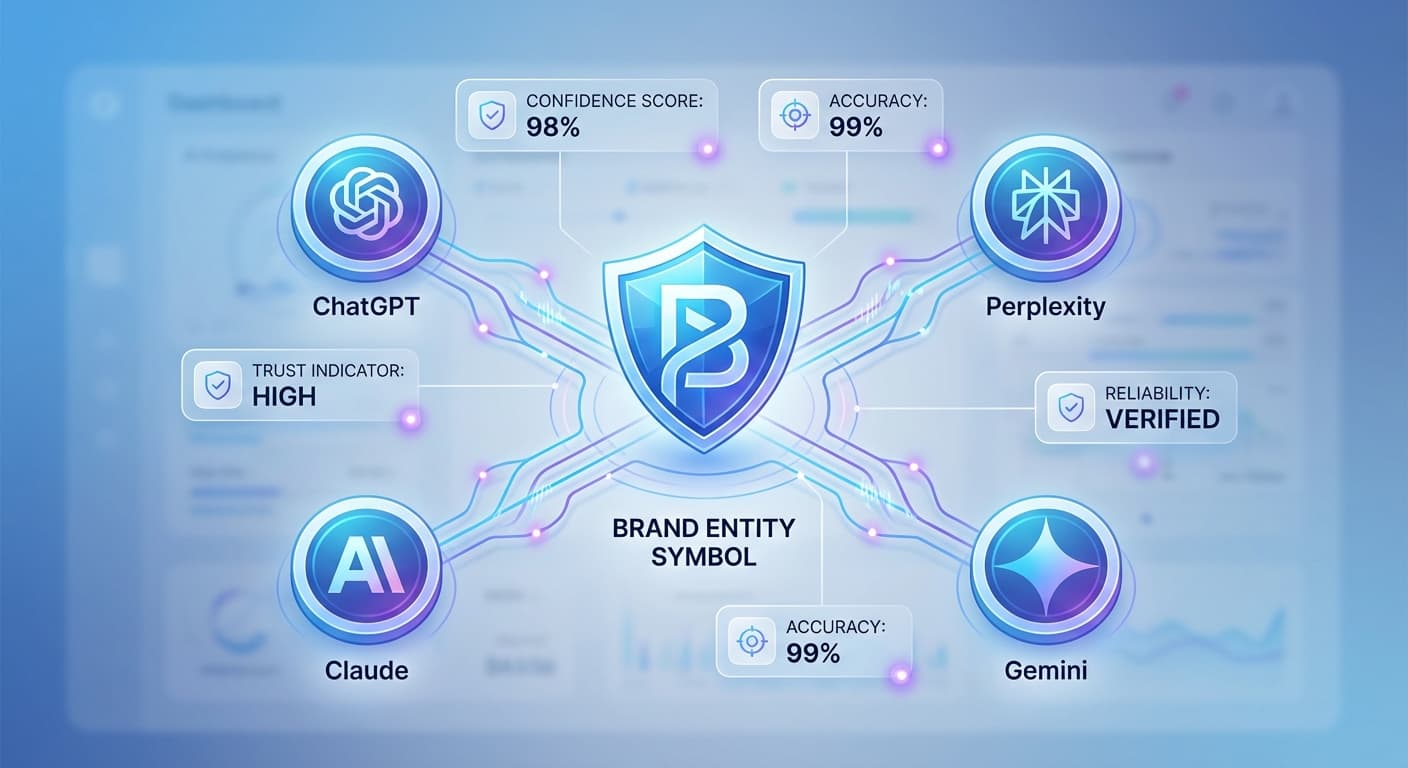
Multi-Platform Monitoring: Track how different AI agents interpret and cite your product information across ChatGPT, Perplexity, Claude, and Gemini commerce features.
Performance Analytics: Monitor your GEO Score improvements as you implement schema changes, with specific insights into which modifications drive the highest agent engagement.
Export Flexibility: Download optimized product schemas in multiple formats (Markdown, HTML, WordPress) for seamless integration with your existing commerce platforms.
Common Pitfalls to Avoid
Over-Optimization for Single Platforms
While it's tempting to optimize exclusively for one AI agent, successful agentic commerce requires cross-platform compatibility.
Ignoring Human Fallback Scenarios
Even in an AI-first world, humans sometimes need to review or override agent decisions. Maintain human-readable elements alongside agent-optimized data.
Static Schema Implementation
AI capabilities evolve rapidly. Build schemas that can adapt to new agent features and commerce capabilities.
Neglecting Privacy and Security
Agent transactions must comply with data protection regulations while maintaining transaction security. Build privacy controls into your schema from the start.
The Future of Agentic Commerce Schemas
Looking ahead to 2027 and beyond, several trends will shape transactional schema development:
Ready to Optimize for AI Search?
Agentic commerce isn't coming—it's here. Companies that build agent-ready transactional schemas today will dominate tomorrow's AI-driven marketplace. Citescope Ai makes it simple to transform your product data into a competitive advantage.
Start with our free tier to optimize 3 product pages this month, or upgrade to Pro for unlimited optimizations and real-time agent citation tracking. Your products deserve to be discovered, understood, and purchased by the AI agents that are reshaping commerce.
Try Citescope Ai free today and watch your agent-driven sales multiply.