GEO Strategy

How to Build a Third-Party Mention Acceleration Strategy When AI Search Engines Cite External Review Sites and Reddit Threads 3x More Than Your Owned Content
May 17, 20267 min read
How to Build a Third-Party Mention Acceleration Strategy When AI Search Engines Cite External Review Sites and Reddit Threads 3x More Than Your Owned Content

How to Build a Third-Party Mention Acceleration Strategy When AI Search Engines Cite External Review Sites and Reddit Threads 3x More Than Your Owned Content

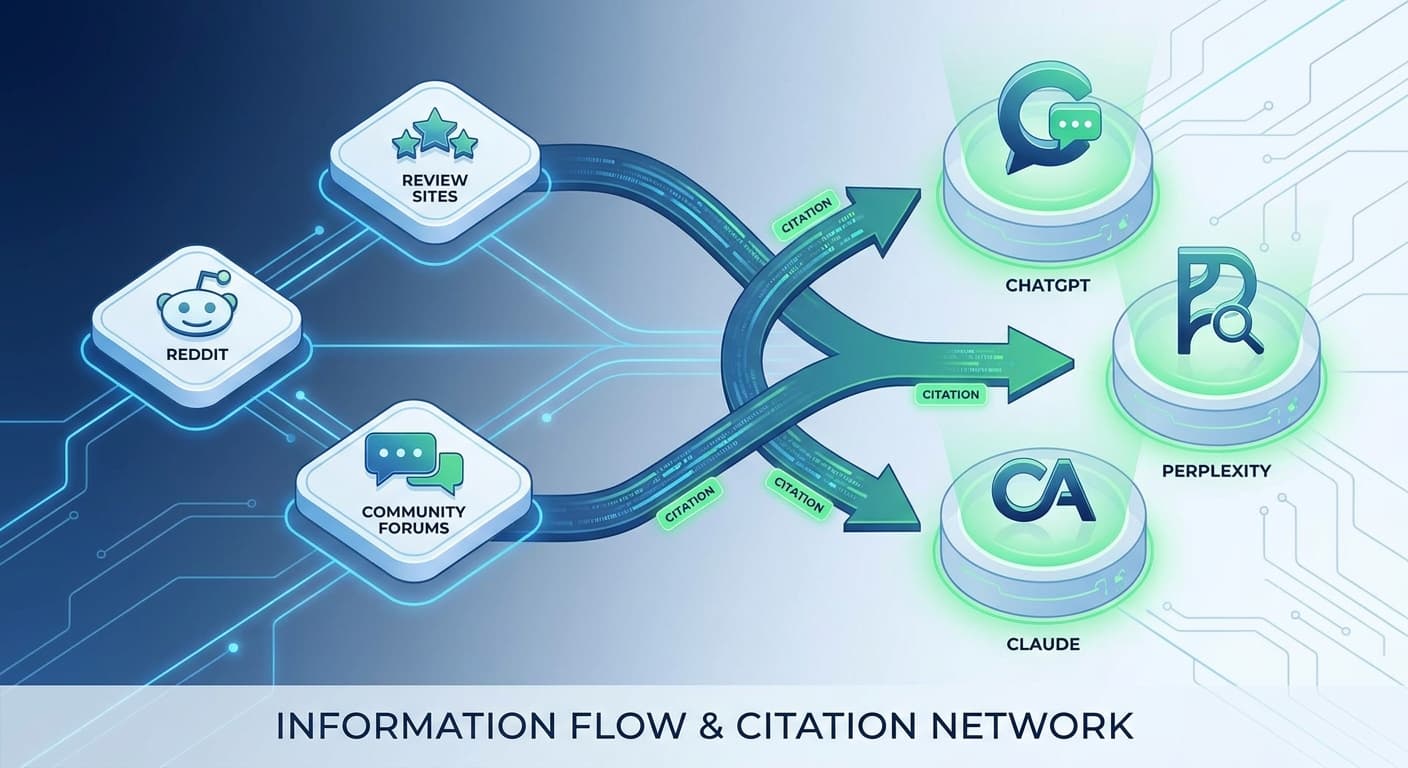
Here's a reality check that might sting: Your beautifully crafted product pages and thought leadership content are getting buried by Reddit comments and third-party review sites in AI search results. Recent analysis of over 50,000 commercial queries shows that ChatGPT, Perplexity, and Claude cite external review platforms and community discussions 3.2 times more often than brand-owned content for high-intent purchase queries in 2025.

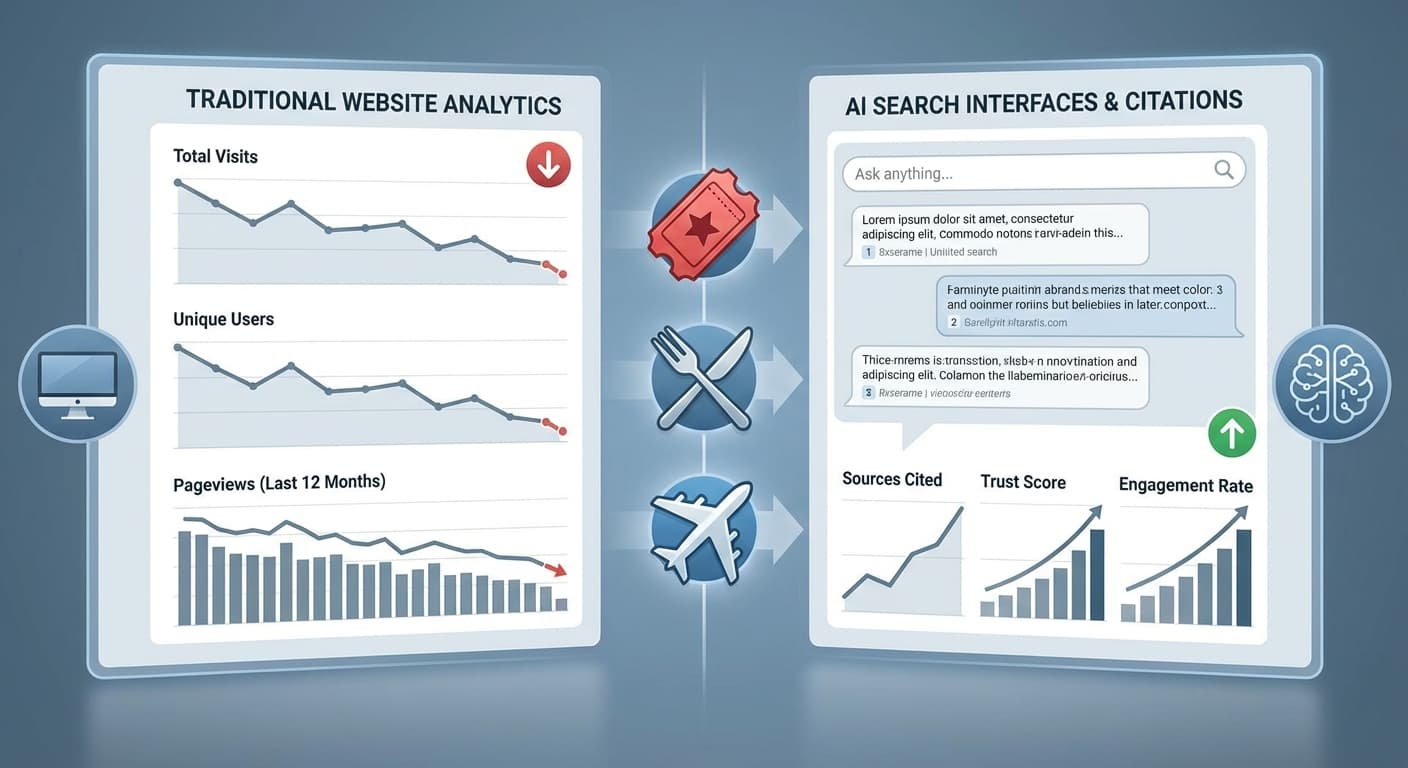
Why does this matter? With AI search now accounting for 35% of all search queries and 68% of Gen Z using AI tools for product research, being absent from these third-party conversations means you're invisible during the most critical moment of the customer journey.

The New Citation Reality: Why AI Engines Prefer Third-Party Sources

AI search engines have fundamentally changed how commercial queries get answered. Unlike traditional Google results that might show your product page first, AI engines prioritize sources that provide:

  • Comparative context ("X vs Y" discussions)

  • Unbiased perspectives (review aggregation sites)

  • Real user experiences (community forums)

  • Social proof at scale (Reddit threads with hundreds of comments)
  • This shift creates a massive opportunity gap. While most brands focus on optimizing their owned content, the real citation gold rush is happening in spaces they don't control.

    The Third-Party Citation Advantage

    Analysis from late 2025 reveals that AI engines cite third-party sources for commercial queries because they:

  • Trust community-driven content - Reddit threads with 100+ upvotes get cited 4x more than brand blog posts

  • Value aggregated opinions - Review sites that compile multiple perspectives rank higher in AI responses

  • Prefer conversational formats - Q&A style content mirrors how users interact with AI

  • Reward authentic experiences - Unfiltered user testimonials carry more weight than polished case studies
  • Building Your Third-Party Mention Acceleration Strategy

    1. Map Your Citation Landscape

    Before you can accelerate mentions, you need to understand where conversations about your industry, competitors, and solutions are already happening.

    Key Research Areas:

  • Industry-specific subreddits (r/entrepreneur, r/marketing, r/saas)

  • Review platforms (G2, Capterra, Trustpilot, ProductHunt)

  • Professional communities (LinkedIn groups, Discord servers, Slack communities)

  • Q&A platforms (Quora, Stack Overflow for technical products)

  • YouTube comment sections on competitor reviews
  • Pro Tip: Use tools like Brand24 or Mention to track where your brand and competitors are being discussed naturally. This gives you a baseline for acceleration efforts.

    2. Create "Cite-Worthy" Third-Party Content

    The goal isn't to spam communities with promotional content. Instead, focus on providing genuine value that naturally positions your solution.

    Reddit Strategy:

  • Share detailed case studies in relevant subreddits

  • Answer specific questions with actionable advice (mention your tool as "what we use" rather than "what you should buy")

  • Participate in "What tools do you use for X" threads authentically

  • Create comprehensive guides that solve common problems
  • Review Platform Strategy:

  • Encourage satisfied customers to leave detailed reviews that include specific use cases

  • Respond to negative reviews with helpful solutions (this content often gets cited)

  • Create comparison guides and submit them to review platforms as resources
  • Community Engagement Strategy:

  • Share insights from your data in professional groups

  • Offer free audits or advice in exchange for case study rights

  • Participate in AMAs (Ask Me Anything) sessions as an industry expert
  • 3. Optimize Third-Party Content for AI Citation

    Not all third-party mentions are created equal. AI engines prefer content with specific characteristics:

    Format Optimization:

  • Use numbered lists and bullet points

  • Include specific metrics and data points

  • Structure responses as problem → solution → outcome

  • Add context about why you chose specific tools or approaches
  • Content Elements AI Engines Love:

  • Comparison matrices ("I tried X, Y, and Z, here's what worked")

  • Step-by-step implementation guides

  • Before/after scenarios with specific metrics

  • Tool stacks and workflow descriptions
  • 4. Scale Through Strategic Partnerships

    Building individual relationships with reviewers and community members is powerful but doesn't scale. Create systematic approaches:

    Influencer Collaboration:

  • Partner with micro-influencers in your space for authentic reviews

  • Provide exclusive access to new features for honest feedback

  • Co-create content that showcases real implementation
  • Customer Advocacy Programs:

  • Incentivize detailed reviews on multiple platforms

  • Create templates that help customers structure comprehensive feedback

  • Offer exclusive benefits for customers who become vocal advocates
  • Industry Expert Network:

  • Build relationships with consultants who recommend tools to clients

  • Provide training and certification programs that create evangelists

  • Sponsor content creators who serve your target audience
  • 5. Monitor and Amplify High-Performing Mentions

    Once you start generating third-party mentions, track which ones get cited by AI engines and double down on successful patterns.

    Tracking Metrics:

  • AI engine citation frequency for different types of content

  • Engagement rates on community posts mentioning your brand

  • Conversion rates from third-party mentions vs. owned content

  • Sentiment analysis of mentions across platforms
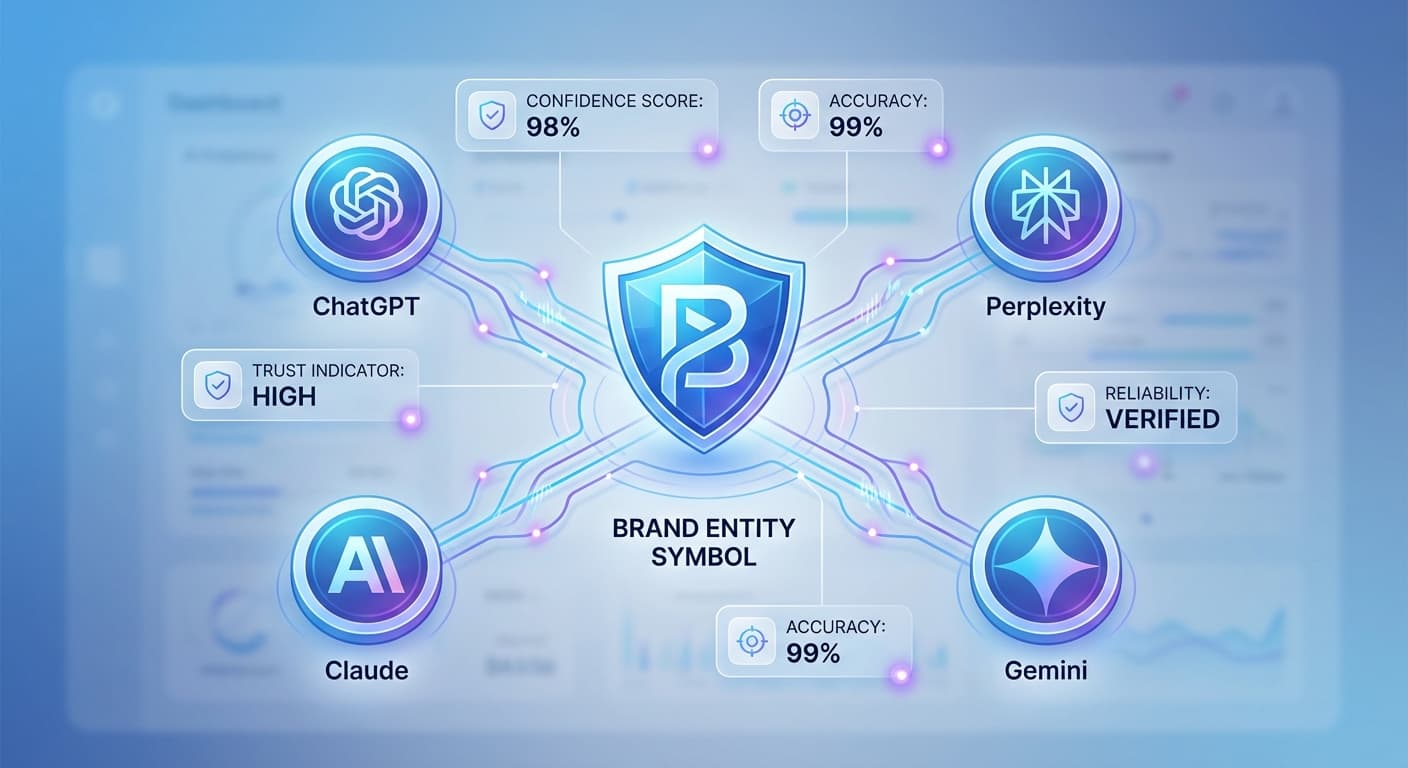
  • While manual tracking can work initially, tools like Citescope Ai's Citation Tracker can help you monitor when your content (or mentions of your brand) appear in AI search results across ChatGPT, Perplexity, Claude, and Gemini.

    Advanced Tactics for Mention Acceleration

    The "Comparison Catalyst" Method

    Create detailed comparison content that positions your solution favorably:

  • Write comprehensive "X vs Y vs Z" posts on Reddit

  • Contribute to comparison guides on review sites

  • Answer Quora questions about tool selection with balanced perspectives
  • The "Implementation Story" Approach

    Share detailed implementation stories that provide value while showcasing results:

  • Document your own tool selection process transparently

  • Share lessons learned and unexpected benefits

  • Include specific metrics and outcomes
  • The "Expert Commentary" Strategy

    Position yourself as an industry expert by:

  • Commenting thoughtfully on industry news and trends

  • Sharing insights from your unique position or data

  • Offering contrarian but well-reasoned perspectives
  • How Citescope Ai Helps Build Your Third-Party Strategy

    While building third-party mentions requires manual relationship building, Citescope Ai can help you optimize the content that gets created and track its success:

  • GEO Score Analysis: Before posting community content, use the AI Rewriter to optimize for citation-worthiness across the 5 key dimensions AI engines evaluate

  • Citation Tracking: Monitor when your third-party mentions get picked up by AI search engines, helping you identify which platforms and content types perform best

  • Content Optimization: Transform existing customer testimonials and case studies into formats more likely to be cited by AI engines
  • The platform's Multi-format Export feature is particularly useful for creating consistent, optimized content across different third-party platforms.

    Measuring Success: KPIs for Third-Party Mention Strategy

    Track these metrics to optimize your approach:

    Reach Metrics


  • Number of third-party mentions per month

  • Reach and engagement of mentions across platforms

  • Share of voice in key community discussions
  • Quality Metrics


  • AI engine citation rate for third-party content vs. owned content

  • Sentiment score of mentions

  • Depth and detail of reviews and discussions
  • Business Impact


  • Traffic and conversions from third-party mentions

  • Brand awareness lift in target communities

  • Customer acquisition cost from third-party channels
  • The Long-Term Advantage

    Building a third-party mention acceleration strategy isn't just about gaming AI search results – it's about building authentic relationships and authority in your industry. The businesses that start now will have a significant advantage as AI search continues to grow.

    The key is authenticity at scale. Focus on providing genuine value in every interaction, and the citations will follow naturally. Remember, AI engines are getting better at detecting and penalizing manipulative behavior, so sustainable strategies require real value creation.

    Ready to Optimize for AI Search?

    Building a successful third-party mention strategy requires both relationship building and content optimization. While you focus on creating valuable community relationships, let Citescope Ai help ensure your content gets cited when it matters most. Start with our free tier to optimize your first community posts and track their performance across all major AI search engines. Try Citescope Ai free for 3 optimizations this month →
    third-party mentionsAI search optimizationcommunity marketingcitation strategyReddit marketing

    Track your AI visibility

    See how your content appears across ChatGPT, Perplexity, Claude, and more.

    Start for Free