How to Build a Semantic Answer Stability Tracker When AI Overviews Change Recommendations Daily
How to Build a Semantic Answer Stability Tracker When AI Overviews Change Recommendations Daily
In 2026, AI search engines process over 2 billion queries daily, with ChatGPT alone handling 500 million weekly active users. But here's the shocking reality: your content's position in AI-generated answers can shift dramatically within hours, not days. One minute you're the primary source for "best CRM software," and the next, your competitor has taken the spotlight—all without a single algorithm update announcement.
This volatility isn't a bug; it's a feature of how modern AI systems continuously learn and adapt. Unlike traditional search rankings that might fluctuate weekly, AI answer positions can change with each new interaction, making traditional SEO tracking obsolete.
Why Traditional Tracking Falls Short in the AI Era
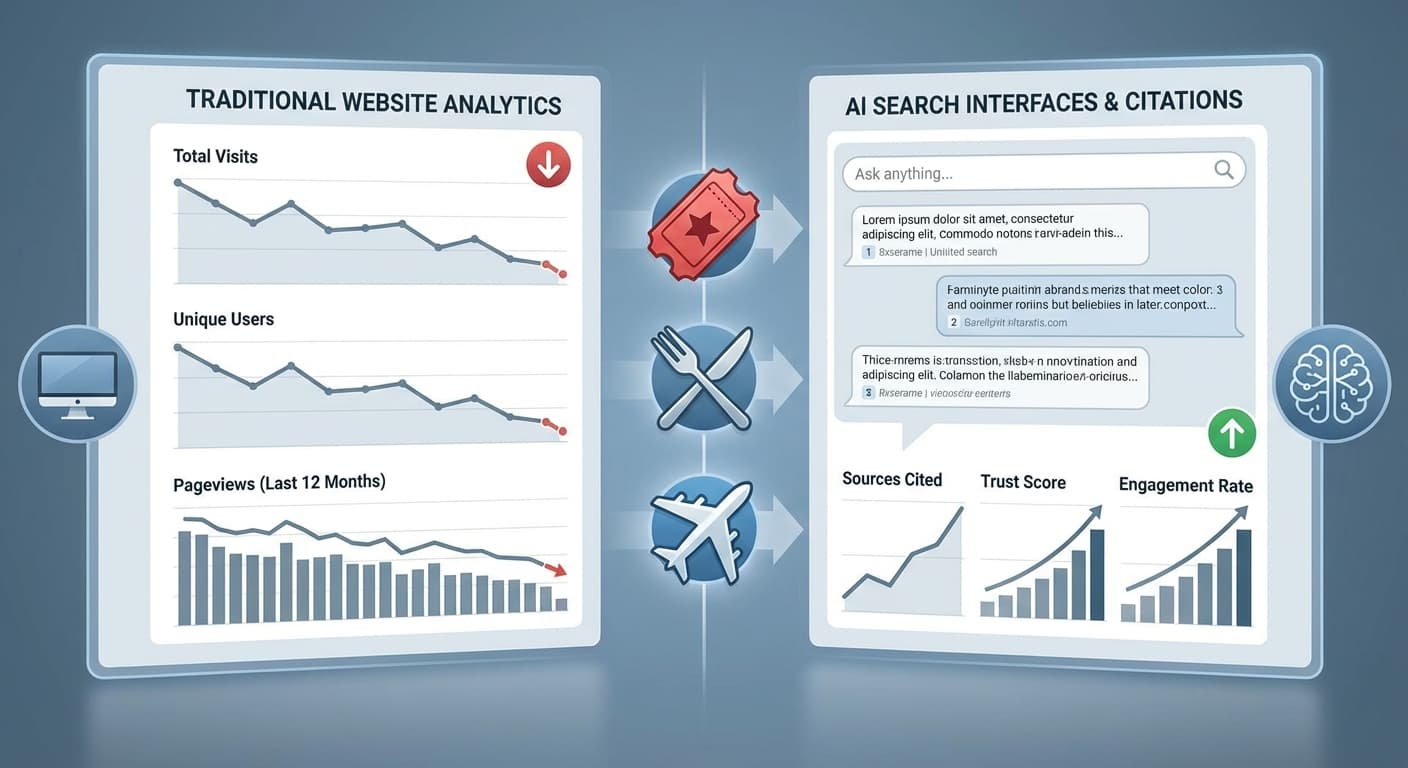
Traditional SEO tools were built for a world where Google's algorithm updates happened monthly, not hourly. They track keyword rankings, not semantic positioning. They measure clicks, not citations. In 2026's AI-first search landscape, these metrics tell only half the story.
Consider this: When someone asks ChatGPT "What's the best project management tool for remote teams?" the AI doesn't just look at your keyword density or backlink profile. It evaluates:
Your content might rank #1 on Google but never get mentioned in AI answers—or vice versa.
The Components of an Effective Semantic Answer Tracker
1. Multi-Engine Monitoring
Don't put all your eggs in one AI basket. In 2026, the AI search landscape includes:
Each engine has different citation preferences and answer formats. What works for ChatGPT might not resonate with Perplexity's real-time web integration.
2. Query Variation Testing
AI engines respond differently to query variations. Your tracker should monitor:
3. Citation Position Analysis
Track not just whether you're cited, but how:
4. Temporal Stability Measurement
Measure how stable your citations are over time:
Building Your Tracking Infrastructure
Step 1: Define Your Query Universe
Start by mapping the questions your audience asks. Use tools like:
Aim for 50-100 core queries that represent your expertise areas.
Step 2: Establish Baseline Measurements
For each query, document:
Step 3: Set Up Automated Monitoring
While manual checking isn't scalable, you can:
Step 4: Implement Response Protocols
When your tracker detects changes:
Immediate Actions (within 24 hours):
Short-term Response (within 1 week):
Advanced Tracking Strategies
Semantic Clustering Analysis
Group your tracked queries by semantic similarity. If you lose citations across an entire cluster, it suggests a systematic issue with how AI engines interpret your expertise in that area.
Competitive Intelligence Integration
Track not just your performance, but your competitors'. Understanding who gains citations when you lose them reveals market dynamics and content gaps.
Content Performance Correlation
Connect citation tracking to your content metrics:
User Intent Mapping
Different query intents require different tracking approaches:
Common Tracking Pitfalls to Avoid
Over-Reliance on Single Metrics
Don't obsess over citation frequency alone. A single high-quality citation in a comprehensive answer might be worth more than multiple mentions in superficial responses.
Ignoring Context Changes
AI engines constantly update their training data. A citation loss might not reflect your content quality but rather the engine's evolving understanding of a topic.
Short-Term Thinking
Daily fluctuations are normal. Focus on weekly and monthly trends rather than panicking over hourly changes.
How Citescope Ai Simplifies Answer Stability Tracking
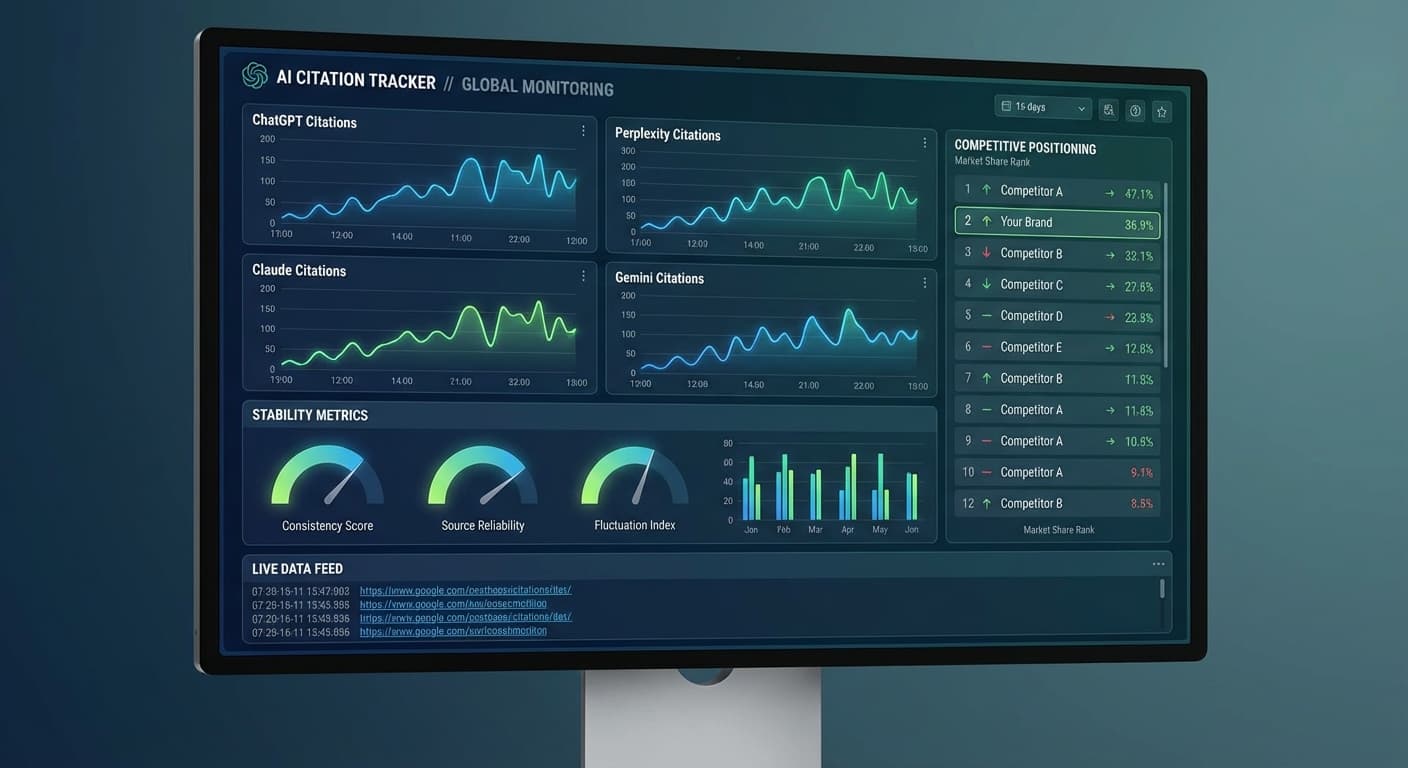
Building a comprehensive semantic answer tracker from scratch requires significant technical resources and ongoing maintenance. Citescope Ai streamlines this process by:
The platform's Citation Tracker feature eliminates the need for manual monitoring while providing deeper insights than basic keyword tracking tools.
Measuring Success Beyond Citations
Quality Metrics
Business Impact Metrics
Long-term Positioning Metrics
The Future of Answer Stability Tracking
As AI search continues evolving, expect:
Ready to Optimize for AI Search?
Building and maintaining a semantic answer stability tracker requires significant resources and expertise. Citescope Ai eliminates the complexity by providing enterprise-grade tracking and optimization tools in an easy-to-use platform. Start with our free tier to track up to 3 content pieces monthly, or upgrade to Pro ($39/month) for comprehensive monitoring across all major AI search engines. Don't let daily fluctuations catch you off guard—get started with Citescope Ai today and maintain your competitive edge in the AI search landscape.