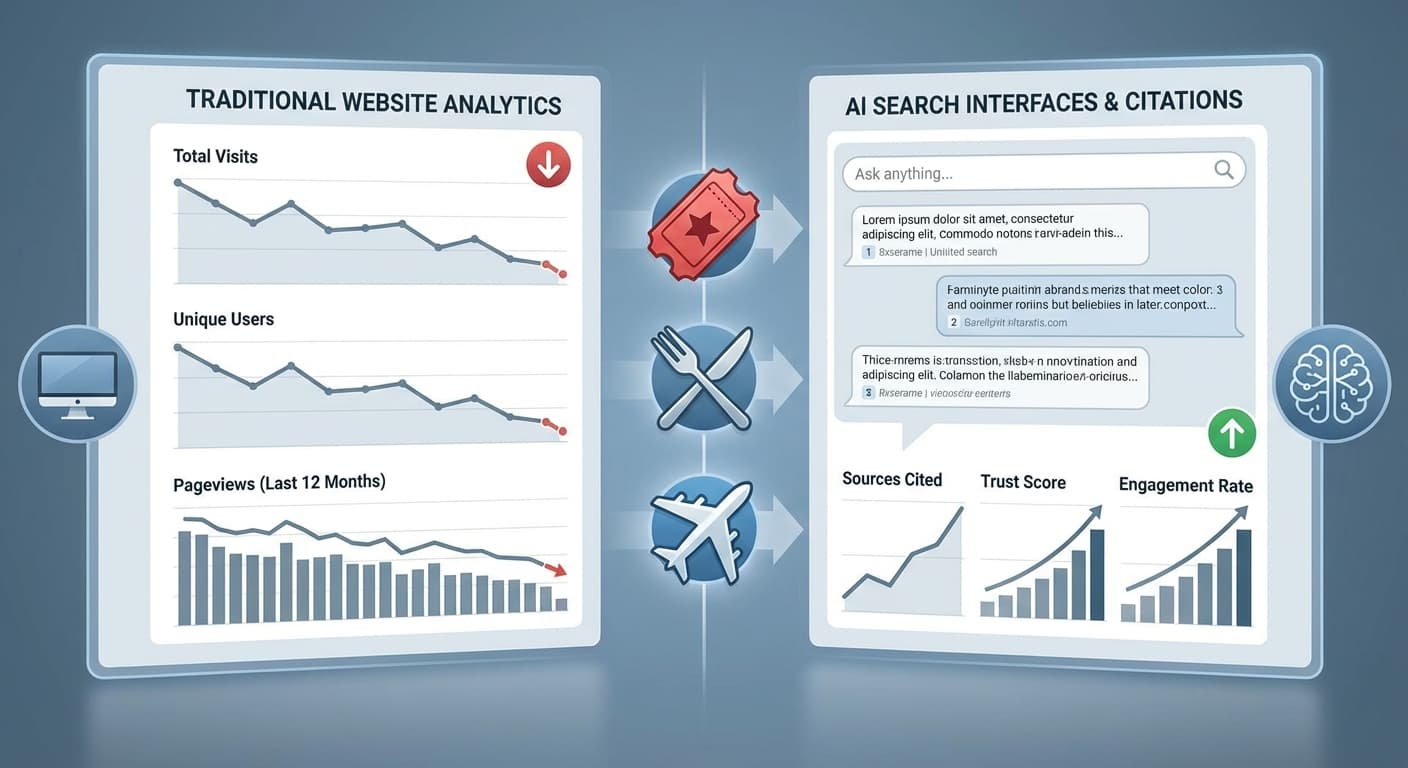
How to Build a Schema Markup Deprecation Strategy When Google Phases Out 18 Structured Data Types for AI-Native Entity Extraction in 2026
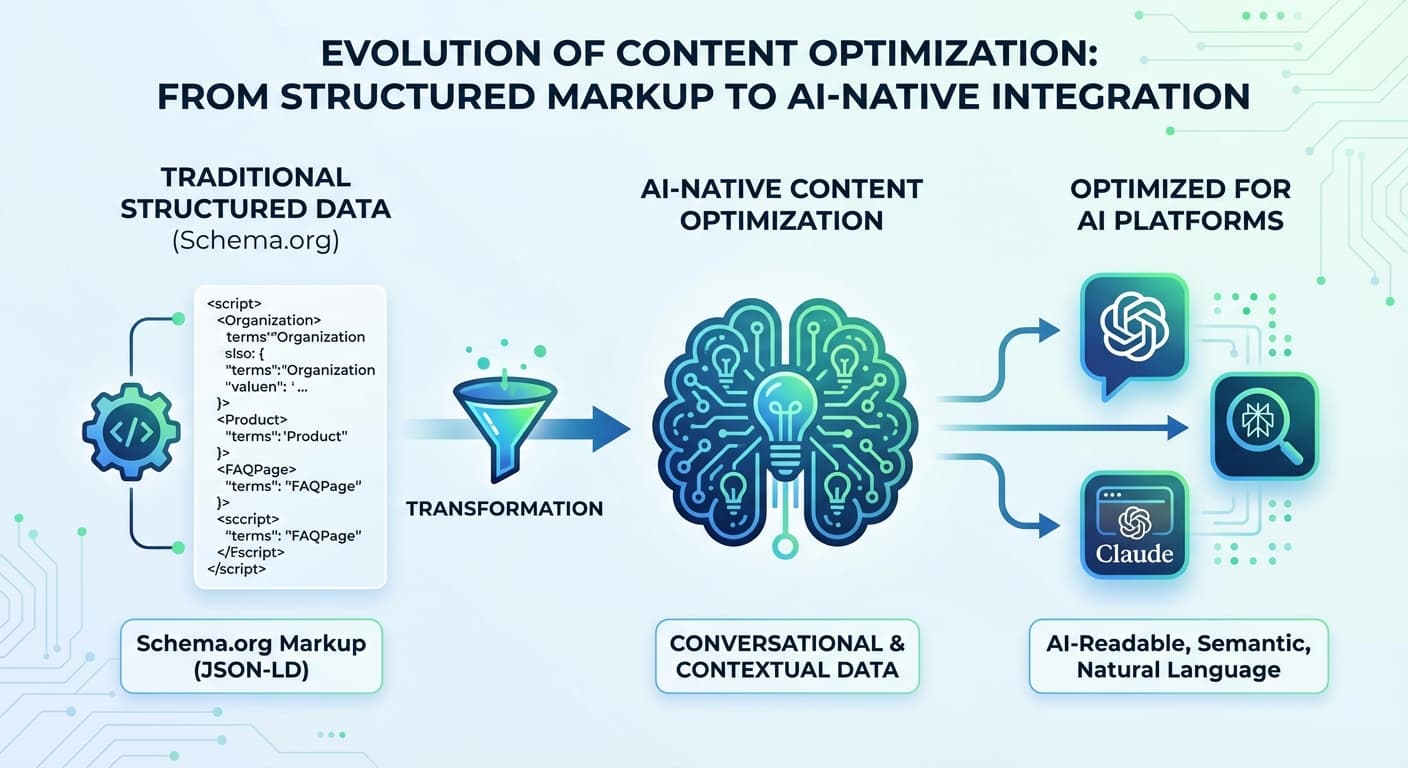
How to Build a Schema Markup Deprecation Strategy When Google Phases Out 18 Structured Data Types for AI-Native Entity Extraction in 2026
Google's announcement in late 2025 that they'll phase out 18 structured data types by Q3 2026 sent shockwaves through the SEO community. With AI search engines now processing over 40% of all queries and entity extraction becoming increasingly sophisticated, this shift represents the biggest change to structured data since schema.org launched in 2011.
If your content strategy relies on the deprecated schema types, you need to act fast. Here's your complete guide to building a deprecation strategy that not only protects your current visibility but positions you for the AI-first search landscape.
Understanding Google's Schema Deprecation: What's Changing and Why
Google's decision stems from their AI systems becoming advanced enough to extract entities and relationships directly from content without explicit markup. The 18 deprecated types include several commonly used schemas:
This shift affects an estimated 2.8 million websites globally, with e-commerce and local businesses facing the highest impact. The transition period runs through September 2026, giving you roughly 8 months to adapt.
Why This Matters for AI Visibility
AI search engines like ChatGPT, Perplexity, and Claude increasingly rely on semantic understanding rather than structured markup. They're looking for:
This evolution means your content needs to be both human-readable and AI-interpretable without relying on schema crutches.
Step 1: Audit Your Current Schema Implementation
Before building your deprecation strategy, you need a comprehensive audit of your existing structured data.
Inventory Your Schema Types
Start by cataloging every schema type across your site:
Assess Performance Impact
For each deprecated schema type, analyze:
This data will help you prioritize which migrations need immediate attention versus those that can wait.
Step 2: Map Migration Paths for Deprecated Schemas
Not all deprecated schemas disappear entirely – many are being consolidated or replaced.
Direct Replacements
LocalBusiness → Organization
address, telephone, and openingHours@type: "Organization" with additionalType for business categorysameAs properties for social profilesSoftwareApplication → Product
offers, review, and aggregateRatingAI-Native Alternatives
For schemas being fully deprecated, shift to AI-optimized content strategies:
VideoObject → Enhanced Content Structure
Recipe → Conversational Format
Step 3: Optimize Content for AI-Native Entity Extraction
With structured markup becoming less critical, your content itself must carry the semantic load.
Enhance Entity Recognition
Use Clear Entity References
Build Semantic Relationships
Structure for Conversational AI
AI search engines excel at answering specific questions. Structure your content to match:
Tools like Citescope Ai can analyze your content's AI interpretability and suggest optimizations that improve entity extraction without relying on deprecated schemas.
Step 4: Implement Remaining Structured Data Strategically
While 18 types are being deprecated, core schema types remain valuable:
Priority Schema Types for 2026
Article and NewsArticle
Product and Offer
FAQ and HowTo
Implementation Best Practices
Step 5: Monitor and Adapt Your Strategy
The deprecation timeline extends through September 2026, giving you time to test and refine your approach.
Track Key Metrics
Traditional SEO Metrics
AI Search Performance
Establish Testing Protocols
Implement changes gradually:
How Citescope Ai Helps Navigate Schema Deprecation
As you transition away from deprecated schema markup, Citescope Ai provides essential tools for the AI-first search landscape:
GEO Score Analysis evaluates your content across five dimensions critical for AI visibility, including semantic richness and conversational relevance – helping you identify content that needs restructuring beyond just removing old schemas.
AI Rewriter optimizes your content structure for better entity extraction without relying on deprecated markup, ensuring AI search engines can understand and cite your content naturally.
Citation Tracker monitors how often ChatGPT, Perplexity, Claude, and Gemini cite your content, giving you direct feedback on whether your schema-free optimization strategies are working.
Timeline and Action Items
Here's your month-by-month action plan:
January-February 2026:
March-April 2026:
May-June 2026:
July-September 2026:
Future-Proofing Your Content Strategy
The schema deprecation represents a broader shift toward AI-native search. To stay ahead:
Embrace Semantic Content Creation
Invest in AI-Optimized Tools
Traditional SEO tools weren't built for AI search optimization. Invest in platforms that understand how AI engines interpret and cite content.
Stay Informed on AI Search Evolution
AI search capabilities evolve rapidly. Follow updates from major AI companies and adjust your strategy accordingly.
Ready to Optimize for AI Search?
Navigating Google's schema deprecation while optimizing for AI search engines requires a strategic approach that goes beyond traditional SEO. Citescope Ai helps you transition from markup-dependent content to AI-optimized pages that perform well across ChatGPT, Perplexity, Claude, and Gemini. Start your free account today and get 3 content optimizations to begin building your AI-native content strategy before the September 2026 deadline.