How to Build a Revenue Attribution Model for AI Search When Citations Replace Clicks
How to Build a Revenue Attribution Model for AI Search When Citations Replace Clicks
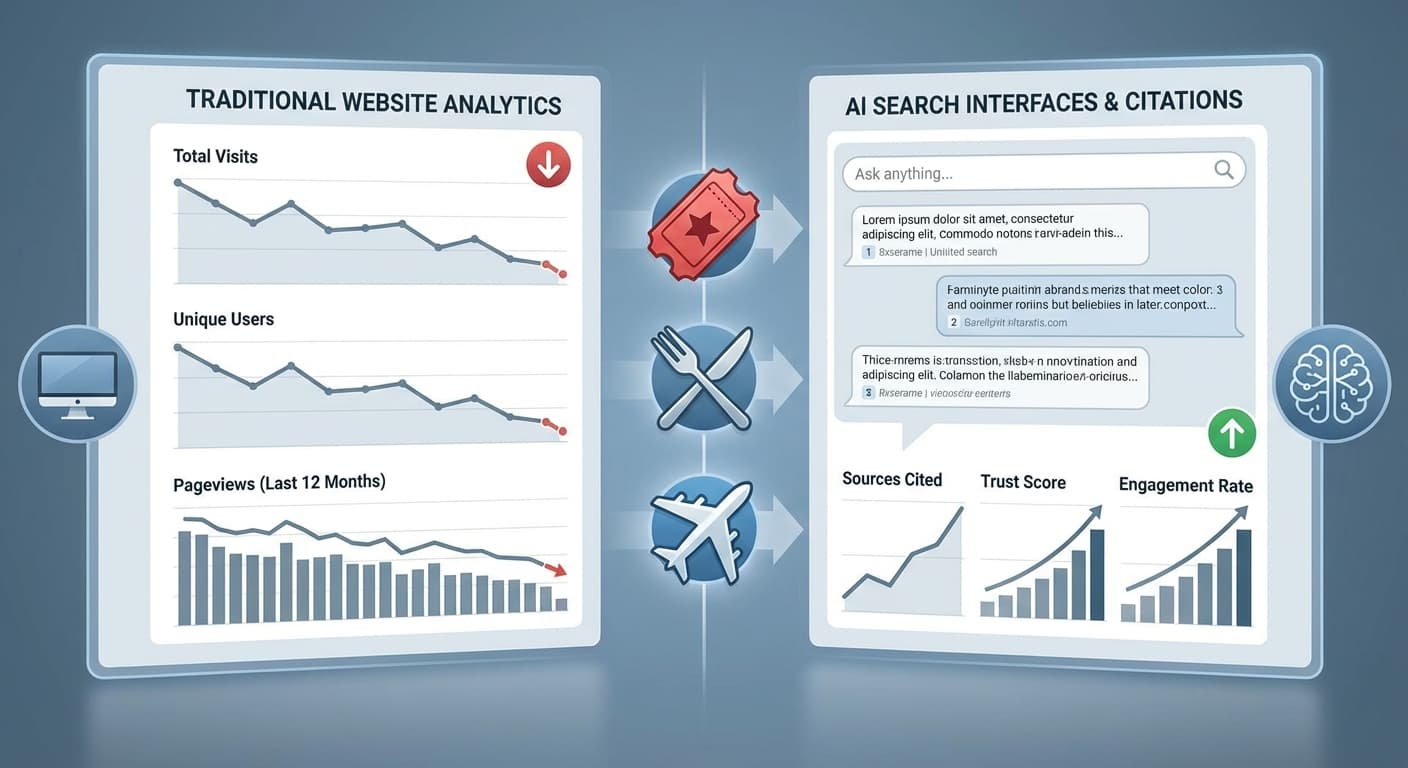
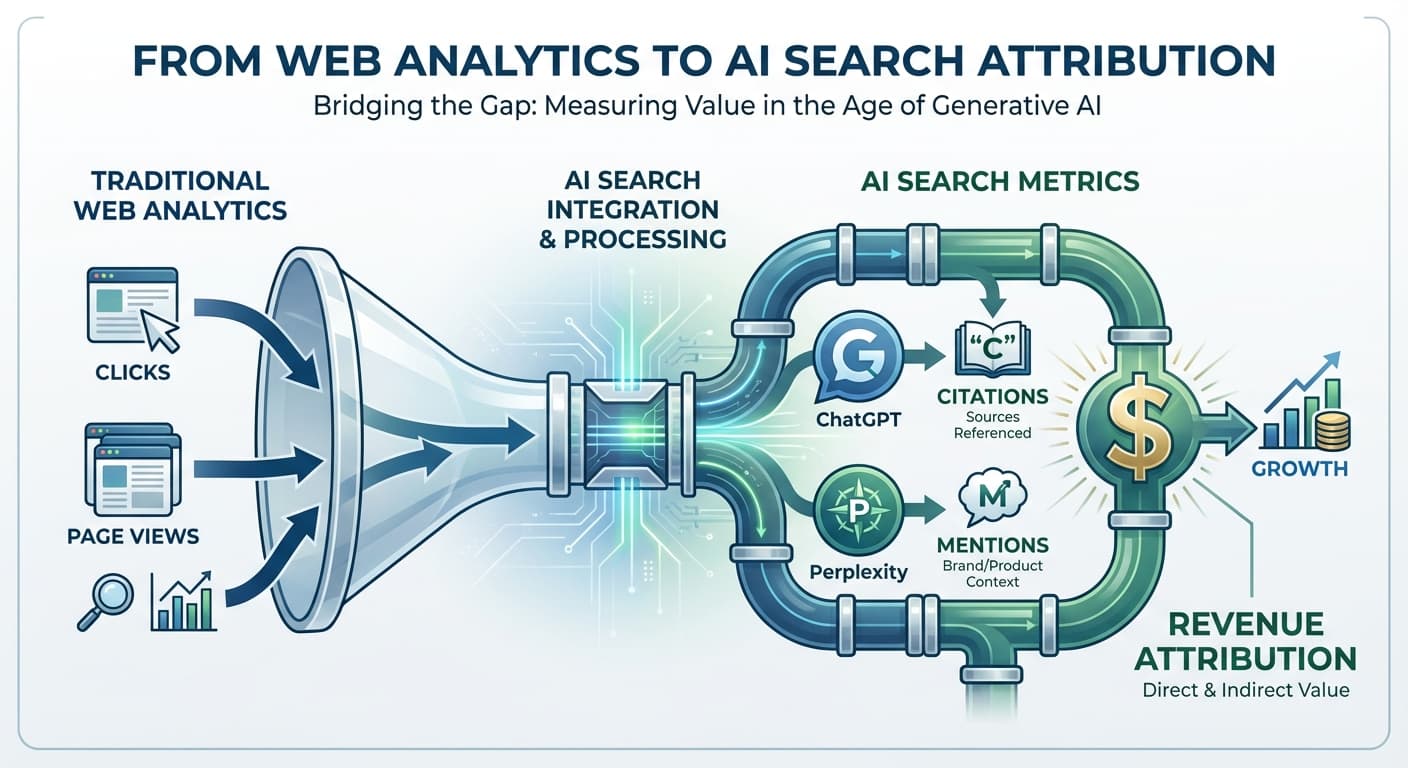
By 2026, over 40% of B2B purchase decisions begin with an AI search query, yet most marketing teams are still measuring success through outdated metrics like click-through rates and page views. Here's the reality: when ChatGPT cites your company as the "leading solution for enterprise data management" or when Perplexity references your pricing guide in response to buying questions, traditional analytics tools show zero attribution—even though these citations are driving millions in pipeline.
The shift from clicks to citations represents the biggest measurement challenge in modern marketing. While your content gets cited thousands of times daily across AI platforms, your leadership team sees flat traffic numbers and questions your content ROI. It's time to build an attribution model that captures the true revenue impact of AI search visibility.
The Citation Economy: Why Traditional Metrics Are Failing
AI search engines fundamentally changed how users discover and consume information. Instead of clicking through to websites, users get synthesized answers with source citations. This creates what we call the "invisible funnel"—prospects researching your solutions without ever visiting your website.
Consider these 2026 statistics:
Yet most marketing teams are blind to this pipeline source because their attribution models weren't designed for the citation economy.
Building Your AI Search Revenue Attribution Framework
Step 1: Map Your Citation-to-Revenue Pathways
Before diving into metrics, identify how citations translate to revenue in your business. Common pathways include:
Direct Citations: AI tools directly recommend your product or service
Educational Citations: Your content gets referenced in educational contexts
Competitive Citations: Your brand appears in competitive comparisons
Step 2: Establish Citation Tracking Infrastructure
Successful attribution starts with comprehensive citation monitoring. You need visibility into:
This foundational data feeds into your broader attribution model and helps identify which content investments drive the highest citation ROI.
Step 3: Connect Citations to Pipeline Activities
The key to building leadership buy-in is drawing clear lines between citation events and revenue activities. Here's how to establish these connections:
Lead Source Attribution
Modify your lead capture forms to include questions about research methods:
Sales Team Intelligence Gathering
Train your sales team to ask discovery questions that surface AI research:
CRM Data Enhancement
Create custom fields in your CRM to track:
Step 4: Quantify Citation Value Using Proxy Metrics
Since direct citation-to-revenue tracking is challenging, use proxy metrics that correlate with business outcomes:
Brand Awareness Lift
Sales Velocity Improvements
Content Performance Correlation
Advanced Attribution Techniques
Multi-Touch Citation Modeling
Move beyond last-touch attribution to understand the full citation journey:
First-Touch Citation Value: Content that introduces prospects to your brand
Mid-Funnel Citation Value: Educational content that builds trust and expertise
Last-Touch Citation Value: Competitive or solution-specific citations that drive decisions
Citation-Influenced Pipeline Scoring
Develop a scoring system that weights leads based on citation exposure:
Geographic and Temporal Attribution
Analyze citation impact across different dimensions:
Presenting ROI to Leadership: The Executive Dashboard
Your attribution model means nothing if you can't communicate its value to leadership. Create an executive dashboard that shows:
Primary KPIs
Supporting Metrics
Revenue Impact Stories
Prepare case studies that demonstrate clear citation-to-revenue connections:
How Citescope Ai Streamlines Citation Attribution
Building and maintaining a citation attribution model requires significant data infrastructure and analysis capabilities. Citescope Ai simplifies this process by providing:
Comprehensive Citation Tracking: Monitor your citations across ChatGPT, Perplexity, Claude, and Gemini in real-time, with context analysis and sentiment scoring.
Attribution-Ready Analytics: Export citation data in formats compatible with your existing attribution tools, including custom fields for CRM integration and pipeline correlation analysis.
Competitive Benchmarking: Track your citation market share versus competitors, identifying opportunities to capture more citation-driven pipeline.
Content Optimization for Citations: Use the GEO Score to identify which content pieces are most likely to generate valuable citations, focusing your attribution efforts on high-impact assets.
Implementation Timeline and Success Metrics
Month 1-2: Foundation Building
Month 3-4: Data Collection and Analysis
Month 5-6: Model Refinement and Reporting
Success Indicators
Common Attribution Pitfalls to Avoid
Over-Attribution: Don't credit every citation with direct revenue impact. Focus on citations that demonstrably influence purchase decisions.
Under-Investment in Tracking: Many teams underestimate the infrastructure needed for proper citation attribution. Invest in robust tracking from the start.
Ignoring Content Quality: High citation volume doesn't always equal high revenue impact. Focus on citations from authoritative, relevant content.
Short-Term Thinking: Citation attribution often shows delayed impact. Build models that account for longer attribution windows.
Ready to Optimize for AI Search?
Building a revenue attribution model for AI search citations requires comprehensive tracking, sophisticated analysis, and clear communication to leadership. Citescope Ai provides the infrastructure and insights needed to demonstrate the real revenue impact of your AI search optimization efforts.
Start your free trial today and discover how much pipeline your citations are actually driving. With Citescope Ai's Citation Tracker and analytics tools, you can build the attribution model that finally shows leadership the true ROI of AI search optimization.