How to Build a Query Intent Hijacking Defense Strategy When AI Search Engines Start Recommending Alternative Solutions and Lower-Cost Competitors Mid-Answer Before Users Finish Reading About Your Product
How to Build a Query Intent Hijacking Defense Strategy When AI Search Engines Start Recommending Alternative Solutions and Lower-Cost Competitors Mid-Answer Before Users Finish Reading About Your Product
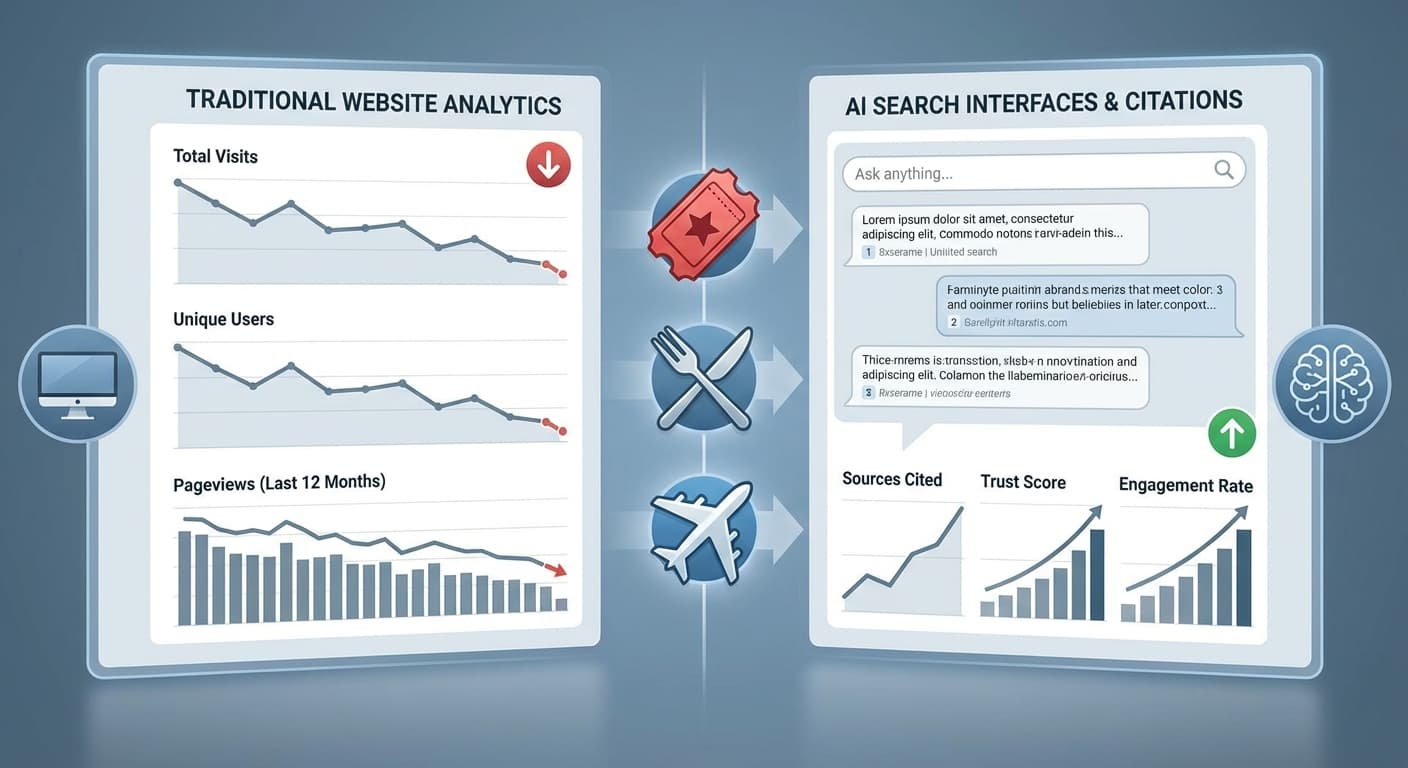
Picture this: A potential customer asks ChatGPT, "What's the best project management software for small businesses?" The AI starts by mentioning your brand, highlighting your key features and benefits. But halfway through the response, it pivots: "However, you might also consider these more affordable alternatives..." and proceeds to list three competitors with lower price points.
This isn't hypothetical—it's happening right now in 2026. With AI search engines processing over 2.4 billion queries monthly and 73% of Gen Z relying on AI assistants for product research, query intent hijacking has become the silent revenue killer that most brands don't even realize is happening.
The New Reality of AI-Mediated Customer Journeys
In traditional search, users would click through to your website after seeing your listing. You controlled the narrative from that point forward. But AI search engines create a fundamentally different dynamic—they synthesize information from multiple sources and present it as a single, authoritative answer.
This creates what we call "intent drift"—where a user's initial query about your product gradually morphs into a comparison shopping session, often without the user explicitly asking for alternatives.
Why AI Engines Recommend Competitors Mid-Answer
AI search engines are designed to be helpful and comprehensive. When someone asks about a specific product or service, these systems often interpret this as an opportunity to provide broader context and alternatives. This behavior stems from several factors:
The Financial Impact of Intent Hijacking
Recent studies show that 68% of AI-generated responses mentioning a specific brand also include at least two competitors. For businesses, this translates to:
Building Your Defense Strategy: The Four Pillars
1. Content Authority Reinforcement
The first line of defense is ensuring your content signals unmistakable authority and expertise. AI engines are more likely to present your brand as the definitive solution when your content demonstrates clear market leadership.
Tactical approaches:
2. Semantic Context Control
AI engines rely heavily on semantic relationships between concepts. By carefully crafting the semantic context around your brand mentions, you can influence how AI systems categorize and present your solution.
Implementation strategies:
3. Preemptive Comparison Framing
Instead of avoiding comparisons, strategically address them on your terms. When you control the comparison narrative, AI engines are more likely to use your framing when presenting alternatives.
Key tactics:
4. Query Intent Anticipation
Understand and optimize for the specific queries that trigger intent hijacking. This requires deep analysis of how AI engines interpret and respond to different question types.
Research and optimization focus:
Advanced Defense Techniques
The Specificity Shield
General queries invite comparisons, but specific queries tend to generate more focused responses. Train your content to attract and satisfy highly specific search intents.
Examples of transformation:
The Context Moat Strategy
Create such comprehensive, interconnected content around your solution that AI engines find it difficult to recommend alternatives without acknowledging your market position.
This involves:
Monitoring and Measuring Your Defense
A defense strategy is only effective if you can measure its impact. Key metrics to track include:
Primary Metrics
Secondary Metrics
How Citescope Ai Helps You Build Intent Hijacking Defense
Building an effective defense against query intent hijacking requires sophisticated analysis and optimization that goes far beyond traditional SEO approaches. This is where Citescope Ai becomes invaluable for modern businesses.
The platform's GEO Score analyzes your content across five critical dimensions that directly impact how AI engines present your brand. The AI Interpretability component specifically measures how clearly AI systems understand your unique value proposition, while the Semantic Richness analysis ensures your content creates the right conceptual associations.
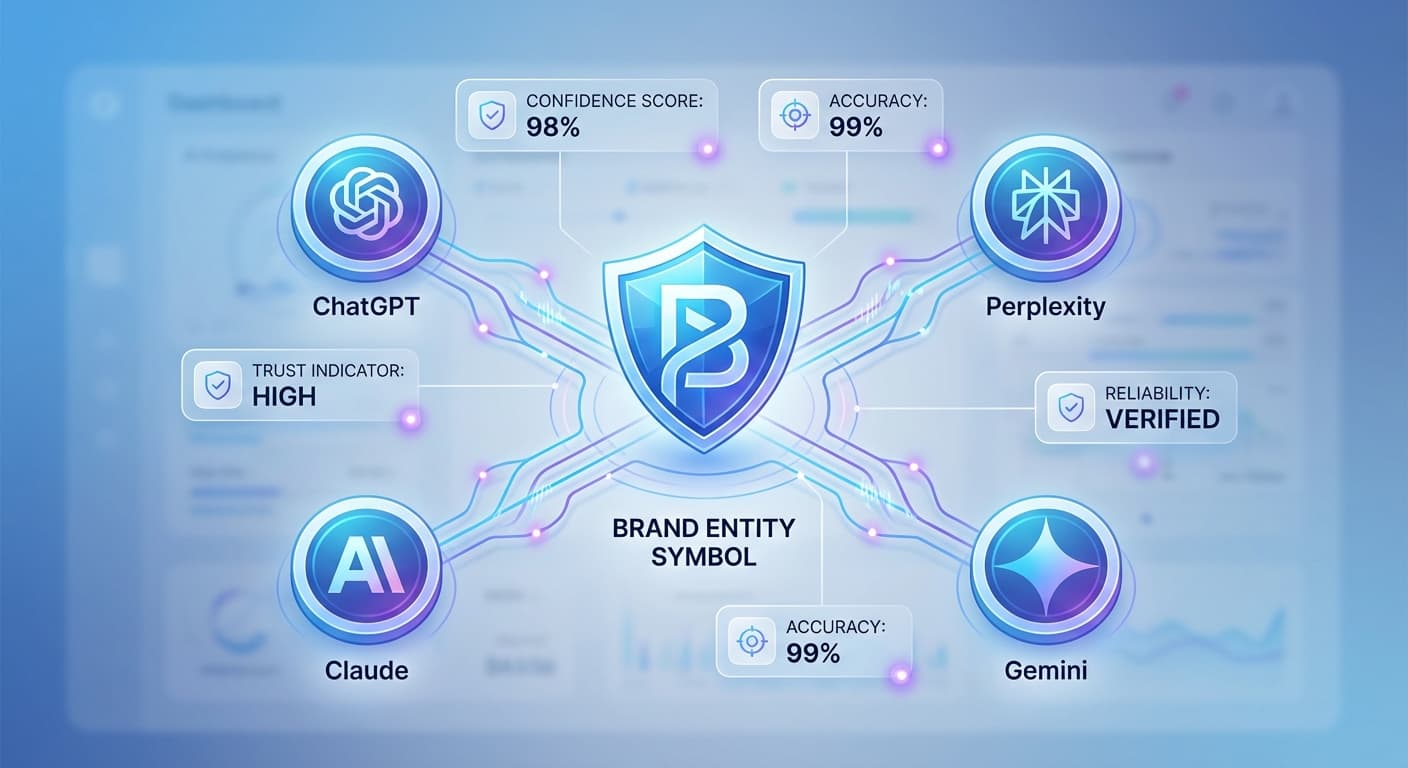
Citescope Ai's Citation Tracker provides unprecedented visibility into how ChatGPT, Perplexity, Claude, and Gemini actually reference your brand in real-world queries. This allows you to identify intent hijacking patterns and measure the effectiveness of your defense strategies.
The AI Rewriter feature helps implement your defense strategy by automatically restructuring content to emphasize authority signals and unique differentiators that make your solution less likely to be grouped with generic alternatives.
Implementation Timeline and Next Steps
Building an effective intent hijacking defense isn't a one-time project—it's an ongoing strategic initiative. Here's a practical implementation timeline:
Month 1: Assessment and Foundation
Month 2-3: Content Optimization
Month 4-6: Advanced Implementation
Ongoing: Continuous Defense
The Future of AI Search Defense
As AI search engines become more sophisticated, the tactics for intent hijacking defense will continue evolving. Businesses that start building these defenses now will have a significant advantage as the AI search landscape matures.
The key is understanding that AI search optimization isn't just about getting mentioned—it's about controlling the context and narrative around those mentions. Companies that master this balance will maintain their competitive edge even as AI engines become the primary gateway to customer discovery.
Ready to Optimize for AI Search?
Building a robust defense against query intent hijacking requires sophisticated tools and strategies that most businesses aren't equipped to handle alone. Citescope Ai provides the analytics, optimization tools, and monitoring capabilities you need to protect your brand's position in AI search results.
Start with our free tier to analyze your current vulnerability to intent hijacking, then upgrade to Pro or Enterprise for comprehensive defense implementation. The cost of building these defenses today is minimal compared to the revenue protection they provide.
Start your free analysis with Citescope Ai and take control of how AI engines present your brand to potential customers.