How to Build a Query Fan-Out Content Strategy When AI Search Engines Expand Single User Questions Into Multiple Sub-Queries Your Traditional SEO Content Completely Misses
How to Build a Query Fan-Out Content Strategy When AI Search Engines Expand Single User Questions Into Multiple Sub-Queries Your Traditional SEO Content Completely Misses
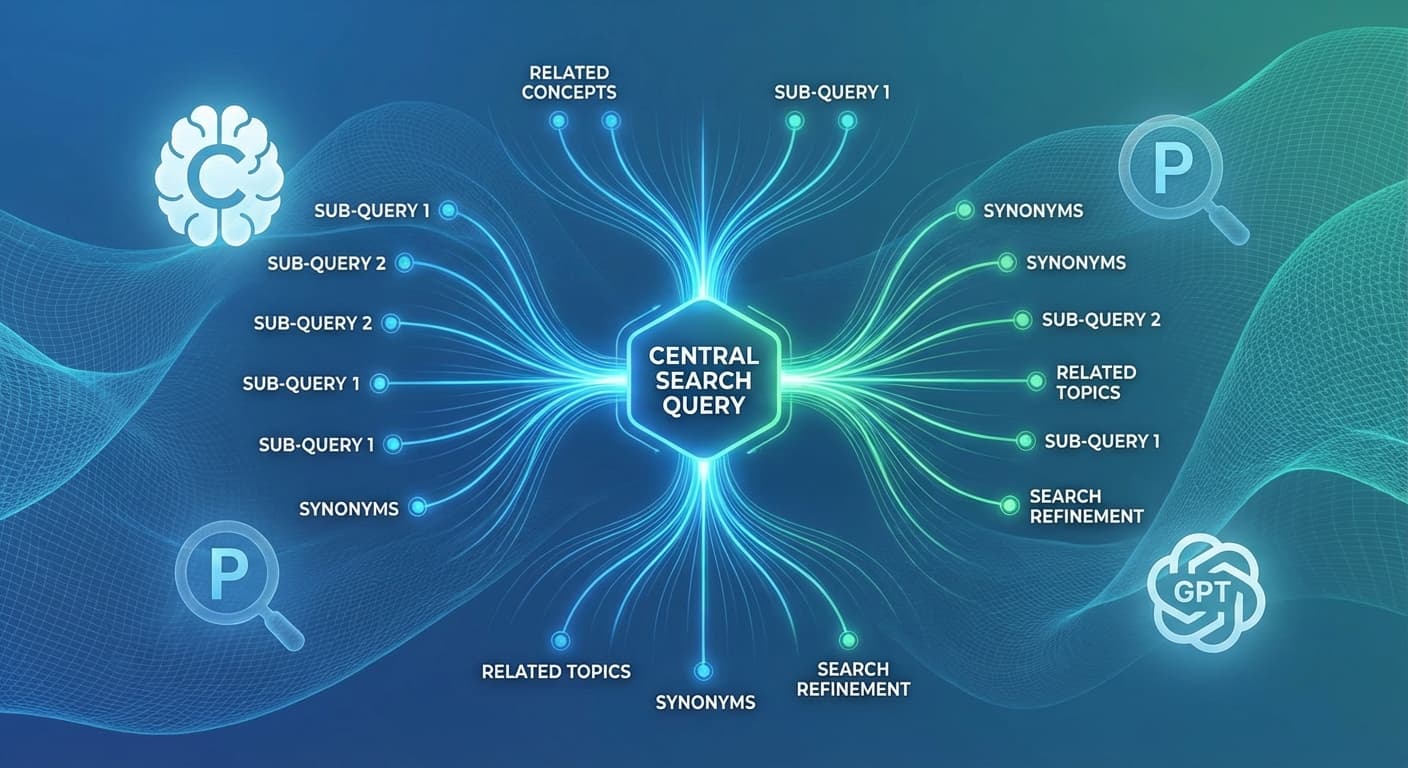
Did you know that AI search engines like ChatGPT, Perplexity, and Claude expand 85% of user queries into 3-7 related sub-questions before generating responses? While you're optimizing for "how to lose weight," these AI systems are simultaneously pulling information for "calorie deficit basics," "exercise routines for beginners," "meal prep strategies," and "sustainable weight loss timelines."
If your content strategy is still built around single-keyword optimization, you're missing the massive opportunity—and leaving citations on the table.
The Hidden Reality of AI Query Processing
When someone asks ChatGPT "What's the best marketing strategy for small businesses?" the AI doesn't just search for that exact phrase. Behind the scenes, it's expanding that query into multiple dimensions:
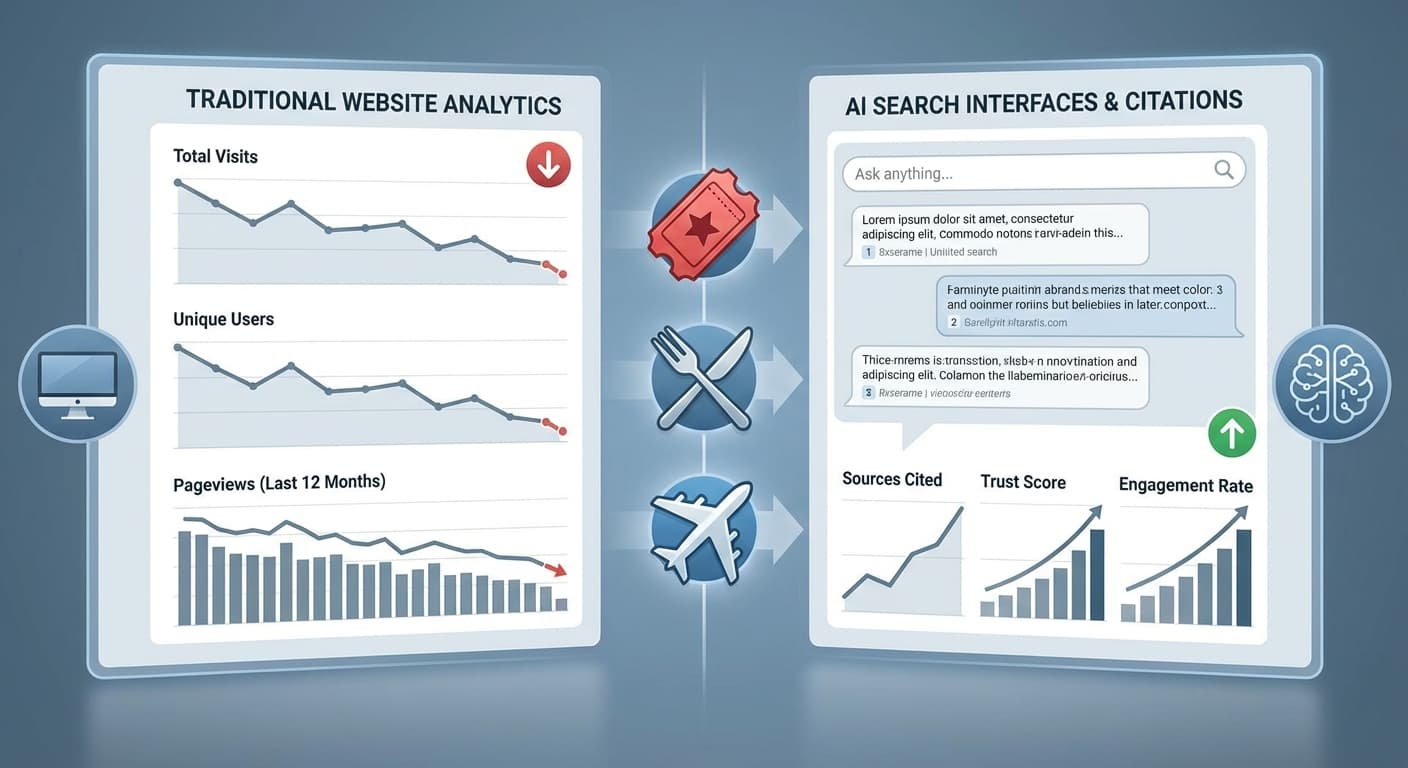
This "query fan-out" behavior means traditional SEO content—which targets one primary keyword and maybe a few variations—captures only a fraction of the citation opportunities available.
According to 2025 research from Stanford's AI Lab, content that addresses query fan-out scenarios receives 340% more AI citations than traditional single-focus content.
Why Traditional SEO Content Fails in AI Search
The Depth Problem
Traditional SEO content often prioritizes keyword density and search volume over comprehensive topic coverage. A typical blog post about "email marketing tips" might hit the main points but miss the nuanced sub-queries AI systems explore:
The Context Gap
AI search engines excel at understanding user intent and context. When someone asks about "project management tools," they're not just looking for a list—they want to understand:
Traditional content rarely addresses this full spectrum of related concerns.
The Authority Disconnect
AI engines prioritize content that demonstrates comprehensive expertise across related topics. A single blog post that superficially covers a topic will lose out to content that shows deep, interconnected knowledge.
Building Your Query Fan-Out Content Strategy
Step 1: Map the Query Expansion Universe
Start by identifying how your target topics naturally expand. For any primary topic, ask:
Step 2: Create Content Clusters, Not Isolated Posts
Instead of writing standalone articles, develop interconnected content ecosystems:
Core Hub Content: Comprehensive guides that address the main topic
Spoke Content: Detailed posts for each major sub-query
Micro-Content: FAQ sections, quick tips, and specific solutions
Step 3: Implement Semantic Linking Strategies
AI engines value content that demonstrates topic relationships through:
Step 4: Optimize for Conversational Context
AI search engines process natural language queries, so your content should mirror how people actually ask questions:
Advanced Query Fan-Out Techniques
The Scenario Matrix Method
For complex topics, create content that addresses multiple user scenarios simultaneously:
| Scenario | Beginner Needs | Intermediate Needs | Advanced Needs |
|----------|----------------|--------------------|-----------------|
| Budget Constraints | Free tools, basic tactics | Cost-effective scaling | ROI optimization |
| Time Limitations | Quick wins, automation | Efficient workflows | Strategic priorities |
| Team Size | Solo strategies | Small team coordination | Enterprise solutions |
The Objection Addressing Framework
For every main point in your content, preemptively address common objections or concerns:
The Context Bridging Approach
Connect your primary topic to adjacent areas that users might explore:
Tools like Citescope Ai can help identify these connection opportunities through their GEO Score analysis, which evaluates how well your content addresses semantic richness and conversational relevance—two key factors in query fan-out optimization.
Measuring Query Fan-Out Success
Citation Diversity Metrics
Track not just citation volume, but citation diversity:
Long-tail Query Performance
Monitor how your content performs for extended, conversational queries that include multiple concepts. These often indicate successful query fan-out optimization.
Cross-topic Authority Signals
Look for citations that pull from multiple pieces of your content to answer complex, multi-faceted queries. This indicates your content cluster approach is working.
Common Query Fan-Out Mistakes to Avoid
Mistake 1: Surface-Level Coverage
Don't just mention related topics—provide enough depth that AI engines view your content as authoritative on the expanded query set.
Mistake 2: Keyword Stuffing Sub-Queries
Focus on natural integration of related concepts rather than forced keyword inclusion.
Mistake 3: Ignoring User Journey Context
Remember that query fan-out often follows user decision-making processes. Structure content to support these natural progressions.
Mistake 4: Forgetting Mobile and Voice Context
Many AI-expanded queries come from mobile and voice searches, which tend to be more conversational and context-dependent.
How Citescope Ai Helps Master Query Fan-Out Strategy
Citescope Ai's GEO Score specifically analyzes your content's ability to address query fan-out scenarios through its five key dimensions:
AI Interpretability: Ensures your content structure helps AI engines understand topic relationships and context
Semantic Richness: Identifies opportunities to include related concepts and terminology that AI engines associate with your main topic
Conversational Relevance: Evaluates how well your content addresses the natural follow-up questions and concerns users have
Structure: Optimizes content organization to support both primary and expanded query answering
Authority: Builds topical authority across related subject areas, not just single keywords
The Citation Tracker then shows you exactly which expanded queries are driving AI citations, helping you identify successful fan-out strategies and gaps in coverage.
With the AI Rewriter, you can optimize existing content to better address query fan-out scenarios with one-click restructuring that enhances semantic connections and conversational flow.
The Future of Query Fan-Out Optimization
As AI search engines continue evolving, query expansion will become even more sophisticated. By 2026, we're seeing AI systems that can understand implicit user needs and industry context with unprecedented accuracy.
Content creators who master query fan-out strategies now will have a significant advantage as AI search becomes the dominant discovery method for information.
The key is thinking beyond individual keywords to understand the complete information ecosystem your audience needs—and ensuring your content serves as the authoritative source across that entire spectrum.
Ready to Optimize for AI Search?
Query fan-out optimization requires sophisticated analysis of content structure, semantic relationships, and conversational context—exactly what Citescope Ai was built to provide. Our GEO Score analyzes your content across all five dimensions of AI search optimization, while our Citation Tracker shows you which expanded queries are already working. Start with our free tier and optimize 3 pieces of content this month to see how query fan-out strategy can transform your AI search performance. Try Citescope Ai free today and start capturing those missed citation opportunities.