How to Build a Prompt-Aware Content Strategy When AI Search Engines Process Intent-Rich Conversational Queries Instead of Keywords
How to Build a Prompt-Aware Content Strategy When AI Search Engines Process Intent-Rich Conversational Queries Instead of Keywords
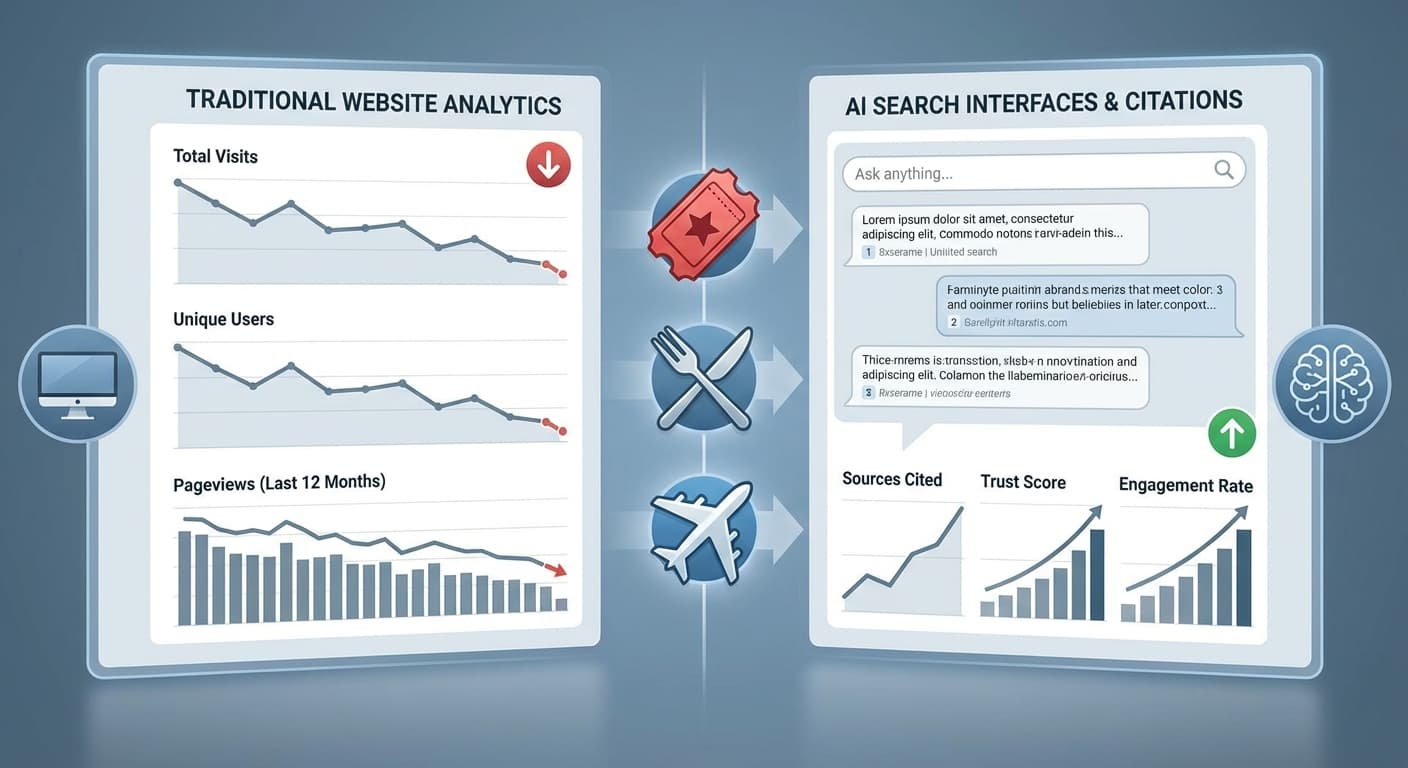
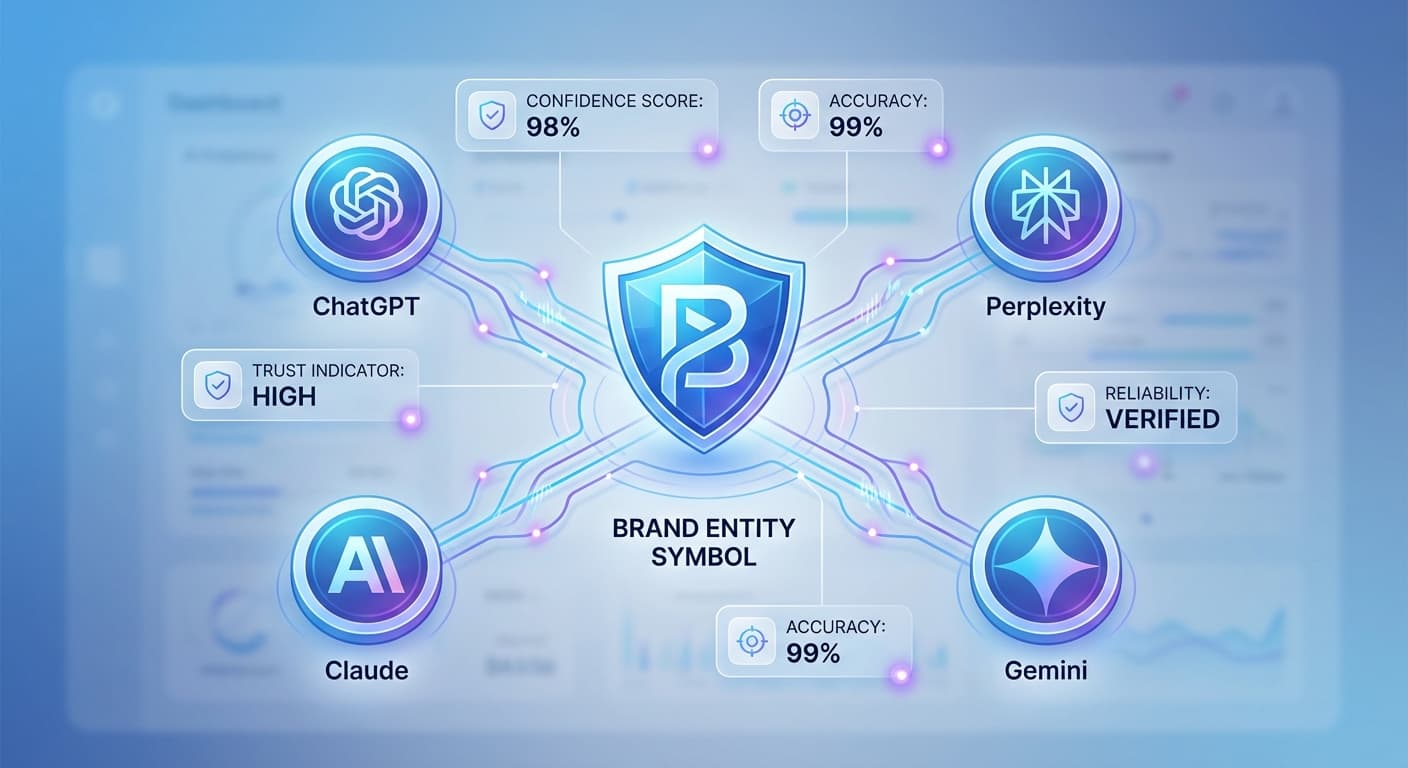
By 2026, AI search engines like ChatGPT, Perplexity, Claude, and Gemini now handle over 40% of all search queries, with 78% of Gen Z preferring conversational AI search over traditional search engines. These platforms don't just match keywords—they understand intent, context, and nuance in ways that fundamentally change how content should be created.
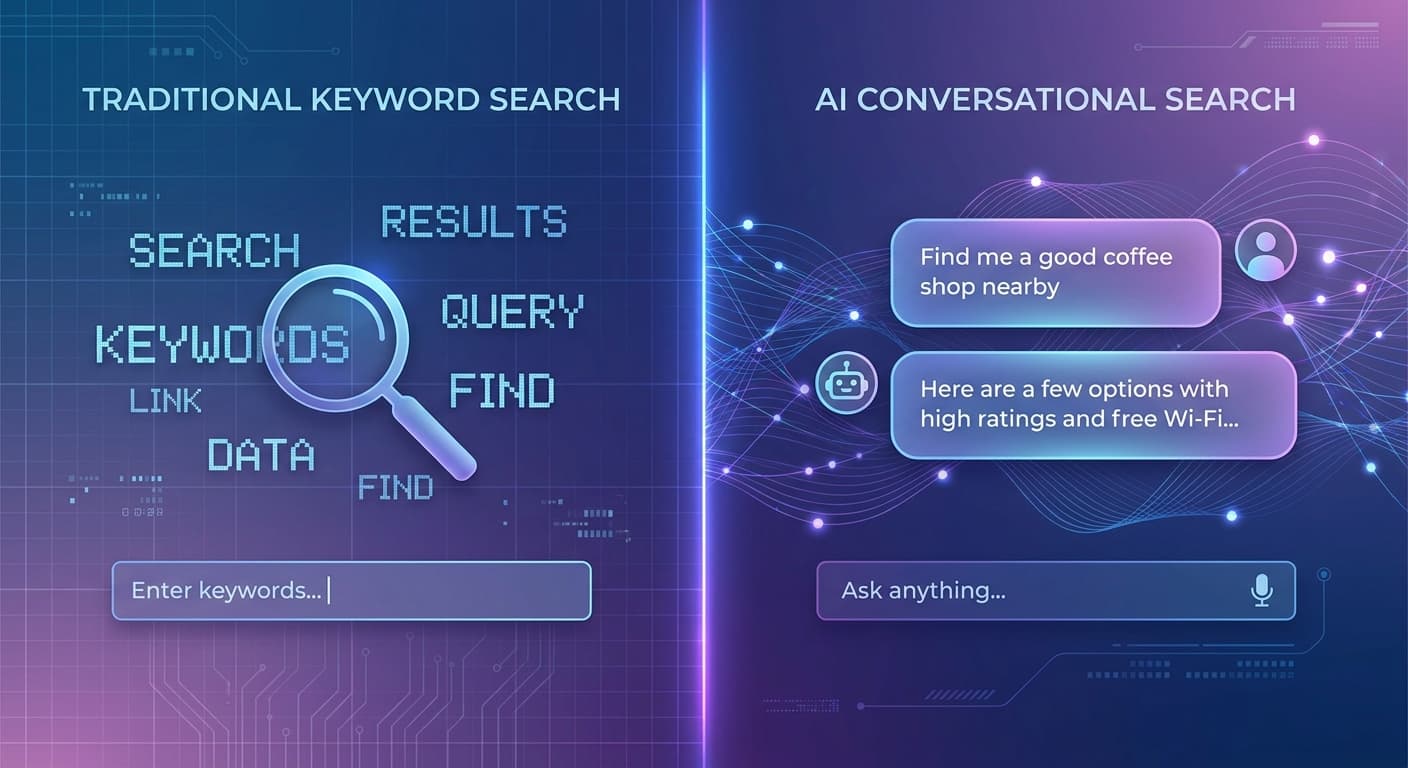
The shift from keyword-based to prompt-aware content strategy isn't just a trend—it's the new reality of content marketing. While traditional SEO focused on matching specific terms, AI search engines process complete thoughts, questions, and conversational patterns to deliver comprehensive answers.
Understanding the Prompt-First Search Revolution
AI search engines fundamentally process information differently than traditional search engines. Instead of parsing individual keywords, they:
This shift means your content strategy must evolve from targeting keywords to addressing the types of prompts your audience actually uses when interacting with AI.
The Anatomy of Intent-Rich Conversational Queries
Long-Form Question Patterns
Modern AI users don't search for "email marketing ROI"—they ask questions like:
These queries contain multiple intent layers: the core question, context about the user's situation, and implicit requirements for the type of answer needed.
Multi-Step Problem Solving
AI users frequently present complex scenarios:
This single query encompasses product launches, content strategy, authority building, competitive analysis, and budget optimization—all areas your content should address comprehensively.
Contextual Follow-Up Patterns
AI conversations build on previous context, meaning your content should anticipate natural follow-up questions:
Building Your Prompt-Aware Content Framework
1. Map User Intent Journeys
Start by identifying the complete conversational flow your audience follows:
Discovery Phase Prompts:
Research Phase Prompts:
Decision Phase Prompts:
2. Create Comprehensive Answer Architecture
Structure your content to serve as the definitive answer to conversational queries:
Lead with Context Setting
Provide Multi-Layered Solutions
Include Decision Frameworks
3. Optimize for Citation Patterns
AI engines cite content that directly supports their responses. Structure your content with:
Tools like Citescope Ai can help identify which sections of your content are most likely to be cited by analyzing your content's AI Interpretability and Conversational Relevance scores.
Advanced Prompt-Aware Content Techniques
Conversational Content Structuring
Write content that mirrors natural conversation patterns:
Instead of: "Email marketing automation benefits include increased efficiency and personalization."
Write: "When you implement email marketing automation, you'll immediately notice two major improvements: your team spends 60% less time on manual campaigns, and your subscribers get personalized messages that convert 3x better than generic broadcasts."
Anticipatory Content Depth
Address the questions users will ask after consuming your main content:
Multi-Perspective Coverage
AI engines favor content that acknowledges different viewpoints and use cases:
Measuring Prompt-Aware Content Success
AI Citation Tracking
Monitor how frequently your content gets cited across different AI platforms:
Conversational Query Performance
Track which conversational queries your content successfully addresses:
Intent Satisfaction Metrics
Measure how completely your content addresses user intent:
Common Prompt-Aware Strategy Mistakes
Over-Optimizing for AI
Maintaining readability and value for human readers remains crucial. AI engines prioritize content that genuinely serves users, not content that's merely structured for AI consumption.
Ignoring Prompt Variations
Users ask the same question in dozens of different ways. Your content should naturally address these variations without keyword stuffing.
Neglecting Update Cycles
AI engines favor fresh, current information. Regular content updates based on new data, trends, and user questions maintain citation relevance.
How Citescope Ai Helps Build Prompt-Aware Content
Citescope Ai's GEO Score analyzes your content across five critical dimensions that directly impact AI search performance:
The platform's AI Rewriter can transform existing keyword-focused content into prompt-aware content with a single click, while the Citation Tracker monitors when ChatGPT, Perplexity, Claude, and Gemini reference your optimized content.
Implementation Timeline
Week 1-2: Content Audit
Week 3-4: Strategy Development
Week 5-8: Content Optimization
Ongoing: Monitoring and Refinement
The Future of Prompt-Aware Content
As AI search engines become more sophisticated, expect even greater emphasis on:
Content creators who master prompt-aware strategies now will have a significant advantage as AI search continues to evolve and capture larger market share.
Ready to Optimize for AI Search?
Building a prompt-aware content strategy requires understanding how AI engines process conversational queries and structuring your content to serve as the definitive answer. Citescope Ai makes this transition seamless by analyzing your content's AI readiness and providing one-click optimization for better visibility across ChatGPT, Perplexity, Claude, and Gemini.
Start your free account today and discover how your content performs against the five critical dimensions of AI search optimization. With three free optimizations per month, you can begin transforming your content strategy without any upfront investment.