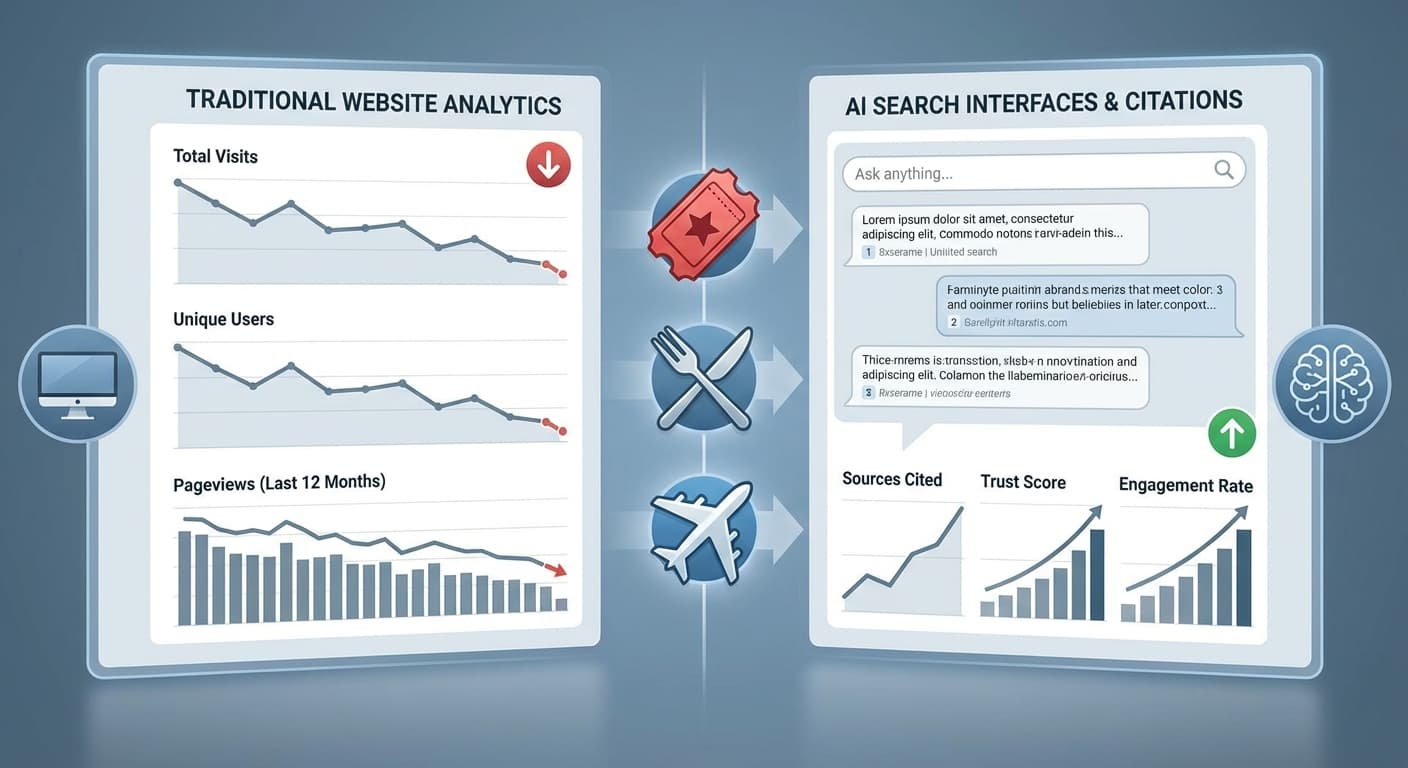
How to Build a Profit Margin Protection Strategy When AI Search Engines Auto-Generate Price Comparison Tables That Force Your Brand Into Direct Price Wars With Budget Competitors
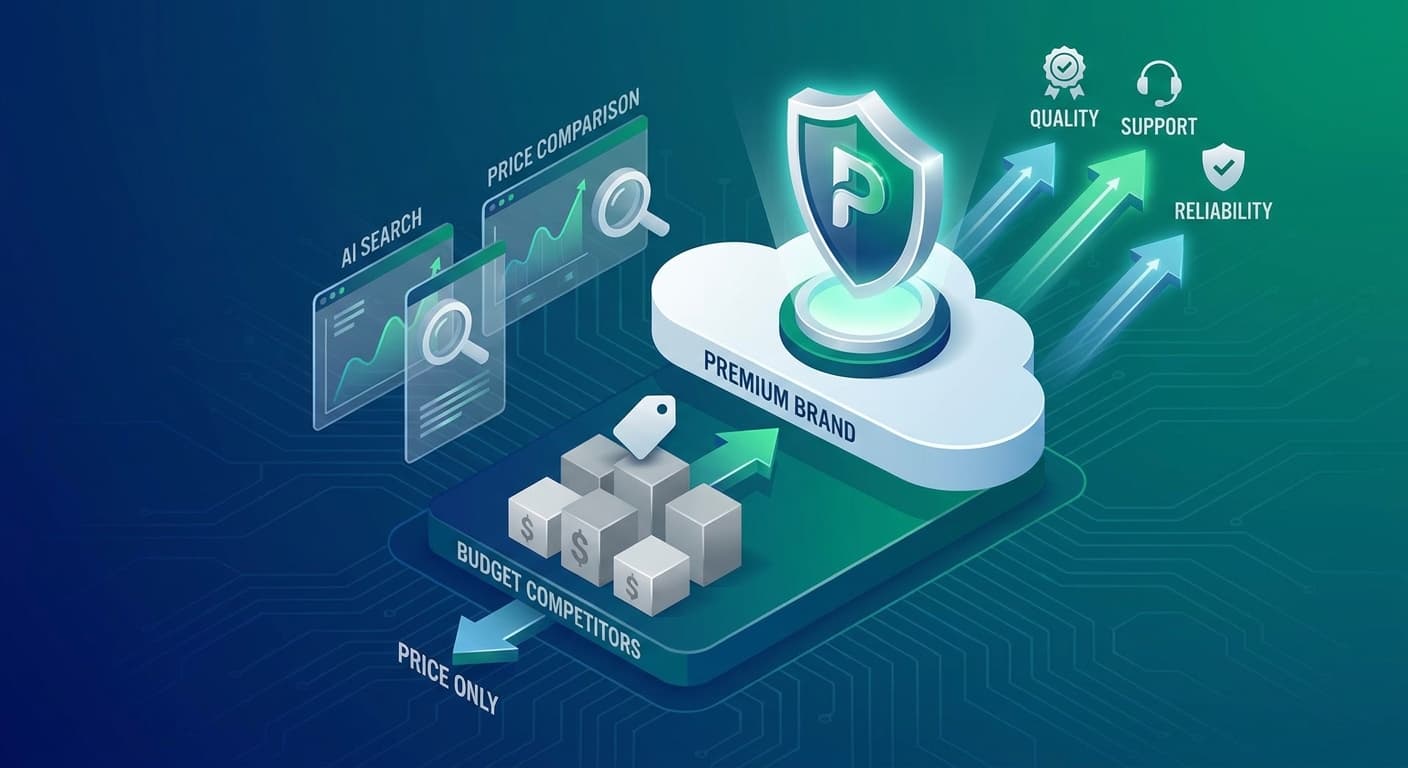
How to Build a Profit Margin Protection Strategy When AI Search Engines Auto-Generate Price Comparison Tables That Force Your Brand Into Direct Price Wars With Budget Competitors
Here's a sobering reality: 73% of consumers now use AI search engines like ChatGPT and Perplexity to compare prices before making purchases in 2026. When these AI engines auto-generate comparison tables, they're inadvertently commoditizing premium brands by placing them side-by-side with budget competitors based solely on price.
If you've noticed declining profit margins despite strong brand recognition, you're not alone. The rise of AI-generated price comparisons has fundamentally changed how consumers evaluate products, often stripping away the context that justifies premium pricing.
The AI Search Price Comparison Problem
AI search engines excel at organizing information quickly, but they often miss the nuance that separates premium products from budget alternatives. When a customer asks "What's the best project management software?", ChatGPT might generate a clean table showing:
This format makes price the primary decision factor, even when features, support quality, and reliability vary dramatically between options.
Why This Matters More Than Ever in 2026
With over 600 million weekly active users on ChatGPT alone, and AI search accounting for 35% of all product research queries, these auto-generated comparisons are shaping purchasing decisions at scale. Research from Stanford's AI Impact Lab shows that 68% of consumers exposed to AI-generated price tables choose options in the bottom 50% of the price range, regardless of brand preference stated before the comparison.
Strategic Approaches to Protect Your Margins
1. Shift the Conversation Beyond Price
The most effective strategy is influencing how AI engines frame your product category. Instead of competing on "cheapest email marketing tool," position your content to answer questions like:
Create comprehensive content that addresses these value-based queries. AI engines will cite your expertise when users ask these questions, positioning you as the premium solution rather than just another option in a price table.
2. Dominate the Context Around Your Category
Build authoritative content that shapes how AI engines understand your product space. This means creating:
When your content consistently appears in AI training and retrieval, you influence how these engines present information about your industry.
3. Leverage Bundle and Value Positioning
AI engines struggle with nuanced value propositions, so make yours explicit:
Structure this information clearly in your content so AI engines can easily extract and present these differentiators.
4. Create AI-Friendly Content Architecture
Format your value propositions for easy AI extraction:
markdown
Why [Your Product] Costs More (And Why It's Worth It)
This structure helps AI engines understand and communicate your value proposition accurately.
Advanced Margin Protection Tactics
Focus on Total Cost of Ownership (TCO)
Develop content that helps AI engines explain TCO rather than upfront costs:
Build Category Authority Through Thought Leadership
Position your executives as industry experts through:
When AI engines need authoritative sources for your industry, they'll increasingly cite your leadership content, elevating your brand above pure price comparison.
Optimize for Long-Tail, Value-Based Queries
While competitors fight over "cheap CRM software," optimize for queries like:
These queries attract buyers who understand value beyond price and are willing to pay for it.
Measuring and Monitoring Your Strategy
Track AI Citation Context
Monitor not just whether AI engines mention your brand, but how they position you:
This intelligence helps you adjust your content strategy to improve positioning in AI responses.
Monitor Competitor Positioning
Track how AI engines present your competitors:
Use this insight to identify gaps in your own positioning strategy.
How Citescope Ai Helps Protect Your Margins
Citescope Ai's GEO Score analyzes how well your content communicates value beyond price to AI engines. The platform identifies when your content is being positioned in pure price comparisons versus value-based contexts.
The Citation Tracker shows exactly how ChatGPT, Perplexity, Claude, and Gemini present your brand - whether they're emphasizing your premium positioning or just listing you as another price option. This visibility lets you adjust your content strategy to consistently communicate value rather than compete on price alone.
Implementation Timeline
Month 1: Content Audit and Strategy
Month 2-3: Content Creation
Month 4-6: Optimization and Monitoring
Ready to Optimize for AI Search?
Protecting your profit margins in the age of AI search requires a strategic approach to content that goes beyond traditional SEO. Citescope Ai helps you understand exactly how AI engines present your brand and provides the tools to optimize your positioning for value-based, rather than price-based, comparisons.
Start with our free tier to analyze how AI engines currently cite your content, then use our AI Rewriter to optimize for margin-protecting positioning. Your premium pricing strategy deserves content that communicates its value.