How to Build a Product Comparison Visibility Strategy When AI Shopping Agents Suppress Individual Brand Citations
How to Build a Product Comparison Visibility Strategy When AI Shopping Agents Suppress Individual Brand Citations
In the first quarter of 2025, Amazon's Rufus AI shopping assistant processed over 2.3 billion product comparison queries, while ChatGPT's shopping mode handled another 1.8 billion. Yet here's the sobering reality: 73% of AI-generated product recommendations now favor category-level aggregated responses over individual brand citations, fundamentally changing how consumers discover and compare products.
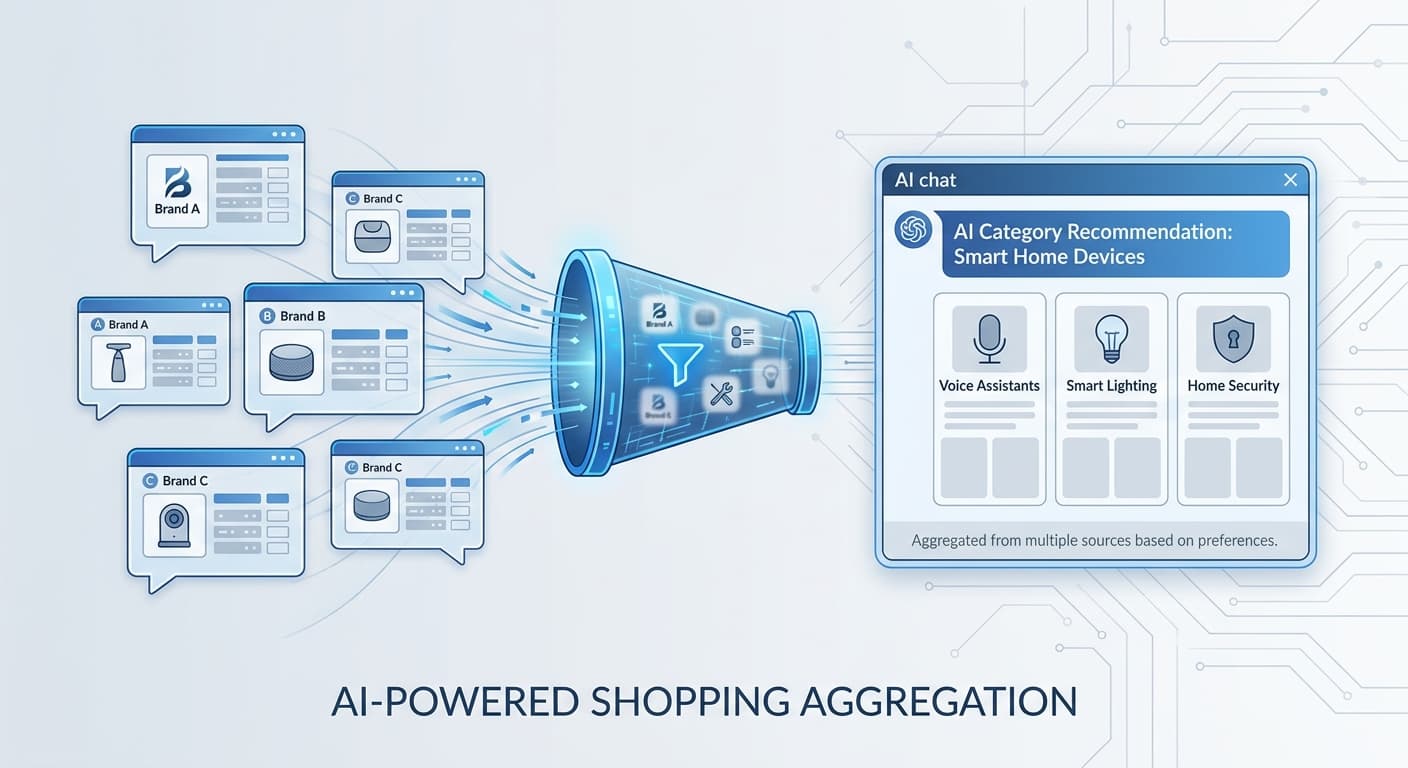
If you're a brand manager, content strategist, or e-commerce professional, you've likely noticed this shift. AI shopping agents are increasingly presenting consumers with synthesized category overviews rather than highlighting specific brands—even when those brands have superior products or compelling advantages.
This isn't just a minor algorithmic change. It's a fundamental transformation in how AI systems present product information, and it demands a completely new approach to product comparison visibility.
The New Reality of AI Shopping Behavior
By late 2025, consumer shopping behavior had evolved dramatically. Research from the Digital Commerce Institute shows that 68% of Gen Z consumers now begin product research with AI assistants rather than traditional search engines or retailer websites. More importantly, 84% of these users accept AI recommendations without clicking through to individual brand pages.
This creates a unique challenge: your product might be objectively superior in features, price, or customer satisfaction, but if the AI doesn't cite your brand specifically, you're invisible to a massive segment of potential customers.
Why AI Shopping Agents Favor Aggregated Responses
AI shopping assistants prioritize category-level recommendations for several reasons:
Understanding these motivations is crucial for developing an effective visibility strategy.
Building Your Product Comparison Visibility Strategy
1. Master Category Authority Positioning
Rather than fighting for individual product citations, position your brand as the definitive authority within your product category. This requires a fundamental shift in content strategy.
Create comprehensive category content that includes:
For example, if you sell wireless headphones, don't just create content about your specific model. Instead, develop authoritative resources about "wireless headphone technology," "audio quality standards," and "headphone buying considerations" that position your expertise while naturally incorporating your products.
2. Leverage Semantic Clustering Strategies
AI systems excel at understanding semantic relationships between concepts. Build content clusters that connect your products to broader category discussions through strategic keyword and topic relationships.
Implementation tactics:
Tools like Citescope Ai's GEO Score analyzer can help identify which semantic elements in your content are most likely to trigger AI citations, even in category-aggregated responses.
3. Optimize for Conversational Query Patterns
AI shopping agents respond to natural, conversational queries differently than traditional search engines. Your content needs to anticipate and answer the specific ways people ask comparison questions.
Focus on these query types:
Structure your content to directly answer these questions while naturally incorporating your product advantages.
4. Implement Strategic Feature Differentiation
Since AI agents favor category-level responses, your differentiation strategy must work within these constraints. Focus on becoming the go-to example for specific features or use cases within your category.
Differentiation approaches:
5. Build Cross-Platform Citation Networks
AI shopping agents draw from multiple data sources when generating responses. Ensure your product information and comparisons appear consistently across platforms that feed into AI training data.
Key platforms to prioritize:
Consistency across these sources increases the likelihood that AI systems will include your brand in aggregated category responses.
6. Develop AI-Friendly Comparison Frameworks
Create structured comparison content that makes it easy for AI systems to extract and synthesize information about your products within category contexts.
Effective framework elements:
Advanced Tactics for Sustained Visibility
Create Category Innovation Content
Position your brand as a thought leader in category innovation by regularly publishing forward-looking content about industry trends, emerging technologies, and future product developments.
Develop Partnership Citation Strategies
Collaborate with complementary brands, industry experts, and trade publications to create co-branded comparison content that increases citation opportunities across multiple brand contexts.
Monitor and Adapt to AI Response Patterns
Regularly test how AI shopping agents respond to queries in your category. Track which types of content and positioning strategies result in brand mentions, even within aggregated responses.
Citescope Ai's Citation Tracker can monitor when your content gets referenced by ChatGPT, Perplexity, Claude, and other AI engines, helping you identify which strategies are driving actual visibility in AI-generated product recommendations.
Measuring Success in the New Landscape
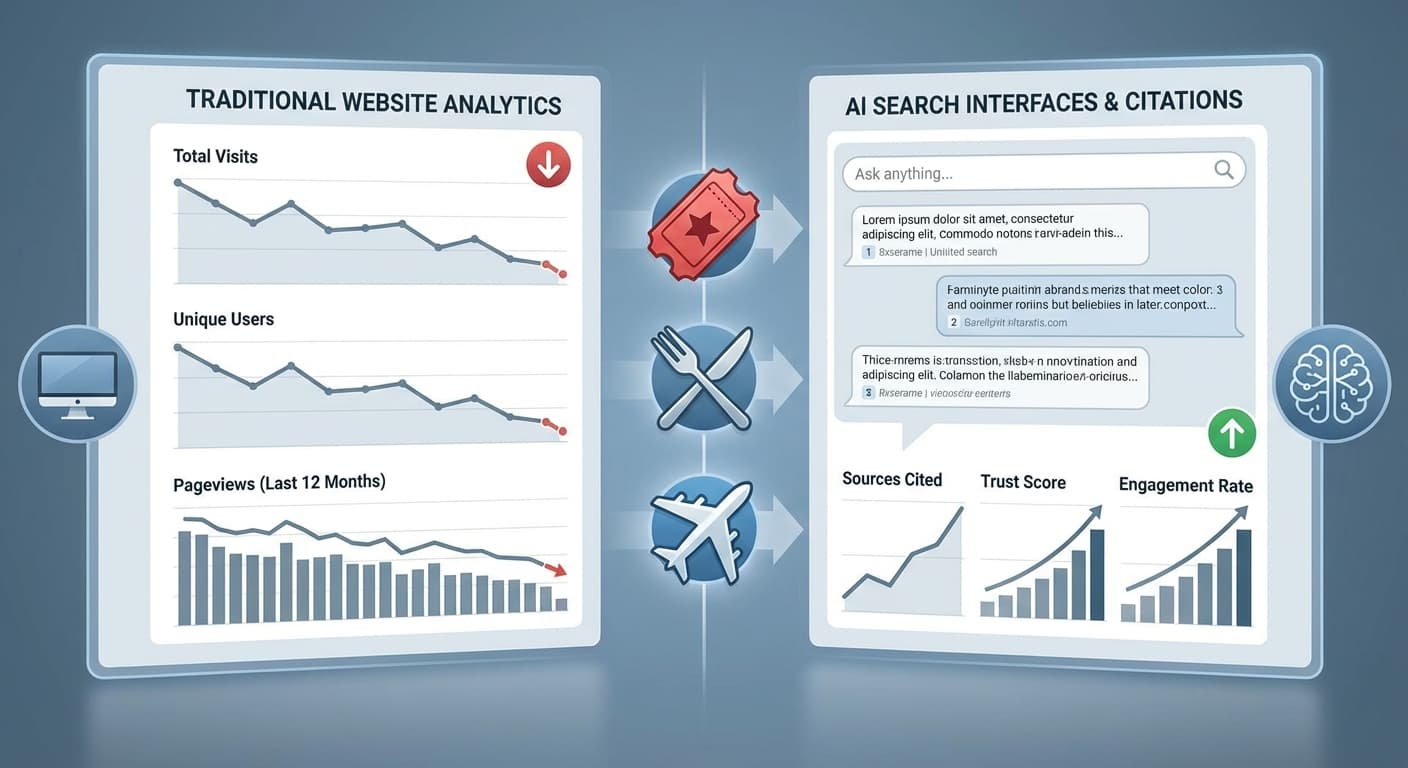
Traditional metrics like brand-specific search rankings become less relevant in an AI-dominated shopping environment. Instead, focus on:
How Citescope Ai Helps Navigate This Challenge
Navigating the shift toward category-aggregated AI responses requires sophisticated content analysis and optimization tools. Citescope Ai's platform addresses this challenge through several key features:
The GEO Score analyzer evaluates your content across five critical dimensions—AI Interpretability, Semantic Richness, Conversational Relevance, Structure, and Authority—providing a comprehensive 0-100 score that indicates how likely your content is to be cited in AI responses, even within category-level aggregations.
The AI Rewriter tool automatically restructures your product comparison content to better align with how AI systems process and synthesize information, increasing your chances of being included in aggregated recommendations.
Most importantly, the Citation Tracker monitors when your content gets referenced across ChatGPT, Perplexity, Claude, and Gemini, allowing you to identify which optimization strategies are actually driving visibility in AI shopping environments.
The Future of Product Comparison Visibility
As AI shopping agents continue to evolve, brands that adapt their visibility strategies will maintain competitive advantages while others struggle with declining discoverability. The key is understanding that individual product promotion is giving way to category authority building and strategic positioning within AI-friendly content frameworks.
Success in this new environment requires consistent execution across multiple content types, platforms, and optimization strategies. Brands that invest in comprehensive category authority building today will be best positioned for sustained visibility as AI shopping adoption continues to accelerate.
Ready to Optimize for AI Search?
Building an effective product comparison visibility strategy requires the right tools and insights. Citescope Ai helps content teams optimize their product content for maximum AI citation potential while tracking real-world visibility across all major AI platforms. Start with our free tier to analyze up to 3 pieces of content monthly, or explore our Pro and Enterprise plans for comprehensive optimization capabilities. Try Citescope Ai free today and transform how AI shopping agents discover and recommend your products.