How to Build a Predictive SEO Framework Using AI Analytics When Reactive Optimization Is No Longer Enough
How to Build a Predictive SEO Framework Using AI Analytics When Reactive Optimization Is No Longer Enough
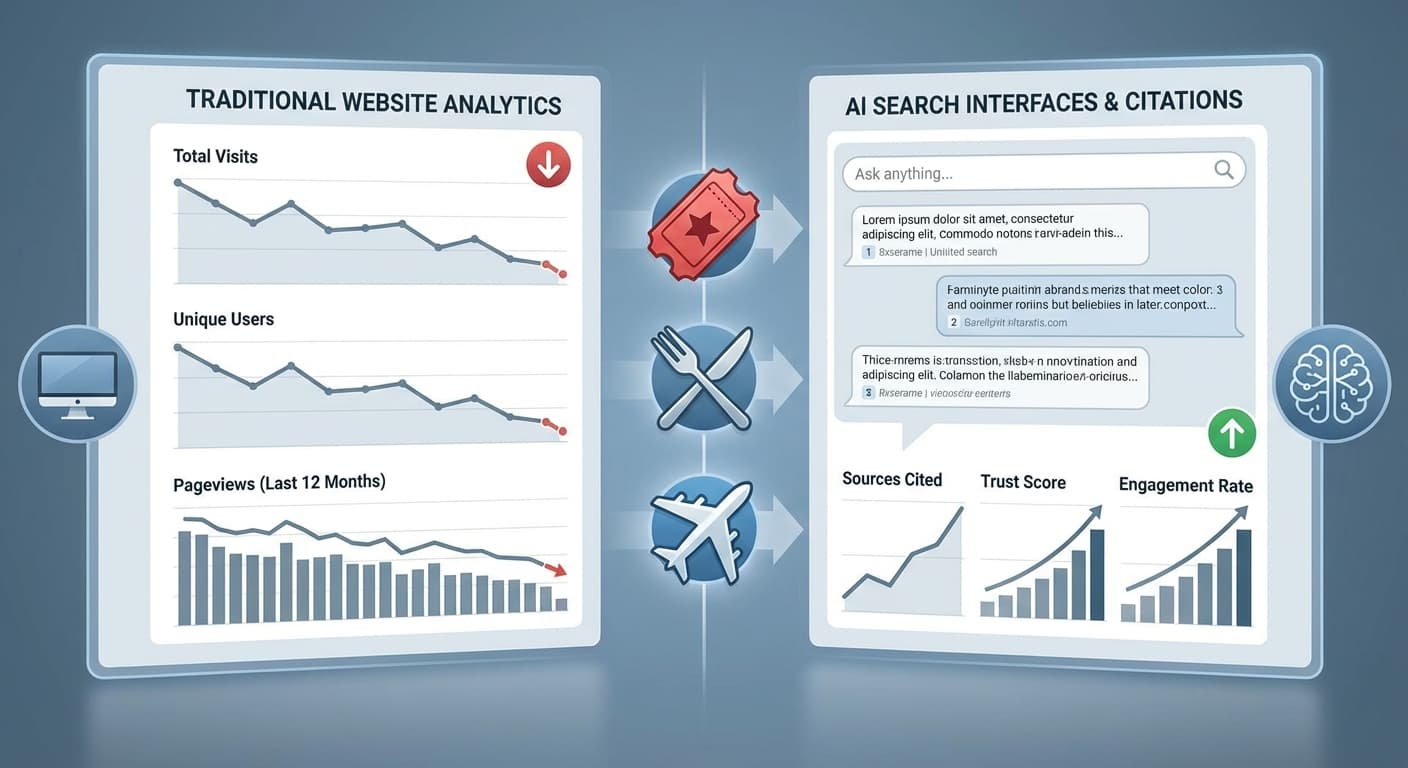
By 2026, the digital landscape has fundamentally shifted. With over 500 million weekly ChatGPT users and AI search now accounting for 35% of all search queries, reactive SEO—the practice of optimizing content after performance drops—feels like trying to catch raindrops with a teacup. High-intent traffic that once flowed predictably through traditional search engines is now scattered across AI-powered platforms, making real-time optimization not just advantageous, but essential for survival.
The question isn't whether you need a predictive SEO framework—it's how quickly you can build one before your competitors do.
Why Reactive SEO Is Failing in the AI Era
Traditional SEO operates on a lag. You publish content, wait for Google to crawl and index it, monitor rankings over weeks or months, then react to performance data. This cycle worked when search behavior was predictable and algorithm updates happened quarterly.
Today's reality is starkly different:
Reactive optimization means you're always playing catch-up, watching high-intent traffic slip away to competitors who anticipated the shift.
The Anatomy of a Predictive SEO Framework
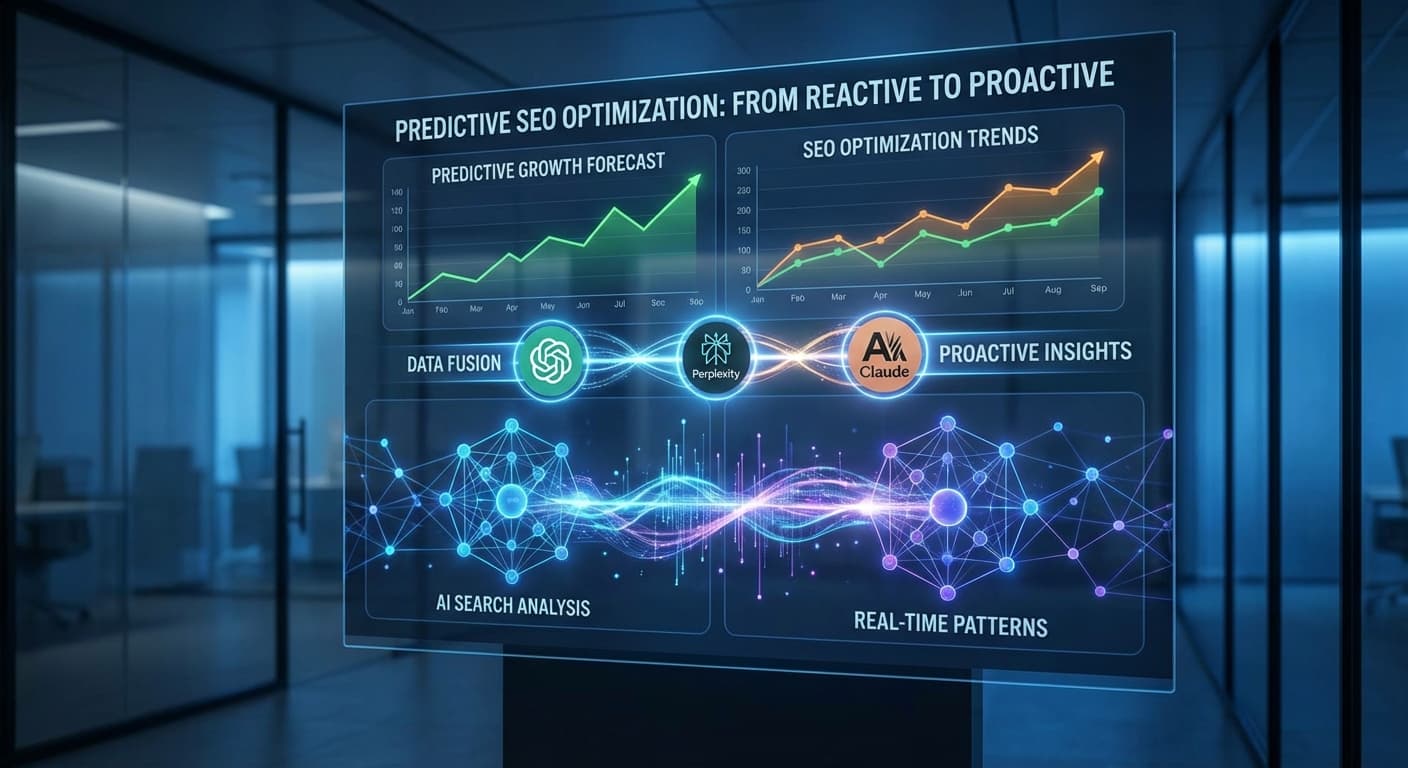
A predictive SEO framework doesn't just respond to changes—it anticipates them. Here's how to build one that captures high-intent traffic before your competition even knows it exists.
1. Implement Real-Time Intent Monitoring
Modern predictive SEO starts with understanding intent before it becomes mainstream. This means:
Monitor AI Conversation Patterns
Identify Intent Signals
Create Intent Scoring Models
Develop a scoring system that weights:
2. Build AI-First Content Intelligence
Unlike traditional SEO content, AI-optimized content requires different signals. Your framework should include:
Semantic Depth Analysis
Conversational Optimization
Citescope Ai's GEO Score analyzes content across five critical dimensions—AI Interpretability, Semantic Richness, Conversational Relevance, Structure, and Authority—giving you a clear 0-100 score for optimization potential. This removes guesswork from AI content optimization.
3. Develop Predictive Performance Models
Transform historical data into future insights:
Content Performance Forecasting
Competitive Intelligence Automation
ROI Prediction Models
Advanced Tactics for High-Intent Traffic Capture
Multi-Platform Optimization Strategy
Different AI engines have distinct preferences. Your predictive framework should account for:
Platform-Specific Optimization
Cross-Platform Citation Tracking
Monitor which content gets cited across platforms to understand format preferences and optimize accordingly.
Dynamic Content Adaptation
Implement systems that automatically adjust content based on performance predictions:
A/B Testing at Scale
Real-Time Content Updates
Measuring Predictive Framework Success
Traditional metrics like rankings and organic traffic tell only part of the story. Your predictive SEO framework needs new KPIs:
Leading Indicators
Conversion Metrics
Implementation Roadmap
Phase 1 (Weeks 1-2): Foundation
Phase 2 (Weeks 3-6): Model Development
Phase 3 (Weeks 7-12): Scale and Optimize
How Citescope Ai Accelerates Your Predictive Framework
Building a predictive SEO framework from scratch is complex and time-intensive. Citescope Ai streamlines this process by providing:
Rather than spending months building custom analytics and optimization tools, you can focus on strategy and content creation while Citescope Ai handles the technical optimization.
The Cost of Waiting
Every day you delay implementing a predictive SEO framework, competitors capture more of the high-intent traffic that could drive your business growth. In 2026's competitive landscape, reactive optimization isn't just inefficient—it's a path to irrelevance.
The businesses winning in AI search aren't necessarily the biggest or most established. They're the ones who recognized the shift early and built systems to capitalize on it predictively rather than reactively.
Ready to Optimize for AI Search?
Building a predictive SEO framework doesn't have to be overwhelming. Citescope Ai provides the tools and insights you need to optimize content for AI search engines, track citations across platforms, and stay ahead of the competition. Start with our free tier—3 optimizations per month to test our GEO scoring and AI rewriting capabilities. When you're ready to scale, Pro ($39/month) and Enterprise ($99/month) plans offer unlimited optimizations and advanced analytics. Don't let reactive SEO hold your content back. Try Citescope Ai free today and start capturing high-intent AI search traffic before your competitors do.