How to Build a Personalized AI Visibility Strategy for the Era of User-Level Answer Customization
How to Build a Personalized AI Visibility Strategy for the Era of User-Level Answer Customization
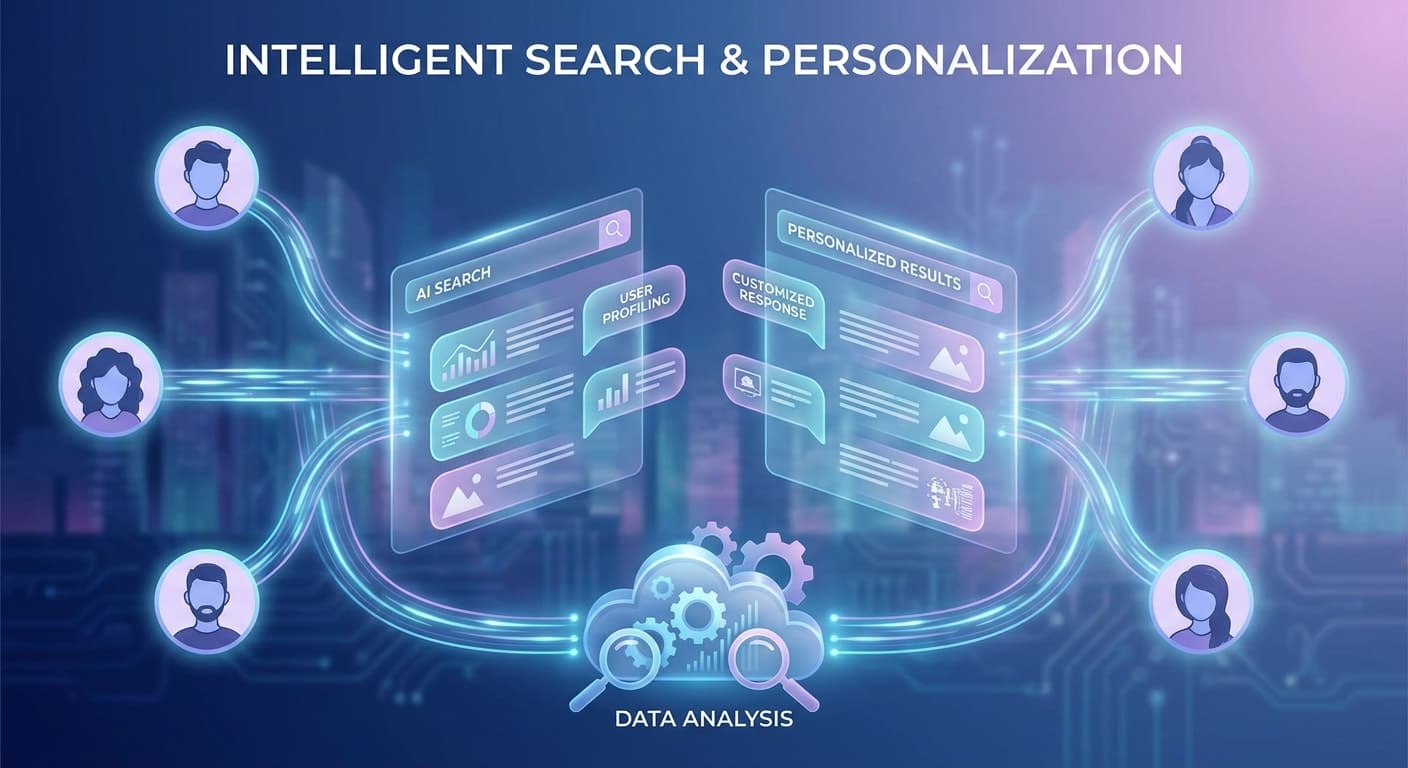
By 2026, AI search engines are serving personalized answers to 78% of queries, with ChatGPT, Perplexity, and Claude now leveraging individual user data to customize responses based on search history, preferences, and behavioral patterns. Yet a staggering 92% of traditional SEO strategies completely ignore this seismic shift toward user-level answer customization—leaving most brands invisible in the personalized AI responses that matter most.
The game has fundamentally changed. When Google's AI overviews and ChatGPT's search features show different brands to different users for identical queries, generic optimization strategies become obsolete overnight.
The New Reality of Personalized AI Search
AI search engines have evolved beyond simple keyword matching. In 2025-2026, they're creating unique answer experiences for each user by analyzing:
This personalization means your content might rank #1 for one user while being completely invisible to another user asking the exact same question. Traditional SEO metrics like "average ranking" become meaningless when every user sees a different result.
Why 92% of SEO Strategies Fail in the Personalized AI Era
Most content optimization approaches still target "the average searcher"—a person who no longer exists in AI search. Here's why traditional strategies fall short:
The One-Size-Fits-All Problem
Traditional SEO optimizes for universal keywords and generic user intent. But AI engines now serve:
Missing the Multi-Persona Content Gap
AI search engines don't just pick one "best" answer anymore. They craft personalized responses by combining insights from multiple sources that match the user's profile. If your content only appeals to one user persona, you're missing 70%+ of potential visibility opportunities.
Ignoring Behavioral Triggers
AI engines analyze how users interact with different content types:
Building Your Personalized AI Visibility Strategy
1. Create Multi-Layered Content Architecture
Instead of creating one piece of content per topic, develop content clusters that serve different user profiles:
Core Topic: "Project Management Software"
Each layer targets different user sophistication levels and search intent patterns that AI engines recognize.
2. Implement Contextual Content Signals
AI search engines look for contextual clues to match content with user profiles. Include these signals:
Industry Context Markers:
Experience Level Indicators:
Intent-Based Language:
3. Develop User Journey Content Mapping
Map your content to different stages of user sophistication and intent:
Awareness Stage Users (get educational, foundational content):
Consideration Stage Users (get comparison and evaluation content):
Decision Stage Users (get specific, actionable content):
4. Optimize for Semantic Richness Across User Types
AI engines evaluate semantic richness differently for different user profiles. Your content needs to satisfy multiple semantic layers:
5. Build Authority Across Multiple Dimensions
Personalized AI search considers different authority signals for different users:
Technical Authority (for expert users):
Practical Authority (for implementation-focused users):
Comparative Authority (for decision-making users):
Measuring Success in Personalized AI Search
Traditional ranking metrics don't capture personalized AI visibility. Focus on these new KPIs:
AI Citation Diversity Metrics
Engagement Quality Indicators
How Citescope Ai Helps
Citescope Ai's GEO Score analyzes your content across five critical dimensions that directly impact personalized AI visibility:
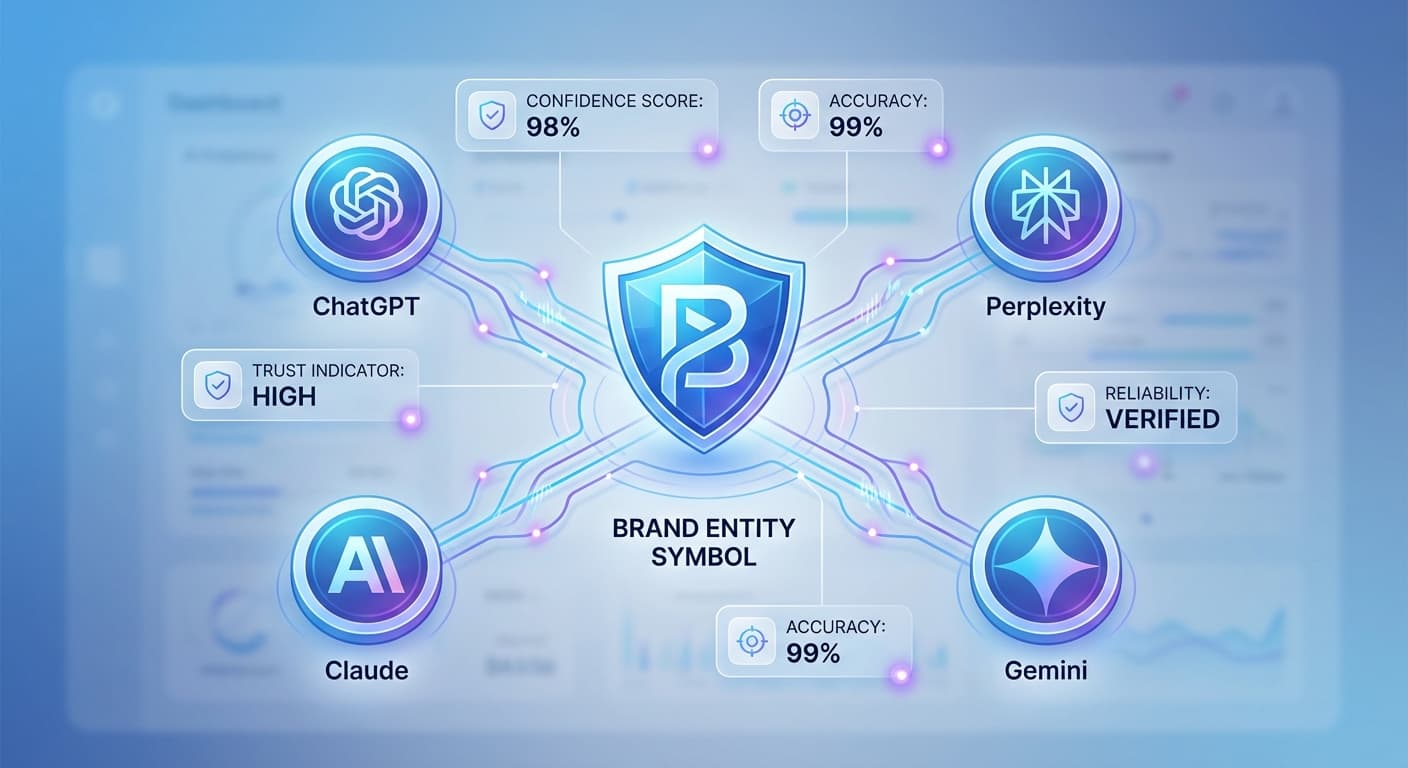
The Citation Tracker shows you exactly which user contexts and query types are citing your content across ChatGPT, Perplexity, Claude, and Gemini—giving you unprecedented visibility into your personalized AI performance.
Advanced Personalization Tactics for 2026
Geographic and Cultural Customization
AI engines increasingly serve location and culture-specific content. Create versions of your content that include:
Temporal Content Optimization
Personalized AI considers when users typically search and their urgency levels:
Device and Context Awareness
Optimize for different consumption contexts:
The Future of AI Visibility Strategy
By 2027, AI search personalization will become even more sophisticated, with engines predicting user needs before they search. The brands that start building multi-layered, persona-aware content strategies now will dominate personalized AI visibility in the years ahead.
The shift from generic SEO to personalized AI optimization isn't coming—it's already here. The question is whether you'll adapt your strategy to meet users where they are, or continue optimizing for the "average user" who no longer exists in AI search results.
Ready to Optimize for AI Search?
Personalized AI search requires a fundamentally different approach to content optimization. Citescope Ai helps you understand exactly how AI engines interpret your content for different user profiles and provides actionable insights to improve your visibility across all user contexts. Start with our free tier and discover how your content performs in the personalized AI search landscape—then optimize with confidence using our AI-powered rewriter and comprehensive citation tracking.