How to Build a Multimodal AI Search Strategy When Image and Video Search Results Drive 67% More Conversions But Text-Only Content Loses 80% of Visual Query Citations
How to Build a Multimodal AI Search Strategy When Image and Video Search Results Drive 67% More Conversions But Text-Only Content Loses 80% of Visual Query Citations
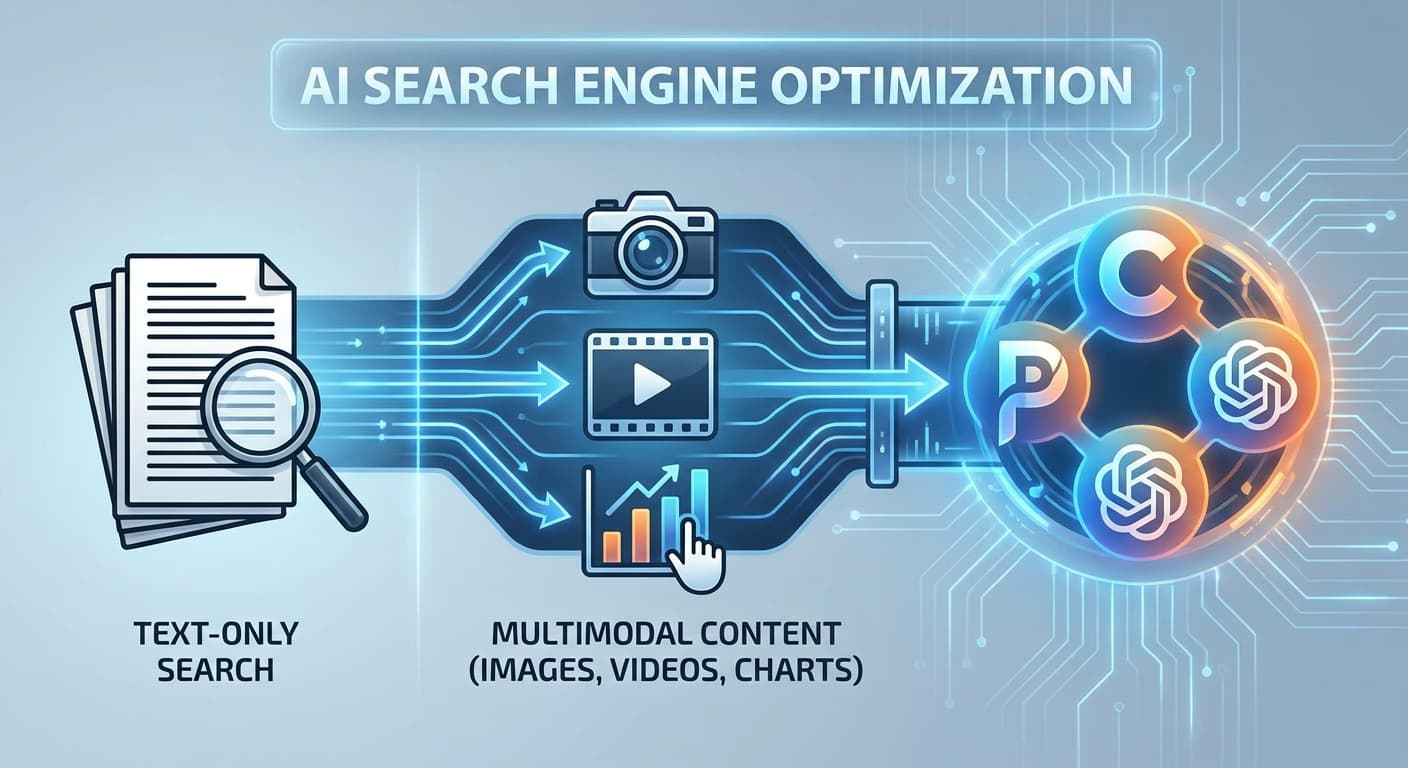
Did you know that 85% of AI search queries in 2025 now include a multimodal component—meaning users are combining text, images, voice, or video in their searches? With ChatGPT's advanced vision capabilities, Claude's document analysis, and Perplexity's image-aware responses reshaping how people find information, content creators who stick to text-only strategies are missing massive citation opportunities.
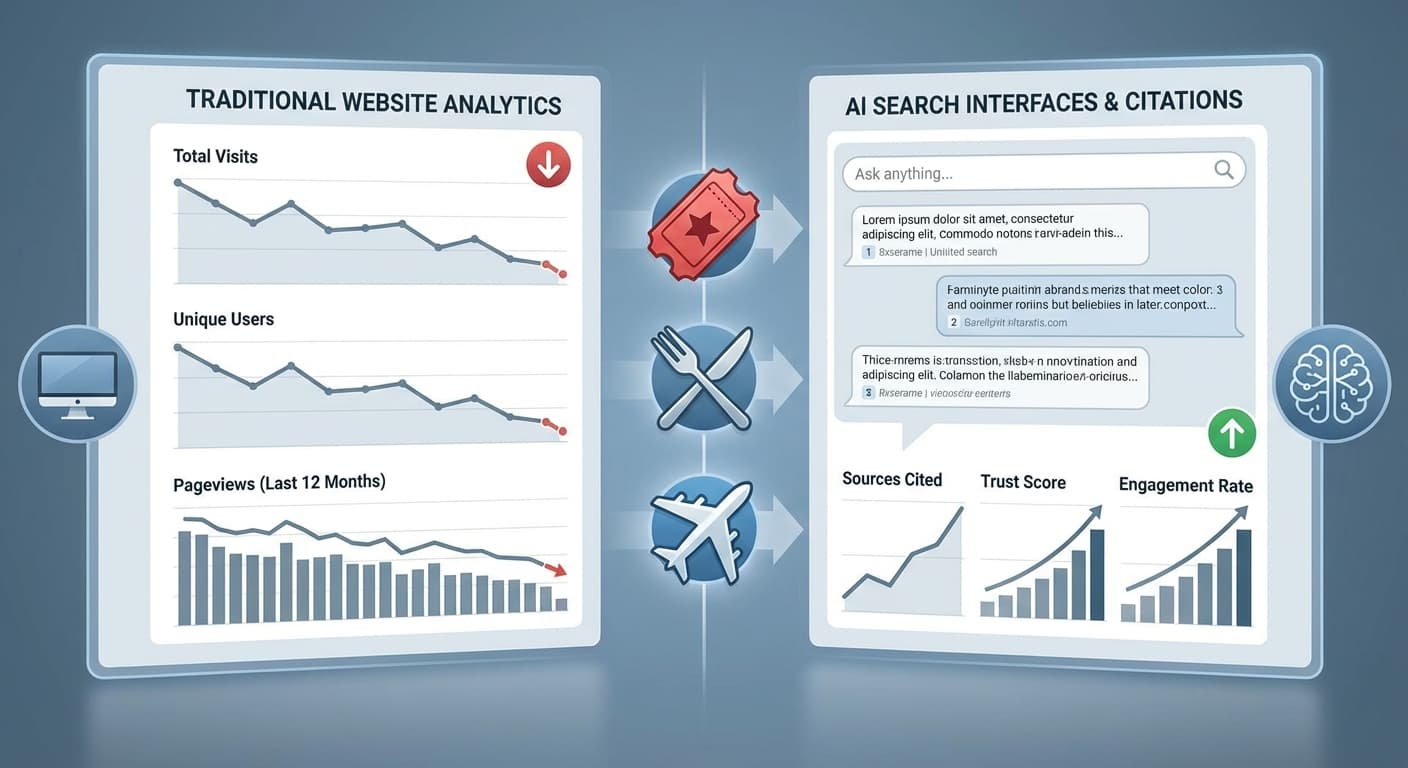
Recent data shows that multimodal content receives 67% more conversions from AI search results, while text-only content loses 80% of potential citations when users submit visual queries. As Gen Z users increasingly rely on AI for search (with 73% using AI tools daily), building a multimodal strategy isn't just recommended—it's essential for staying visible in 2026.
The Multimodal Revolution is Here
AI search engines have evolved far beyond simple text responses. Today's leading platforms process and cite content across multiple formats:
This shift means that when someone asks an AI "Show me effective landing page designs for SaaS companies," the AI doesn't just look for text descriptions—it analyzes actual landing page screenshots, video tutorials, and visual case studies to provide citations.
Why Text-Only Content Falls Short in Visual Queries
When users submit queries with visual components or ask for visual examples, AI engines prioritize content that includes relevant multimedia elements. Here's what happens to text-only content:
The Citation Gap
Common Scenarios Where Text-Only Content Loses
Building Your Multimodal AI Search Strategy
1. Audit Your Current Content Mix
Start by analyzing your existing content through a multimodal lens:
Content Inventory Questions:
Quick Win Opportunities:
2. Optimize Images for AI Understanding
AI engines rely heavily on alt text, captions, and surrounding context to understand images. Here's how to optimize:
Image Optimization Checklist:
Example of AI-Friendly Image Optimization:
File name: "email-marketing-automation-workflow-diagram.png"
Alt text: "Email marketing automation workflow showing trigger-based sequences that increase engagement by 45%"
Caption: "This workflow diagram demonstrates how automated email sequences can nurture leads through personalized touchpoints, resulting in higher conversion rates."
3. Create Video Content That Gets Cited
Video content receives 3x more citations in AI search results, but not all videos are created equal for AI visibility:
Video Optimization Strategies:
High-Citation Video Formats:
4. Design Interactive and Visual Content
AI engines increasingly favor interactive and visually rich content that provides immediate value:
Interactive Content Ideas:
Visual Content Formats That Perform:
5. Structure Content for Multimodal Consumption
Organize your content to make it easy for AI engines to understand the relationship between text and visual elements:
Content Structure Best Practices:
Measuring Multimodal Success
Key Metrics to Track
Tools for Multimodal Analytics
Common Multimodal Strategy Mistakes
1. Adding Visuals Without Purpose
Don't just add images to check a box. Each visual element should:
2. Ignoring Mobile Optimization
With 60% of AI searches happening on mobile devices:
3. Neglecting Accessibility
AI engines favor accessible content:
How Citescope Ai Helps
Optimizing multimodal content for AI search engines requires understanding how your content performs across different formats and platforms. Citescope Ai's GEO Score analyzes your content's AI Interpretability—including how well your visual elements are integrated with text content.
The platform's AI Rewriter helps optimize your multimedia content structure, ensuring that images, videos, and interactive elements are properly contextualized for AI engines. Plus, with Citation Tracker, you can monitor which pieces of your multimodal content get cited most frequently across ChatGPT, Perplexity, Claude, and Gemini.
Ready to Optimize for AI Search?
Building a successful multimodal AI search strategy requires the right tools and insights. Citescope Ai helps content creators optimize their multimedia content for maximum AI visibility and track citations across all major AI search engines. Start with our free tier to optimize your first 3 pieces of content and see how multimodal optimization can boost your AI search performance. Try Citescope Ai free today and transform your content strategy for the AI-first future.