GEO Strategy

How to Build a Multi-Touch AI Attribution Model When Users Research in ChatGPT, Compare in Perplexity, and Convert Through Google Without Ever Clicking Your Website
April 23, 20267 min read
How to Build a Multi-Touch AI Attribution Model When Users Research in ChatGPT, Compare in Perplexity, and Convert Through Google Without Ever Clicking Your Website

How to Build a Multi-Touch AI Attribution Model When Users Research in ChatGPT, Compare in Perplexity, and Convert Through Google Without Ever Clicking Your Website

The modern customer journey has been completely transformed. In 2026, over 73% of consumers now use AI-powered search engines like ChatGPT, Perplexity, and Claude as their primary research tools, yet most businesses are still measuring success with outdated attribution models designed for the click-through web.

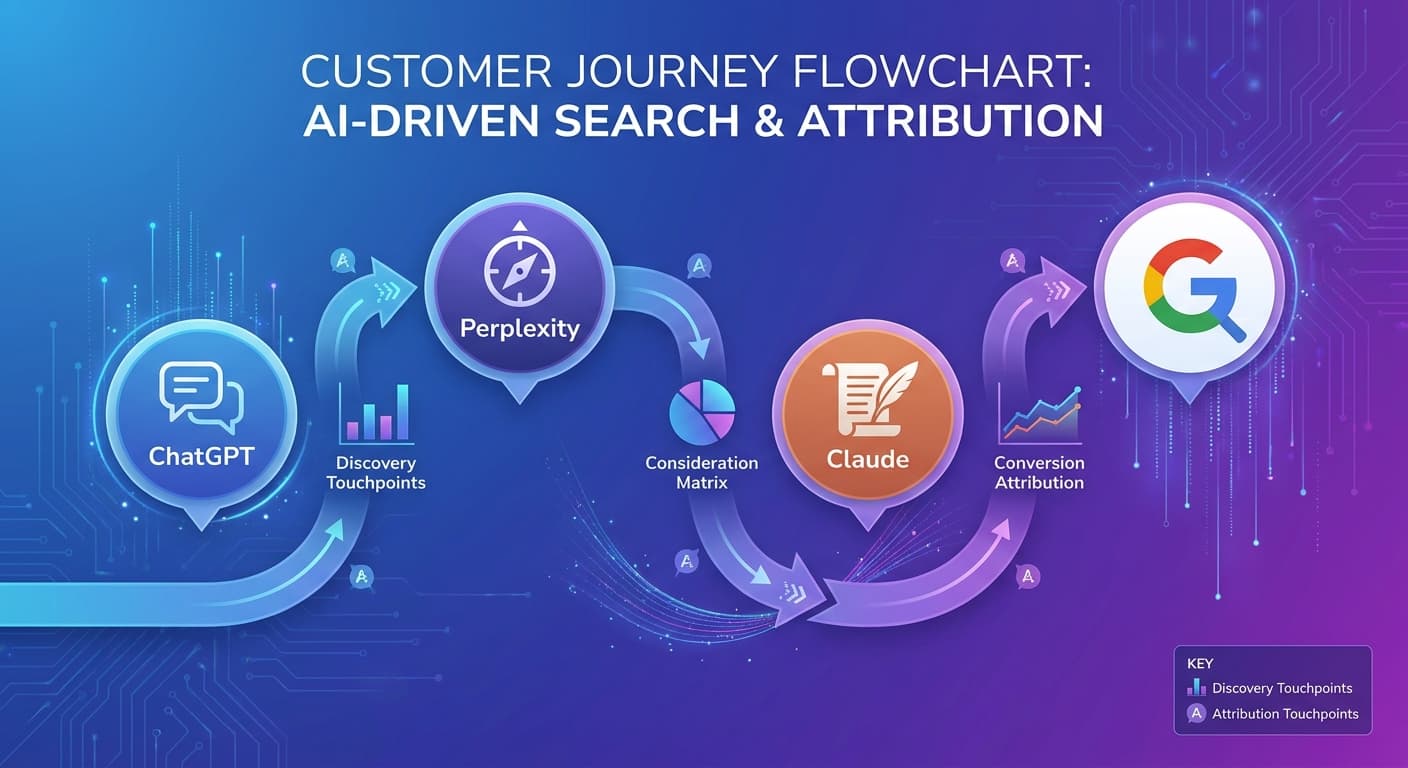
Here's the reality: Your potential customers might discover your brand through a ChatGPT conversation, validate their decision on Perplexity, check reviews on Claude, and then make their final purchase through a direct Google search—all without ever visiting your website during their research phase. Traditional analytics tools can't track this journey, leaving marketers blind to their true impact across AI channels.

The Problem with Traditional Attribution Models in the AI Era

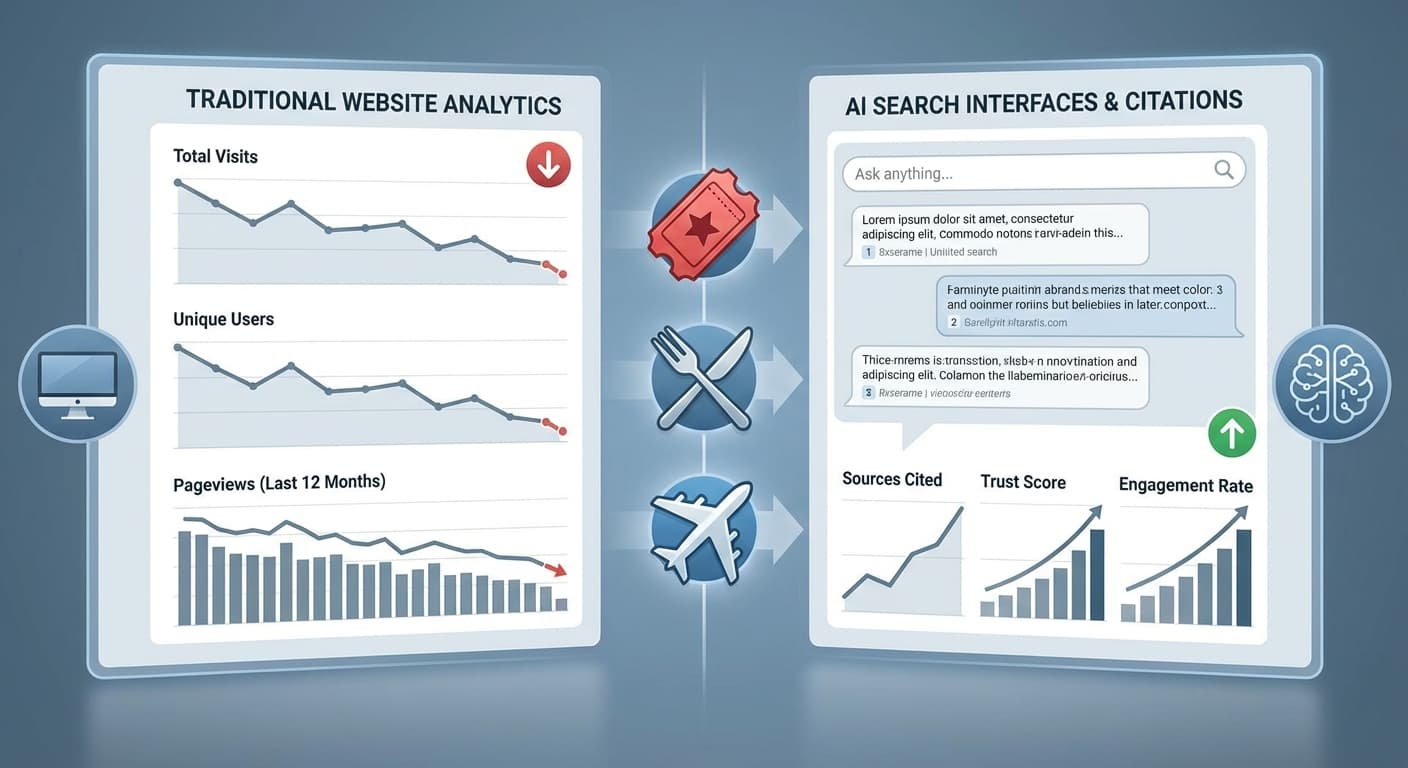
Traditional marketing attribution relies on trackable touchpoints: clicks, page views, form submissions, and cookie-based tracking. But AI search engines operate differently:

  • Zero-click interactions: Users get answers without clicking through to websites

  • Cross-platform research: The same user might research on ChatGPT, fact-check on Perplexity, and convert via Google

  • Extended consideration periods: AI tools make it easier to research thoroughly, extending the time between first exposure and conversion

  • Invisible brand impressions: Your content influences decisions even when you're not directly attributed
  • According to recent studies, B2B buyers now consume an average of 13 pieces of content before making a purchase decision, with 45% of that consumption happening through AI search engines that don't generate traditional traffic.

    Understanding the Multi-Touch AI Customer Journey

    The modern AI-influenced customer journey typically follows this pattern:

    Stage 1: AI Discovery


  • User asks broad questions in ChatGPT or Claude

  • Your optimized content gets surfaced in AI responses

  • Brand awareness is created without direct website visits
  • Stage 2: AI Comparison


  • User seeks specific comparisons on Perplexity or Google's AI Overviews

  • Your content appears alongside competitors

  • Purchase consideration is influenced by AI citations
  • Stage 3: Validation


  • User might cross-reference information across multiple AI platforms

  • Social proof and reviews become critical

  • Trust signals in AI responses matter most
  • Stage 4: Conversion


  • Final search often happens on traditional Google

  • User searches your brand name directly

  • Conversion appears as "direct traffic" in analytics
  • Building Your Multi-Touch AI Attribution Framework

    1. Implement AI Citation Tracking

    The foundation of AI attribution is knowing when and where your content gets cited. This requires:

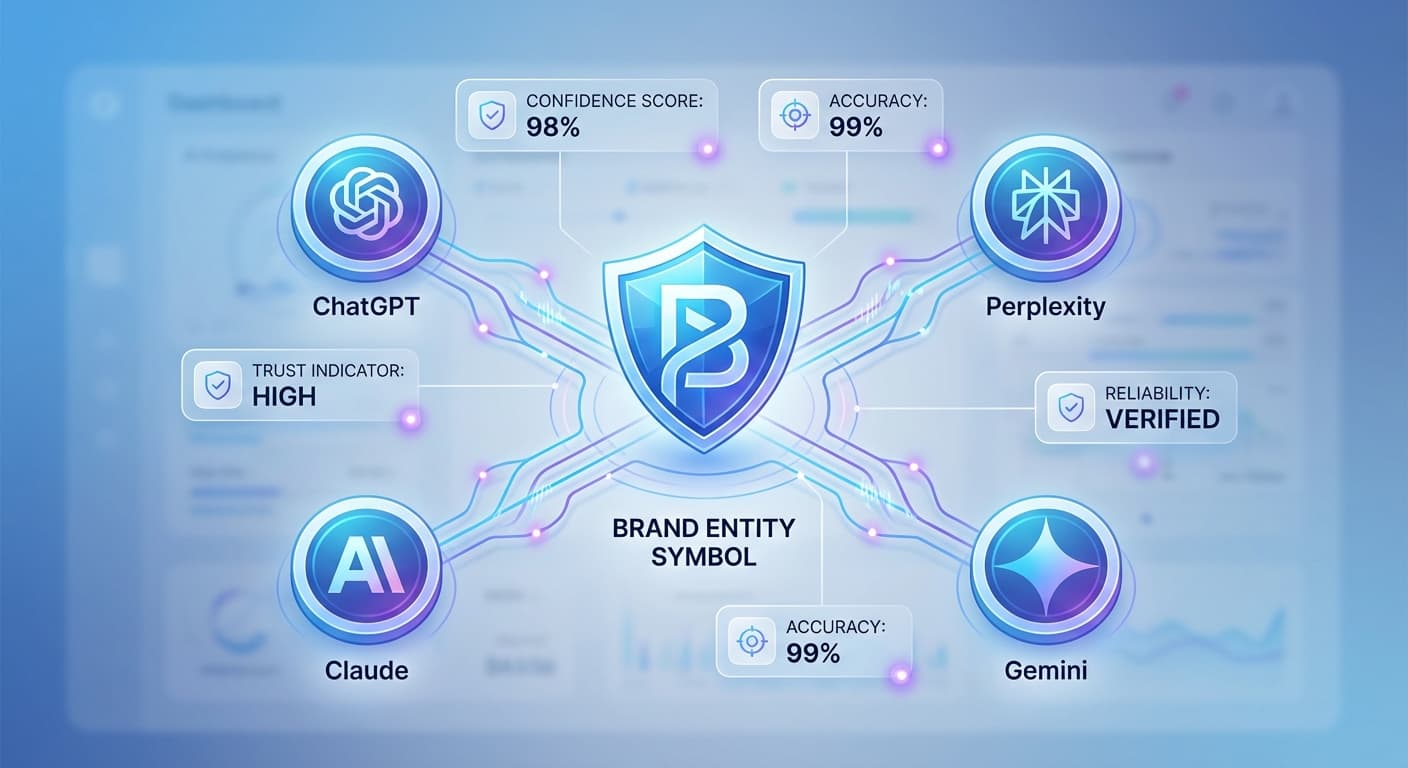
  • AI response monitoring: Track mentions across ChatGPT, Perplexity, Claude, and Gemini

  • Brand mention analysis: Monitor both direct brand citations and content attribution

  • Competitive intelligence: See how often competitors get cited in similar queries

  • Topic association tracking: Understand which topics consistently generate AI citations
  • Citescope Ai's Citation Tracker monitors these mentions automatically, alerting you whenever your content gets referenced by major AI engines and providing detailed analytics on citation frequency and context.

    2. Create AI-Optimized Content Funnels

    Develop content specifically designed for AI consumption at each funnel stage:

    Top of Funnel (Discovery)

  • Educational content optimized for broad AI queries

  • FAQ-style content that answers common questions

  • Statistical and data-heavy content AI engines trust
  • Middle of Funnel (Comparison)

  • Detailed comparison guides and versus content

  • Feature breakdowns and specification sheets

  • Case studies with measurable outcomes
  • Bottom of Funnel (Decision)

  • Buyer's guides and selection criteria

  • Pricing information and value propositions

  • Trust signals and social proof
  • 3. Use UTM Parameters for AI-Influenced Traffic

    While AI engines don't generate direct clicks, you can still track their influence:

  • Create unique UTM campaigns for content likely to be cited by AI

  • Use branded search volume as a proxy for AI influence

  • Track increases in direct traffic following AI citation peaks

  • Monitor organic search volume for your brand terms
  • 4. Implement Cross-Platform Brand Monitoring

    Set up comprehensive monitoring across:

  • AI search engines: ChatGPT, Perplexity, Claude, Gemini

  • Traditional search: Google, Bing organic and AI overviews

  • Social platforms: Reddit, Twitter, LinkedIn mentions

  • Review platforms: G2, Capterra, Trustpilot
  • 5. Create AI Attribution Scoring Models

    Develop a weighted scoring system that assigns value to different AI touchpoints:

    High Value (75-100 points)

  • Direct brand citations in AI responses

  • Product/service recommendations from AI

  • Inclusion in "best of" or comparison lists
  • Medium Value (40-75 points)

  • Content cited as supporting evidence

  • Mentions in industry trend discussions

  • References in how-to guides
  • Low Value (10-40 points)

  • General industry mentions

  • Indirect content references

  • Background information citations
  • Measuring Success: Key AI Attribution Metrics

    Primary Metrics


  • AI Citation Volume: Total number of citations across all platforms

  • Citation Quality Score: Weighted value based on context and prominence

  • AI-Influenced Conversions: Conversions following AI citation spikes

  • Brand Search Lift: Increase in branded search following AI mentions
  • Secondary Metrics


  • Share of AI Voice: Your citations vs. competitor citations

  • AI Engagement Depth: How often your content is referenced in follow-up queries

  • Cross-Platform Citation Correlation: Citations that span multiple AI engines

  • Topic Authority Score: Consistency of citations across related topics
  • Advanced Attribution Techniques

    1. Behavioral Cohort Analysis


    Group users based on their AI interaction patterns:
  • AI-first researchers (start with ChatGPT/Claude)

  • Cross-validators (use multiple AI platforms)

  • Traditional converters (end journey with Google search)
  • 2. Time-Decay Attribution


    Assign decreasing value to older AI touchpoints:
  • Recent citations (last 7 days): 100% weight

  • Medium-term citations (8-30 days): 60% weight

  • Older citations (30+ days): 20% weight
  • 3. Intent-Based Scoring


    Weight citations based on user intent signals:
  • Transactional queries: 3x multiplier

  • Commercial investigation: 2x multiplier

  • Informational queries: 1x multiplier
  • How Citescope Ai Helps Build Your Attribution Model

    Building a comprehensive AI attribution model requires specialized tools that can track citations across multiple AI platforms and analyze their impact on your business goals.

    Citescope Ai provides the infrastructure for effective AI attribution through:

  • Real-time Citation Monitoring: Automatically tracks when your content gets cited across ChatGPT, Perplexity, Claude, and Gemini

  • GEO Score Analytics: Measures your content's AI visibility potential across five key dimensions

  • Competitive Intelligence: Shows how your citation performance compares to competitors

  • Content Optimization: AI Rewriter tool helps improve your content's chances of being cited

  • Performance Correlation: Links citation patterns to business outcomes and conversion data
  • The platform's dashboard provides attribution-focused analytics that help you understand which content drives the most valuable AI citations and how those citations correlate with downstream conversions.

    Implementation Roadmap

    Week 1-2: Foundation Setup


  • Implement AI citation tracking tools

  • Set up cross-platform monitoring

  • Create baseline measurement framework
  • Week 3-4: Content Audit


  • Analyze existing content for AI optimization opportunities

  • Identify high-potential content for AI rewriting

  • Develop AI-optimized content calendar
  • Week 5-8: Attribution Model Testing


  • Launch pilot attribution tracking

  • Test correlation between AI citations and conversions

  • Refine scoring methodology based on early data
  • Week 9-12: Scale and Optimize


  • Expand monitoring across all content

  • Implement automated reporting

  • Optimize content based on attribution insights
  • The Future of AI Attribution

    As AI search engines continue to evolve, attribution models will need to become even more sophisticated. Expect to see:

  • Enhanced AI transparency: Platforms may provide more detailed citation analytics

  • Cross-platform integration: Better data sharing between AI engines and analytics tools

  • Intent prediction: AI tools that predict conversion likelihood based on citation patterns

  • Real-time optimization: Dynamic content adjustment based on AI performance data
  • Ready to Optimize for AI Search?

    The shift to AI-powered search isn't coming—it's already here. Businesses that build robust AI attribution models now will have a significant competitive advantage as more consumers adopt AI-first research behaviors.

    Citescope Ai makes it easy to start tracking your AI citations and building attribution models that reflect the modern customer journey. With our Citation Tracker, GEO Score analytics, and content optimization tools, you can finally measure and improve your impact across all AI search engines.

    Start your free trial today and discover how your content is already performing in AI search engines. Get 3 free optimizations to test how our tools can improve your AI visibility and attribution tracking.
    AI AttributionCustomer JourneyAI SearchMarketing AnalyticsContent Optimization

    Track your AI visibility

    See how your content appears across ChatGPT, Perplexity, Claude, and more.

    Start for Free