How to Build a Multi-Surface AI Search Measurement Strategy When 80% of Marketing Teams Optimize for a Single Platform
Here's a sobering reality check: While 80% of marketing teams are still laser-focused on optimizing for Google, the search landscape has fundamentally transformed. Today in 2026, AI-powered search across ChatGPT (serving 600M+ weekly users), Perplexity, Claude, and social AI features accounts for over 35% of all search queries. Yet most brands are measuring success through a single-platform lens.
The fragmentation is real, and it's accelerating. Your content might rank #1 on Google but be completely invisible to the growing 72% of Gen Z users who default to AI search for research and discovery. This visibility gap isn't just a missed opportunity—it's a strategic blind spot that could define competitive advantage in 2026 and beyond.
The Multi-Surface Search Reality
The days of "one search engine to rule them all" are over. Today's search ecosystem spans:
Traditional Google Search: Still dominant but declining share (now ~55% of total queries)ChatGPT Search: 600M+ weekly active users conducting research queriesPerplexity: Growing 400% year-over-year with professional user adoptionClaude: Particularly strong in technical and educational content discoverySocial AI Search: Instagram, TikTok, and LinkedIn AI-powered discoveryVoice AI: Alexa, Siri, and Google Assistant with improved conversational searchEach platform has unique algorithms, content preferences, and citation patterns. A keyword that performs brilliantly on Google might never surface in ChatGPT responses, while content optimized for Perplexity's academic tone could fall flat on social AI features.
Why Single-Platform Optimization Is Failing
The Attribution Problem
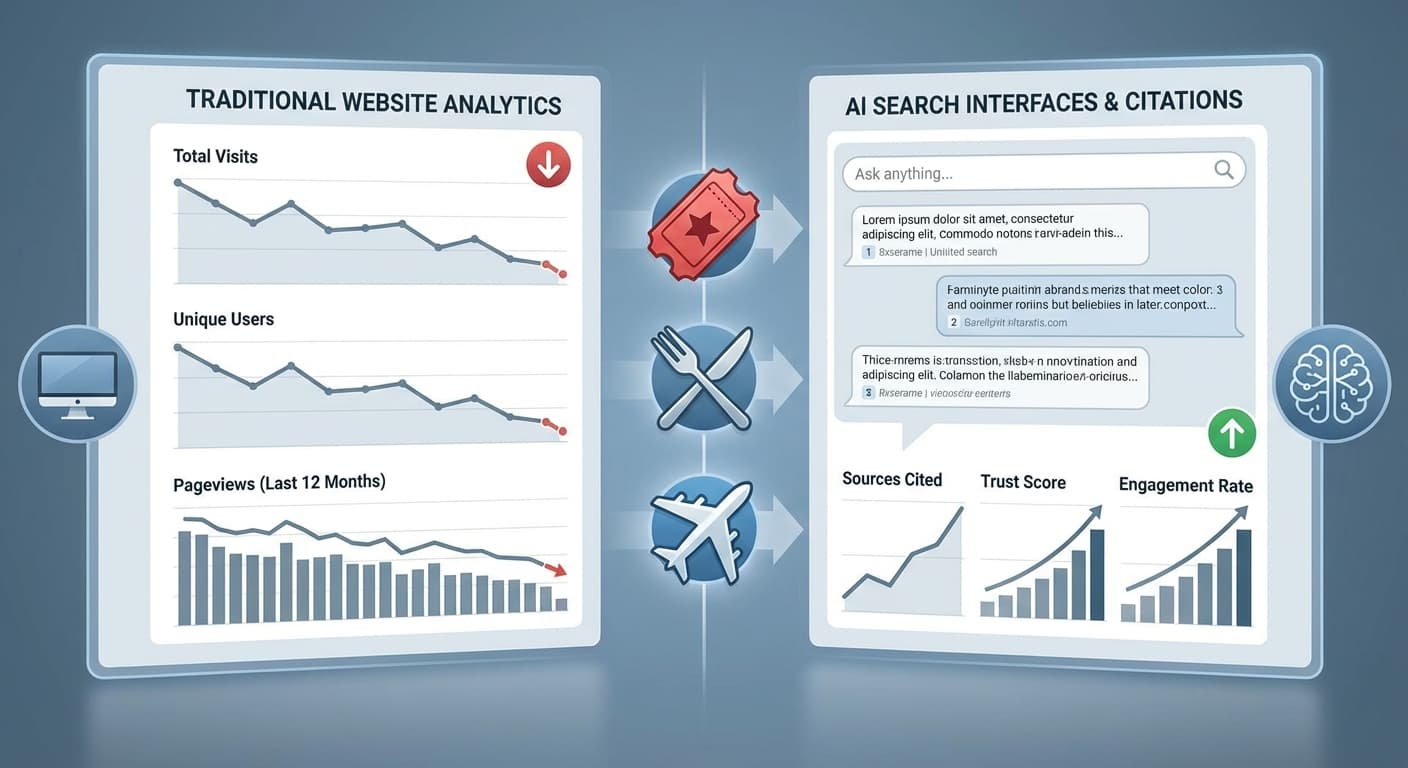
Traditional analytics tools show you Google traffic, social referrals, and direct visits. But they can't tell you:
When ChatGPT cites your research in a response to 50,000 usersHow often Perplexity references your data in academic queriesWhether Claude includes your brand in competitive comparisonsIf your content appears in AI-generated social media recommendationsThis "dark traffic" from AI citations represents millions of brand impressions that go completely unmeasured.
The Optimization Mismatch
Google rewards authority signals like backlinks and domain age. AI search engines prioritize:
Semantic clarity: How well content answers specific questionsConversational relevance: Natural language patterns that match AI trainingStructured information: Data that's easy for AI to parse and citeFresh insights: Unique perspectives that add value to AI responsesOptimizing solely for Google's algorithm often creates content that AI engines struggle to understand or cite effectively.
Building Your Multi-Surface Measurement Framework
1. Establish Cross-Platform Baseline Metrics
Start by auditing your current visibility across all major AI search platforms:
Core Metrics to Track:
Citation frequency across ChatGPT, Perplexity, ClaudeBrand mention sentiment in AI responsesTopic authority recognition (when AI engines cite you as an expert)Competitive citation share within your industryCross-platform content performance correlationMonthly Assessment Questions:
Which platforms cite our content most frequently?What topics drive the highest AI citation rates?How does our AI visibility compare to direct competitors?Which content formats perform best across different AI engines?2. Implement Platform-Specific Content Strategies
For ChatGPT Optimization:
Create comprehensive, FAQ-style content that directly answers common questionsUse clear headings and bullet points for easy parsingInclude specific data points and statistics that AI can citeDevelop conversational content that matches natural language queriesFor Perplexity Success:
Focus on research-backed, authoritative contentInclude properly formatted citations and sourcesCreate content that supports academic and professional researchUse technical terminology appropriately for industry-specific queriesFor Claude and Technical Platforms:
Emphasize accuracy and nuanced explanationsProvide step-by-step guides and methodical approachesInclude ethical considerations and balanced perspectivesCreate content that supports complex decision-making processes3. Develop Cross-Platform Content Synergies
Instead of creating platform-specific content silos, build content ecosystems that perform well across multiple AI search surfaces:
The Hub-and-Spoke Model:
Create a comprehensive "hub" piece optimized for traditional searchDevelop "spoke" content pieces that dive deeper into specific aspectsFormat variations (FAQ, how-to, comparison) that appeal to different AI enginesCross-link strategically to build topical authority across platformsContent Format Diversification:
Long-form guides: Perform well on Google and PerplexityConversational Q&As: Ideal for ChatGPT and voice searchData visualizations: Strong performers across all AI platformsCase studies: Effective for professional AI search queries4. Set Up Advanced Tracking and Attribution
Traditional analytics miss the majority of AI search impact. Implement these advanced tracking methods:
Direct Monitoring:
Regular queries to AI engines using your brand and topic keywordsScreenshot documentation of citations and mentionsTracking of citation context and sentimentMonitoring of competitor citation patternsProxy Metrics:
Increases in direct traffic after AI search visibility spikesBrand mention volume across social platformsEmail list growth from AI-driven discoverySales inquiries mentioning AI search discoveryEngagement Quality Indicators:
Time on site for visitors from unknown sourcesPage depth for unattributed trafficConversion rates for direct traffic segmentsCustomer acquisition cost trends across channelsMeasuring Success Across Multiple Surfaces
Key Performance Indicators (KPIs) for Multi-Surface Success
Visibility Metrics:
Citation frequency score across all monitored AI platformsShare of voice in AI responses for target keywordsBrand authority recognition rate in competitive queriesCross-platform content performance consistencyEngagement Metrics:
AI-attributed traffic growth (using proxy measurements)Content depth engagement for unattributed visitorsBrand mention sentiment across AI responsesCustomer journey attribution across multiple touchpointsBusiness Impact Metrics:
Revenue attribution to AI search discoveryLead quality improvements from AI-driven trafficCustomer lifetime value for AI-discovered customersMarket share growth in AI search visibilityCreating Your Measurement Dashboard
Develop a unified dashboard that tracks performance across all search surfaces:
Weekly Tracking:
New citations discovered across AI platformsTrending topics where your brand appearsCompetitor citation activity and positioningContent performance correlation across platformsMonthly Analysis:
Cross-platform visibility trendsROI attribution for multi-surface strategiesContent gap analysis for underperforming platformsStrategic adjustments based on platform algorithm updatesOvercoming Common Implementation Challenges
Resource Allocation
Many teams struggle with dividing attention across multiple platforms. Prioritize based on:
Your audience's platform usage patternsIndustry-specific AI search adoption ratesCompetitor activity levels on each platformContent creation capacity and expertiseAttribution Complexity
AI search attribution is inherently complex. Focus on:
Directional trends rather than precise attributionCorrelation analysis between AI visibility and business metricsCustomer survey data about discovery methodsLong-term brand awareness and authority buildingHow Citescope Ai Simplifies Multi-Surface Measurement
Managing measurement across multiple AI search platforms manually is time-intensive and error-prone. This is exactly why we built Citescope Ai to solve the multi-surface measurement challenge.
Our Citation Tracker continuously monitors when your content gets cited across ChatGPT, Perplexity, Claude, and Gemini, giving you the complete visibility picture that traditional analytics miss. The GEO Score analyzes your content across five critical dimensions that matter most to AI search engines, while our AI Rewriter optimizes content for maximum visibility across all platforms simultaneously.
Instead of creating separate optimization strategies for each AI engine, Citescope Ai's multi-format export lets you create once and deploy everywhere—from Markdown for technical platforms to WordPress blocks for your main site.
Building Your Action Plan
Week 1-2: Assessment and Baseline
Audit current visibility across major AI search platformsIdentify top-performing content and citation patternsEstablish baseline metrics and tracking systemsAnalyze competitor multi-surface strategiesWeek 3-4: Strategy Development
Create platform-specific content optimization guidelinesDevelop cross-platform content calendarSet up advanced tracking and proxy metricsTrain team on multi-surface best practicesMonth 2-3: Implementation and Optimization
Launch optimized content across multiple platformsMonitor performance and adjust strategiesRefine measurement approaches based on early dataScale successful tactics across larger content portfolioOngoing: Measurement and Iteration
Weekly citation tracking and analysisMonthly cross-platform performance reviewsQuarterly strategy adjustments based on platform updatesContinuous optimization based on performance dataReady to Optimize for AI Search?
The future belongs to brands that can succeed across the entire search ecosystem, not just Google. While 80% of marketing teams are still optimizing for a single platform, forward-thinking brands are building comprehensive multi-surface strategies that capture the full opportunity of AI search.
Citescope Ai makes it possible to track, measure, and optimize for AI citations across ChatGPT, Perplexity, Claude, and Gemini from a single dashboard. Start with our free tier to optimize your first 3 pieces of content for AI search, or upgrade to Pro for comprehensive multi-surface measurement and optimization.
Try Citescope Ai free today and start building your multi-surface measurement strategy that actually captures the full impact of AI search visibility.