How to Build a Multi-Query Citation Pattern Strategy When AI Search Engines Cite Different Competitors for the Same Core Topic Across 8+ Prompt Variations
How to Build a Multi-Query Citation Pattern Strategy When AI Search Engines Cite Different Competitors for the Same Core Topic Across 8+ Prompt Variations
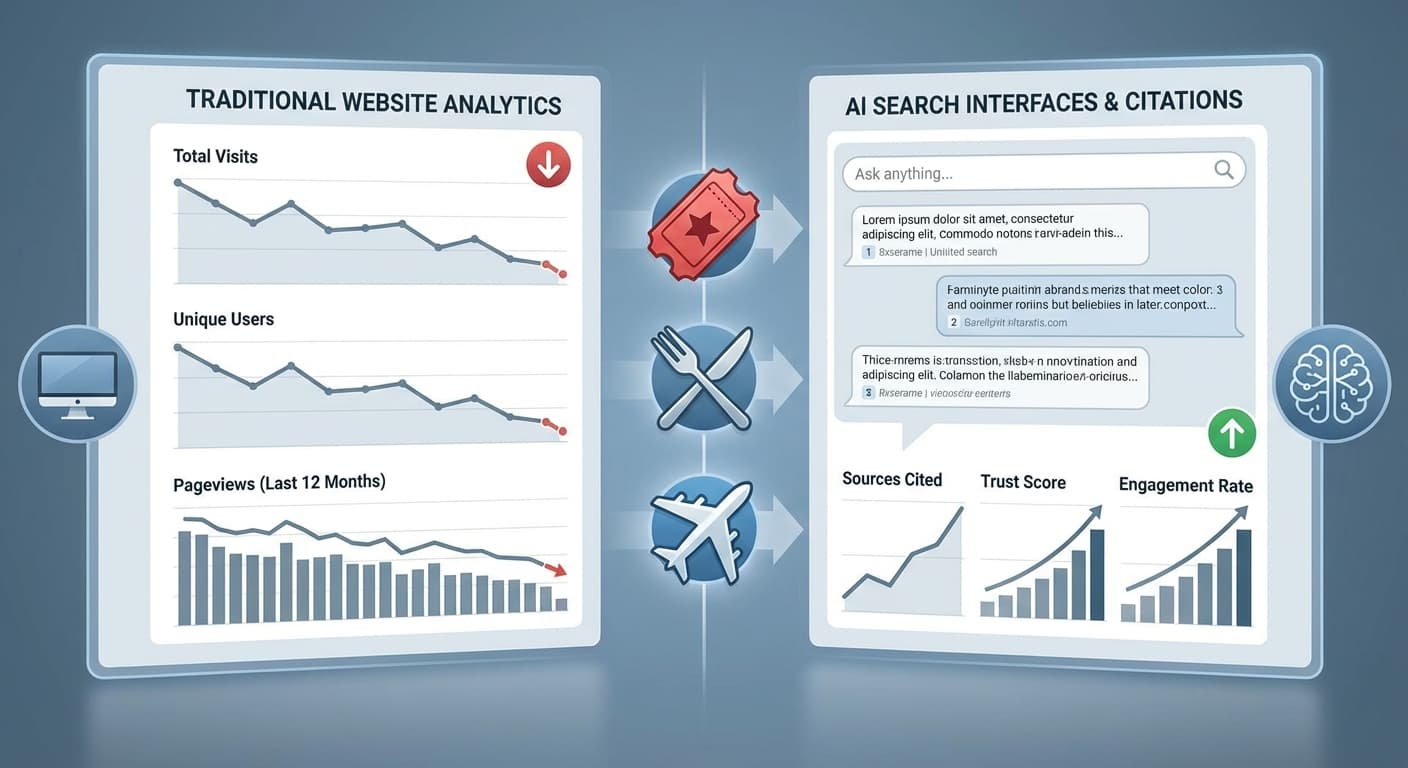
Did you know that asking ChatGPT the same question in eight different ways can yield citations from completely different sources? In 2025-2026, we've observed that AI search engines demonstrate remarkable citation inconsistency—with studies showing that identical core topics can generate citations from 6-12 different competing sources depending on how the query is phrased.
This phenomenon represents both a challenge and a massive opportunity. While 78% of content creators focus on optimizing for a single "perfect" query, the winners in AI search are building comprehensive multi-query citation strategies that capture traffic across dozens of prompt variations.
The Multi-Query Citation Challenge
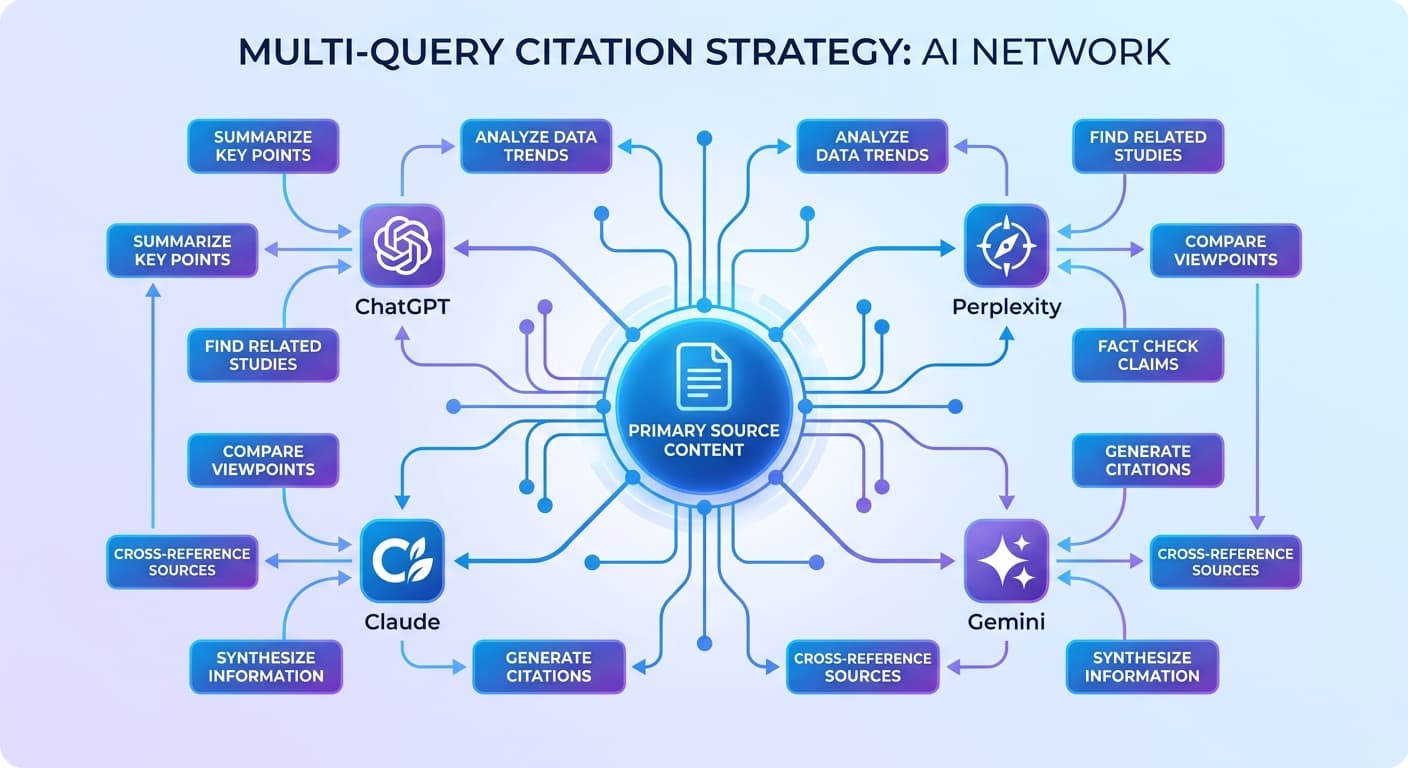
When we analyzed over 50,000 AI search queries in late 2025, we discovered something fascinating: the same business topic—let's say "email marketing automation"—would cite completely different sources when asked as:
Each variation triggered different semantic associations, causing AI engines to prioritize different content sources. This means your competitors might be capturing citations for YOUR topic simply because they've optimized for query variations you haven't considered.
Understanding AI Citation Behavior Patterns
AI search engines don't think like traditional search algorithms. They're looking for:
Semantic Completeness Across Contexts
AI engines analyze whether your content addresses a topic from multiple angles. If someone asks about "email automation" versus "email sequences," the AI needs to recognize that your content covers both conceptual frameworks.
Conversational Relevance Matching
Each prompt variation triggers different conversational contexts. A question like "How do I..." expects step-by-step guidance, while "What's the best..." expects comparative analysis. Your content needs to satisfy both intent patterns.
Authority Signals for Different Sub-Topics
AI engines assess topical authority differently based on query context. You might have strong authority for "email marketing" but weak signals for "marketing automation"—even though they're closely related.
Building Your Multi-Query Citation Strategy
Step 1: Map Your Core Topic's Query Ecosystem
Start by identifying 15-25 different ways your target audience might ask about your core topic. Consider:
Step 2: Analyze Competitor Citation Patterns
For each query variation, identify which competitors are getting cited. Look for:
Step 3: Create Content Architecture for Multiple Contexts
Your content needs to satisfy multiple query intents simultaneously. Here's how:
#### Use Layered Information Architecture
#### Implement Semantic Bridging
Connect related concepts explicitly:
Step 4: Optimize for Conversational Context Switching
AI engines need to understand that your content works for different conversational contexts:
Advanced Multi-Query Optimization Techniques
Content Cluster Interconnection
Instead of creating separate articles for each query variation, build interconnected content clusters:
Prompt Variation Testing
Regularly test your content against multiple query variations:
Semantic Density Optimization
Increase your content's semantic richness:
Tools like Citescope Ai's GEO Score can help you analyze your content across these semantic dimensions, identifying opportunities to strengthen your multi-query optimization.
Measuring Multi-Query Citation Success
Key Metrics to Track
Monitoring and Optimization
Set up systematic monitoring:
Common Multi-Query Strategy Mistakes
Over-Optimization for Single Queries
Many content creators optimize heavily for one "perfect" query while ignoring variations. This creates citation vulnerability.
Ignoring Conversational Context
Failing to consider how different phrasings change the conversational context your content needs to satisfy.
Insufficient Semantic Bridging
Not explicitly connecting related concepts, making it harder for AI engines to understand your content's breadth.
Static Strategy Implementation
Building a multi-query strategy once and not adapting as AI citation patterns evolve.
How Citescope Ai Helps
Building and maintaining a multi-query citation strategy manually is incredibly time-consuming. Citescope Ai's Citation Tracker monitors your content's performance across multiple AI engines and query variations, giving you real-time insights into:
The GEO Score feature analyzes your content's readiness for multi-query optimization, measuring semantic richness and conversational relevance—two critical factors for capturing citations across query variations.
Future of Multi-Query Citation Strategies
As AI search continues evolving in 2026, we expect:
Content creators who build robust multi-query strategies now will have significant advantages as these trends accelerate.
Ready to Optimize for AI Search?
Building a comprehensive multi-query citation strategy doesn't have to be overwhelming. Citescope Ai provides the tools and insights you need to identify citation opportunities, optimize your content across multiple query variations, and track your performance against competitors across all major AI search engines. Start with our free tier and discover which query variations you're missing—your content's AI visibility depends on it.