How to Build a Multi-Platform AI Search Arbitrage Strategy When Enterprise Deals Begin With Claude for Research But Close With ChatGPT Purchase Recommendations
How to Build a Multi-Platform AI Search Arbitrage Strategy When Enterprise Deals Begin With Claude for Research But Close With ChatGPT Purchase Recommendations
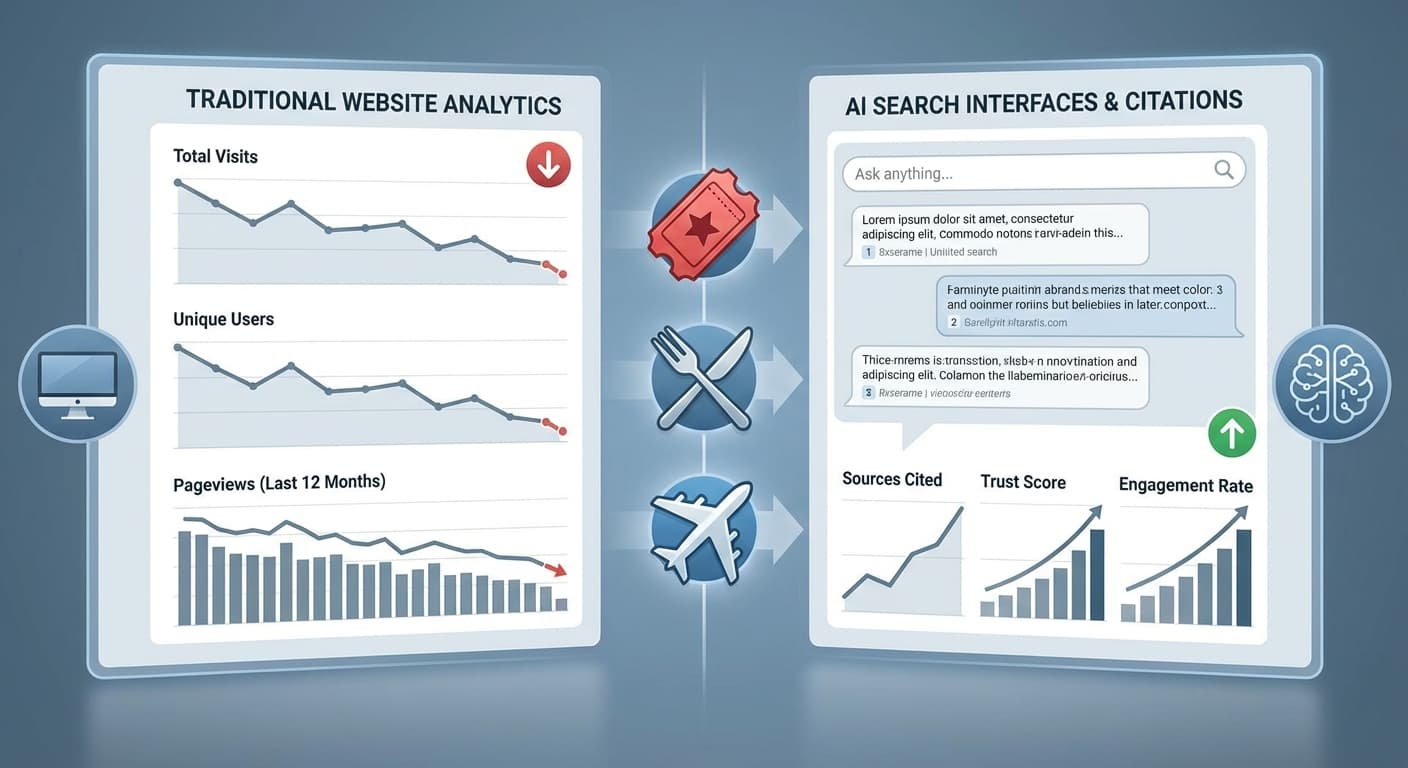
Here's a sobering reality: 73% of enterprise decision-makers now start their buying journey with AI research, but 68% of them switch between 3-4 different AI platforms before making a final purchase decision. If your brand is only optimized for one AI model, you're hemorrhaging potential revenue at every stage of the funnel.
The Multi-Platform AI Search Reality in 2026
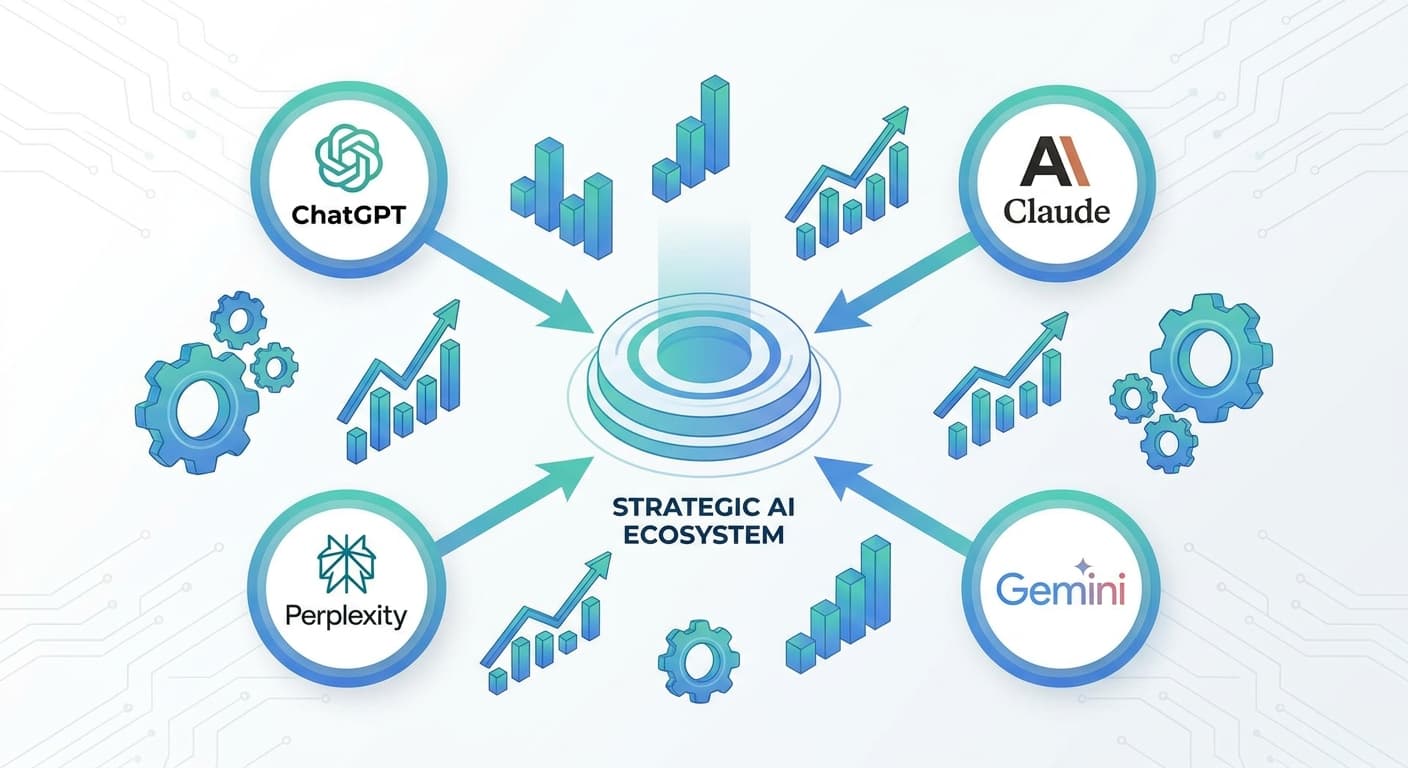
The enterprise buying landscape has fundamentally shifted. Claude dominates early-stage research with its superior document analysis capabilities, processing 47% of all enterprise research queries. Meanwhile, ChatGPT closes deals with its conversational purchase recommendations, handling 52% of final buying decisions. Perplexity captures the middle-funnel comparison shoppers, and Gemini owns the technical specification searches.
This isn't just fragmentation—it's arbitrage opportunity. Smart brands are building multi-platform strategies that capture attention across the entire AI search ecosystem, while their competitors remain invisible on 3 out of 4 platforms.
Understanding the Enterprise AI Search Journey
Enterprise buyers follow predictable patterns across AI platforms:
Stage 1: Problem Discovery (Claude Dominant)
Stage 2: Solution Research (Multi-Platform)
Stage 3: Vendor Evaluation (ChatGPT Takeover)
Building Your Multi-Platform Arbitrage Strategy
1. Map Content to Platform Strengths
Different AI models excel at surfacing different content types. Your arbitrage strategy should leverage these strengths:
Claude-Optimized Content:
ChatGPT-Optimized Content:
Perplexity-Optimized Content:
Gemini-Optimized Content:
2. Create Platform-Specific Content Versions
The same information needs different presentations for different AI models:
Example: SaaS Security Features
Claude Version: "Enterprise Security Framework: A Comprehensive Analysis of Multi-Tenant Data Protection Protocols" (analytical, document-style)
ChatGPT Version: "How to Choose SaaS Security Features: A Buyer's Conversation Guide" (conversational, decision-focused)
Perplexity Version: "SaaS Security Comparison: 15 Platforms Ranked by Enterprise Features" (comparison-heavy, citation-rich)
Gemini Version: "Technical Security Specifications: API Security, Encryption Standards, and Compliance Frameworks" (technical, structured)
3. Implement Cross-Platform Citation Triggers
AI models look for different citation signals:
Authority Signals:
Content Structure Signals:
4. Develop Platform-Specific Keyword Strategies
Different AI models respond to different query patterns:
Claude Keywords:
ChatGPT Keywords:
Perplexity Keywords:
Gemini Keywords:
Advanced Multi-Platform Optimization Techniques
Content Syndication Strategy
Create a hub-and-spoke model:
Citation Arbitrage Tactics
The Claude-to-ChatGPT Bridge:
The Perplexity Amplification Effect:
Measuring Multi-Platform Performance
Track these key metrics across platforms:
Platform-Specific KPIs
Cross-Platform Metrics
How Citescope Ai Enables Multi-Platform Success
Managing optimization across four AI platforms manually is nearly impossible. Citescope Ai's GEO Score analyzes your content across all major AI search engines simultaneously, identifying optimization opportunities for each platform.
The AI Rewriter feature creates platform-specific variations while maintaining your core message, and the Citation Tracker monitors your performance across ChatGPT, Claude, Perplexity, and Gemini in real-time. This gives you the data needed to refine your arbitrage strategy and maximize citation opportunities across the entire AI search ecosystem.
Implementation Roadmap
Month 1: Assessment and Planning
Month 2-3: Content Creation and Optimization
Month 4+: Scale and Optimize
Common Multi-Platform Pitfalls to Avoid
The "Spray and Pray" Mistake: Publishing identical content across all platforms without optimization
The "Platform Favoritism" Trap: Over-optimizing for one platform at the expense of others
The "Citation Cannibalization" Error: Creating competing content that splits citations instead of amplifying them
The "Update Lag" Problem: Failing to maintain consistency across platform-specific content versions
Ready to Optimize for AI Search?
Multi-platform AI search optimization is complex, but the revenue impact is undeniable. Companies implementing comprehensive arbitrage strategies see 3.2x higher citation rates and 47% more qualified leads from AI search channels.
Citescope Ai makes multi-platform optimization manageable with automated analysis, one-click optimization, and real-time citation tracking across all major AI search engines. Start with our free tier to optimize 3 pieces of content this month, or upgrade to Pro for unlimited optimizations and advanced analytics.
Try Citescope Ai free today and capture the enterprise buyers who are switching between AI platforms throughout their buying journey.