How to Build a Multi-Agent Search Consensus Strategy When OpenAI SearchGPT, Perplexity Pro, and Google Gemini Deep Research Return Different Winners for the Same Commercial Query
How to Build a Multi-Agent Search Consensus Strategy When OpenAI SearchGPT, Perplexity Pro, and Google Gemini Deep Research Return Different Winners for the Same Commercial Query
When you search for "best project management software" on SearchGPT, Perplexity Pro, and Google Gemini Deep Research, you'll get three completely different top recommendations. SearchGPT might champion Asana, Perplexity Pro could highlight Monday.com, and Gemini Deep Research might favor Notion. This isn't a bug—it's the new reality of AI search in 2026.
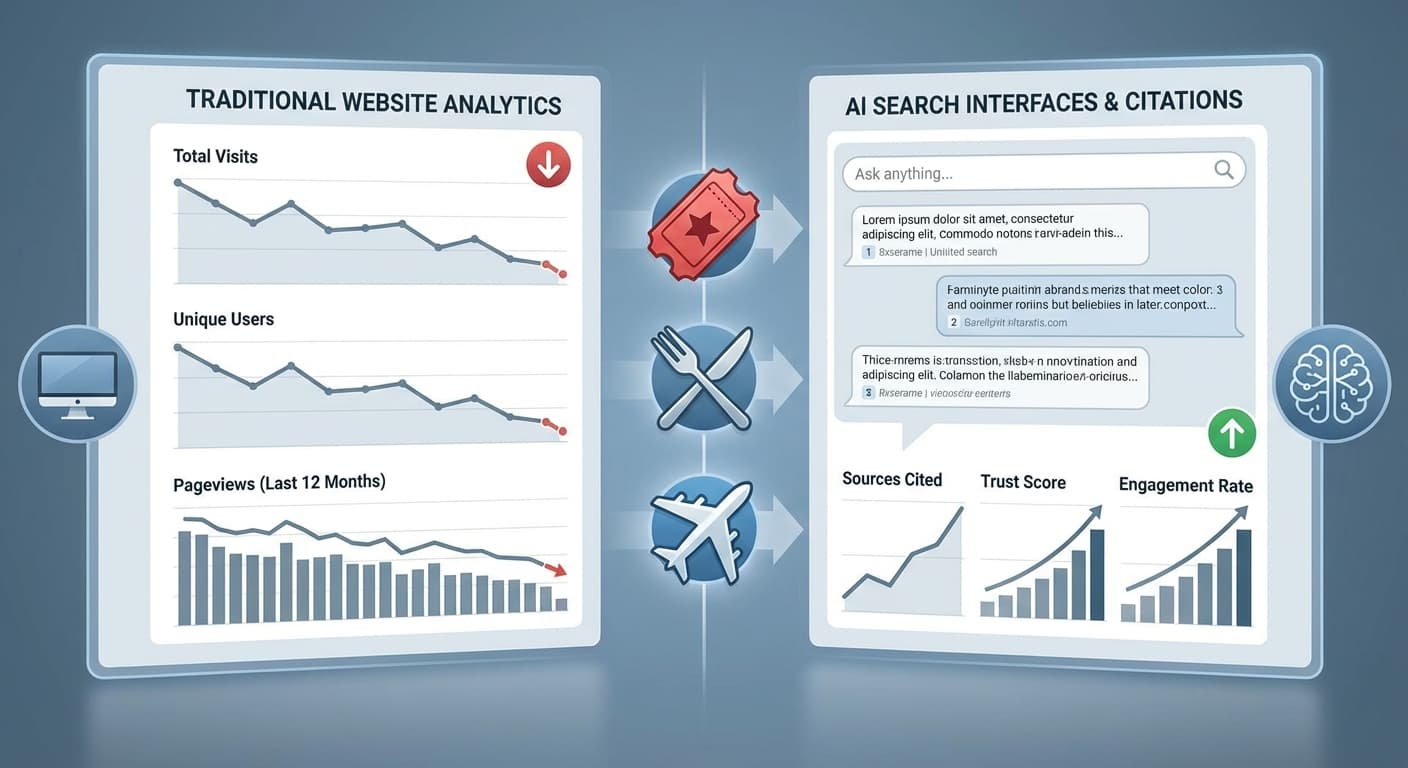
With AI-powered search now handling over 35% of all commercial queries and each major platform developing distinct ranking algorithms, businesses can no longer optimize for a single AI engine and expect universal success. The solution? A multi-agent search consensus strategy that positions your content to win across all major AI platforms simultaneously.
The Multi-Agent Search Landscape in 2026
The AI search ecosystem has fragmented into distinct territories, each with unique strengths and user bases:
Each platform weighs ranking factors differently. SearchGPT emphasizes conversational tone and user intent matching. Perplexity Pro heavily weights source authority and citation frequency. Gemini Deep Research balances traditional SEO metrics with AI-friendly formatting. Understanding these differences is crucial for building an effective consensus strategy.
Why Different AI Engines Return Different Winners
The variation in AI search results stems from fundamental differences in how each platform processes and ranks content:
Training Data Variations
Each AI model was trained on different datasets with varying cutoff dates and source preferences. SearchGPT might have more recent SaaS review data, while Perplexity Pro could emphasize academic and industry publications.
Algorithm Priorities
Real-Time Data Integration
Some platforms incorporate live web data more aggressively than others, leading to different results for time-sensitive commercial queries.
Building Your Multi-Agent Consensus Strategy
1. Conduct Cross-Platform Competitive Analysis
Before optimizing, understand which competitors consistently win across multiple AI platforms for your target queries.
Research Process:
2. Create Platform-Optimized Content Variants
Rather than creating one piece of content for all platforms, develop strategic variants that cater to each engine's preferences:
For SearchGPT Optimization:
For Perplexity Pro Success:
For Gemini Deep Research:
For Claude Search:
3. Implement Cross-Platform Citation Strategies
Building citation consensus requires a multi-faceted approach:
Internal Linking Network:
External Citation Building:
4. Leverage Semantic Consistency
While tactics may vary by platform, your core messaging should remain semantically consistent:
Advanced Consensus Optimization Techniques
Multi-Format Content Strategy
Develop content in multiple formats to increase platform-specific visibility:
Real-Time Optimization Monitoring
Implement systems to track performance across all platforms:
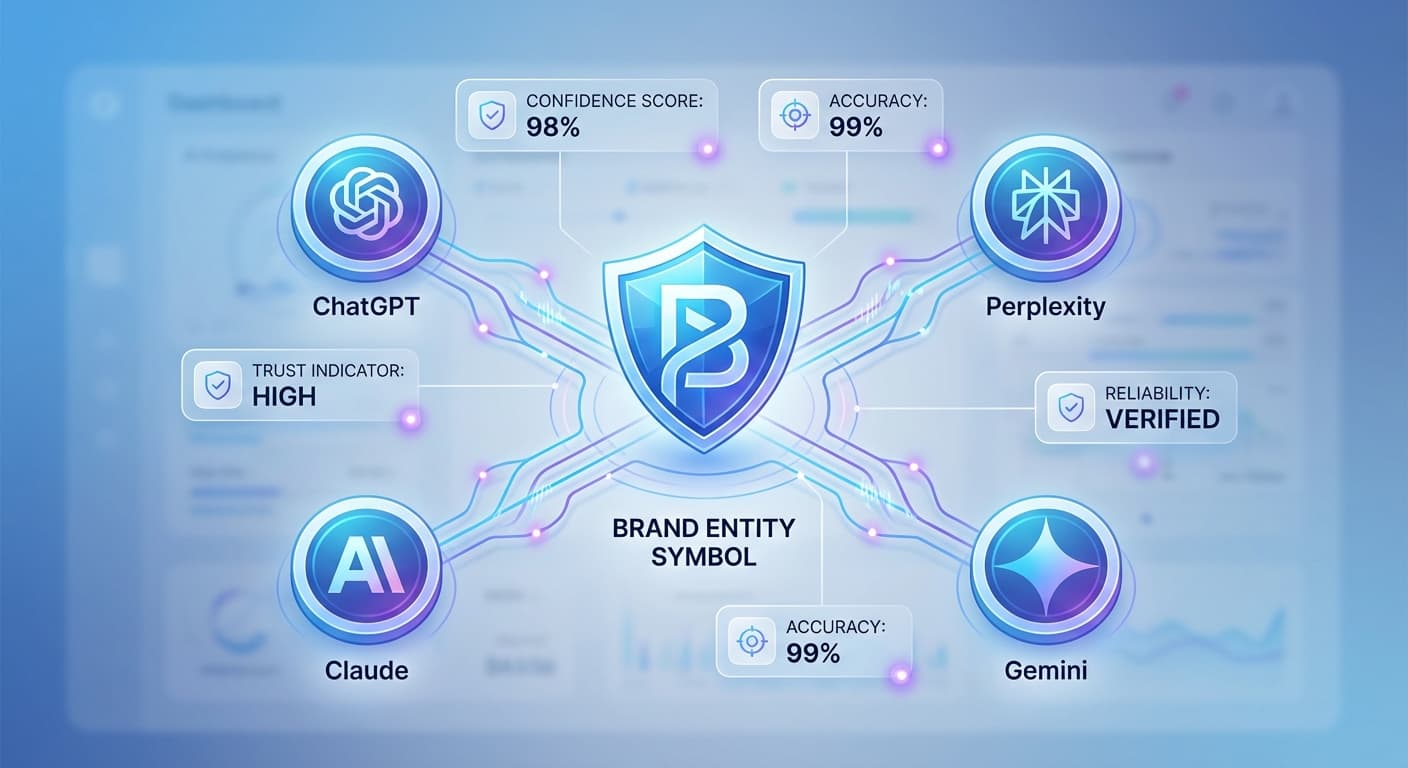
This is where tools like Citescope Ai become invaluable, offering cross-platform citation tracking that helps you understand which content performs best on each AI engine and why.
Content Refresh Strategies
Different AI platforms update their knowledge bases at different intervals:
Measuring Multi-Agent Success
Key Performance Indicators
Track these metrics to evaluate your consensus strategy:
Citation Metrics:
Traffic Metrics:
Ranking Metrics:
Tools for Multi-Platform Monitoring
While manual checking is possible, automated monitoring provides better insights:
Common Pitfalls to Avoid
Platform Bias
Don't over-optimize for one platform at the expense of others. A SearchGPT-optimized page that performs poorly on Perplexity limits your overall reach.
Inconsistent Messaging
While tactics should vary by platform, your core value propositions must remain consistent to build brand recognition across AI engines.
Ignoring Platform Updates
AI search algorithms evolve rapidly. What works today might be less effective next quarter. Stay informed about platform changes and adapt accordingly.
Future-Proofing Your Strategy
As AI search continues evolving, consider these emerging trends:
How Citescope Ai Helps
Building a multi-agent consensus strategy requires sophisticated tracking and optimization tools. Citescope Ai's Citation Tracker monitors your content performance across ChatGPT, Perplexity, Claude, and Gemini simultaneously, giving you the data needed to refine your approach.
The platform's GEO Score analyzes your content across five critical dimensions that matter to AI engines: AI Interpretability, Semantic Richness, Conversational Relevance, Structure, and Authority. This comprehensive analysis helps you identify which elements need adjustment for better cross-platform performance.
With the AI Rewriter feature, you can quickly create platform-optimized variants of your content, ensuring each piece is tailored for maximum visibility on specific AI engines while maintaining semantic consistency.
Ready to Optimize for AI Search?
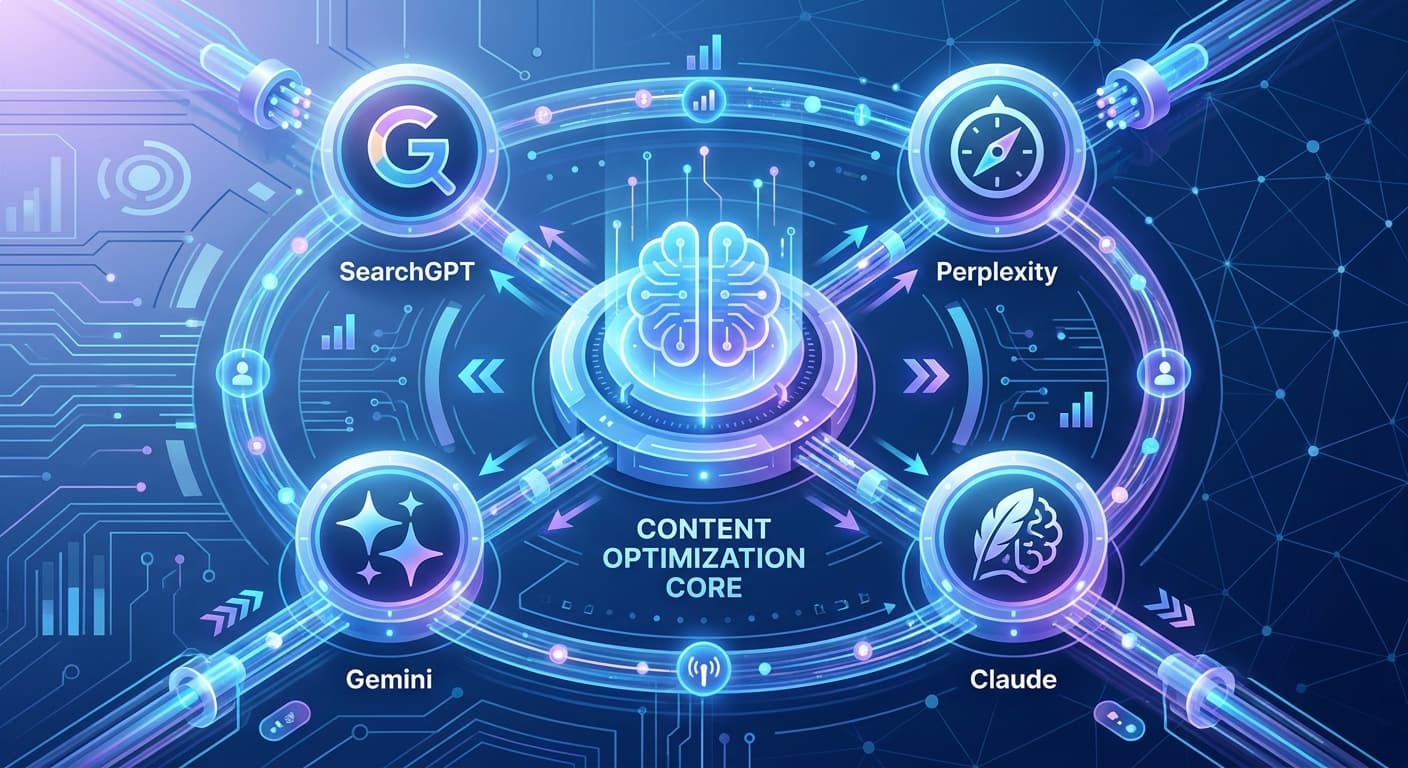
The multi-agent search landscape requires a sophisticated approach that balances platform-specific optimization with consistent messaging. Success means being found not just on one AI engine, but across all major platforms where your customers search.
Start building your consensus strategy today with Citescope Ai's free tier, which includes 3 content optimizations per month and citation tracking across all major AI platforms. Experience how comprehensive AI search optimization can transform your content's visibility and drive more qualified traffic from the growing universe of AI-powered search.