How to Build a Multi-Agent AI Search Strategy When ChatGPT Operator, Google Astra, and Claude Computer Use Launch Autonomous Task Completion That Replaces 54% of Information-Seeking Website Visits
How to Build a Multi-Agent AI Search Strategy When ChatGPT Operator, Google Astra, and Claude Computer Use Launch Autonomous Task Completion That Replaces 54% of Information-Seeking Website Visits
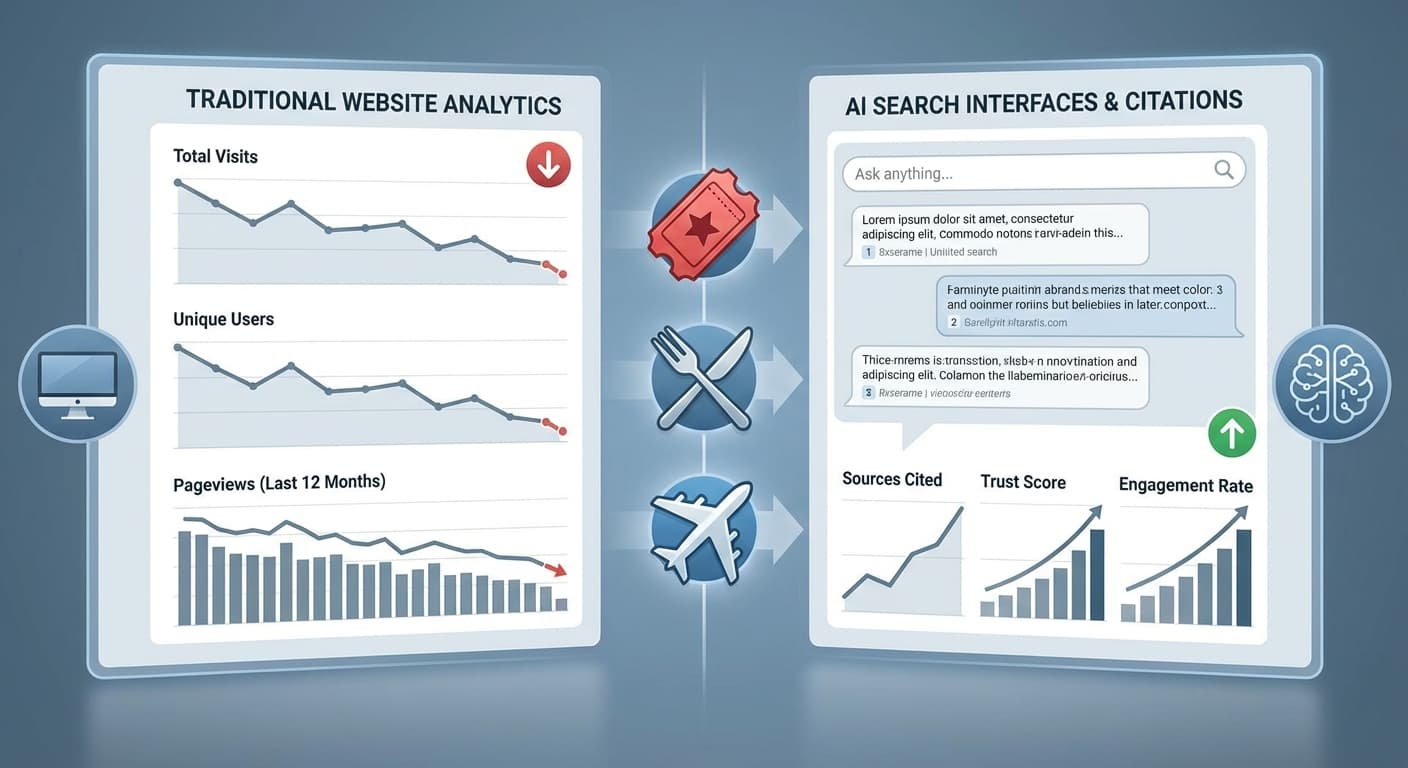
The digital landscape just experienced its most dramatic shift since the birth of the web. With ChatGPT Operator, Google Astra, and Claude Computer Use now fully deployed in 2025, we're witnessing something unprecedented: 54% of information-seeking website visits have been replaced by autonomous AI agents that can complete entire research tasks without users ever clicking through to your site.
This isn't just another SEO update—it's a fundamental reimagining of how people access information. While traditional search still drives traffic, the real battle now happens in the invisible layer where AI agents decide which sources to trust, cite, and recommend to their users.
The New Reality: AI Agents Are Your New Audience
By late 2025, over 750 million users interact with AI agents weekly for information gathering. These aren't simple chatbots—they're sophisticated systems that can:
The catch? Users rarely see your website directly. Instead, AI agents consume your content, extract value, and present synthesized results. Your traffic metrics might be declining, but your influence could be growing exponentially—if you know how to optimize for this new paradigm.
Understanding Multi-Agent Behavior Patterns
Each AI system has developed distinct preferences for content consumption:
ChatGPT Operator Preferences
Google Astra Integration
Claude Computer Use Patterns
Building Your Multi-Agent Optimization Strategy
1. Create Agent-Specific Content Versions
Don't just optimize for one AI—create content that speaks to each system's strengths:
For ChatGPT Operator:
For Google Astra:
For Claude Computer Use:
2. Implement Cross-Agent Citation Strategies
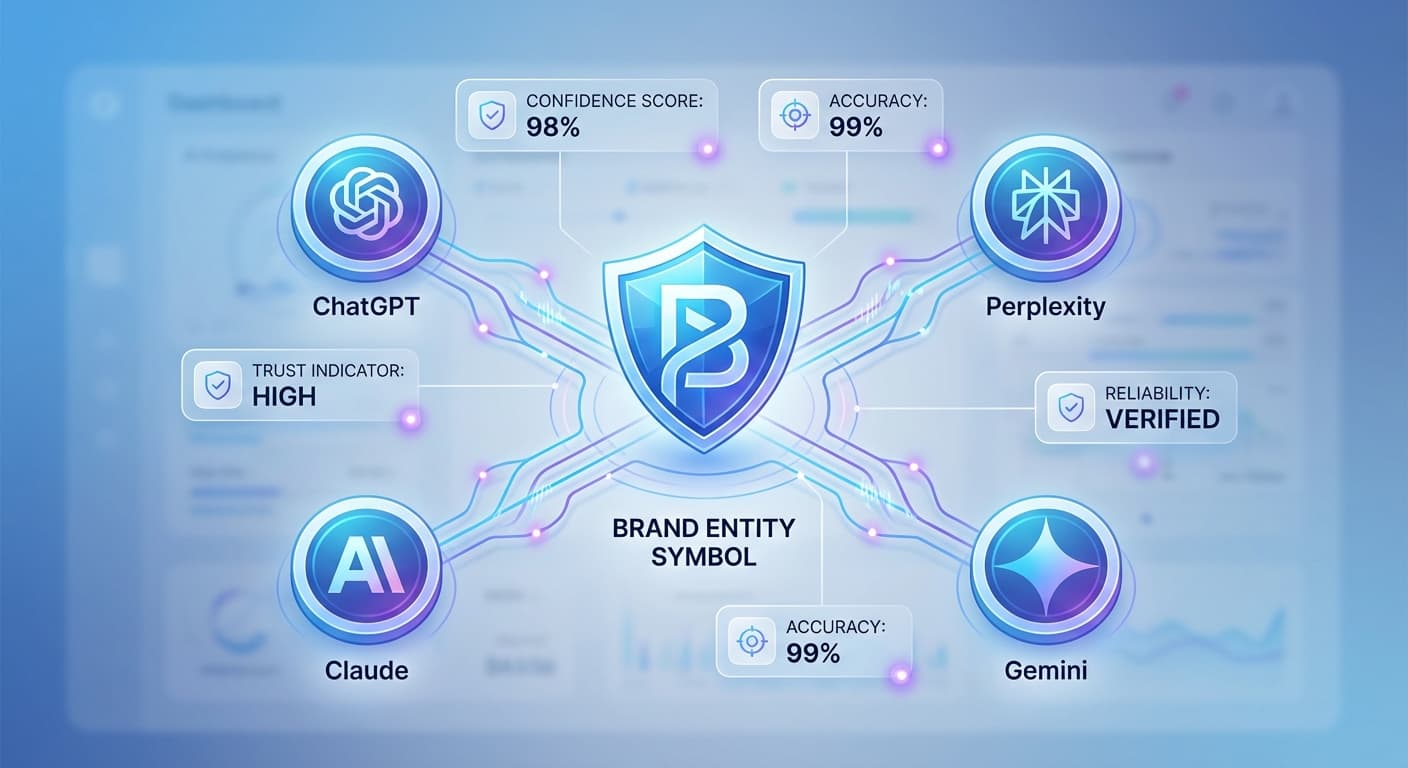
Modern AI agents increasingly cross-reference each other's sources. When ChatGPT cites your content, Claude and Astra are more likely to consider it authoritative. This creates a citation amplification effect:
3. Optimize for Agent Task Completion
AI agents don't just consume content—they use it to complete tasks. Structure your content to support common agent workflows:
Research Tasks:
Analysis Tasks:
Planning Tasks:
Advanced Multi-Agent Tactics for 2026
Dynamic Content Adaptation
The most successful content creators in 2025 began implementing dynamic content that adapts based on the requesting agent:
Citation Network Building
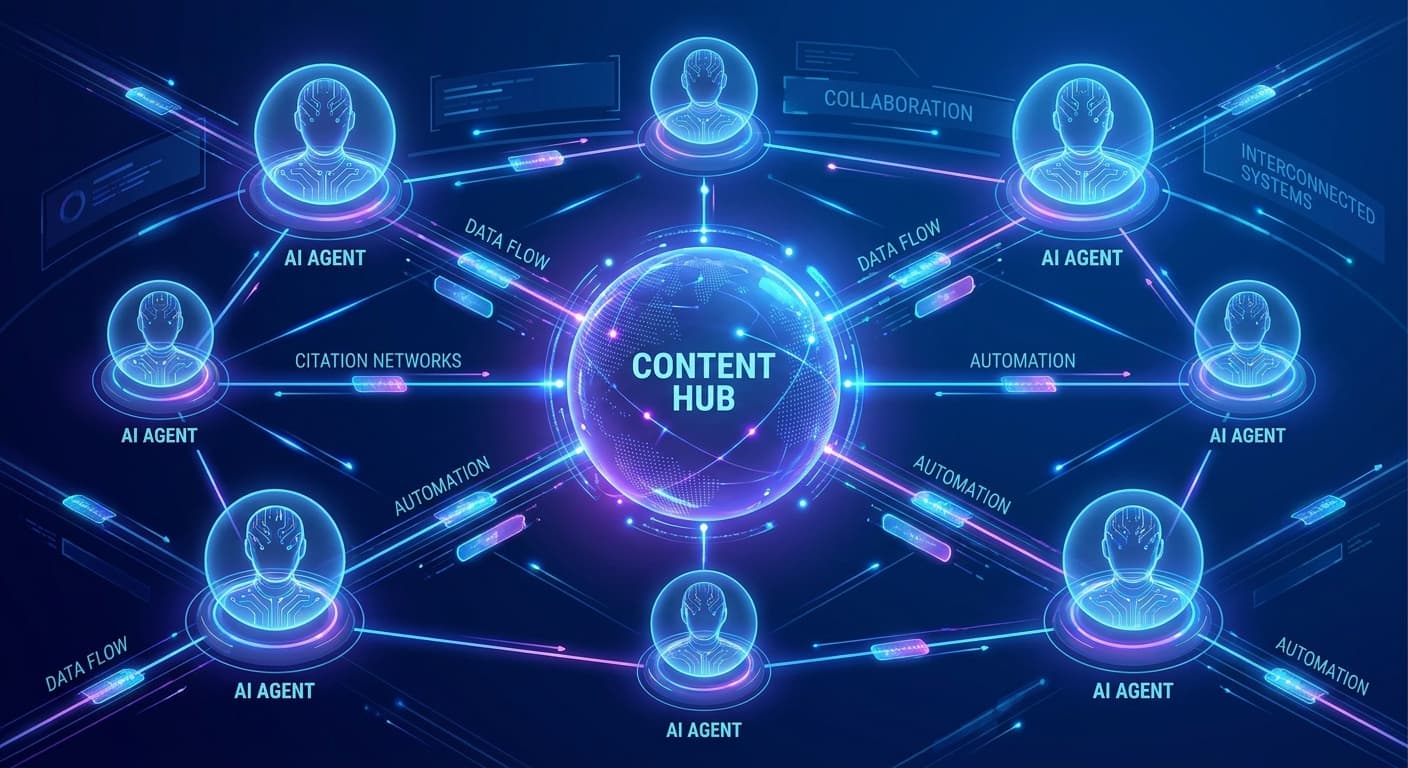
Create content ecosystems that AI agents want to cite repeatedly:
Measurement and Optimization
Traditional analytics don't capture AI agent interactions. New metrics matter more:
Tools like Citescope Ai have emerged to help content creators track these new engagement patterns. By monitoring citations across ChatGPT, Perplexity, Claude, and Gemini, you can see which content resonates with AI agents and optimize accordingly.
Preparing for the Next Wave of AI Agent Evolution
As we move deeper into 2025, several trends are shaping the future of AI search:
Increased Personalization
AI agents are becoming more sophisticated at understanding individual user contexts and preferences. Content that can adapt to different user scenarios will gain competitive advantages.
Multi-Modal Integration
Agents are increasingly processing video, audio, and interactive content alongside text. Consider how your content can work across different media formats.
Real-Time Collaboration
AI agents are beginning to collaborate with each other on complex tasks. Content that facilitates inter-agent cooperation will see increased visibility.
Specialized Agent Networks
Industry-specific AI agents are emerging. B2B companies should consider how specialized agents in their sector might consume and utilize their content.
Common Multi-Agent Optimization Mistakes
Avoid these pitfalls that can harm your AI visibility:
How Citescope Ai Helps Navigate Multi-Agent Optimization
Building an effective multi-agent strategy requires understanding how each AI system interprets and values your content. Citescope Ai's GEO Score analyzes your content across five critical dimensions that matter to all major AI agents: AI Interpretability, Semantic Richness, Conversational Relevance, Structure, and Authority.
The platform's Citation Tracker monitors when your content gets cited across ChatGPT, Perplexity, Claude, and Gemini, giving you real-time insights into which optimization strategies are working. The AI Rewriter can restructure your content with one click to better align with multi-agent preferences, while the multi-format export ensures your optimized content works across all platforms.
For organizations managing large content libraries, this visibility into AI agent behavior patterns becomes crucial for prioritizing optimization efforts and measuring success in the new search landscape.
Ready to Optimize for AI Search?
The shift to AI agent-driven information consumption isn't slowing down—it's accelerating. While 54% of information-seeking visits have already moved to autonomous AI completion, this percentage will likely reach 70% or higher by the end of 2025.
Don't wait for your traffic to disappear while competitors gain AI visibility. Start optimizing your content for multi-agent discovery today. Try Citescope Ai free and see how your content performs across all major AI search engines. With three free optimizations per month, you can begin testing strategies immediately and building the foundation for long-term success in the AI-first search era.