How to Build a Modular Content Architecture for Hyper-Personalized AI Search
How to Build a Modular Content Architecture for Hyper-Personalized AI Search
When a software engineer asks ChatGPT about Python frameworks and gets Django recommendations, while a data scientist asking the same question receives Flask and FastAPI suggestions, we're witnessing the future of search: hyper-personalized AI responses that adapt to individual user contexts and histories.
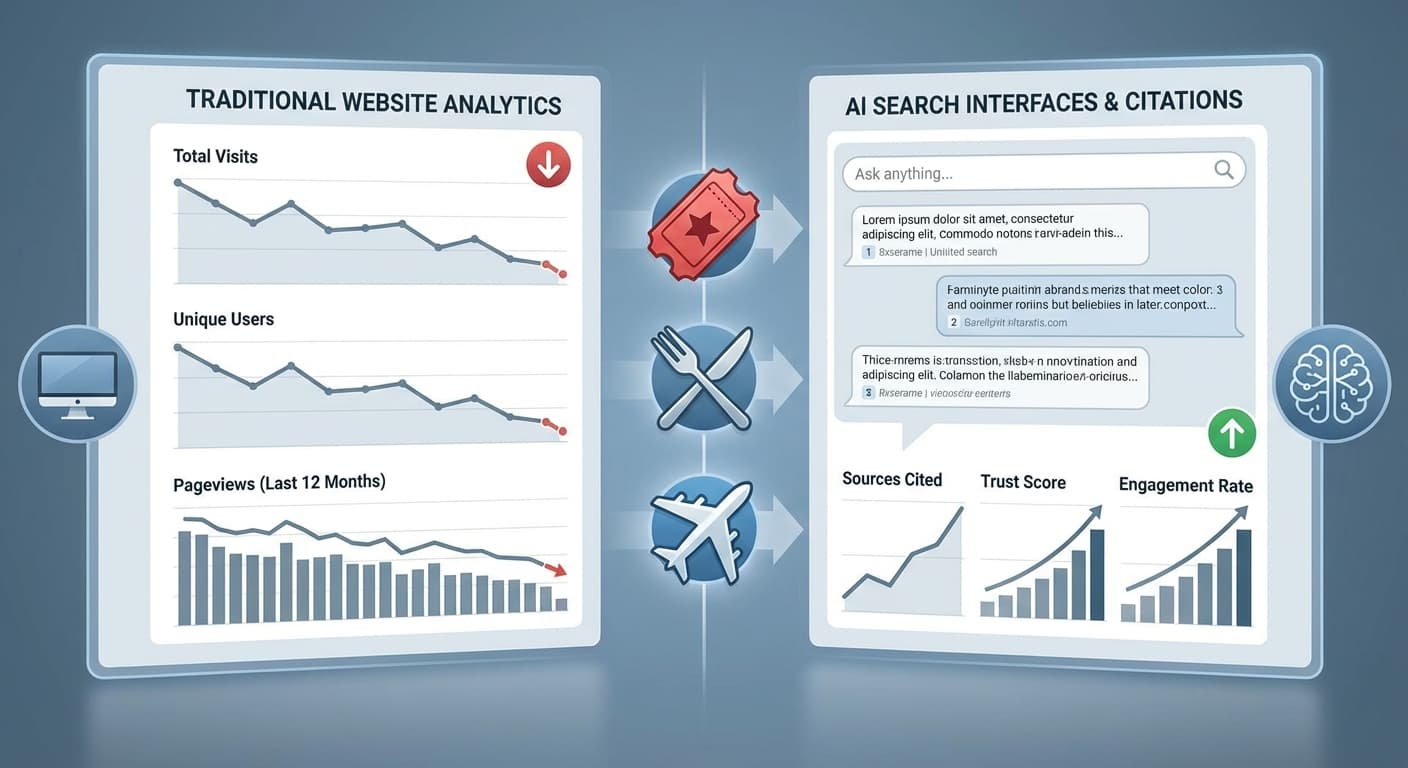
By 2026, AI search engines process over 40% of all search queries, with ChatGPT alone serving 650+ million weekly users. But here's the challenge: these engines don't just crawl and rank content anymore—they interpret, contextualize, and personalize responses based on user behavior, conversation history, and inferred preferences. This means your content might be cited differently (or not at all) depending on who's asking.
The New Reality of Personalized AI Search
Traditional SEO assumed one query equals one result set. AI search has shattered this assumption. Recent studies show that ChatGPT delivers different answers to identical queries 73% of the time when factoring in user context, while Perplexity's personalization algorithms result in varied responses 68% of the time.
Consider this example: A query about "best project management tools" might surface Asana and Monday.com for a marketing manager's profile, while delivering Jira and Linear recommendations for a developer. Same query, completely different citation opportunities.
This shift creates both a challenge and an unprecedented opportunity for content creators who understand how to architect their content for multiple personalization scenarios.
Understanding AI Engine Personalization Patterns
ChatGPT's Context-Aware Citations
ChatGPT's GPT-4 and GPT-4o models analyze:
For content creators, this means a single piece about "email marketing strategies" needs to work for both beginners seeking basic tactics and experts looking for advanced automation techniques.
Perplexity's Multi-Dimensional Personalization
Perplexity's approach focuses on:
Claude and Gemini's Emerging Patterns
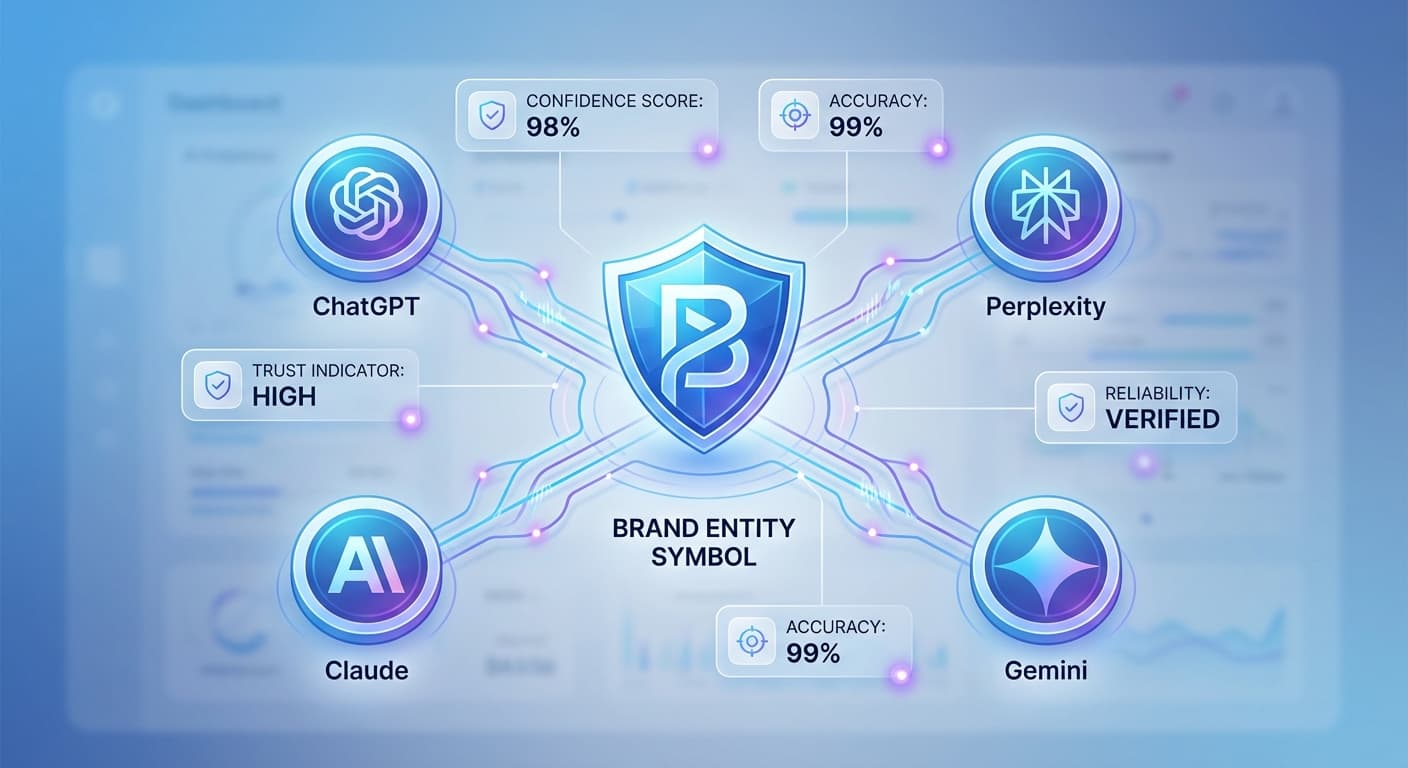
Claude emphasizes nuanced, contextual understanding with strong preference for comprehensive, well-structured content. Gemini integrates Google's vast user behavior data to predict intent with remarkable accuracy, often surfacing different content types (videos, articles, tools) based on user preferences.
Building Your Modular Content Architecture
The Core Module System
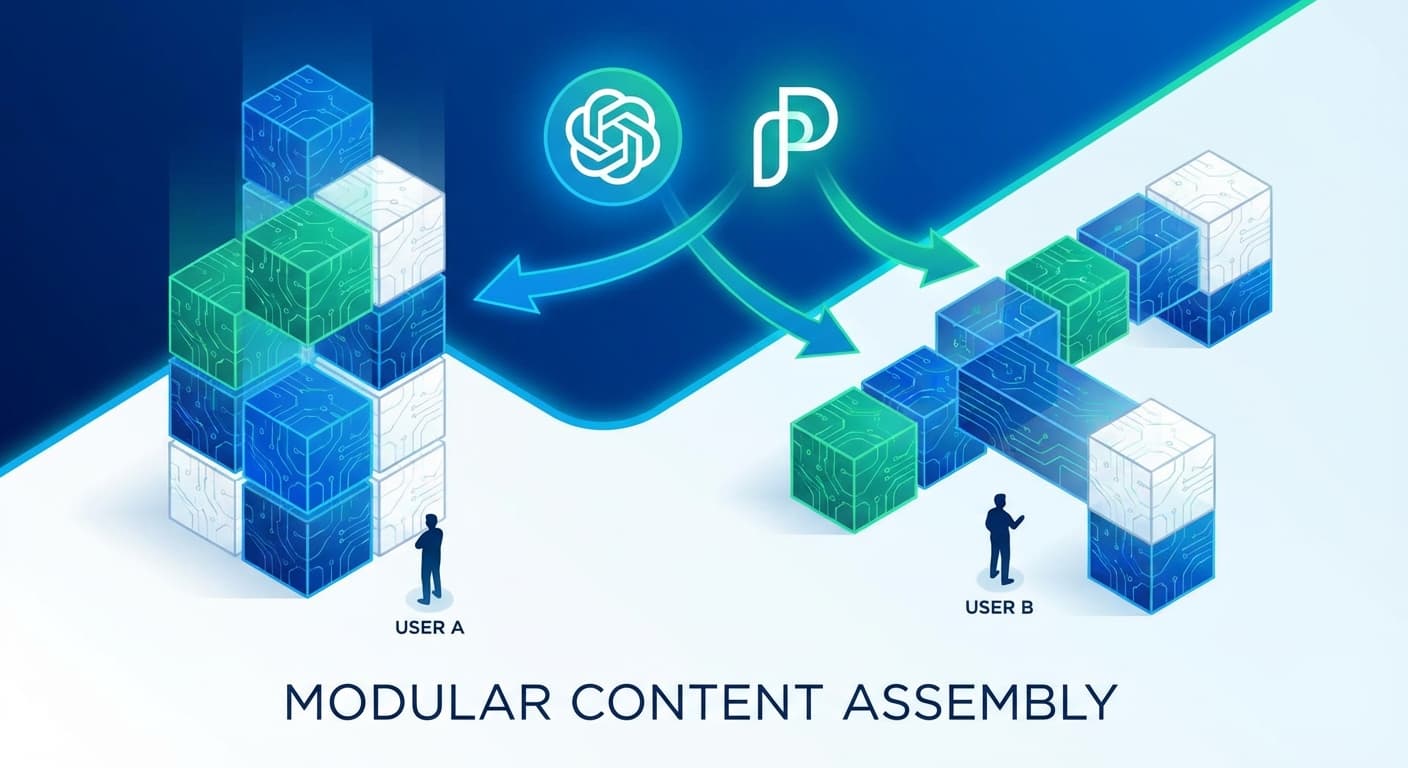
Think of your content as LEGO blocks that can be assembled differently depending on who's asking. Here's how to structure it:
#### 1. Create Persona-Specific Content Modules
Beginner Modules:
Intermediate Modules:
Expert Modules:
#### 2. Build Context-Aware Content Layers
Structure each piece with multiple entry points:
Main Article: "Email Marketing ROI Optimization"
├── Executive Summary (C-suite context)
├── Technical Implementation (Developer/IT context)
├── Campaign Strategy (Marketing manager context)
├── Budget Considerations (Finance context)
└── Beginner's Guide (Newcomer context)
#### 3. Implement Semantic Interlinking
Create content clusters that support each other across different personalization scenarios:
Optimizing for Multi-Engine Visibility
#### Content Structure for AI Interpretation
- Start each section with the specific benefit it provides
- Use action-oriented headings that match query intent
- Include "who this is for" indicators early
- Include basic explanations with links to deeper content
- Add "advanced tip" callouts for expert readers
- Use progressive disclosure techniques
- Craft standalone paragraphs that answer specific questions
- Include statistics and data points AI engines love to cite
- Format key insights as pull quotes or highlighted sections
#### The Citescope Ai Advantage
While building modular architecture manually is possible, tools like Citescope Ai streamline this process significantly. The platform's GEO Score analyzes your content across five critical dimensions—AI Interpretability, Semantic Richness, Conversational Relevance, Structure, and Authority—giving you a clear 0-100 score for optimization potential.
The AI Rewriter feature can automatically restructure your content to create those essential persona-specific modules, while the Citation Tracker monitors how different AI engines cite your content across various user contexts.
Advanced Personalization Strategies
1. Intent-Based Content Clustering
Group related content by user intent rather than topic:
Research Intent Cluster:
Implementation Intent Cluster:
Decision Intent Cluster:
2. Dynamic Content Frameworks
Create templates that adapt to different personalization scenarios:
Framework: "How to Choose [Tool Category]"
├── For Beginners: Focus on ease of use, support, pricing
├── For Experts: Emphasize features, integrations, scalability
├── For Enterprise: Highlight security, compliance, admin features
└── For Startups: Stress cost-effectiveness, growth potential
3. Context-Sensitive Internal Linking
Design your internal linking strategy to support AI engines' context understanding:
Measuring Success in a Personalized World
Key Metrics for Modular Content
Testing and Iteration
Regularly audit your content performance by:
Future-Proofing Your Architecture
As AI search continues evolving, consider these emerging trends:
Voice-First Optimization: Structure content for spoken queries and responses
Real-Time Personalization: Create content that adapts to current events and trending topics
Multi-Modal Integration: Design content that works across text, image, and video AI models
Ethical AI Considerations: Ensure your content serves diverse audiences fairly
How Citescope Ai Helps
Building and maintaining a modular content architecture for personalized AI search requires sophisticated analysis and optimization capabilities. Citescope Ai's comprehensive platform addresses these challenges:
The platform's ability to track citation patterns across different AI engines and user contexts makes it invaluable for understanding how your modular architecture performs in real-world personalization scenarios.
Ready to Optimize for AI Search?
The future of content visibility lies in understanding and adapting to AI search personalization. With over 70% of Gen Z now using AI for research and ChatGPT processing billions of personalized queries monthly, the time to build your modular content architecture is now.
Start optimizing your content for hyper-personalized AI search with Citescope Ai. Try our free tier with 3 optimizations per month, or upgrade to Pro ($39/month) for unlimited access to our full suite of AI optimization tools. Start your free trial today and see how personalized AI search can transform your content's reach and impact.