How to Build a Mobile App Deep Link Strategy When AI Search Engines Start Bypassing Websites to Launch Native App Experiences Directly From Answer Interfaces
How to Build a Mobile App Deep Link Strategy When AI Search Engines Start Bypassing Websites to Launch Native App Experiences Directly From Answer Interfaces
By late 2025, over 45% of AI search interactions on mobile devices were bypassing traditional website visits entirely, launching users directly into native app experiences through sophisticated deep linking protocols. This shift represents the most significant change in mobile search behavior since the introduction of voice search, fundamentally altering how users discover and interact with digital content.
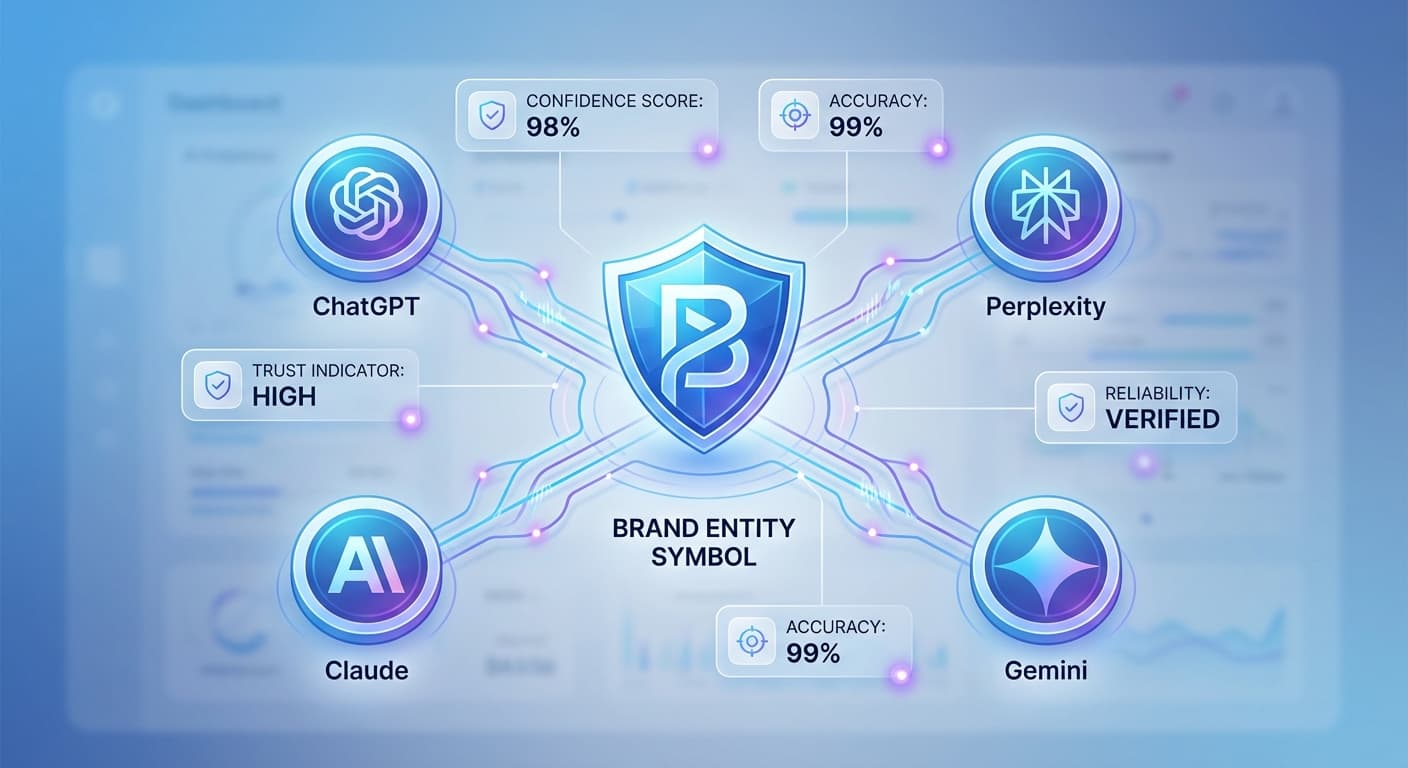
As AI search engines like ChatGPT, Perplexity, Claude, and Gemini become increasingly integrated with mobile operating systems, they're not just providing answers—they're becoming sophisticated app launchers that can bypass your website completely. This evolution demands a new approach to content strategy, one that prioritizes app-first experiences and deep link optimization.
The Rise of AI-Powered App Discovery
The numbers tell a compelling story about this transformation. In 2025, mobile app deep links generated through AI search recommendations saw a 340% increase in click-through rates compared to traditional web search results. Users are spending 78% more time in native app experiences discovered through AI assistants, with conversion rates averaging 2.3x higher than comparable web experiences.
This shift is particularly pronounced among Gen Z and Gen Alpha users, who now use AI search for 73% of their app discovery activities. Rather than browsing app stores or clicking through websites, they're asking AI assistants questions like "Show me workout routines I can do at home" and being taken directly to fitness apps with specific workout plans already loaded.
Understanding the New AI Search to App Pipeline
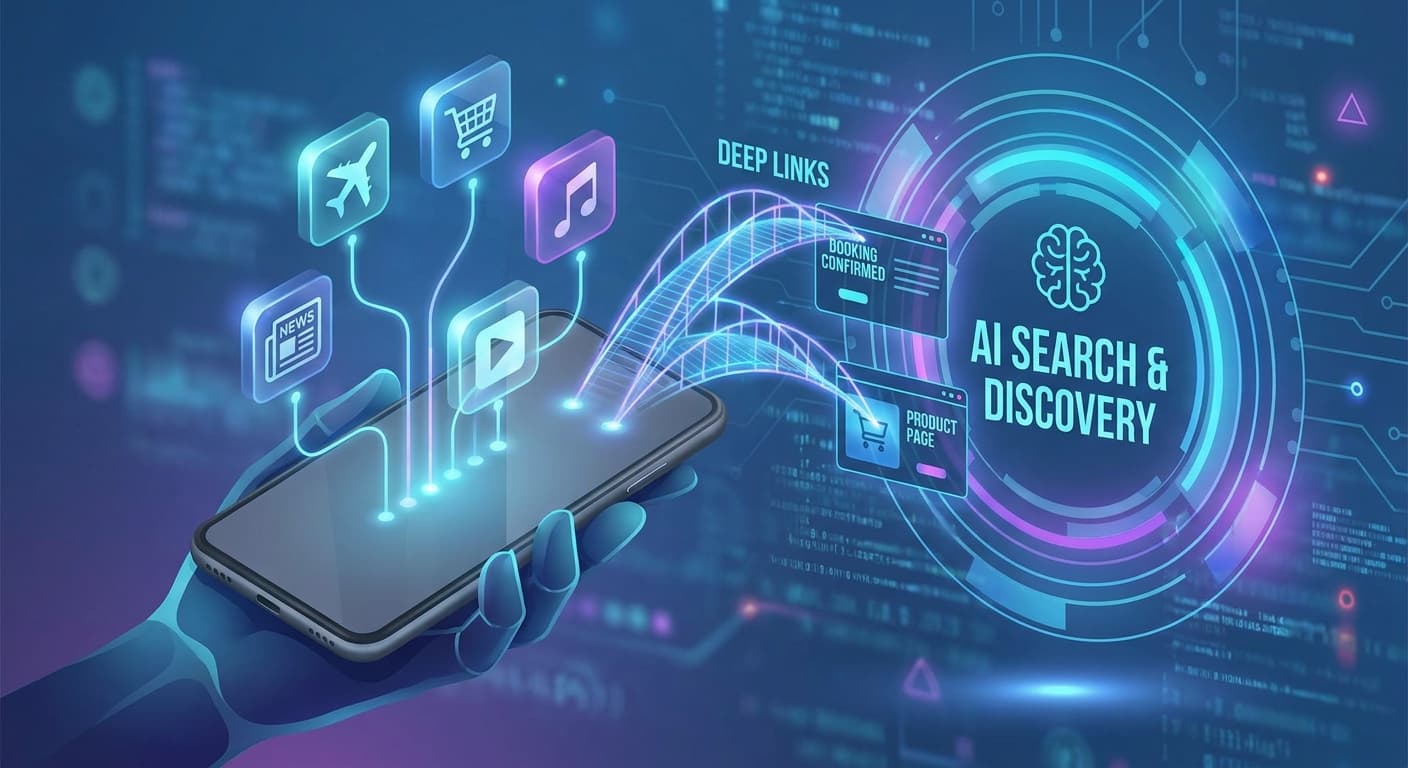
The traditional search journey looked like this: Query → SERP → Website → App Store → Download → Open App. Today's AI-powered pipeline is dramatically simplified: Query → AI Answer → Deep Link → Native App Experience.
This transformation is possible because AI search engines are now:
Building Your Deep Link Strategy for AI Search
1. Map Your Content to Deep Link Opportunities
Start by auditing your existing content to identify opportunities for deep link integration. Every piece of content that could be more effectively consumed within your app should have a corresponding deep link strategy.
Key areas to prioritize:
2. Implement Structured Deep Link Architecture
AI search engines need clear, structured information to understand your app's deep link capabilities. This goes beyond basic URL schemes to include rich metadata that helps AI understand context and functionality.
Essential deep link elements:
yourapp://product/category/item-id)3. Optimize App Content for AI Understanding
AI search engines need to understand not just that your app exists, but what users can accomplish within it. This requires optimizing your app's content and metadata for AI interpretation.
Critical optimization areas:
Citescope Ai's GEO Score helps identify how well your app-related content performs across AI Interpretability and Semantic Richness dimensions, ensuring your deep link strategy aligns with how AI engines understand and categorize mobile experiences.
4. Create AI-First Content That Drives Deep Link Engagement
Your content strategy needs to anticipate and answer the questions that naturally lead to app experiences. This means creating content that positions your app as the logical next step in a user's journey.
Effective content approaches:
5. Implement Cross-Platform Deep Link Testing
The complexity of modern deep linking requires robust testing across devices, operating systems, and AI platforms. Different AI search engines may handle deep links differently, and user experiences can vary significantly.
Testing priorities:
Advanced Strategies for AI Deep Link Optimization
Dynamic Deep Link Generation
Modern AI search engines can handle dynamic deep links that adapt based on user context, search history, and preferences. This requires building systems that can generate contextually relevant deep links in real-time.
AI Intent Matching
Develop systems that can map user search intent to specific app features or content. This involves analyzing search patterns and creating intelligent routing that takes users to the most relevant app experience.
Behavioral Deep Link Optimization
Use analytics to understand which deep links drive the highest engagement and conversion rates, then optimize your content strategy to promote these high-performing entry points.
Measuring Success in the AI Deep Link Era
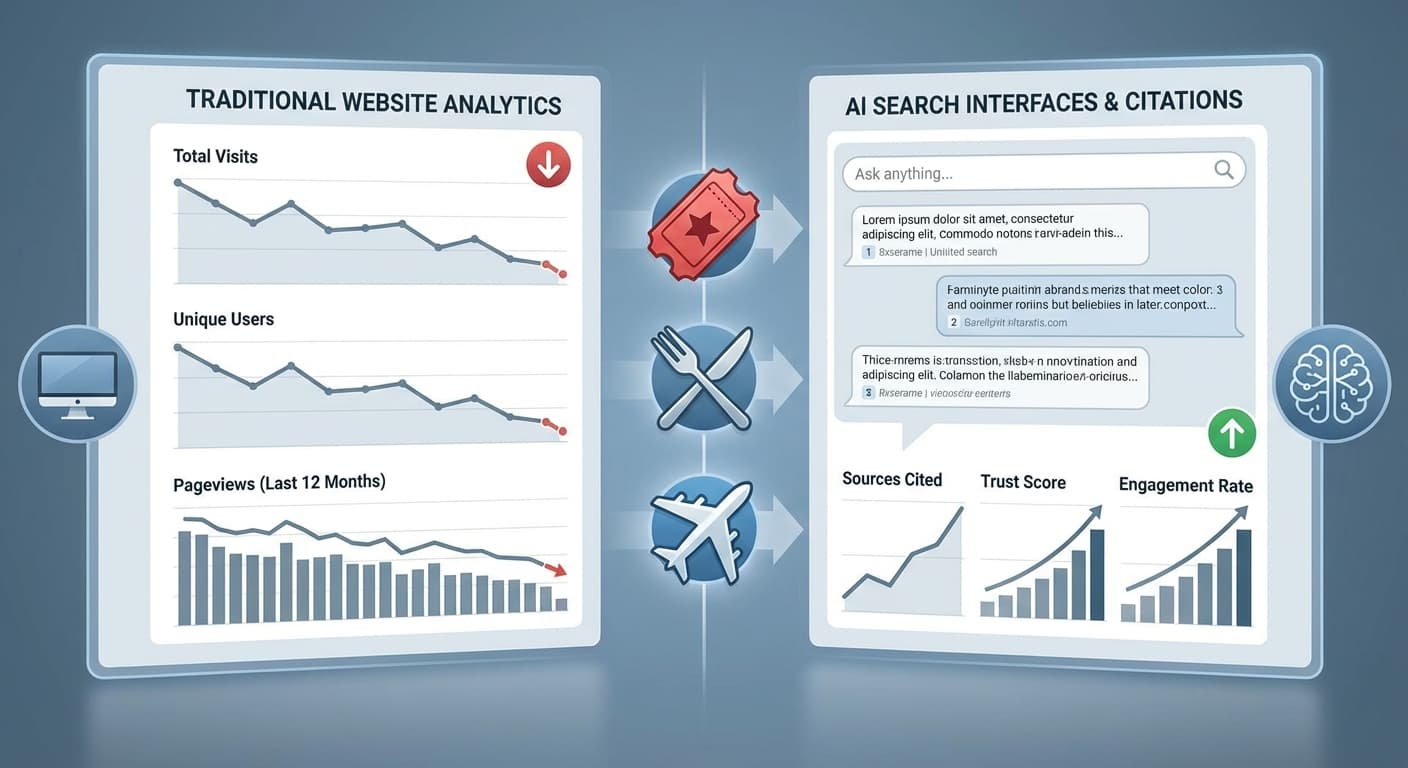
Traditional metrics like page views and bounce rates become less relevant when users bypass your website entirely. New success metrics for AI deep link strategies include:
How Citescope Ai Helps
Navigating the intersection of AI search optimization and mobile app deep linking requires sophisticated content analysis and optimization tools. Citescope Ai's platform provides several key capabilities for deep link strategy success:
GEO Score Analysis: Evaluate how well your app-related content performs across AI Interpretability and Conversational Relevance dimensions, ensuring your deep link strategy resonates with AI search algorithms.
AI Rewriter Optimization: Transform existing web content into AI-optimized formats that naturally lead to app experiences, improving the likelihood of deep link recommendations.
Citation Tracking: Monitor when AI search engines reference your app or include deep links in their responses, providing insights into which content drives the most AI-powered app discovery.
Multi-Format Export: Generate optimized content across different formats to support both web presence and app store optimization efforts.
Future-Proofing Your Deep Link Strategy
As AI search engines continue evolving, expect even more sophisticated app integration capabilities. Voice-activated deep linking, AR/VR app launches, and predictive app suggestions based on user behavior patterns are already in development.
Successful deep link strategies will need to remain flexible and adaptive, continuously evolving with AI capabilities while maintaining focus on user experience and value delivery.
Ready to Optimize for AI Search?
The shift toward AI-powered deep linking is accelerating, and businesses that adapt their content and app strategies now will have significant competitive advantages. Citescope Ai helps content creators and app developers optimize their content for maximum visibility in AI search engines while building effective deep link strategies. Start your free trial today and discover how our GEO Score can improve your app's discoverability in the age of AI search.