How to Build a Mid-Market GEO Budget Strategy When Your Enterprise Competitors Outspend You 12x
How to Build a Mid-Market GEO Budget Strategy When Your Enterprise Competitors Outspend You 12x
Here's a stat that might surprise you: Despite enterprise brands outspending mid-market companies by an average of 12x on content marketing, AI search engines like ChatGPT and Perplexity cite smaller, specialized players in 43% of long-tail commercial queries. This shift represents the biggest opportunity for mid-market companies since the early days of Google SEO.
Why Mid-Market Companies Have a Hidden Advantage in AI Search
The traditional SEO playbook favored massive content operations and domain authority built through years of link acquisition. But AI search engines operate differently. They prioritize contextual relevance and decision-stage authority over brand recognition alone.
Consider this: When someone asks ChatGPT "What's the best project management software for remote teams under 50 people?", the AI doesn't automatically favor Microsoft or Google. Instead, it looks for content that specifically addresses that use case with depth and practical insights.
The New Rules of AI Search Favor Focused Players
AI search engines evaluate content across multiple dimensions that level the playing field:
Building Your Mid-Market GEO Budget Strategy
1. Identify Your Niche Authority Zones
Rather than competing on broad terms, focus on becoming the definitive source for specific use cases, industries, or problem sets.
Action Steps:
Example: Instead of targeting "marketing automation software," focus on "marketing automation for SaaS companies with freemium models" or "email sequences for B2B trial-to-paid conversion."
2. Allocate 60% of Budget to Decision-Stage Content
While enterprise competitors spread budgets across awareness and consideration content, concentrate your resources on bottom-funnel, decision-making content.
High-ROI Decision-Stage Content Types:
3. Optimize for AI Interpretability First
AI search engines need to quickly understand and extract value from your content. This requires a different optimization approach than traditional SEO.
AI-First Content Structure:
4. Focus on Conversational Query Optimization
With over 70% of Gen Z now using AI for search, optimize for how people actually talk to AI assistants, not just how they type into Google.
Conversational Optimization Tactics:
5. Build Strategic Content Clusters
Instead of creating isolated pieces, develop interconnected content clusters around your authority zones. This helps AI engines understand your expertise depth.
Content Cluster Strategy:
Budget Allocation Framework for Mid-Market GEO
The 50/30/20 Rule
50% - Core Authority Content
30% - Optimization and Distribution
20% - Experimentation
Monthly Budget Breakdown (Example: $5,000/month)
- 2-3 long-form authoritative pieces
- 4-6 supporting articles or guides
- GEO optimization platform
- Analytics and tracking tools
- Social media promotion
- Email marketing to existing audience
- Community engagement
- Testing new platforms or formats
- Competitive analysis tools
Measuring Success in AI Search
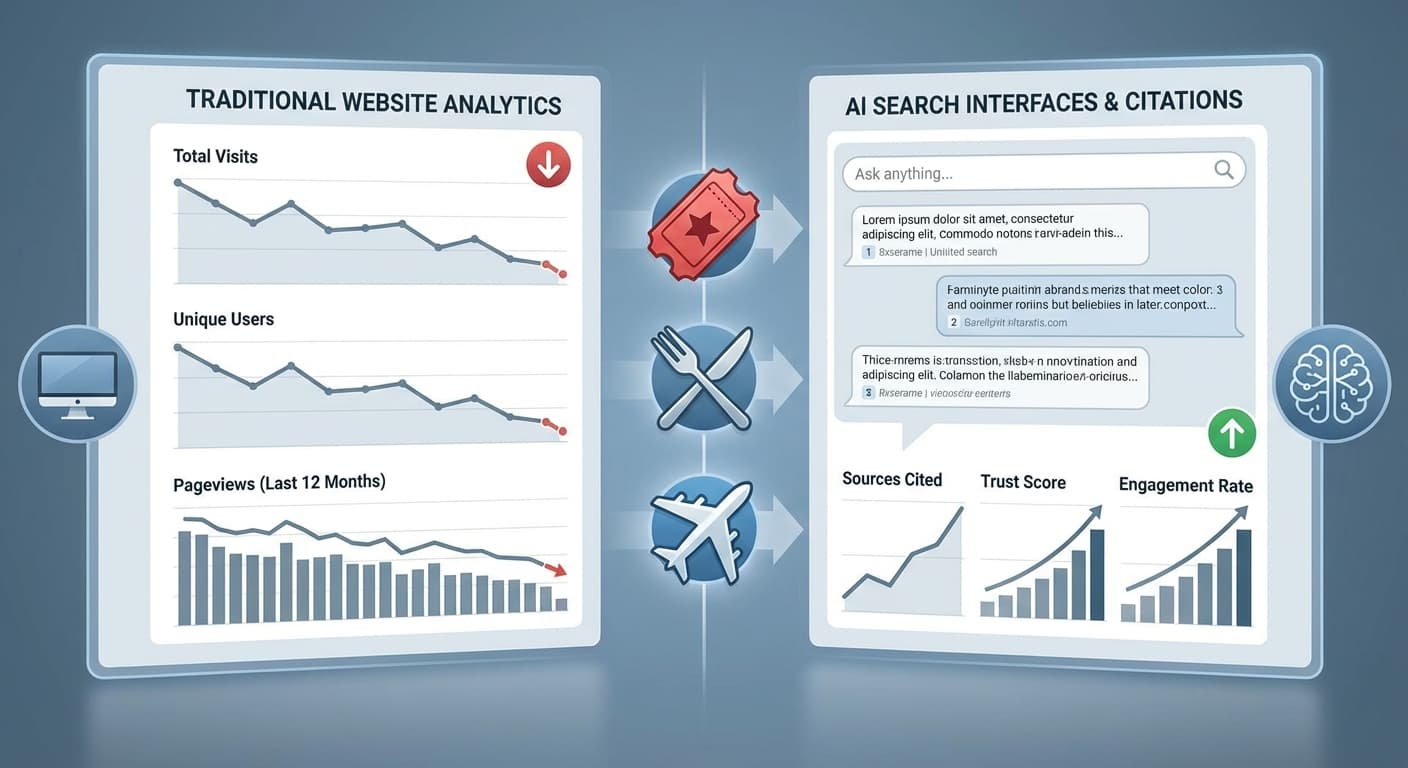
Traditional metrics like organic traffic and keyword rankings don't tell the full story in AI search. Focus on these key performance indicators:
Primary KPIs
Secondary Metrics
Leveraging Technology for Competitive Advantage
The right tools can help mid-market companies punch above their weight class. When choosing optimization technology, prioritize platforms that offer:
For example, understanding your content's "AI Interpretability Score" can help you identify optimization opportunities that larger competitors might miss if they're still focused on traditional SEO metrics.
Common Pitfalls to Avoid
1. Trying to Compete on Brand Terms
Don't waste budget competing against enterprise brands on their own branded terms or broad category keywords.
2. Neglecting Content Quality for Quantity
AI search engines prioritize depth and usefulness over volume. Better to publish 2 exceptional pieces per month than 10 mediocre ones.
3. Ignoring Conversational Patterns
Content that reads well but doesn't match how people actually speak to AI assistants won't perform well in AI search.
4. Focusing Only on ChatGPT
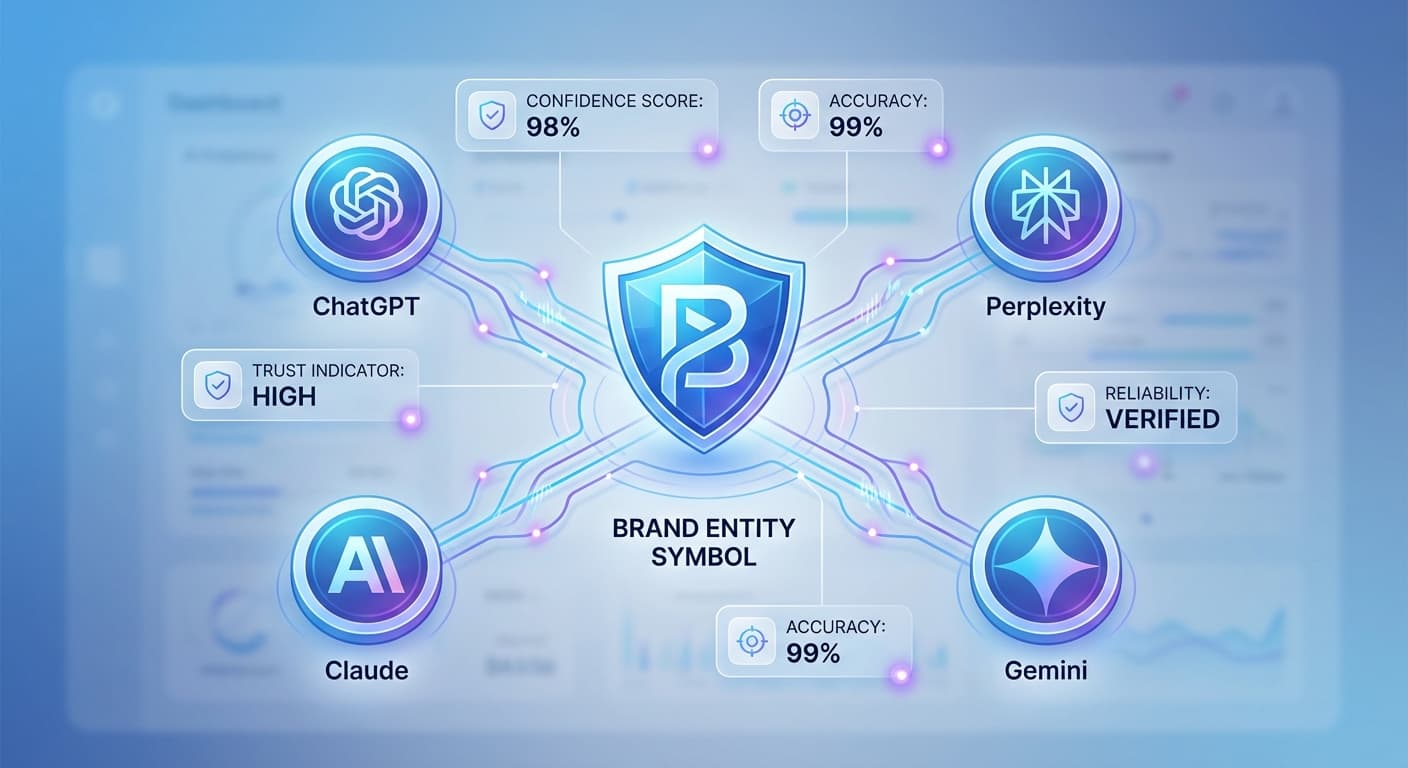
Optimize for multiple AI search platforms including Perplexity, Claude, and Gemini, as user behavior varies across platforms.
How Citescope Ai Helps Mid-Market Companies Compete
Building an effective GEO strategy requires understanding how AI search engines interpret and value your content. Citescope Ai's GEO Score analyzes your content across five critical dimensions—AI Interpretability, Semantic Richness, Conversational Relevance, Structure, and Authority—giving you a clear 0-100 score that shows exactly where to focus your optimization efforts.
The platform's AI Rewriter tool can instantly restructure your existing content for better AI visibility, while the Citation Tracker monitors when your content gets referenced by ChatGPT, Perplexity, Claude, and Gemini. This lets you identify which pieces are gaining traction and double down on what's working, even with a limited budget.
For mid-market companies, the ability to export optimized content in multiple formats (Markdown, HTML, WordPress blocks) streamlines the publishing process, while the Pro plan at $39/month provides enterprise-level optimization capabilities at a fraction of traditional SEO tool costs.
The Future Belongs to Niche Authority
As AI search continues to grow—now representing over 30% of all search queries in 2025—the opportunity for mid-market companies to compete with enterprise brands will only increase. The key is focusing your resources on becoming the definitive authority in specific niches rather than trying to match enterprise spending across broad categories.
By following the strategies outlined above and measuring the right metrics, mid-market companies can build sustainable competitive advantages in AI search, even when facing competitors with significantly larger budgets.
Ready to Optimize for AI Search?
Stop competing on enterprise budgets and start winning with strategic focus. Citescope Ai helps mid-market companies optimize their content for AI search engines, track citations across all major platforms, and identify opportunities that bigger competitors miss. Try our free tier with 3 optimizations per month, or upgrade to Pro for just $39/month to access advanced features that level the playing field. Start optimizing your content for AI search today and turn your focused expertise into a competitive advantage.