How to Build a Local Business AI Search Discovery Strategy When 58% of Near Me Queries Are Resolved Inside ChatGPT and Google AI Overviews Without Sending Traffic to Your Google Business Profile
How to Build a Local Business AI Search Discovery Strategy When 58% of Near Me Queries Are Resolved Inside ChatGPT and Google AI Overviews Without Sending Traffic to Your Google Business Profile
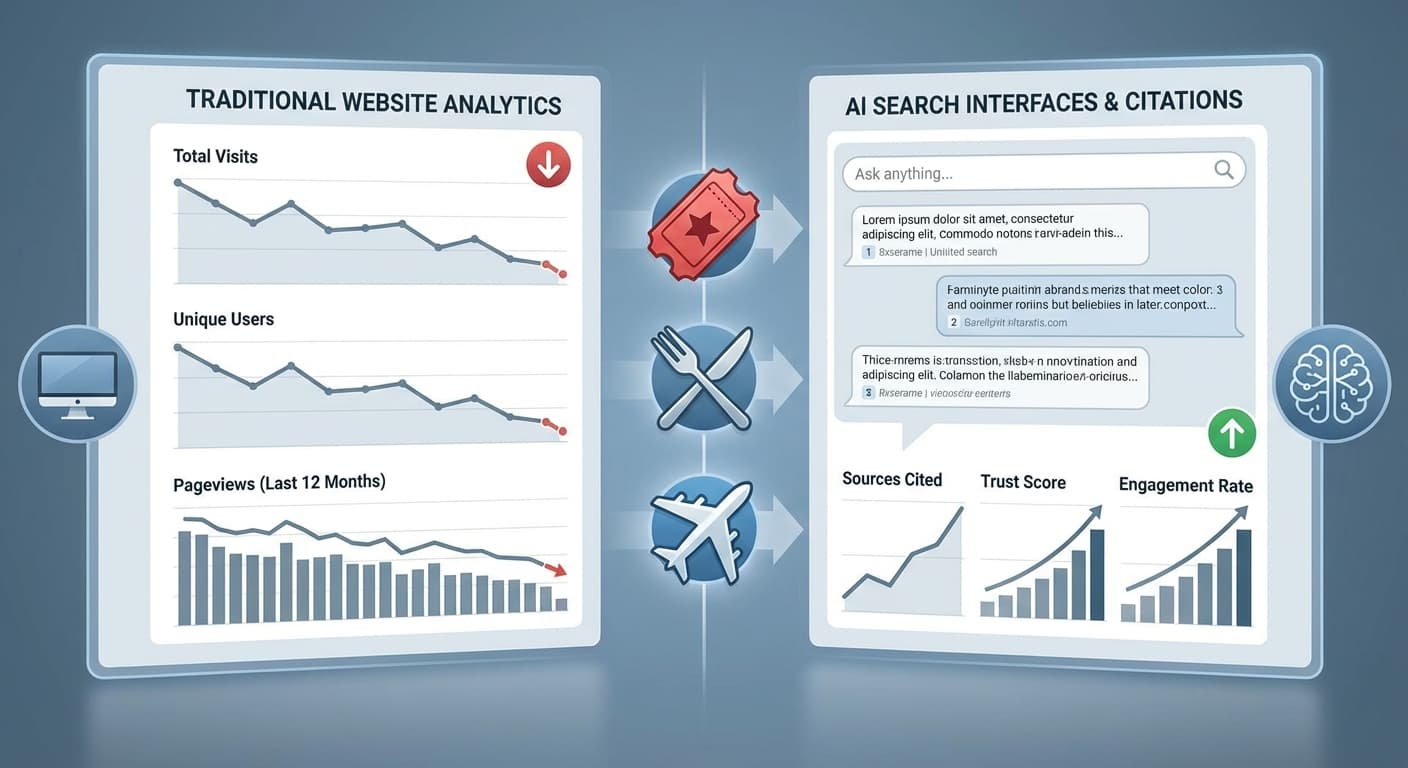
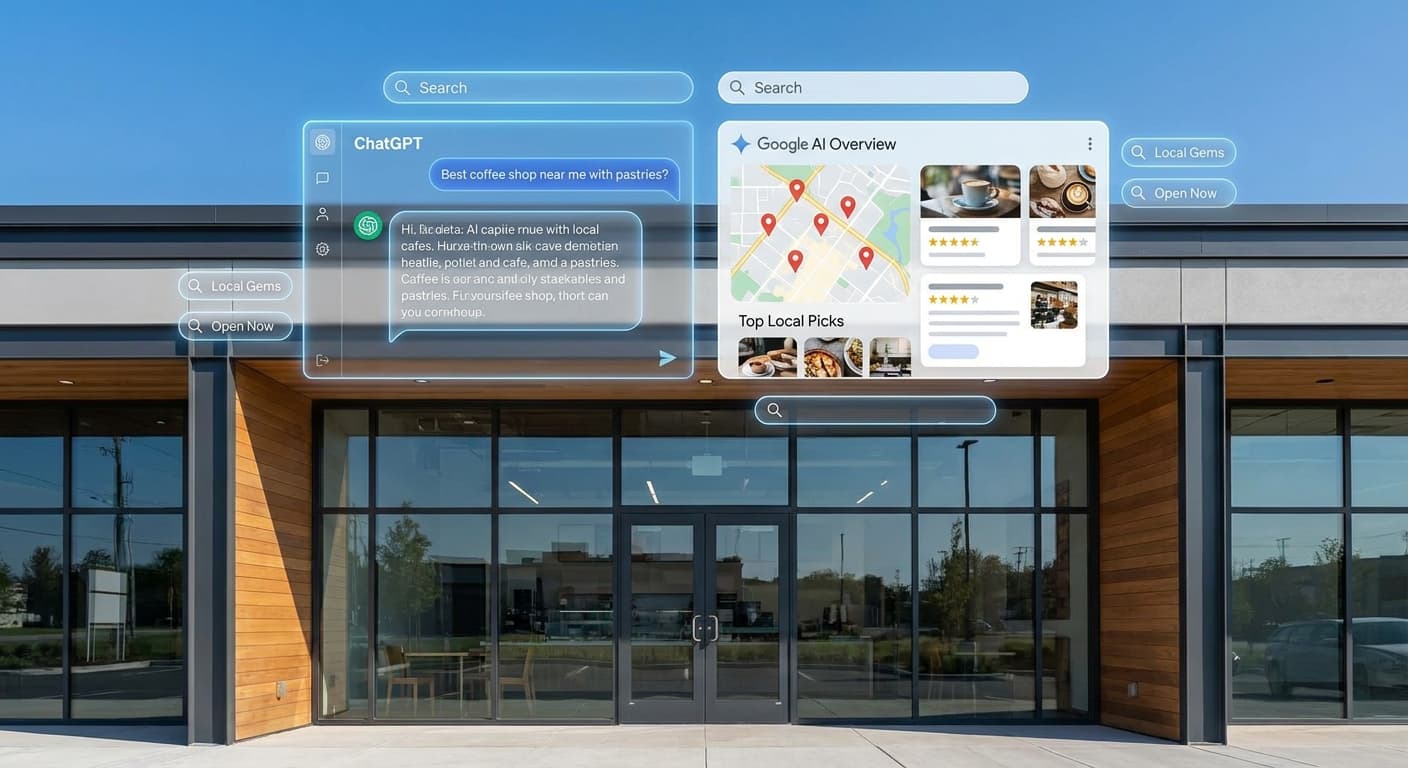
Here's a shocking statistic that should make every local business owner pause: 58% of "near me" searches in 2025 are now being resolved directly within AI platforms like ChatGPT, Google's AI Overviews, and Perplexity without users ever clicking through to your Google Business Profile or website.
This isn't just a trend—it's a fundamental shift in how consumers discover and interact with local businesses. With over 600 million weekly ChatGPT users and 40% of Gen Z now using AI as their primary search method for local recommendations, traditional local SEO strategies are rapidly becoming insufficient.
The Local Search Landscape Has Changed Forever
The data tells a compelling story about how dramatically local search behavior has evolved:
The challenge? Most local businesses are still optimizing for 2023's search patterns while their customers have moved on to AI-first discovery methods.
Why Traditional Local SEO Falls Short in the AI Era
Traditional local SEO focuses heavily on:
While these remain important, they're no longer sufficient because AI search engines don't just crawl your GMB listing—they synthesize information from multiple sources to provide comprehensive, contextual answers.
The AI Search Difference
When someone asks ChatGPT "Where can I get the best tacos near me for a family dinner?", the AI considers:
Building Your AI-First Local Discovery Strategy
1. Create Conversational Content That Answers Real Questions
AI engines excel at understanding natural language queries. Your content needs to match how people actually speak and search:
Instead of targeting: "Denver Italian restaurant"
Optimize for: "What's a good Italian restaurant in Denver for a romantic date night with outdoor seating?"
Action Steps:
2. Develop Rich, Multi-Dimensional Business Descriptions
AI engines need comprehensive information to recommend your business effectively. This means going beyond basic NAP (Name, Address, Phone) data:
Essential AI-Optimized Elements:
3. Optimize for Context and Intent, Not Just Keywords
AI search engines understand intent better than traditional search. Focus on:
Occasion-Based Optimization:
Seasonal and Temporal Relevance:
4. Leverage Structured Data for AI Understanding
While structured data has always been important, it's crucial for AI engines that need to quickly parse and understand your business information:
Priority Schema Types:
5. Build Authority Through Strategic Content Distribution
Since AI engines pull from multiple sources, you need content presence across various platforms:
Distribution Strategy:
Advanced AI Discovery Tactics
Create "AI-Friendly" Service Pages
Develop pages that specifically answer complex, conversational queries:
These pages should provide comprehensive information that AI engines can easily extract and synthesize.
Implement Conversational Content Optimization
Tools like Citescope Ai's GEO Score analyze your content across five critical dimensions that matter for AI discovery: AI Interpretability, Semantic Richness, Conversational Relevance, Structure, and Authority. This helps ensure your local business content is optimized for how AI engines actually understand and surface information.
Monitor Your AI Presence
Unlike traditional local SEO where you can track rankings in Google, AI search requires different monitoring approaches:
Measuring Success in AI-First Local Search
Traditional local SEO metrics like GMB views and website clicks tell only part of the story. New metrics to track include:
AI Mention Tracking
Engagement Quality Indicators
Content Performance in AI Context
How Citescope Ai Helps Local Businesses Dominate AI Search
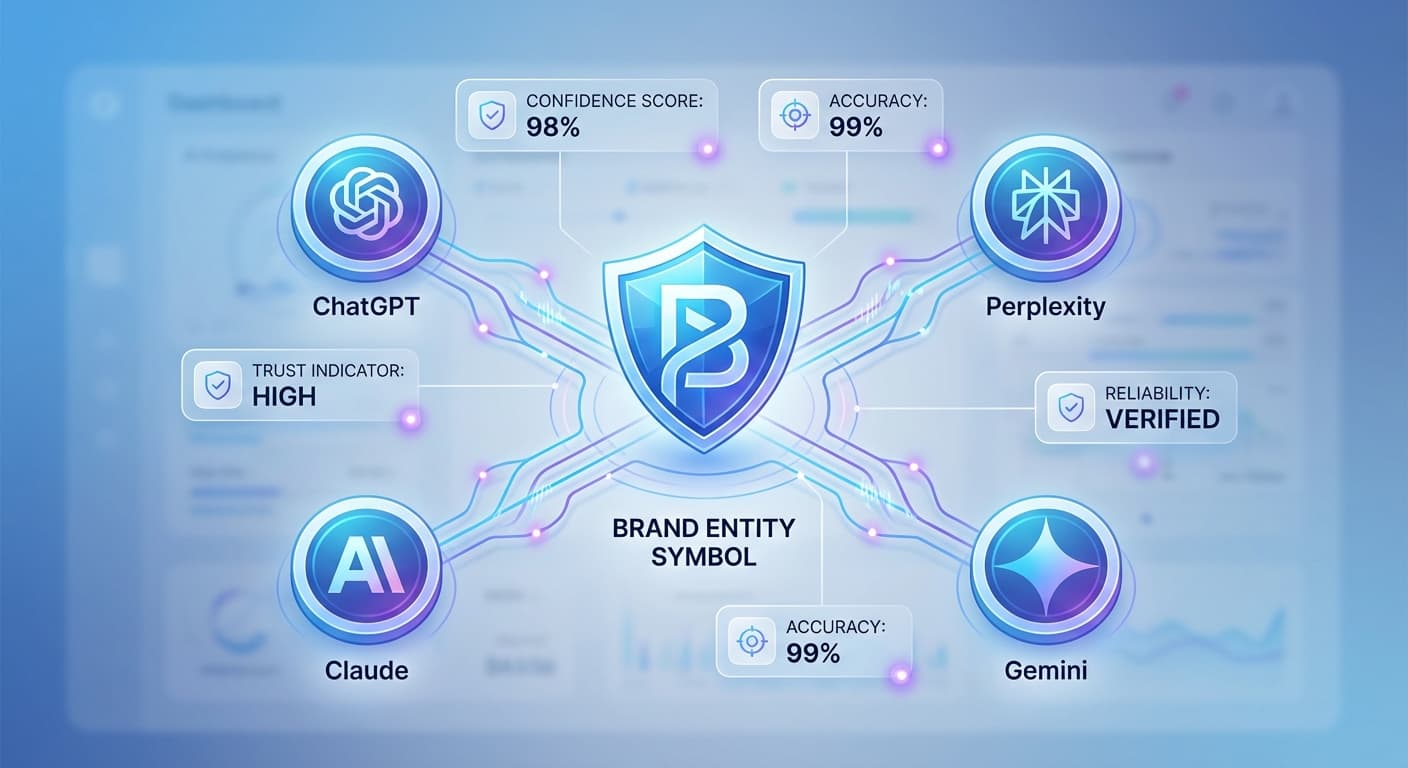
Building an effective AI discovery strategy requires understanding how AI engines interpret and surface local business information. Citescope Ai's Citation Tracker monitors when your business gets mentioned across ChatGPT, Perplexity, Claude, and Gemini, giving you unprecedented visibility into your AI search performance.
The platform's AI Rewriter tool specifically optimizes local business content for better discoverability in AI search results, while the GEO Score provides actionable insights into how well your content performs across the five dimensions that matter most for AI visibility.
The Future of Local Business Discovery
As AI search continues to evolve, local businesses that adapt their discovery strategies now will have a significant competitive advantage. The businesses thriving in 2026 are those that understand AI engines don't just find information—they synthesize it, contextualize it, and present it in ways that traditional SEO never anticipated.
The question isn't whether AI will dominate local search—it already has. The question is whether your business will be part of the conversation when potential customers ask AI engines for recommendations in your category and location.
Ready to Optimize for AI Search?
Don't let 58% of your potential customers discover your competitors instead of you. Citescope Ai helps local businesses optimize their content for AI search engines, track their AI citations, and improve their discoverability where customers are actually searching. Start with our free tier and optimize up to 3 pieces of content per month, or upgrade to Pro for unlimited optimizations and advanced analytics. Transform your local discovery strategy today—because your customers are already using AI to find businesses like yours.