How to Build a Hyper-Personalized Content Delivery System for AI Search Engines in 2026
How to Build a Hyper-Personalized Content Delivery System for AI Search Engines in 2026
Imagine this: Two users ask ChatGPT the same exact question about "best marketing strategies for small businesses." User A gets an answer focused on social media and influencer partnerships. User B receives advice about email marketing and local SEO. Same query, completely different responses – tailored to each user's search history, preferences, and business context.
This isn't science fiction. It's happening right now in 2026, and it's fundamentally breaking traditional SEO.
The Death of One-Size-Fits-All Content
By early 2026, AI search engines process over 2.8 billion personalized queries daily. Unlike Google's traditional "one URL, one answer" approach, AI engines like ChatGPT, Perplexity, and Claude generate unique responses for each user based on their:
This shift means your carefully crafted "ultimate guide" that ranked #1 for years might now reach only a fraction of potential users. The solution? Building content systems that adapt to AI personalization rather than fighting it.
Understanding AI Engine Personalization Patterns
Before diving into solutions, let's examine how AI search engines actually personalize content in 2026:
Context Layering
AI engines build user profiles across multiple dimensions:
Content Preference Mapping
Through machine learning, these engines identify user preferences for:
Authority Attribution
AI engines increasingly cite sources that align with user trust patterns. A user who frequently engages with academic content will see more scholarly sources, while someone preferring practical business advice gets more industry publication citations.
Building Your Hyper-Personalized Content System
1. Create Content Variants, Not Single Pages
Instead of publishing one "definitive" piece, develop multiple versions targeting different user profiles:
Example: "Email Marketing for Small Business"
2. Implement Semantic Content Clustering
Group related content pieces to create comprehensive topic coverage:
This approach ensures AI engines can pull from your content ecosystem to answer diverse user queries while maintaining topical authority.
3. Optimize for Conversational Context
AI search engines excel at understanding conversational context. Structure your content to answer follow-up questions:
Primary Question: "How do I start email marketing?"
Anticipated Follow-ups:
Address these naturally within your content using H3 subheadings and clear transitions.
4. Build Modular Content Architecture
Create content "building blocks" that AI engines can combine for personalized responses:
For content optimization, tools like Citescope Ai analyze how well your content performs across these different personalization scenarios, providing a GEO Score that measures AI interpretability and semantic richness.
Advanced Personalization Strategies
Dynamic Content Elements
Incorporate elements that AI engines can adapt:
User Journey Mapping
Map content to different stages of user awareness:
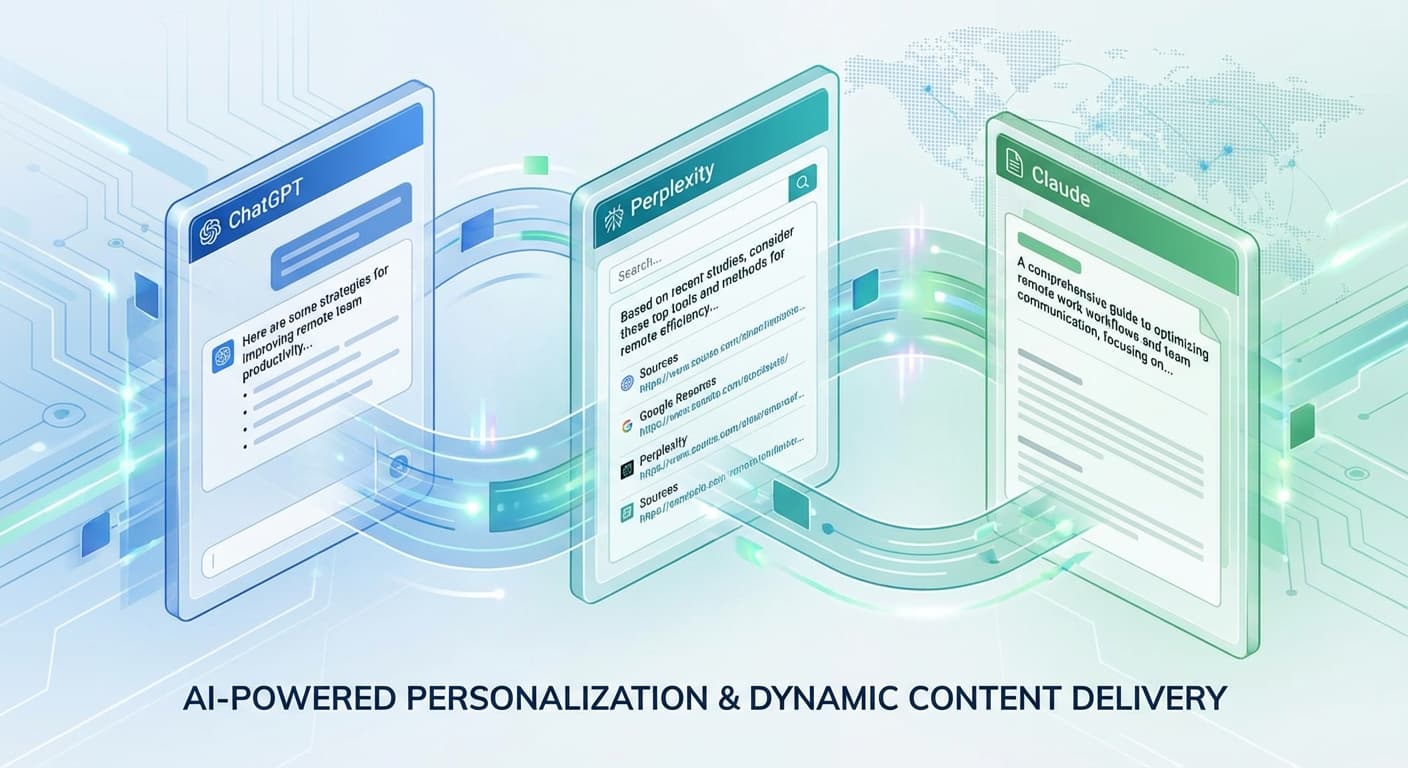
Cross-Platform Content Adaptation
Optimize for different AI engine personalities:
Each platform has distinct citation preferences and content interpretation styles.
Measuring Hyper-Personalized Content Success
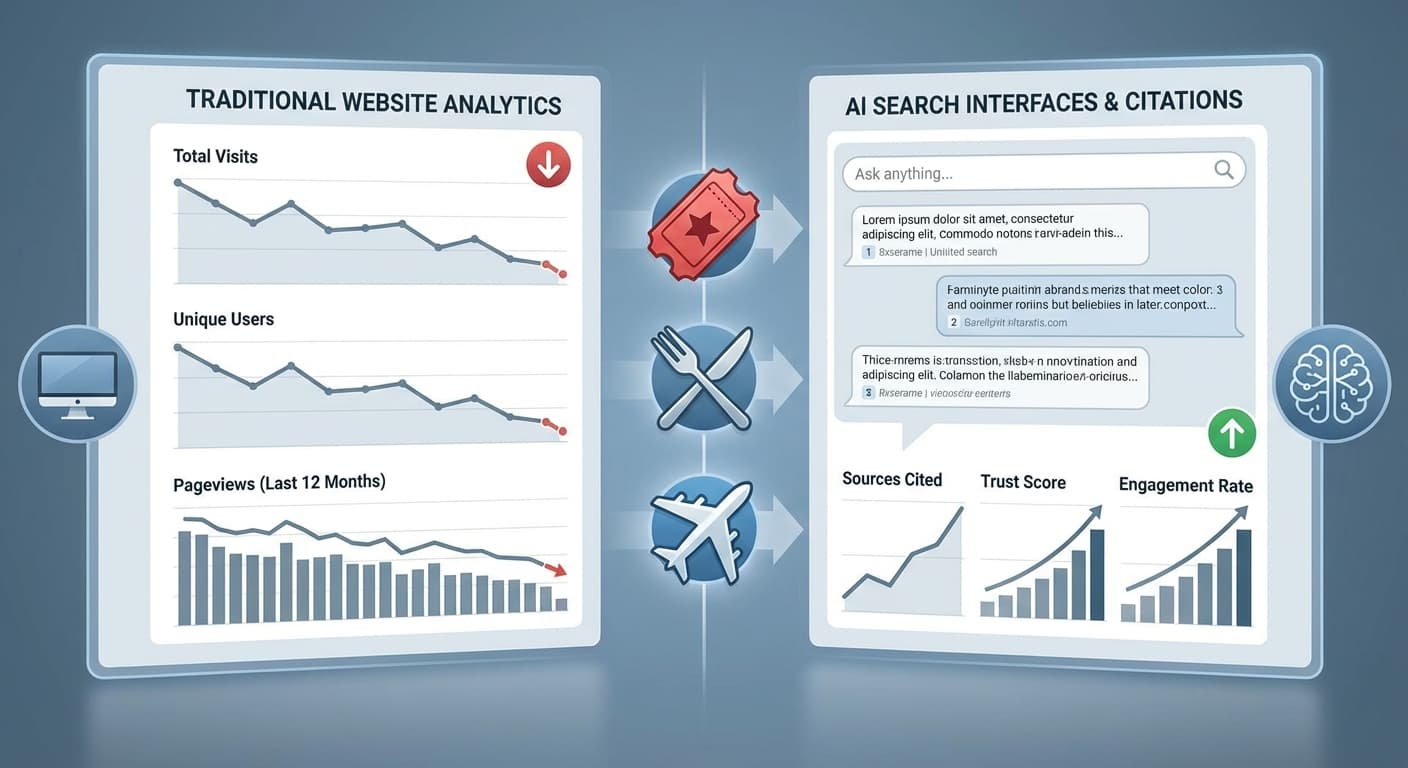
Traditional Metrics vs. AI Citation Metrics
Old SEO metrics don't capture AI search success. Focus on:
Traditional SEO Metrics (Still Relevant):
New AI Citation Metrics (Increasingly Important):
Content Variant Performance Analysis
Track which content versions get cited most frequently:
Implementation Roadmap
Phase 1: Content Audit and Clustering (Weeks 1-2)
Phase 2: Variant Development (Weeks 3-6)
Phase 3: Optimization and Testing (Weeks 7-8)
Phase 4: Monitoring and Iteration (Ongoing)
How Citescope Ai Helps
Building and managing hyper-personalized content systems requires sophisticated analysis and optimization tools. Citescope Ai's GEO Score analyzes your content across five critical dimensions:
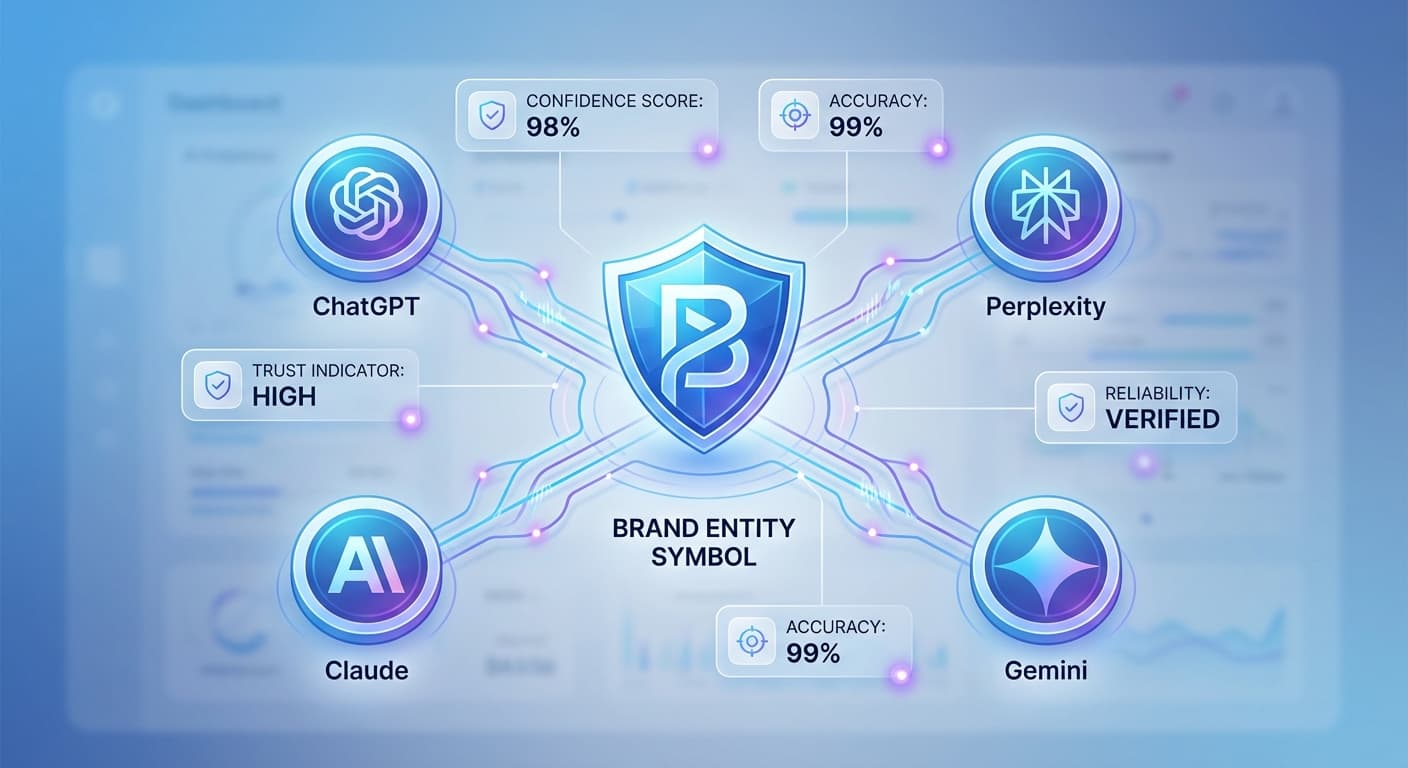
The platform's AI Rewriter optimizes your content variants with one-click restructuring, while the Citation Tracker monitors performance across ChatGPT, Perplexity, Claude, and Gemini, giving you real-time feedback on which content versions succeed in different personalization scenarios.
The Future of Content in an AI-First World
As AI search engines become more sophisticated, the gap between traditional SEO and AI optimization will only widen. Content creators who adapt to hyper-personalization now will dominate citations and visibility in 2026 and beyond.
The winners won't be those with the most content, but those with the most adaptable content. By building systems that work with AI personalization rather than against it, you're future-proofing your content strategy for the next evolution of search.
Ready to Optimize for AI Search?
Building hyper-personalized content systems doesn't have to be overwhelming. Citescope Ai provides the tools and insights you need to create content that succeeds across all AI search engines, regardless of user personalization. Start optimizing your content for AI citations today with our free tier, or upgrade to Pro for advanced analytics and unlimited optimizations. Transform your content strategy for the AI search era – your future citations depend on it.