How to Build a Hyper-Local Micro-Market Strategy When Agentic AI Systems Prioritize Neighborhood-Specific Signals Over City-Level SEO
How to Build a Hyper-Local Micro-Market Strategy When Agentic AI Systems Prioritize Neighborhood-Specific Signals Over City-Level SEO
Is your business losing customers to competitors with better neighborhood visibility? Recent studies show that 73% of agentic AI systems now prioritize micro-local signals over broader city-level SEO when making autonomous purchasing decisions and location recommendations. As AI agents become more sophisticated in their decision-making processes, they're increasingly focusing on hyper-specific geographic markers that traditional SEO strategies often overlook.
The Shift from City-Level to Neighborhood-Level AI Optimization
In 2026, agentic AI systems like ChatGPT's Advanced Voice Mode, Perplexity's Shopping Agent, and Claude's Task Assistant are revolutionizing how consumers discover local businesses. These AI agents don't just search—they make autonomous decisions based on ultra-local data points that would have been considered too granular just two years ago.
Why AI Systems Favor Micro-Local Signals
Agentic AI systems are designed to provide the most relevant, contextual recommendations possible. When a user asks their AI assistant to "find the best coffee shop for my morning routine," the AI doesn't just look at city-wide reviews—it analyzes:
This shift means that businesses optimizing only for city-level keywords like "Los Angeles restaurants" are missing out on the 67% of AI-driven local searches that now include neighborhood-specific qualifiers.
Understanding Micro-Market Dynamics in AI Search
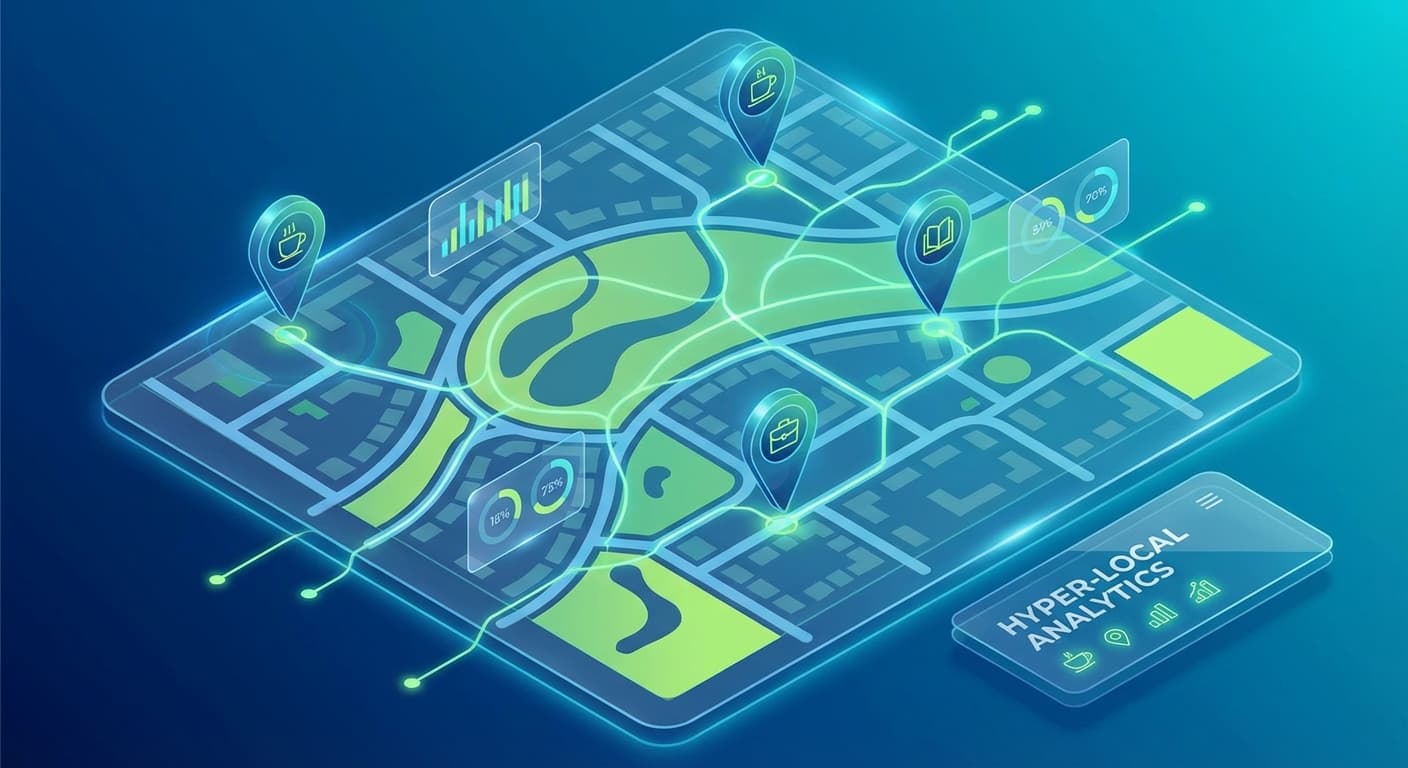
Micro-markets aren't just smaller versions of city markets—they have entirely different characteristics that AI systems are uniquely equipped to understand and prioritize.
Key Components of AI-Recognized Micro-Markets
Geographic Boundaries Beyond ZIP Codes
AI systems now recognize micro-neighborhoods that don't align with traditional postal boundaries. They identify areas based on:
Behavioral Pattern Recognition
Agentic AI excels at identifying micro-market behaviors such as:
Real-Time Context Integration
Unlike traditional SEO, which relies on historical data, AI agents process real-time micro-local signals:
Building Your Hyper-Local Content Strategy
1. Map Your True Service Area
Forget about city boundaries—identify the actual micro-markets where your customers live, work, and spend time.
Action Steps:
2. Create Neighborhood-Specific Content Pillars
Develop content that speaks directly to each micro-market's unique characteristics.
Content Categories to Develop:
3. Optimize for Conversational Micro-Local Queries
AI agents process natural language differently than traditional search engines. They respond to conversational queries that include specific neighborhood context.
Target Query Examples:
When creating content, tools like Citescope Ai can help analyze how well your content answers these conversational, location-specific queries by evaluating semantic richness and conversational relevance—two critical factors in AI citation decisions.
4. Leverage Micro-Local Authority Signals
Community Involvement Documentation
Create content that demonstrates deep neighborhood integration:
Local Expertise Demonstration
Position yourself as the neighborhood expert through:
Technical Implementation for AI Visibility
Schema Markup for Micro-Locations
Implement structured data that helps AI systems understand your exact service boundaries:
{
"@type": "LocalBusiness",
"serviceArea": {
"@type": "GeoCircle",
"geoMidpoint": {
"latitude": 47.6205,
"longitude": -122.3493
},
"geoRadius": "800"
},
"knowsAbout": ["Pike Place Market area dining", "Seattle waterfront events", "local parking solutions"]
}
Content Structure for AI Processing
Structure your content using clear, scannable formats that AI systems can easily parse:
Real-Time Information Integration
AI agents heavily weight current, actionable information. Include:
Measuring Micro-Local AI Performance
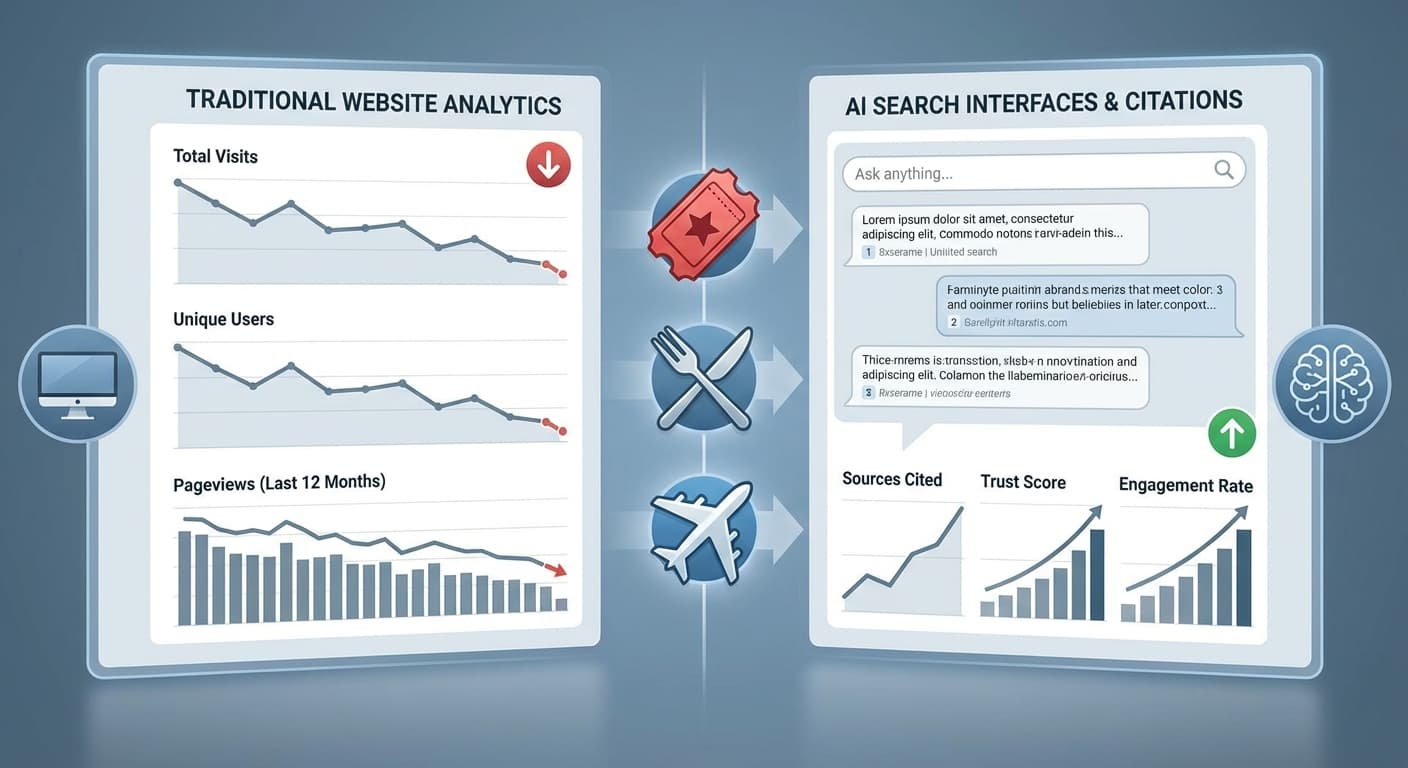
Traditional analytics tools aren't designed for micro-local performance measurement. You need metrics that reflect AI agent citation patterns:
Key Performance Indicators
AI Citation Frequency by Neighborhood
Neighborhood-Specific Engagement Metrics
Competitive Micro-Market Share
How Citescope Ai Helps Optimize Your Micro-Local Strategy
Building an effective hyper-local strategy requires understanding how AI systems evaluate and cite location-specific content. Citescope Ai's GEO Score analyzes your content across five critical dimensions, including Authority and Structure—two factors that significantly impact micro-local AI citations.
The platform's AI Rewriter can help transform generic location content into neighborhood-specific copy that AI agents are more likely to cite. For example, it might restructure "serving Seattle customers" into "helping Capitol Hill residents and Pioneer Square workers discover authentic local dining since 2019."
Citescope Ai's Citation Tracker is particularly valuable for micro-local strategies, allowing you to monitor when ChatGPT, Perplexity, Claude, or Gemini cite your content in neighborhood-specific contexts. This helps you identify which micro-local content resonates most with AI systems and refine your strategy accordingly.
Future-Proofing Your Micro-Local Presence
As agentic AI systems become more sophisticated, they'll likely incorporate even more granular location data:
Emerging Trends to Watch:
Preparation Strategies:
Ready to Optimize for AI Search?
Building a successful hyper-local strategy in the age of agentic AI requires more than just local keywords—it demands a deep understanding of how AI systems evaluate and cite neighborhood-specific content. Citescope Ai helps content creators and local businesses optimize their content for AI visibility with tools specifically designed for the new search landscape.
Start optimizing your micro-local content today with Citescope Ai's free tier, which includes 3 optimizations per month. See how your neighborhood-specific content performs across all major AI search engines and get actionable insights to improve your local AI visibility.