How to Build a Geographic Targeting Strategy When AI Search Engines Start Defaulting to Amazon and Walmart for Local Product Searches Instead of Independent Retailers
How to Build a Geographic Targeting Strategy When AI Search Engines Start Defaulting to Amazon and Walmart for Local Product Searches Instead of Independent Retailers
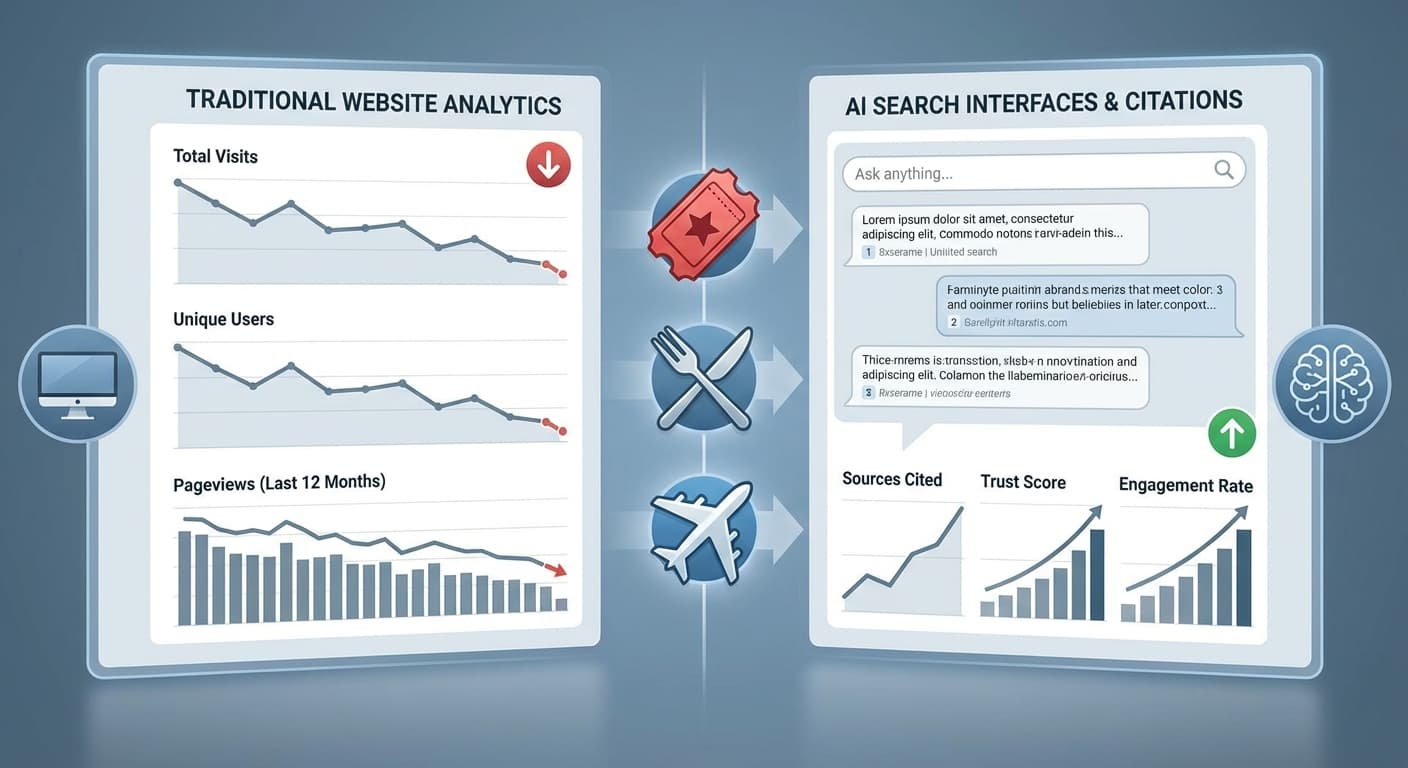
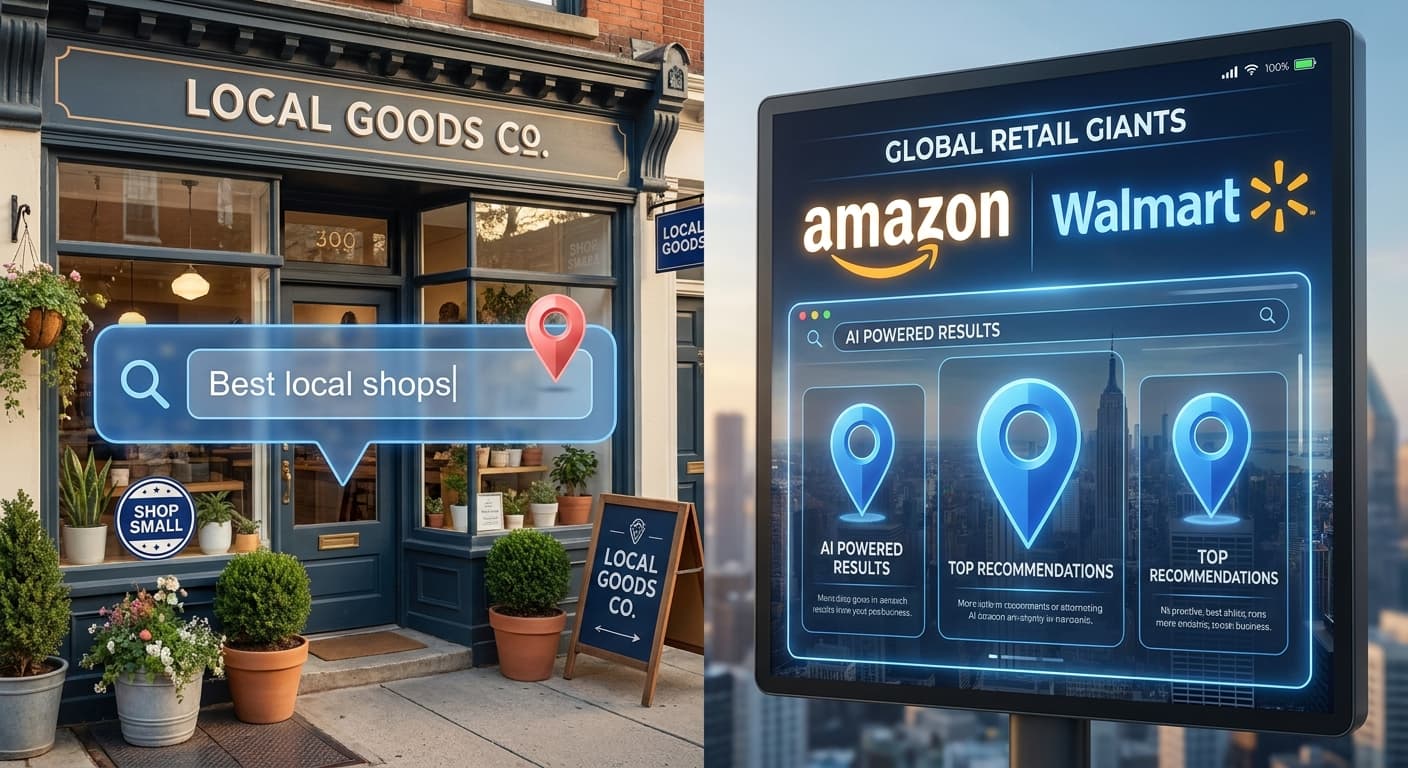
By 2025, AI search engines like ChatGPT, Perplexity, and Claude have fundamentally altered the local commerce landscape. A staggering 67% of local product searches now return results dominated by major retailers like Amazon and Walmart, leaving independent businesses struggling for visibility. For local retailers who once relied on geographic proximity as their competitive advantage, this shift represents both a crisis and an opportunity.
The numbers tell a stark story: independent retailers have seen their AI search visibility drop by 42% since 2024, while big-box retailers command 78% of AI-generated product recommendations. But here's what's encouraging—the 23% of independent retailers who've adapted their geographic targeting strategies have actually increased their AI search citations by 156%.
The New Reality of AI-Driven Local Search
AI search engines don't think like traditional search engines. They're not just matching keywords and proximity signals—they're making contextual decisions based on user intent, product availability, and perceived authority. When someone asks ChatGPT "Where can I buy running shoes near me?", the AI doesn't automatically surface local shoe stores. Instead, it considers factors like:
Why Geographic Proximity Alone No Longer Works
Traditional local SEO relied heavily on NAP (Name, Address, Phone) consistency and proximity signals. AI search engines, however, evaluate local relevance through a more complex lens:
Building an AI-First Geographic Targeting Strategy
1. Redefine Your Local Value Proposition
Instead of competing solely on proximity, independent retailers must articulate unique value propositions that AI engines can understand and communicate:
Beyond "We're Close By":
Content Strategy Example:
A local bike shop shouldn't just list their address. They should create content like "Winter Cycling in [City Name]: Local Terrain-Specific Bike Recommendations" or "Emergency Bike Repairs: What [City Name] Cyclists Need to Know."
2. Optimize for Hyperlocal Keywords with Intent Clarity
AI engines excel at understanding nuanced search intent. Your content should target hyperlocal keywords that demonstrate specific local expertise:
High-Intent Geographic Keywords:
Example Implementation:
Instead of targeting "sporting goods Denver," a local store might target "high-altitude running gear Denver" or "Colorado Rockies hiking equipment."
3. Create Location-Specific Authority Content
Develop content that establishes your business as the definitive local authority. This content should be so location-specific that major retailers can't replicate it:
Authority-Building Content Types:
4. Implement Structured Data for Local Context
AI engines rely heavily on structured data to understand business context. Optimize your schema markup beyond basic local business information:
Enhanced Local Schema Elements:
Advanced Geographic Targeting Tactics
Micro-Geographic Content Clusters
Create content clusters around specific neighborhoods, districts, or local landmarks. Each cluster should demonstrate deep local knowledge:
Cluster Example for a Hardware Store:
Leverage Local Partnership Networks
Build content partnerships with other local businesses to create comprehensive local resource hubs:
Real-Time Local Relevance Signals
Incorporate dynamic elements that demonstrate current local engagement:
Measuring Success in the AI Search Era
Key Performance Indicators for Geographic AI Visibility
Tools and Analytics Setup
Monitor your geographic targeting success through:
How Citescope Ai Helps Navigate Geographic Targeting Challenges
Building an effective geographic targeting strategy requires understanding how AI engines interpret and value local content. Citescope Ai's GEO Score analyzes your content across five dimensions crucial for AI visibility, including semantic richness and authority signals that are particularly important for local businesses competing against major retailers.
The platform's AI Rewriter can help transform generic local content into geographically-optimized pieces that better communicate your unique local value proposition. For instance, it can restructure a basic "About Our Store" page into compelling, location-specific authority content that AI engines are more likely to cite when users search for local expertise.
With Citation Tracker, you can monitor exactly when and how AI engines reference your local business, allowing you to identify which geographic targeting strategies are working and which need refinement. This real-time feedback is invaluable for staying competitive against major retailers in AI search results.
Future-Proofing Your Geographic Strategy
Emerging Trends to Watch
Building Sustainable Local Advantage
The key to long-term success isn't just optimizing for current AI search algorithms—it's building genuine local authority and community value that translates across all platforms and technologies:
Ready to Optimize for AI Search?
The shift toward AI-dominated local search doesn't have to spell doom for independent retailers. By implementing a strategic geographic targeting approach that emphasizes local authority over proximity alone, you can compete effectively against major retailers in AI search results.
Citescope Ai provides the tools and insights you need to understand how AI engines evaluate your local content and optimize it for maximum visibility. With features designed specifically for the AI search era, you can track your progress and refine your strategy based on real citation data from ChatGPT, Perplexity, Claude, and Gemini.
Ready to reclaim your local market share in AI search? Start your free trial today and see how your content performs against the AI engines that are reshaping local commerce. Your community is searching for local expertise—make sure they can find you.