GEO Strategy

How to Build a GEO Content Architecture for Query Fan-Out Coverage When Traditional Topic Clusters Miss the 8-12 Sub-Queries AI Search Engines Actually Generate from Single User Questions
March 1, 20267 min read
How to Build a GEO Content Architecture for Query Fan-Out Coverage When Traditional Topic Clusters Miss the 8-12 Sub-Queries AI Search Engines Actually Generate from Single User Questions

How to Build a GEO Content Architecture for Query Fan-Out Coverage When Traditional Topic Clusters Miss the 8-12 Sub-Queries AI Search Engines Actually Generate from Single User Questions

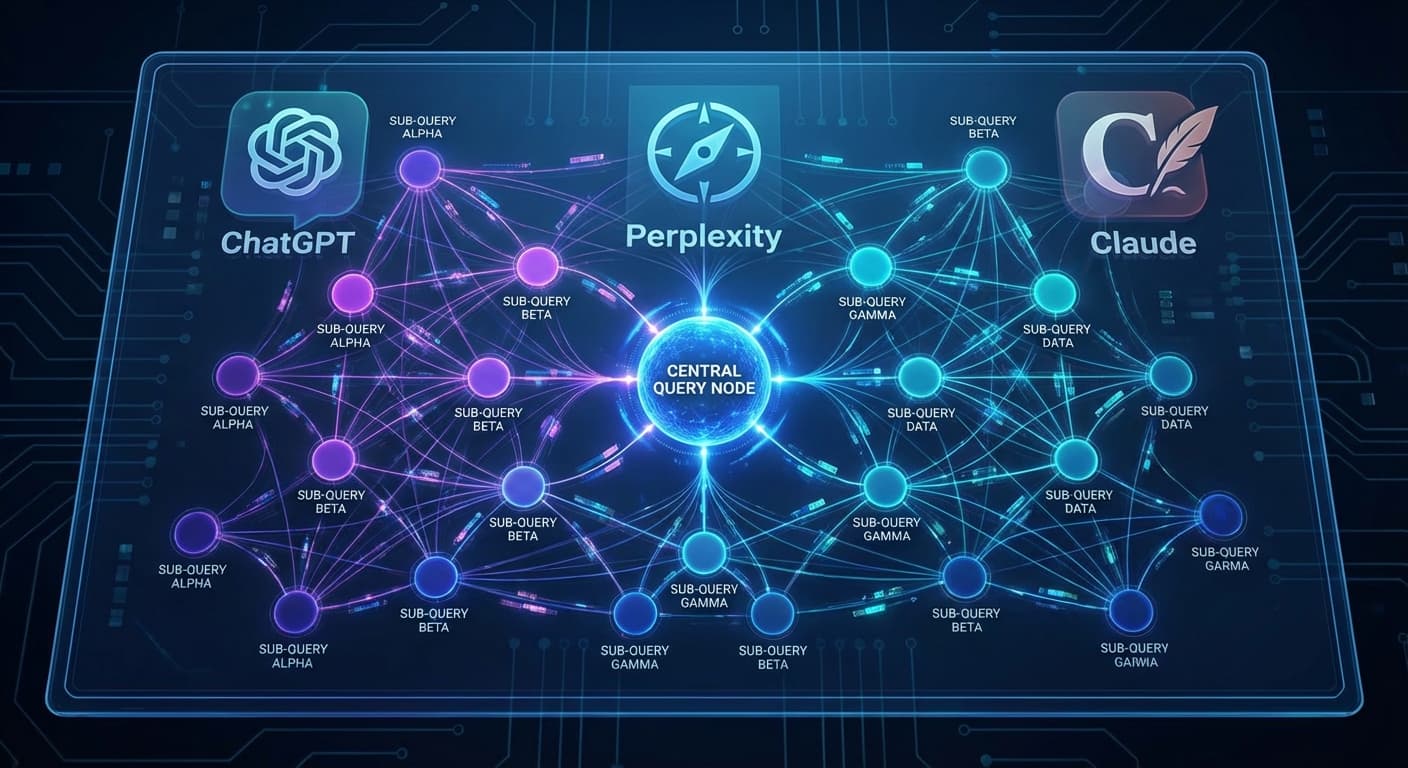
When someone asks ChatGPT "How do I start a podcast?", the AI doesn't just search for that exact phrase. It instantly fans out into 8-12 related sub-queries: equipment recommendations, hosting platforms, content planning strategies, monetization methods, legal considerations, and more. Yet 73% of content creators in 2026 are still building traditional topic clusters that only address the surface-level query—missing the citation goldmine hidden in AI's query expansion process.

The Query Fan-Out Revolution: Why Traditional SEO Falls Short

AI search engines have fundamentally changed how queries are processed. While Google might return results for "how to start a podcast," ChatGPT and Perplexity simultaneously explore related dimensions that users didn't even know they needed to ask about.

The Hidden Query Expansion

Recent analysis of ChatGPT's citation patterns reveals that a single user question typically generates:

  • Primary query: The exact question asked

  • 8-12 sub-queries: Related questions the AI anticipates

  • Contextual branches: Situational variations based on user context

  • Follow-up anticipation: Logical next questions in the conversation flow
  • For example, "How do I start a podcast?" internally expands to:

  • What equipment do I need to start podcasting?

  • Which podcast hosting platform is best for beginners?

  • How much does it cost to start a podcast?

  • What are the legal requirements for podcasting?

  • How do I choose a podcast topic?

  • How do I record and edit podcast episodes?

  • How do I grow a podcast audience?

  • How do I monetize a podcast?

  • What are common podcasting mistakes to avoid?

  • How often should I publish podcast episodes?

  • Do I need a website for my podcast?

  • How do I get my podcast on Spotify and Apple Podcasts?
  • Traditional topic clusters might create separate pillar pages for "podcast equipment" and "podcast marketing," but they miss the intricate web of micro-queries that AI engines use to build comprehensive answers.

    Understanding GEO Content Architecture

    GEO (Generative Engine Optimization) content architecture goes beyond traditional hub-and-spoke models. It's designed around query fan-out patterns rather than keyword hierarchies.

    The Four Pillars of GEO Architecture

    1. Query Constellation Mapping

    Instead of building around primary keywords, map out query constellations—clusters of related questions that AI engines explore simultaneously. Each constellation should address:

  • The central query

  • Peripheral questions users haven't thought to ask

  • Context-dependent variations

  • Sequential follow-up queries
  • 2. Micro-Answer Density

    AI engines favor content with high micro-answer density—clear, quotable responses to specific sub-questions within longer content. Structure your content to provide:

  • Direct answers in the first 1-2 sentences of each section

  • Supporting context and explanation

  • Actionable next steps

  • Relevant examples or data points
  • 3. Semantic Bridging

    Connect related concepts through semantic bridges—transitional content that helps AI engines understand relationships between topics. This includes:

  • Cross-references between related sections

  • Contextual definitions of industry terms

  • Logical flow between concepts

  • Clear cause-and-effect relationships
  • 4. Citation-Ready Formatting

    Structure content for easy AI extraction with:

  • Clear attribution for statistics and claims

  • Quotable expert insights

  • Step-by-step processes

  • Definitive statements about best practices
  • Building Your GEO Content Architecture: A Step-by-Step Guide

    Step 1: Conduct Query Fan-Out Analysis

    Start by analyzing how AI engines interpret your target topics:

  • Test primary queries: Ask your main questions to ChatGPT, Claude, and Perplexity

  • Document sub-queries: Note the range of topics covered in responses

  • Track follow-up questions: See what additional questions the AI suggests

  • Map interconnections: Identify how different sub-topics relate to each other
  • Step 2: Create Query Constellation Maps

    Visualize your content architecture around query constellations:

  • Central hub: Your main topic or service

  • Primary satellites: 3-5 major sub-topics

  • Micro-satellites: 8-12 specific questions around each primary satellite

  • Connection paths: How topics naturally flow into each other
  • Step 3: Design Multi-Dimensional Content

    Instead of single-purpose pages, create multi-dimensional content that addresses multiple query layers:

    Comprehensive Resource Pages

  • Address 8-12 related questions in a single, well-structured piece

  • Use clear H2/H3 headers for each sub-query

  • Include jump-to sections for easy navigation

  • Provide both overview and deep-dive sections
  • Interconnected Content Series

  • Create content clusters that build on each other

  • Reference related pieces within the same constellation

  • Use consistent terminology and definitions across pieces

  • Build logical pathways between topics
  • Step 4: Optimize for AI Interpretability

    Structure your content for maximum AI comprehension:

  • Use declarative statements: AI engines prefer confident, clear assertions

  • Include numerical data: Statistics and metrics are highly quotable

  • Provide step-by-step processes: Numbered lists perform well in AI responses

  • Define technical terms: Help AI engines understand context and meaning
  • Advanced GEO Architecture Strategies

    The Anticipatory Content Model

    Build content that anticipates the next logical questions users will ask. For each main topic, create:

  • Beginner-to-expert pathways: Content that grows with user knowledge

  • Problem-solution chains: Address not just how to do something, but common obstacles

  • Context-specific variations: Different approaches for different situations

  • Update and evolution content: How practices change over time
  • Cross-Constellation Linking

    Connect different query constellations through strategic internal linking:

  • Link related concepts across topic boundaries

  • Create "bridge content" that connects disparate topics

  • Use contextual internal links that add value to readers

  • Build topic authority through comprehensive coverage
  • Real-Time Optimization

    Regularly analyze which sub-queries are gaining traction:

  • Monitor AI engine responses for trending sub-topics

  • Track which pieces of your content get cited most often

  • Identify gaps in your query coverage

  • Update existing content to address emerging sub-queries
  • Measuring GEO Architecture Success

    Track the effectiveness of your query fan-out coverage:

  • Citation frequency: How often AI engines reference your content

  • Query coverage: Percentage of related sub-queries your content addresses

  • Authority building: Increased citations across multiple related topics

  • User engagement: Time on page and cross-page navigation patterns
  • How Citescope Ai Helps Build Better GEO Architecture

    Citescope Ai's GEO Score specifically analyzes your content across five critical dimensions that support query fan-out coverage:

  • AI Interpretability: How easily AI engines can extract answers from your content

  • Semantic Richness: The depth of related concepts and terminology coverage

  • Conversational Relevance: How well your content matches natural question patterns

  • Structure: The logical organization that supports multi-query coverage

  • Authority: The credibility markers that make content citation-worthy
  • The Citation Tracker shows you exactly which sub-queries are driving citations, helping you identify gaps in your constellation coverage and opportunities for expansion.

    Common GEO Architecture Mistakes to Avoid

  • Single-query focus: Creating content that only addresses one specific question

  • Shallow coverage: Providing surface-level answers without supporting context

  • Poor interconnection: Failing to link related concepts within your content ecosystem

  • Static architecture: Not updating content architecture based on evolving AI query patterns

  • Keyword-first thinking: Building around search volume rather than query relationships
  • The Future of Query Fan-Out Optimization

    As AI search continues to evolve, query fan-out patterns are becoming more sophisticated. Content creators who master GEO architecture now will have a significant advantage as:

  • AI engines become better at understanding complex query relationships

  • User expectations for comprehensive answers increase

  • Citation competition intensifies across all industries

  • Multi-modal AI search incorporates voice and visual queries
  • Ready to Optimize for AI Search?

    Building effective GEO content architecture requires understanding how AI engines think, not just how humans search. With Citescope Ai's comprehensive analysis and optimization tools, you can map your query constellations, identify coverage gaps, and track your citation success across all major AI platforms. Start with our free tier to analyze your current content architecture and see how query fan-out optimization can transform your AI search visibility.

    GEO StrategyContent ArchitectureQuery OptimizationAI SearchContent Planning

    Track your AI visibility

    See how your content appears across ChatGPT, Perplexity, Claude, and more.

    Start for Free