How to Build a GEO Citation Attribution System When AI Search Platforms Synthesize Multiple Sources But Your Analytics Can't Prove Which Content Assets Drove the Mention
How to Build a GEO Citation Attribution System When AI Search Platforms Synthesize Multiple Sources But Your Analytics Can't Prove Which Content Assets Drove the Mention
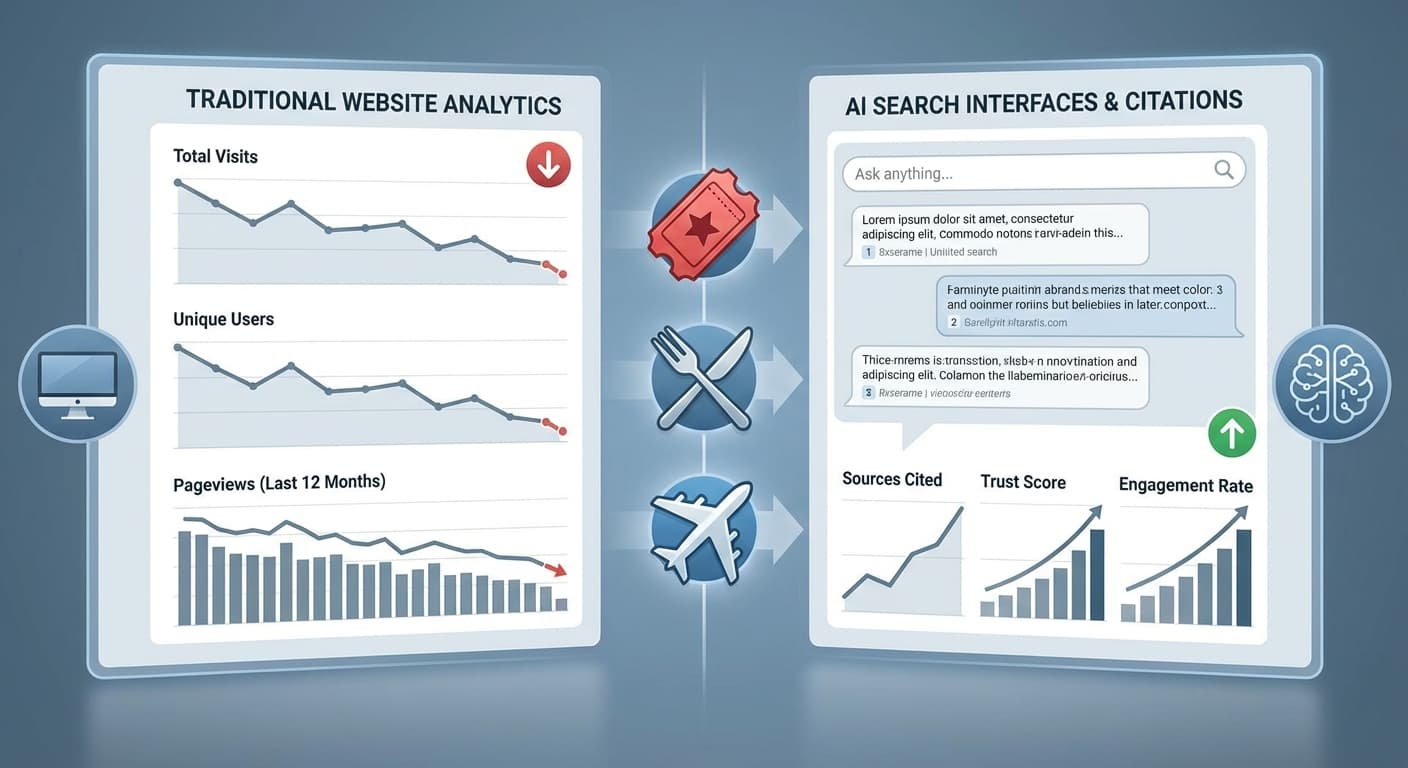
Here's a sobering reality: 73% of brands report being cited in AI search results, but only 18% can accurately track which specific content assets drove those mentions. With AI search now accounting for over 35% of all search queries in 2026, this attribution blindness is costing companies millions in missed optimization opportunities.
The problem isn't just measurement—it's understanding. When ChatGPT or Perplexity synthesizes information from multiple sources to answer a user's query, traditional analytics fail spectacularly. Your Google Analytics might show a traffic spike, but can it tell you which blog post influenced Claude's response about your industry expertise? Spoiler alert: it can't.
The Attribution Crisis in AI Search
Traditional web analytics were built for a simpler time when users clicked directly from search results to your website. But AI search engines operate fundamentally differently:
This creates what researchers call the "citation attribution gap"—the inability to connect AI mentions back to specific content investments.
Understanding How AI Engines Source and Synthesize Content
Before building an attribution system, you need to understand how AI search platforms actually work:
The AI Citation Process
What Influences Citation Selection
Research from 2025 shows that AI engines prioritize sources based on:
Understanding these factors helps you build content that's more likely to earn citations—and track them effectively.
Building Your GEO Citation Attribution Framework
Step 1: Establish Content DNA Fingerprinting
Create unique identifiers for your content that can be traced even when synthesized:
Step 2: Implement Multi-Touch Attribution Modeling
Traditional single-touch attribution fails in AI search. Instead, build a system that accounts for:
Step 3: Set Up Systematic AI Search Monitoring
Manual monitoring doesn't scale. Establish automated systems to:
Step 4: Create Content Performance Correlation Models
Develop statistical models that correlate content characteristics with citation frequency:
Citescope Ai's GEO Score actually analyzes these exact factors, providing a predictive score for citation likelihood across AI Interpretability, Semantic Richness, Conversational Relevance, Structure, and Authority dimensions.
Advanced Attribution Techniques
Content Lineage Tracking
Trace the journey of your ideas through the AI ecosystem:
Synthetic Data Analysis
Use AI to analyze AI citations:
Multi-Dimensional Impact Measurement
Move beyond simple citation counting to measure:
Common Attribution Pitfalls to Avoid
Over-Attribution Bias
Don't claim credit for every citation in your topic area. Focus on:
Single-Platform Focus
AI search behavior varies significantly across platforms:
Static Attribution Models
AI algorithms evolve constantly. Update your attribution models quarterly to account for:
Measuring Attribution Success
Key Performance Indicators
Track these metrics to evaluate your attribution system:
Validation Techniques
Regularly validate your attribution accuracy through:
How Citescope Ai Helps
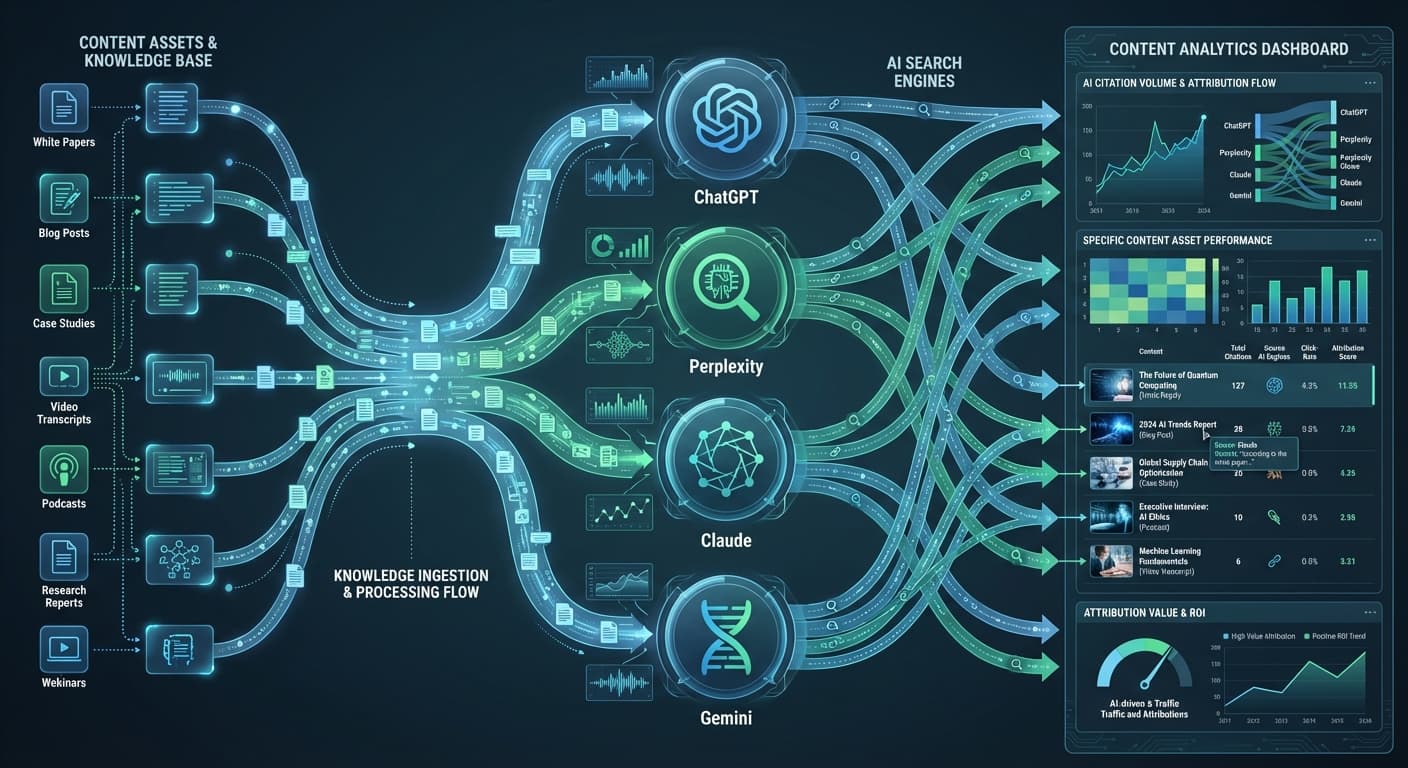
While building custom attribution systems provides deep insights, most content teams need immediate, actionable solutions. Citescope Ai's Citation Tracker automatically monitors when your content gets cited across ChatGPT, Perplexity, Claude, and Gemini—eliminating the guesswork from attribution.
The platform's GEO Score analyzes your content across the five dimensions that most influence AI citations, while the AI Rewriter optimizes content structure for better citation probability. Instead of spending months building custom tracking systems, you get immediate visibility into which content assets drive AI search mentions.
Implementation Timeline and Resource Planning
Phase 1: Foundation (Weeks 1-4)
Phase 2: Analysis (Weeks 5-8)
Phase 3: Optimization (Weeks 9-12)
Ready to Optimize for AI Search?
Building a comprehensive GEO citation attribution system requires significant technical resources and ongoing maintenance. Citescope Ai provides immediate visibility into your AI search performance without the complexity of custom development. Start optimizing your content for AI citations today with our free tier—track up to 3 optimizations per month and see which content assets drive real AI search mentions. Ready to scale? Our Pro plan ($39/month) offers unlimited tracking across all major AI platforms.