How to Build a Feed SEO Migration Strategy When AI Shopping Agents Prioritize Product Catalog Quality Over Page Content
How to Build a Feed SEO Migration Strategy When AI Shopping Agents Prioritize Product Catalog Quality Over Page Content
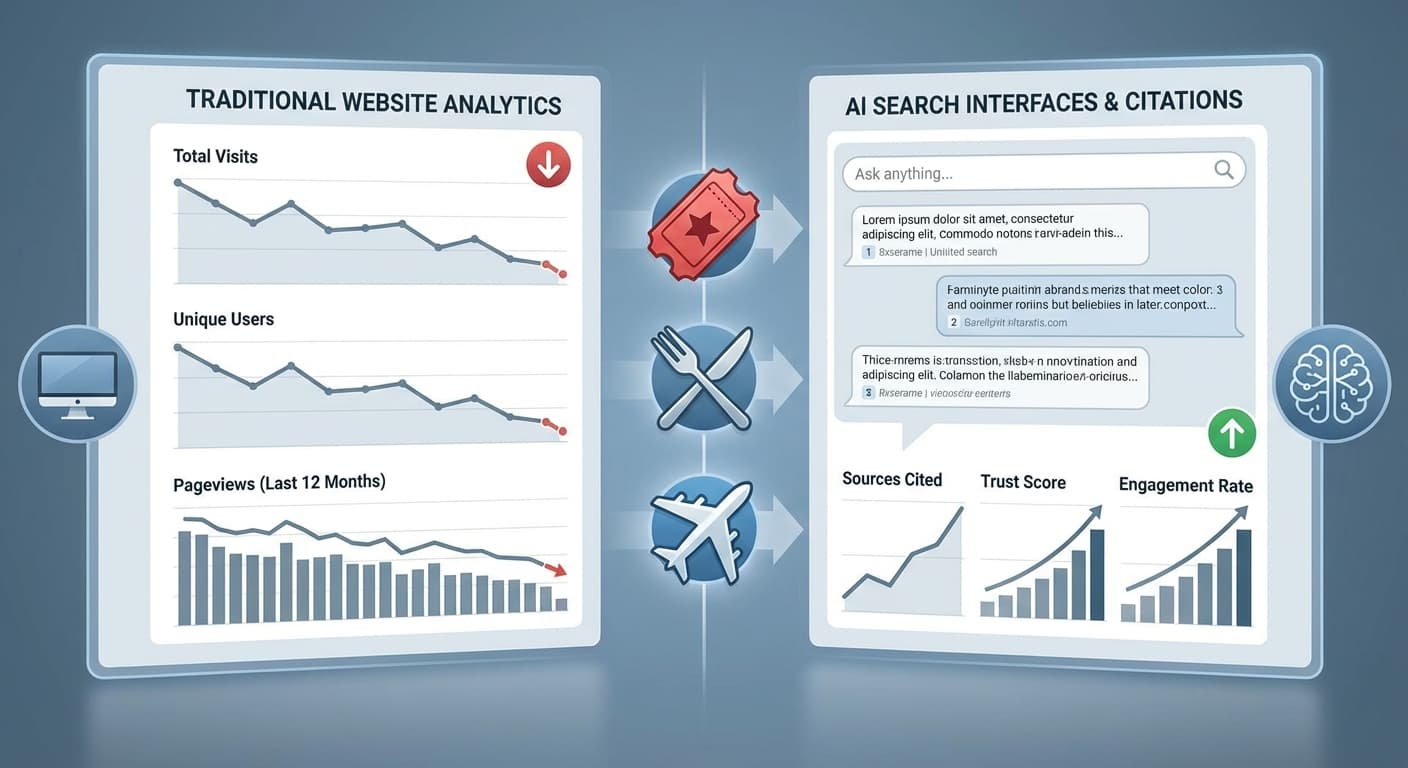
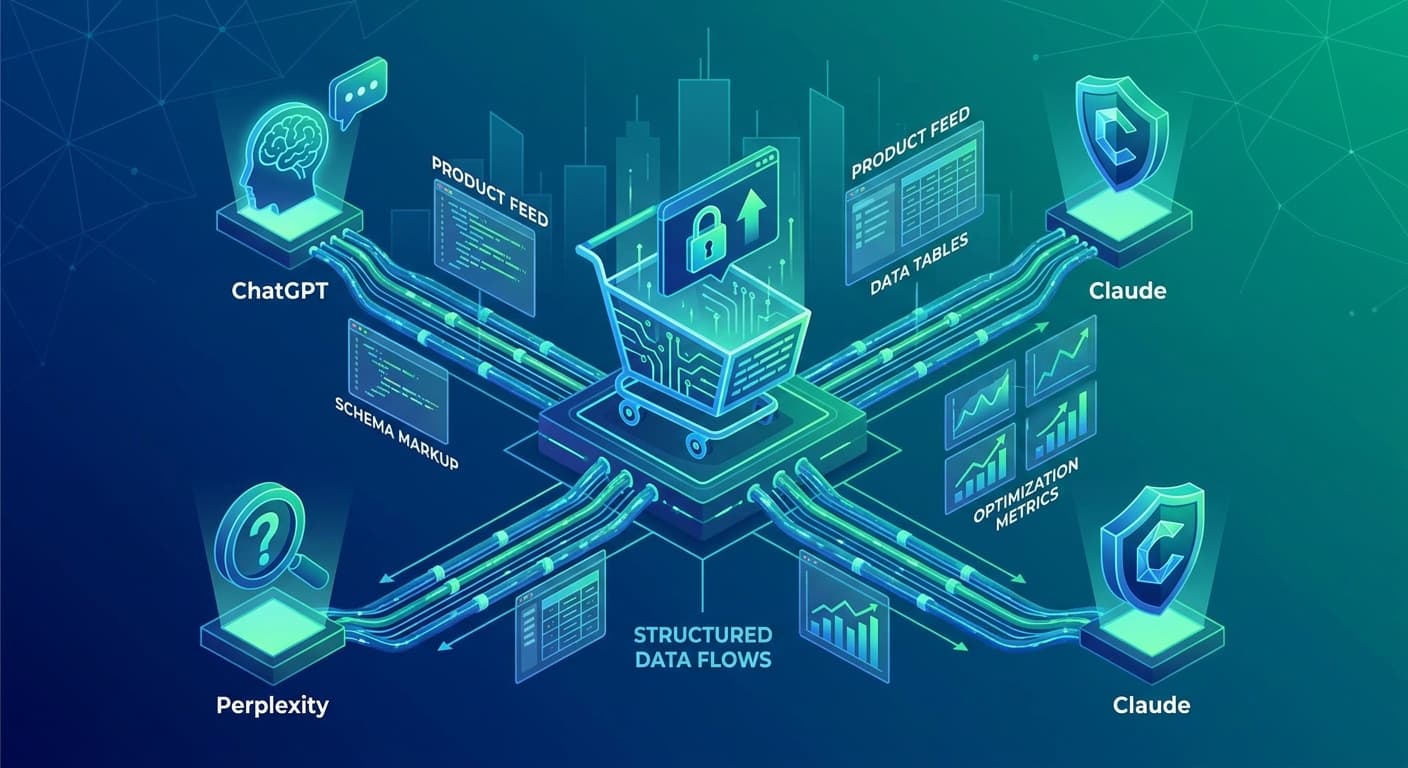
Here's a sobering reality: 63% of ecommerce teams are operating with incomplete schema markup in 2026, just as AI shopping agents like ChatGPT's shopping features, Perplexity Shopping, and Claude Commerce are fundamentally reshaping how consumers discover and purchase products. While traditional SEO focused on optimizing individual product pages, AI agents now prioritize structured product feeds and catalog quality over beautifully written descriptions.
This shift represents the biggest change in ecommerce search optimization since Google Shopping launched over a decade ago. AI shopping agents parse structured data feeds to understand product relationships, inventory levels, pricing, and specifications—often bypassing your carefully crafted product page content entirely.
The New Reality: AI Agents Prioritize Structure Over Style
In 2025, we witnessed a fundamental shift in how AI systems evaluate ecommerce content. Unlike traditional search engines that heavily weighted on-page text and backlinks, AI shopping agents now prioritize:
This means your perfectly optimized product descriptions might be invisible to AI agents if your underlying data structure is incomplete or poorly organized.
The Cost of Incomplete Schema Implementation
Recent industry research reveals the scope of this challenge:
The teams that recognize this shift early are building competitive advantages that will compound over the next several years.
Building Your Feed SEO Migration Strategy
Step 1: Audit Your Current Schema Implementation
Before migrating to a feed-first approach, you need to understand your baseline. Conduct a comprehensive schema audit that examines:
Product Schema Completeness:
Technical Implementation Quality:
Cross-Platform Compatibility:
Step 2: Prioritize Feed-First Data Architecture
The most successful ecommerce teams are now architecting their product data with AI consumption as the primary consideration. This involves:
Creating Master Product Feeds:
Develop centralized product feeds that serve as the single source of truth for all platforms. These feeds should include:
Implementing Structured Data Hierarchies:
Organize your product data in hierarchical structures that AI agents can easily parse:
Step 3: Optimize for AI Agent Consumption Patterns
AI shopping agents consume product data differently than traditional search crawlers. They prioritize:
Semantic Relationships:
Real-Time Data Freshness:
Quality Signals:
Step 4: Implement Progressive Enhancement
Rather than rebuilding everything simultaneously, implement a progressive enhancement strategy:
Phase 1: Foundation (Months 1-2)
Phase 2: Enhancement (Months 3-4)
Phase 3: Optimization (Months 5-6)
Measuring Success in the AI-First Era
Traditional ecommerce metrics don't fully capture the impact of AI agent optimization. Focus on these key indicators:
AI Visibility Metrics:
Technical Performance Indicators:
Business Impact Measurements:
Common Migration Pitfalls to Avoid
Based on analysis of hundreds of ecommerce migrations, these mistakes consistently derail feed SEO strategies:
Over-Optimizing for Traditional SEO:
Many teams continue prioritizing keyword-stuffed product descriptions over structured data quality. AI agents care more about accurate, complete attribute data than keyword density.
Inconsistent Cross-Platform Implementation:
Maintaining different schema implementations across various platforms creates confusion for AI agents and dilutes your optimization efforts.
Neglecting Mobile-Specific Considerations:
Mobile AI agents often have different parsing capabilities and requirements than desktop versions.
Ignoring International Considerations:
AI shopping agents increasingly support multiple languages and currencies, requiring internationalized schema implementation.
How Citescope Ai Helps
While building a comprehensive feed SEO strategy requires significant technical expertise, Citescope Ai's GEO Score evaluates how well your product content performs across all five dimensions that AI agents prioritize: AI Interpretability, Semantic Richness, Conversational Relevance, Structure, and Authority. The platform's AI Rewriter can optimize your existing product descriptions to work better with both traditional search engines and AI shopping agents, while the Citation Tracker monitors when your products get mentioned by ChatGPT, Perplexity, Claude, and other AI platforms.
The Future of Ecommerce in an AI-First World
As AI shopping agents become more sophisticated, the gap between well-structured and poorly-structured ecommerce sites will only widen. The teams that invest in comprehensive feed SEO strategies now will build sustainable competitive advantages.
Consider this: by 2027, industry analysts predict that over 60% of product research will begin with AI agents rather than traditional search engines. The question isn't whether to optimize for AI shopping agents—it's whether you'll lead or follow in this transformation.
The most successful ecommerce sites of the next decade won't just be those with the best products or prices. They'll be the ones that speak fluent AI, with structured data that helps machines understand and recommend their products effectively.
Ready to Optimize for AI Search?
Building a feed SEO migration strategy requires both technical expertise and ongoing optimization. Citescope Ai helps ecommerce teams understand how their product content performs with AI shopping agents and provides the tools needed to optimize for better visibility and citations. Start with our free tier to analyze up to 3 products per month, or upgrade to Pro for comprehensive ecommerce optimization. Try Citescope Ai free today and see how your products rank in the age of AI shopping.