How to Build a Dynamic Creative Adaptation Tracking Strategy When AI Max Campaigns Auto-Generate Ad Variations Across 40+ Intent Signals But Remove 87% of Campaign-Level Performance Transparency
How to Build a Dynamic Creative Adaptation Tracking Strategy When AI Max Campaigns Auto-Generate Ad Variations Across 40+ Intent Signals But Remove 87% of Campaign-Level Performance Transparency
Are you losing sleep over your AI Max campaigns' black box performance reporting? You're not alone. In 2026, as AI-driven advertising platforms like Google's Performance Max and Meta's Advantage+ campaigns process over 40 distinct intent signals per user interaction, marketers are facing an unprecedented challenge: how do you track and optimize creative performance when 87% of traditional campaign-level metrics have been abstracted away?
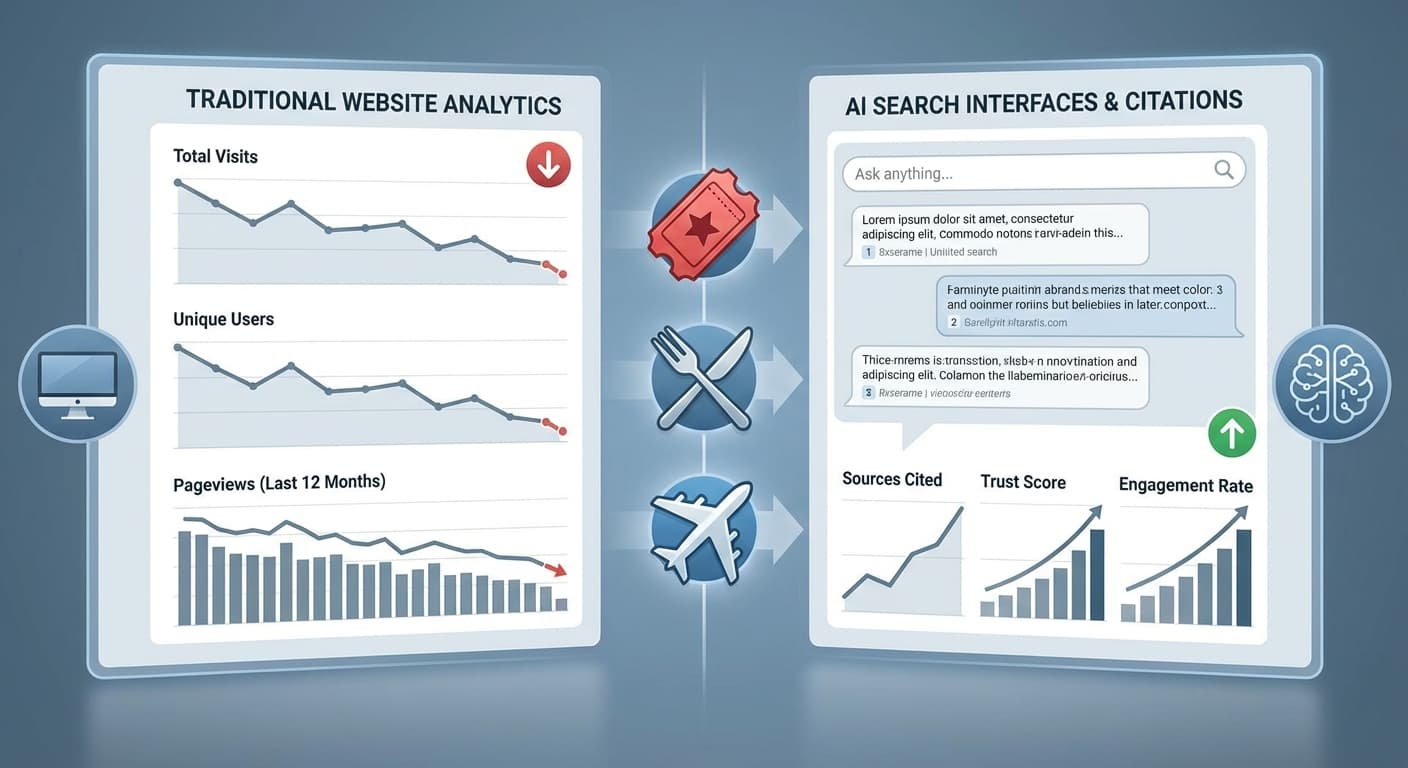
With AI search now commanding 35% of all search queries and over 600 million weekly users across platforms like ChatGPT, Perplexity, and Claude, the intersection of AI advertising and search visibility has never been more critical. Yet most marketers are flying blind, unable to connect their dynamic creative variations to actual search visibility and citation performance.
The AI Max Campaign Transparency Crisis
AI Max campaigns represent the future of digital advertising, but they've created a fundamental attribution problem. These intelligent systems:
The result? Marketers see overall campaign performance but can't identify which creative elements drive the most valuable traffic or, crucially, which variations earn citations in AI search results.
Why Traditional Tracking Falls Short in 2026
Traditional analytics tools were built for a simpler time when campaigns had clear hierarchies and transparent attribution paths. Today's AI Max campaigns operate differently:
The Multi-Signal Attribution Challenge
The AI Search Citation Gap
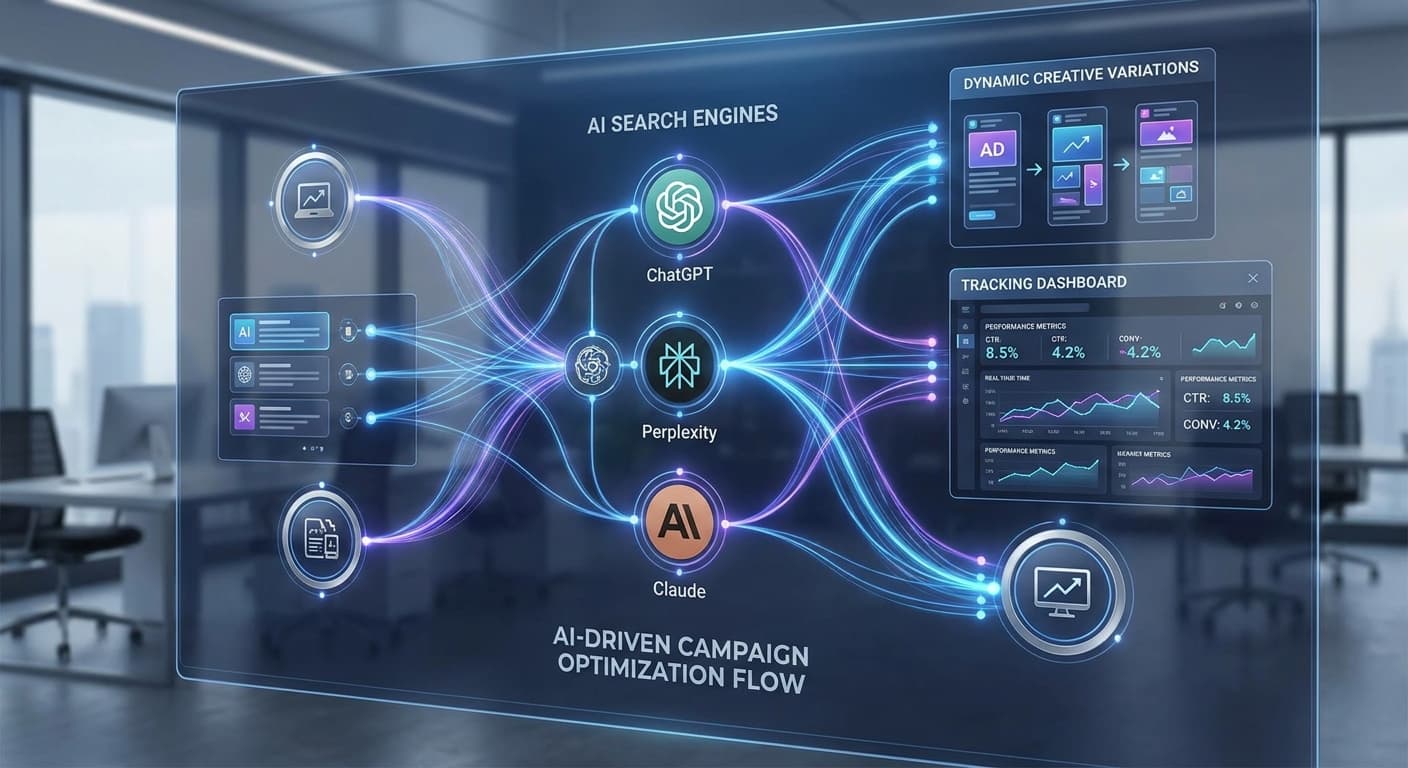
Here's what most marketers miss: your AI Max campaign content doesn't just drive clicks—it can drive AI search citations. When ChatGPT, Perplexity, or Claude cite your content, that's often the result of AI campaigns surfacing your brand in relevant contexts. But without proper tracking, you're missing this crucial connection.
Building Your Dynamic Creative Adaptation Tracking Strategy
Step 1: Implement Multi-Layer Content Tagging
Create a systematic approach to track creative elements across AI platforms:
Creative DNA Tracking
Intent Signal Mapping
Step 2: Establish AI Search Citation Monitoring
While AI Max campaigns optimize for conversions, you need to track their impact on AI search visibility:
Citation Correlation Analysis
Step 3: Create Performance Proxy Metrics
Since direct campaign transparency is limited, develop alternative measurement approaches:
Engagement Quality Indicators
Content Resonance Signals
Step 4: Implement Creative Testing Frameworks
Develop systematic approaches to test and optimize within AI Max constraints:
A/B Testing at Scale
Semantic Optimization Integration
Advanced Tracking Techniques for 2026
Cross-Platform Attribution Modeling
Develop custom attribution models that account for AI Max campaign complexity:
Predictive Performance Modeling
Use machine learning to predict creative performance:
Real-Time Optimization Frameworks
Implement systems that adapt to AI Max campaign changes:
How Citescope Ai Helps Bridge the Gap
While AI Max campaigns limit traditional tracking, tools like Citescope Ai help fill the visibility gap by monitoring how your campaign content performs in AI search engines. The platform's Citation Tracker specifically monitors when your content gets cited by ChatGPT, Perplexity, Claude, and Gemini, while the GEO Score helps optimize your campaign landing pages for better AI search visibility.
This integration is crucial because AI Max campaigns often drive users to content that then gets discovered and cited by AI search engines, creating a multiplier effect that traditional analytics miss.
Measuring Success in the New Attribution Landscape
Key Performance Indicators for 2026
Primary Metrics
Secondary Metrics
Reporting Framework
Develop comprehensive reporting that captures AI Max campaign impact:
Future-Proofing Your Strategy
As AI Max campaigns evolve, your tracking strategy must adapt:
How Citescope Ai Helps
Citescope Ai addresses the AI Max campaign tracking challenge by providing visibility into how your campaign content performs in AI search engines. The platform's GEO Score analyzes your campaign landing pages across five dimensions crucial for AI search visibility, while the Citation Tracker monitors when your content gets cited by major AI platforms.
The AI Rewriter feature helps optimize campaign landing pages for better AI search performance, ensuring your AI Max campaigns drive not just immediate conversions but also long-term AI search visibility. With multi-format export capabilities, you can quickly implement optimized content across your campaign infrastructure.
Ready to Optimize for AI Search?
Don't let AI Max campaigns operate in a black box while missing crucial AI search citation opportunities. Citescope Ai helps you track and optimize the connection between your AI advertising and AI search visibility. Start with our free tier to analyze your first three campaign landing pages, or upgrade to Pro for comprehensive tracking across all your AI Max campaigns. Transform your dynamic creative strategy from guesswork to data-driven optimization.