How to Build a DIY AI Visibility Tracking System (When Enterprise Tools Aren't an Option)
How to Build a DIY AI Visibility Tracking System (When Enterprise Tools Aren't an Option)
Are you spending 40+ hours monthly manually checking if ChatGPT, Perplexity, and Google AI Overviews are citing your content? You're not alone. With AI search now powering 35% of all queries in 2026 and over 600 million weekly ChatGPT users, tracking AI visibility has become critical—but enterprise-level citation monitoring tools can cost $500-2000+ per month.
The reality is stark: 73% of marketing teams are operating with reduced budgets in 2026, yet AI visibility tracking has become as essential as traditional SEO monitoring. The good news? You can build an effective DIY system that captures 80% of what expensive tools offer, for a fraction of the cost.
Why AI Citation Tracking Matters More Than Ever in 2026
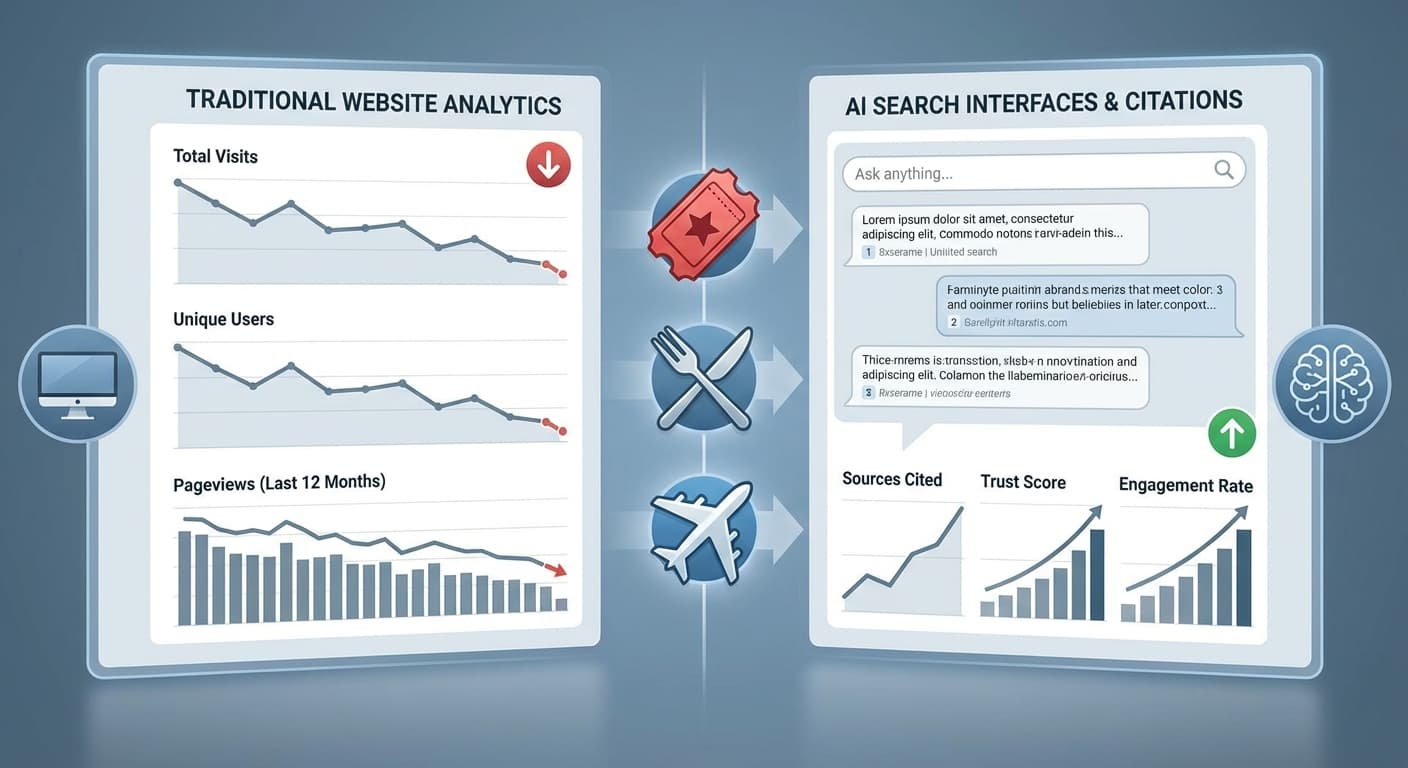
Traditional search traffic has shifted dramatically. Google's AI Overviews now appear in 68% of search results, while dedicated AI search engines like Perplexity have grown 400% year-over-year. When AI engines cite your content, you're not just getting traffic—you're building authority that compounds across the entire AI ecosystem.
Here's what's at stake:
The Core Components of a DIY AI Tracking System
1. Set Up Automated Query Monitoring
Start by identifying 20-30 key queries where you want to track citations. Focus on:
Free Tools to Use:
2. Create a Citation Tracking Spreadsheet
Build a master tracking sheet with these columns:
Pro Tip: Use Google Sheets with conditional formatting to highlight when citations are found. This visual system makes it easier to spot trends.
3. Establish a Weekly Monitoring Routine
Monday (30 minutes): Check Google AI Overviews
Wednesday (30 minutes): Monitor ChatGPT and Claude
Friday (30 minutes): Review Perplexity Results
4. Build Citation Alerts Using IFTTT
Create automated alerts using IFTTT (If This Then That) to monitor:
Advanced DIY Techniques for Better Tracking
Use Browser Extensions for Efficiency
Install These Free Extensions:
Create Query Templates
Develop standardized question formats that consistently surface citations:
Set Up Competitor Intelligence
Track not just your citations, but your competitors':
Optimizing Your Content for Better AI Citations
While tracking is important, optimization is what drives results. Focus on these elements that AI engines consistently cite:
Content Structure That AI Engines Love
Authority Signals
How Citescope Ai Helps Scale Your DIY Efforts
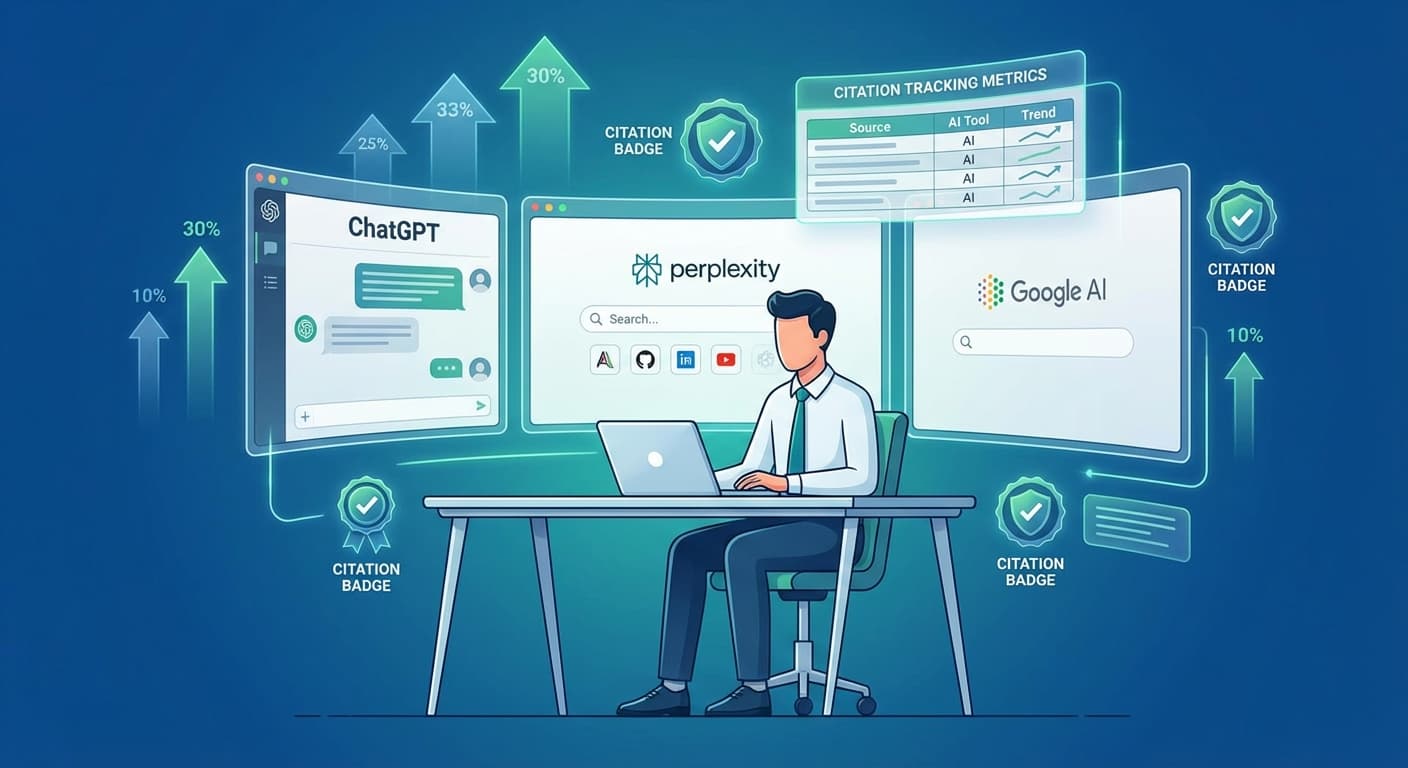
While building a DIY system covers the basics, Citescope Ai can significantly amplify your efforts without breaking the budget. Instead of spending 40 hours monthly on manual tracking, Citescope Ai's Citation Tracker automatically monitors ChatGPT, Perplexity, Claude, and Gemini citations across your content portfolio.
The GEO Score feature analyzes your content across five dimensions that directly impact AI citability—giving you specific optimization recommendations rather than guesswork. With plans starting at just $39/month (compared to $500+ enterprise tools), it bridges the gap between manual tracking and enterprise-level monitoring.
Measuring Success: Key Metrics to Track
Citation Frequency Metrics
Quality Indicators
Business Impact
Common Pitfalls to Avoid
Don't Over-Query: AI platforms may limit responses if you're testing too frequently. Space out your monitoring.
Don't Ignore Context: A citation in a negative context isn't beneficial—always check how your content is being referenced.
Don't Neglect Mobile: Test queries on mobile devices where AI search behavior differs.
Don't Forget Privacy: Use incognito/private browsing to avoid personalized results skewing your data.
Scaling Your DIY System Over Time
As your tracking system proves its value, gradually expand:
Month 1-2: Focus on basic citation tracking for top 10 keywords
Month 3-4: Add competitor monitoring and content optimization
Month 5-6: Expand to long-tail keywords and niche queries
Month 7+: Consider upgrading to specialized tools as budget allows
Ready to Optimize for AI Search?
Building a DIY AI visibility tracking system is a smart first step, but as your content library grows and AI search becomes more complex, manual processes hit scalability limits. Citescope Ai offers the perfect middle ground—professional-grade AI citation tracking and content optimization at a fraction of enterprise tool costs.
With our GEO Score analysis, one-click AI Rewriter, and automated Citation Tracker across all major AI platforms, you can maintain your budget-conscious approach while dramatically improving efficiency. Start with our free tier (3 optimizations per month) to test the waters, then scale as you see results.
Ready to stop spending 40 hours monthly on manual citation tracking? Try Citescope Ai free and get your first GEO Score analysis in under 2 minutes.