How to Build a Customer Review Synthesis Strategy When AI Search Engines Aggregate and Rewrite Testimonials from 18+ Review Platforms Without Linking Back to Your Website

How to Build a Customer Review Synthesis Strategy When AI Search Engines Aggregate and Rewrite Testimonials from 18+ Review Platforms Without Linking Back to Your Website
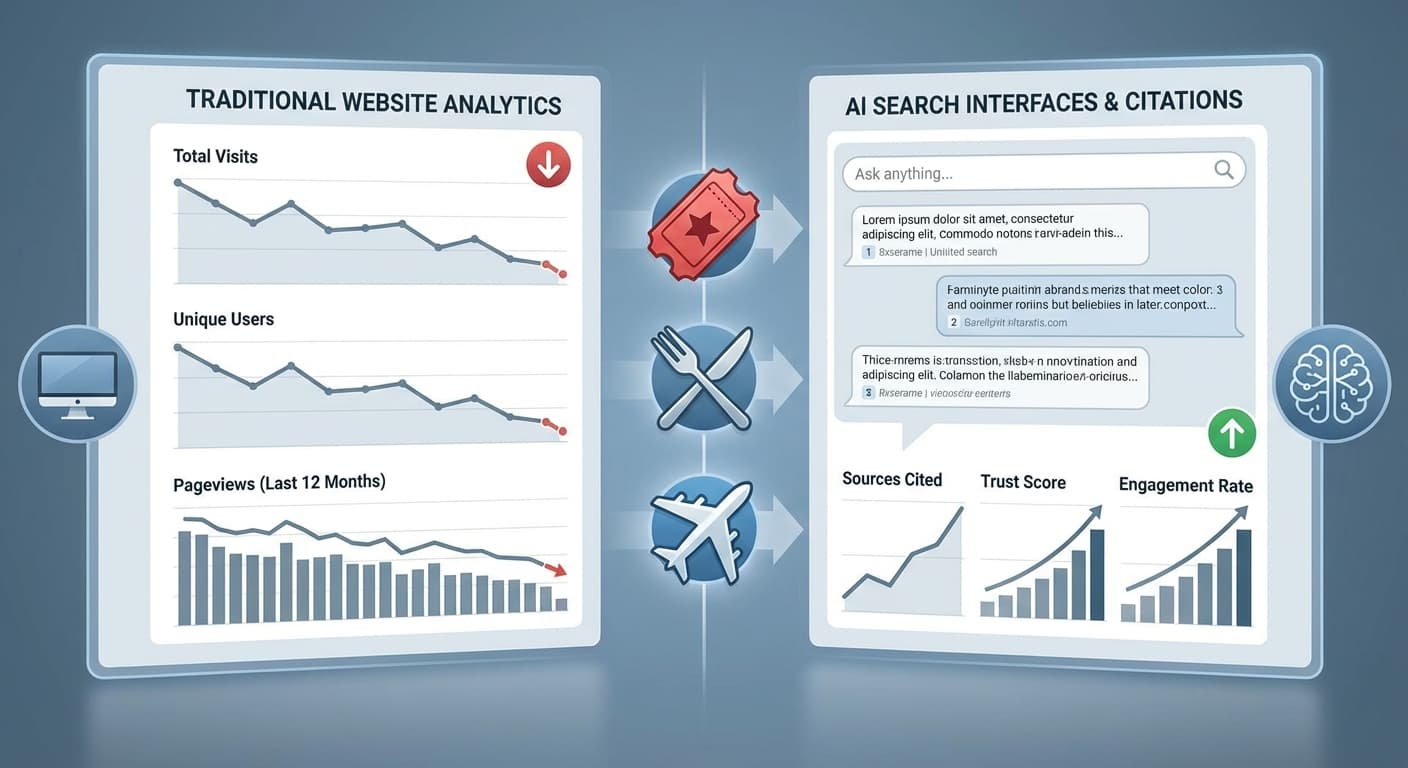
Did you know that AI search engines now pull customer reviews from an average of 23 different platforms when answering queries about businesses—without linking back to the original sources? In 2025, over 68% of consumer research begins with AI-powered search tools that synthesize reviews from Google, Yelp, Amazon, TripAdvisor, and dozens of other platforms into coherent summaries that never mention your website.
This creates a paradox: your customer reviews are more visible than ever, but your brand's direct connection to them is disappearing. When someone asks ChatGPT or Perplexity "What do customers say about [your brand]?", they get a comprehensive answer—but no reason to visit your site.
The AI Review Aggregation Challenge
AI search engines have become sophisticated review aggregators. They scan platforms like:
When synthesizing this information, AI engines create what we call "ghost testimonials"—accurate summaries of your reputation that exist without attribution. A user might learn that "customers praise the company's responsive support and innovative features" without ever knowing which customers said this or where.
Why Traditional Review Management Falls Short
Most businesses approach reviews with a scatter-shot strategy:
This approach worked when customers visited review sites directly. But in 2026, AI engines synthesize the narrative. If your reviews don't paint a cohesive, citation-worthy story across platforms, you lose control of your brand narrative.
Building Your Review Synthesis Strategy
1. Map Your Review Ecosystem
Start by identifying every platform where your business appears:
Primary platforms (actively managed):
Secondary platforms (monitored but not actively managed):
Tertiary platforms (discovered through AI search):
2. Create Consistent Messaging Themes
AI engines look for patterns across reviews. Develop 3-5 core themes you want associated with your brand:
Then ensure these themes appear consistently across platforms through your review solicitation and response strategy.
3. Implement Cross-Platform Review Solicitation
Don't just ask for reviews—ask for specific types of reviews:
Email sequence example:
Each request should include suggested talking points that align with your messaging themes without being overly prescriptive.
4. Optimize Review Content for AI Interpretation
AI engines favor reviews that are:
5. Create Review Response Templates That Add Context
Your responses to reviews become part of the AI training data. Use them strategically:
For positive reviews:
"Thank you, [Name]. We're thrilled our [specific feature] helped streamline your [specific use case]. It's feedback like this that drives our commitment to [core theme]."
For negative reviews:
"We appreciate this feedback about [specific issue]. We've since [specific improvement] and would love to show you the enhanced experience. Please reach out to [contact]."
These responses provide AI engines with additional context about your solutions and improvements.
Advanced Synthesis Strategies
Content Integration Across Touchpoints
Your review strategy should connect to your broader content ecosystem:
This creates a web of consistent messaging that AI engines can easily synthesize.
Proactive Narrative Management
Instead of waiting for reviews to accumulate, actively shape the narrative:
How Citescope Ai Helps
Managing reviews across 18+ platforms while ensuring AI engines synthesize them effectively requires sophisticated tracking and optimization. Citescope Ai's Citation Tracker monitors when your brand appears in AI search results, showing you exactly how AI engines are interpreting and presenting your review data.
The platform's GEO Score analyzes your review content across the five key dimensions that AI engines use for synthesis—helping you identify which reviews are most likely to be cited and which messaging themes are resonating. This insight lets you refine your review solicitation strategy and response templates for maximum AI visibility.
Measuring Success in the AI Era
Traditional review metrics (average rating, total reviews) don't capture AI synthesis effectiveness. Track these instead:
AI Citation Metrics
Cross-Platform Performance
Business Impact
Common Pitfalls to Avoid
Over-Optimization
AI engines can detect when reviews seem artificially similar. Encourage authentic experiences rather than scripted responses.
Platform Neglect
Don't ignore platforms where you have few reviews. AI engines may weight diverse sources more heavily than volume on single platforms.
Reactive-Only Management
Waiting to respond only when problems arise makes your narrative inconsistent. Proactive engagement creates better synthesis outcomes.
Ignoring Negative Patterns
If AI engines consistently synthesize certain criticisms, address the underlying issues rather than just managing the reviews.
The Future of Review Synthesis
As AI engines become more sophisticated, they'll likely begin analyzing review authenticity, response quality, and business improvement patterns more deeply. The businesses that build comprehensive review synthesis strategies now will be best positioned for these evolving algorithms.
By 2027, we expect AI engines to weight businesses higher when they demonstrate consistent improvement based on customer feedback—making your response strategy even more critical for long-term visibility.
Ready to Optimize for AI Search?
Your customer reviews are being synthesized by AI engines right now—but are they telling the story you want? Citescope Ai helps you track, analyze, and optimize how your brand appears in AI search results across all platforms. Start with our free tier to see how AI engines are currently interpreting your reviews, then use our AI Rewriter to create content that gets cited. Try Citescope Ai free today and take control of your AI-synthesized reputation.