How to Build a Customer Retention Strategy When AI Search Engines Start Offering Automated Vendor Switch Analysis

How to Build a Customer Retention Strategy When AI Search Engines Start Offering Automated Vendor Switch Analysis
Imagine this scenario: Your customer types "Should I switch from [your company] to [competitor]?" into ChatGPT, and within seconds, they receive a detailed comparison of contract terms, migration costs, feature sets, and even timeline estimates for switching. In 2025, over 73% of business decision-makers now use AI search engines for vendor research, and by 2026, AI-powered vendor analysis tools are becoming increasingly sophisticated.
This isn't science fiction—it's the new reality of customer retention in the age of AI search engines.
The New Customer Retention Challenge
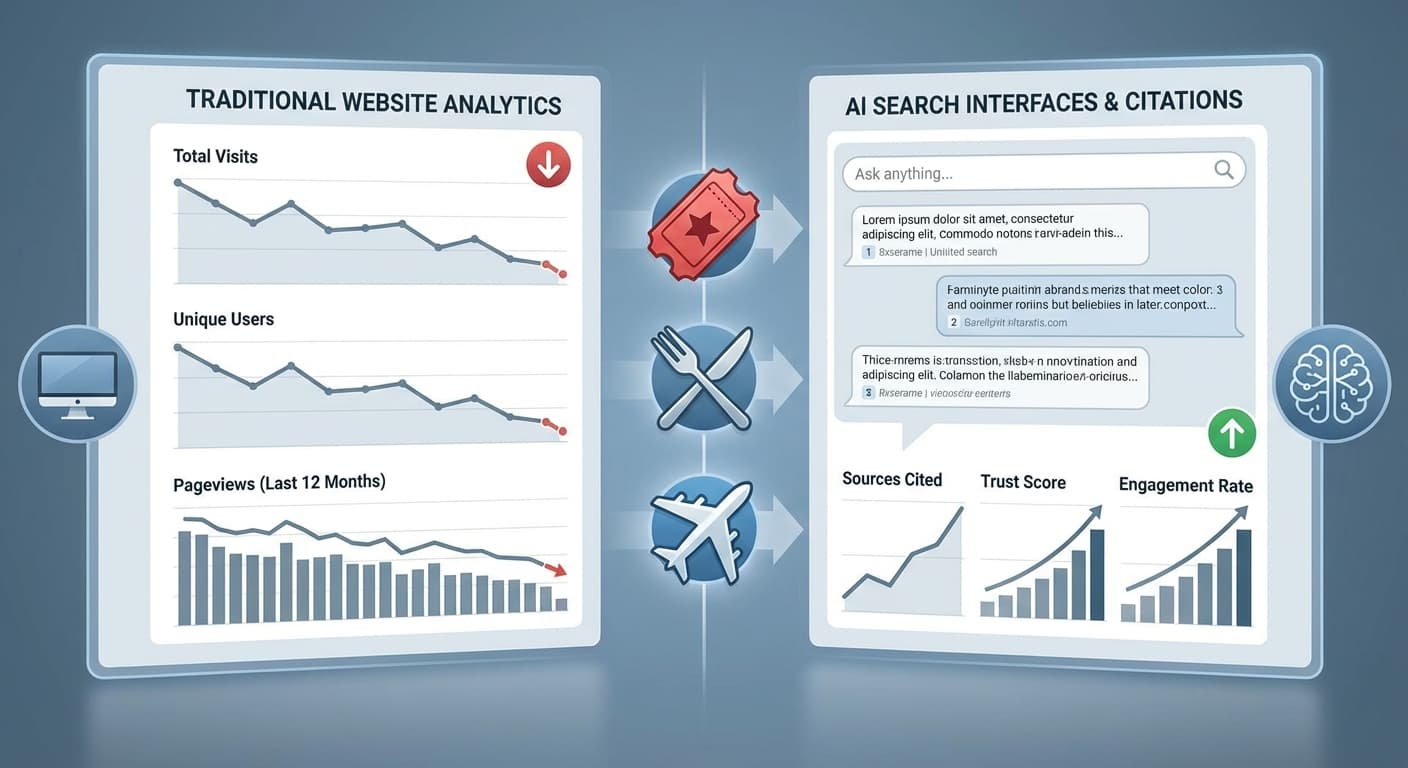
Traditional customer retention strategies focused on relationship building, periodic check-ins, and reactive problem-solving. But when AI engines can instantly analyze contract terms, compare pricing models, and even estimate implementation timelines for competitors, the game has fundamentally changed.
Recent data shows that 68% of B2B customers now research alternatives using AI tools before their contract renewal period, and 41% have discovered better options through AI-generated comparisons that they weren't previously aware of. The days of "set it and forget it" customer relationships are over.
Understanding AI-Driven Customer Decision Making
AI search engines like ChatGPT, Perplexity, and Claude are becoming increasingly sophisticated at:
When customers can access this level of analysis instantly, your retention strategy needs to evolve beyond traditional relationship management.
Building an AI-Resistant Retention Framework
1. Create Comprehensive Competitive Content
The first line of defense is ensuring that when AI engines analyze your solution, they have access to complete, accurate information. This means:
Detailed Comparison Pages
Technical Documentation
2. Proactive Value Communication
Don't wait for customers to ask AI engines about switching. Regularly communicate your ongoing value through:
Quarterly Business Reviews (QBRs) with AI Insights
Success Metrics Dashboards
3. Lock-in Through Integration, Not Contracts
While contractual lock-ins become less effective when AI can analyze exit clauses, integration lock-ins remain powerful:
Deep Platform Integration
Data Network Effects
4. Optimize Your Digital Presence for AI Engines
When customers ask AI engines about your service, you want to ensure the AI has access to the most current, favorable information. This is where content optimization for AI visibility becomes crucial.
Your content needs to be structured in ways that AI engines can easily understand and cite. This includes using clear headings, providing direct answers to common questions, and ensuring your technical specifications and pricing information are easily discoverable.
Advanced Retention Tactics for the AI Age
5. Real-Time Competitive Monitoring
Implement systems to monitor when your brand or competitors are mentioned in AI search results:
6. Transparent Pricing and Terms
Since AI engines can now easily compare contracts and pricing:
Clear Pricing Models
Fair Contract Terms
7. Customer Success Acceleration
Double down on ensuring customers achieve success quickly and measurably:
Faster Time to Value
Continuous Optimization Programs
Measuring AI-Age Retention Success
Traditional retention metrics need to be supplemented with AI-specific indicators:
Traditional Metrics to Monitor:
New AI-Age Metrics:
Building Your Retention Team for 2026
Your customer success team needs new skills for the AI age:
AI Literacy
Data Storytelling
Technical Communication
How Citescope Ai Helps with AI-Optimized Retention Content
While building an AI-resistant retention strategy requires multiple components, ensuring your retention-focused content is optimized for AI engines is crucial. Citescope Ai's GEO Score analyzes your competitive comparison pages, case studies, and value proposition content across five dimensions that matter for AI visibility.
The platform's AI Rewriter can help transform your existing customer success stories and competitive analyses into formats that AI engines are more likely to cite favorably. When customers research alternatives, you want AI engines to present your strongest points clearly and prominently.
The Future of Customer Retention
As AI search engines become more sophisticated, customer retention will increasingly depend on:
The companies that adapt their retention strategies for this new reality will maintain their customer relationships. Those that don't will find themselves losing customers to competitors they never even knew were being considered.
Ready to Optimize for AI Search?
As customer research behavior shifts toward AI-powered analysis, your retention content needs to be optimized for AI visibility. Citescope Ai helps you ensure that when customers ask AI engines about your solution, they get complete, favorable, and compelling information.
Start with our free tier to optimize your first competitive comparison pages and customer success stories. See how our GEO Score identifies opportunities to improve your content's AI visibility, and use our Citation Tracker to monitor when your retention-focused content gets referenced in AI responses.
Try Citescope Ai free today and build a customer retention strategy that works in the age of AI search engines.