How to Build a Customer Lifetime Value Protection Strategy When AI Search Engines Answer Onboarding Questions That Previously Required 6+ Website Visits
How to Build a Customer Lifetime Value Protection Strategy When AI Search Engines Answer Onboarding Questions That Previously Required 6+ Website Visits
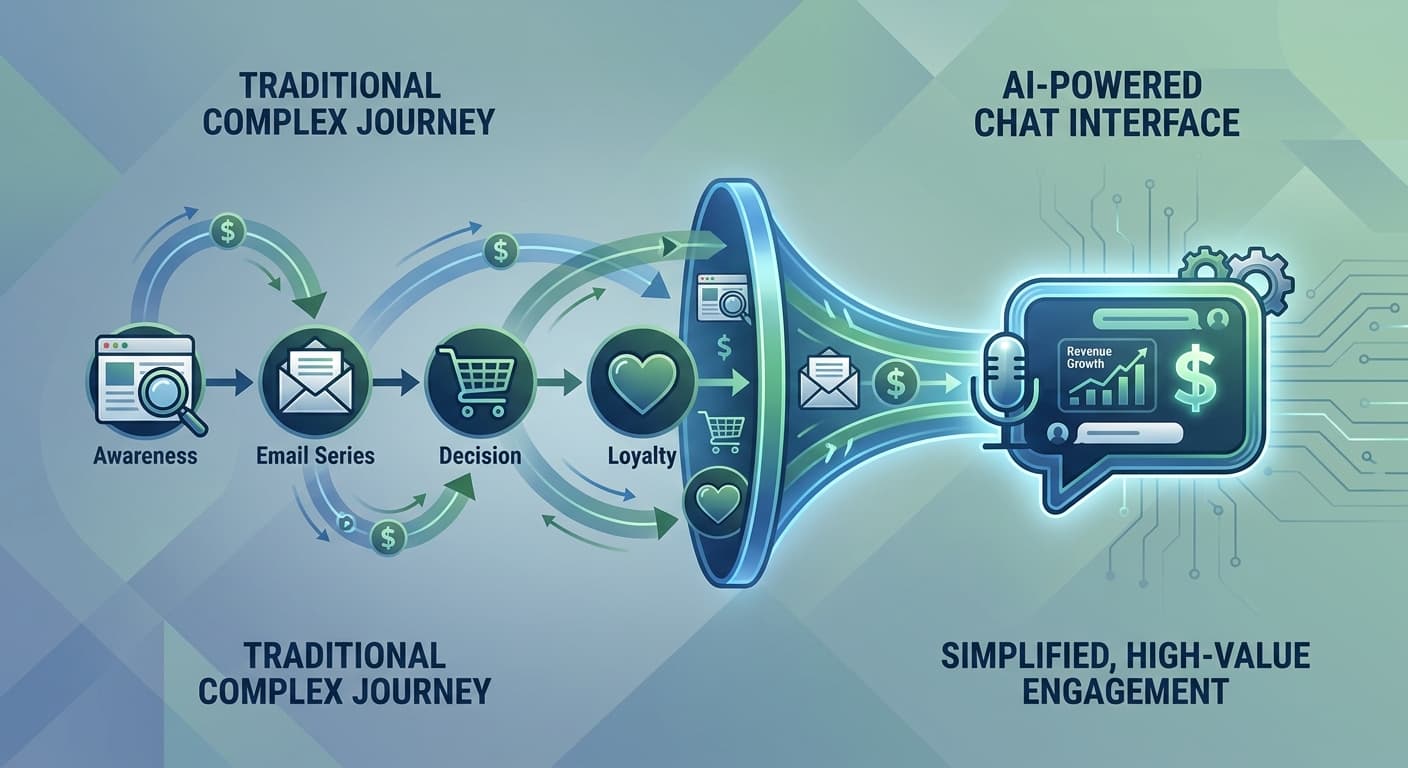
In 2025, a prospect can get complete product walkthroughs, pricing comparisons, and implementation guides from ChatGPT in under 60 seconds—information that previously required multiple website visits and weeks of email nurturing. With AI search now handling 35% of all queries and over 600 million weekly ChatGPT users, the traditional customer journey has been compressed from weeks to minutes.
This seismic shift presents a critical challenge: how do you protect customer lifetime value when AI engines are essentially doing your onboarding for you?
The New Reality of AI-Compressed Customer Journeys
Traditional SaaS onboarding relied on a carefully orchestrated journey:
Today's prospects skip most of these touchpoints. They ask AI: "How do I implement customer success software for a 50-person B2B team?" and receive comprehensive answers that would have taken 6-8 website visits to compile.
The Customer Lifetime Value Risk
When prospects bypass your nurturing sequences, several value-threatening scenarios emerge:
Shortened evaluation periods lead to price-focused decisions rather than value-based ones. Without proper education on your unique differentiators, prospects default to commodity comparisons.
Reduced product stickiness occurs when users implement only basic features. Your comprehensive onboarding sequences taught advanced use cases that drive retention—AI engines often focus on getting started quickly.
Lower expansion revenue happens when customers don't understand your full platform capabilities. Multi-visit journeys naturally revealed additional products and features.
Weakened brand loyalty develops when your expertise isn't showcased. Extended nurturing built trust and positioned you as a thought leader.
Strategic Framework: The AI-Era CLV Protection Model
1. Become the Authoritative Source AI Engines Cite
Instead of fighting AI search, position your content as the definitive source these engines reference. Focus on creating comprehensive, structured content that AI models prefer to cite.
Implementation tactics:
Example: Instead of separate blog posts on "Email automation setup," "Workflow triggers," and "Performance metrics," create a comprehensive "Email Marketing Automation Implementation Guide" that AI engines will cite as the authoritative source.
2. Embed Value Differentiators in AI-Friendly Formats
Structure your unique value propositions in formats that AI engines naturally surface in their responses.
Key strategies:
3. Design Post-Purchase Value Acceleration
Since pre-purchase education is compressed, frontload your value delivery in the first 30 days.
Rapid value tactics:
Advanced CLV Protection Strategies
Create AI-Optimized Authority Content
Develop content specifically designed to be cited by AI engines when prospects ask complex questions about your domain.
Content types that perform well:
- Step-by-step processes with clear outcomes
- Common pitfalls and how to avoid them
- Resource requirements and timelines
- Feature-by-feature comparisons
- Use case scenario breakdowns
- ROI calculations and projections
- Industry-specific methodologies
- Success metrics and benchmarks
- Optimization strategies
Build Relationship Touchpoints Into AI Responses
While you can't control the AI search experience, you can influence what prospects do after receiving AI-generated answers.
Tactics for post-AI engagement:
Optimize for Conversational Context
AI engines excel at understanding conversational queries. Optimize your content for how people naturally ask questions about your solutions.
Conversational optimization techniques:
Measuring Success in the AI Era
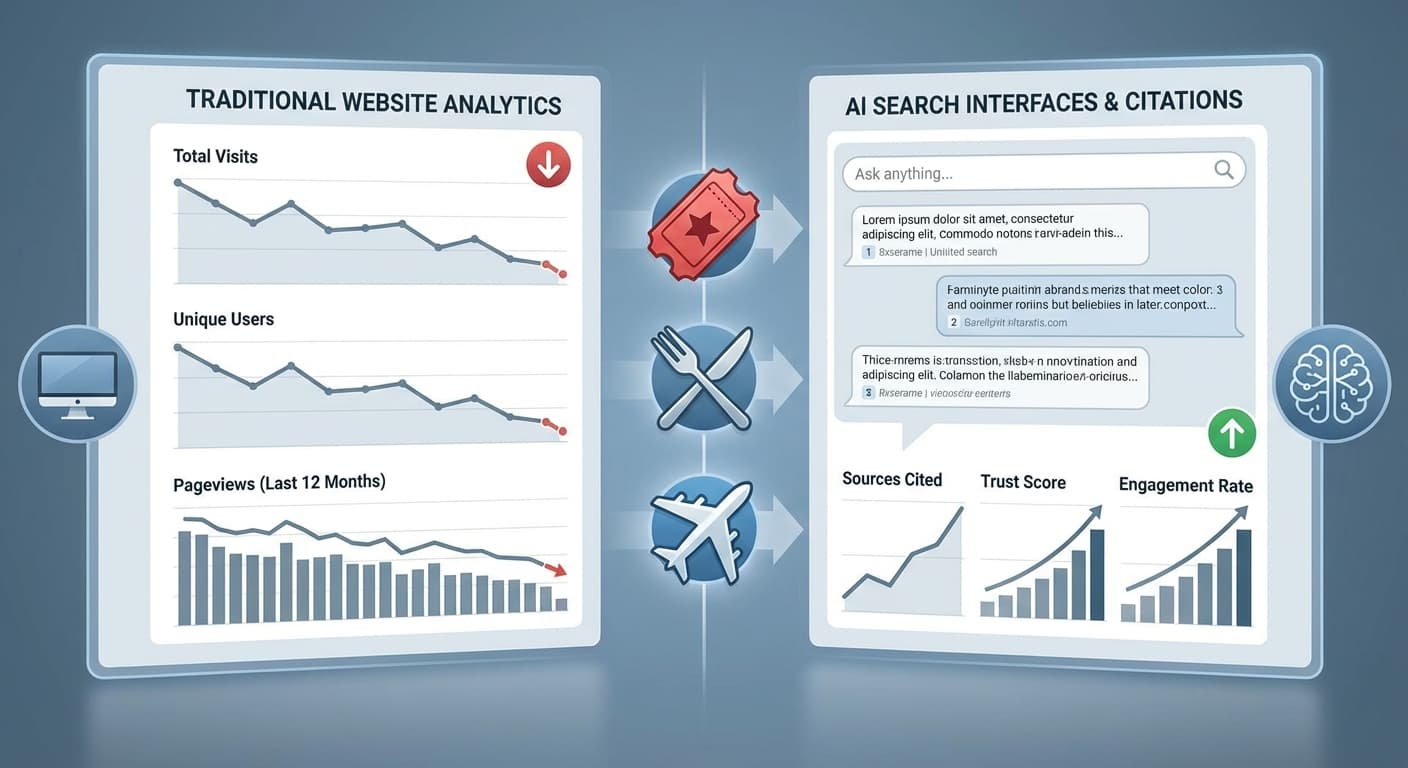
Traditional metrics like page views and email open rates become less relevant when AI engines consume and redistribute your content. Focus on these key indicators:
Direct Impact Metrics
Indirect Influence Metrics
How Citescope Ai Helps Protect Your CLV
Navigating this new landscape requires tools specifically designed for AI search optimization. Citescope Ai's GEO Score analyzes your content across five critical dimensions—AI Interpretability, Semantic Richness, Conversational Relevance, Structure, and Authority—giving you a clear roadmap for creating content that AI engines prefer to cite.
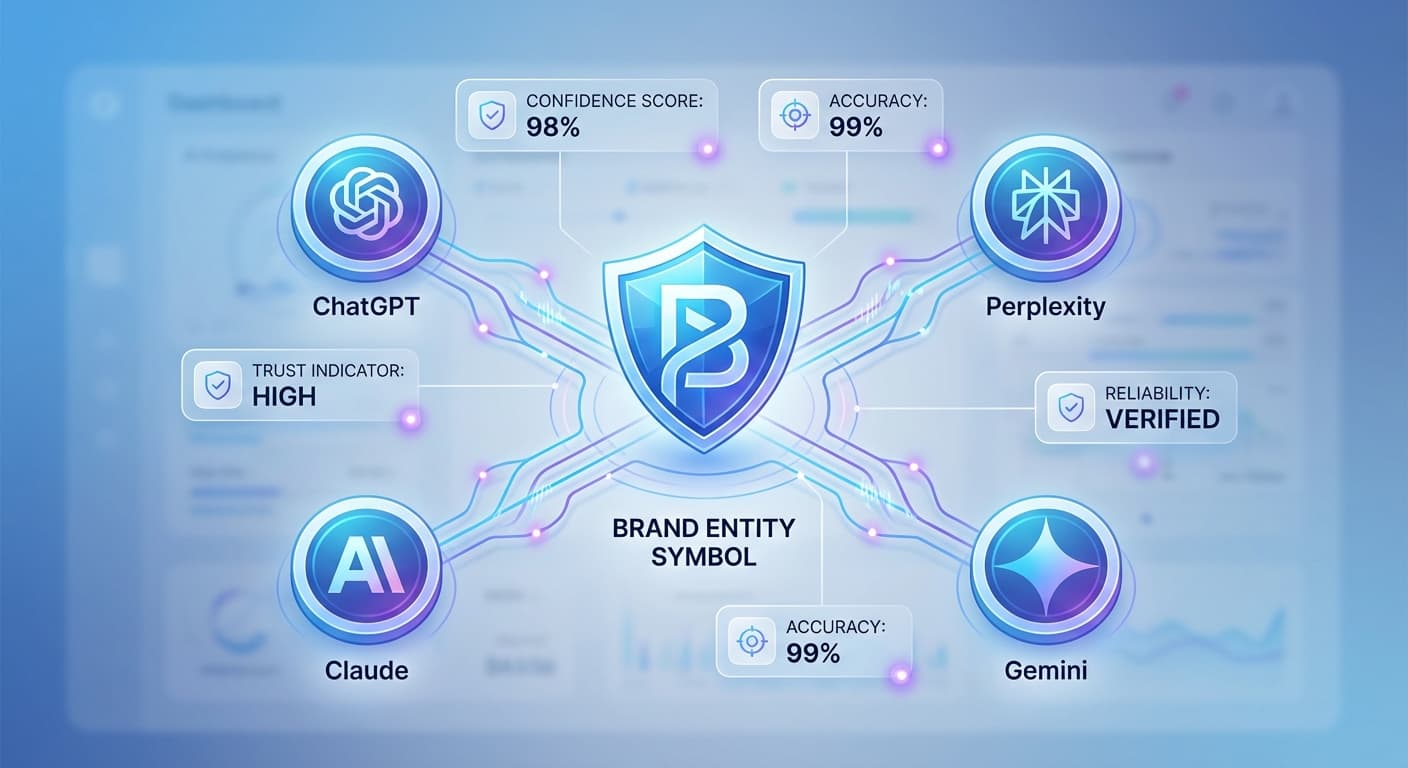
The platform's Citation Tracker shows you exactly when and how your content gets referenced across ChatGPT, Perplexity, Claude, and Gemini, allowing you to identify which resources are driving the most qualified prospects. This visibility is crucial for understanding which content protects your CLV most effectively.
Implementation Roadmap: 90-Day CLV Protection Plan
Days 1-30: Content Audit and Optimization
Days 31-60: Authority Building
Days 61-90: Measurement and Iteration
Future-Proofing Your Strategy
The AI search landscape continues evolving rapidly. Stay ahead by:
Ready to Optimize for AI Search?
The shift to AI-dominated search doesn't have to threaten your customer lifetime value. By becoming the authoritative source that AI engines cite and restructuring your onboarding for compressed customer journeys, you can maintain—and even increase—your CLV.
Citescope Ai helps you navigate this transition with tools designed specifically for the AI search era. Our GEO Score identifies exactly how to optimize your content for maximum AI visibility, while our Citation Tracker shows you when your strategy is working. Start with our free tier and see how AI-optimized content can protect and grow your customer relationships.
Try Citescope Ai free today and transform how AI engines present your expertise to potential customers.