How to Build a Cross-Platform AI Citation Tracking System: Beyond Google Analytics
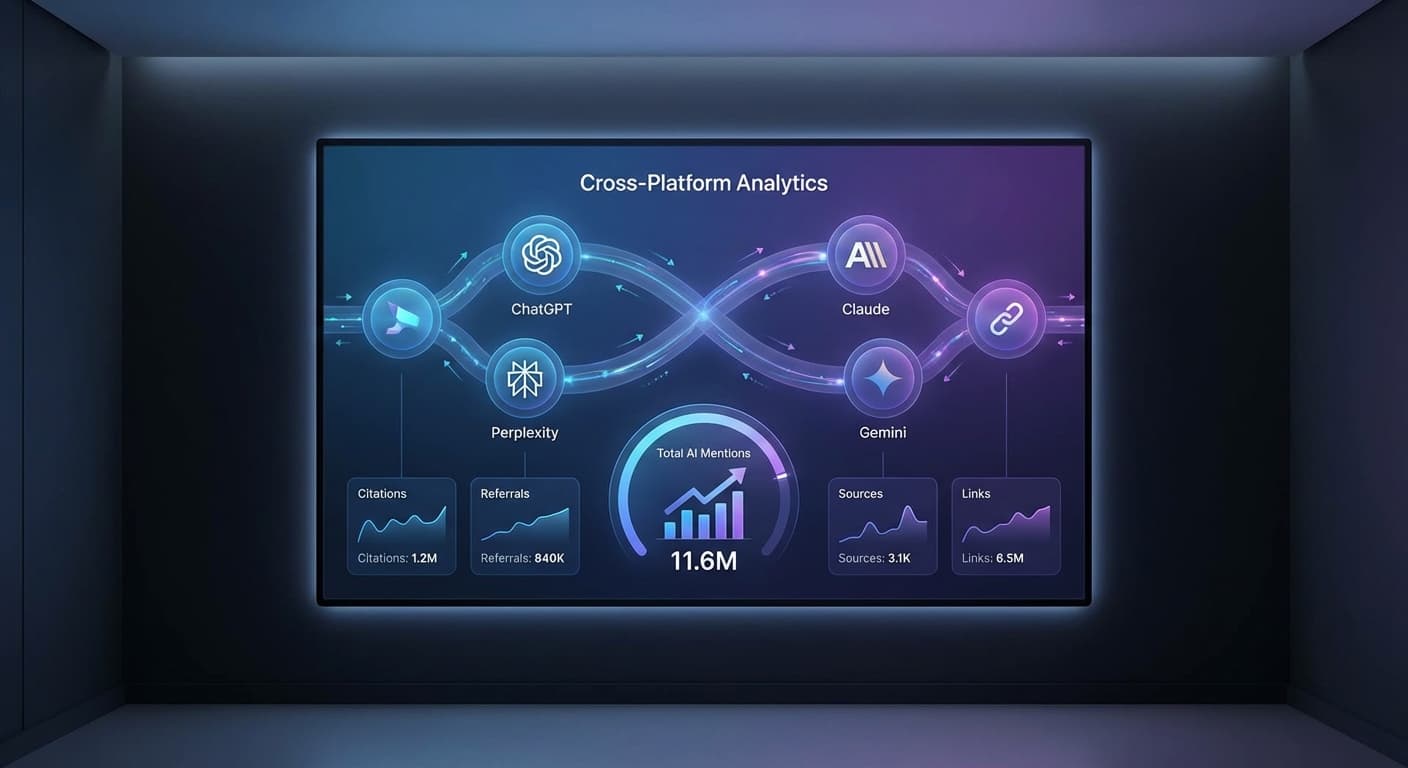
How to Build a Cross-Platform AI Citation Tracking System: Beyond Google Analytics
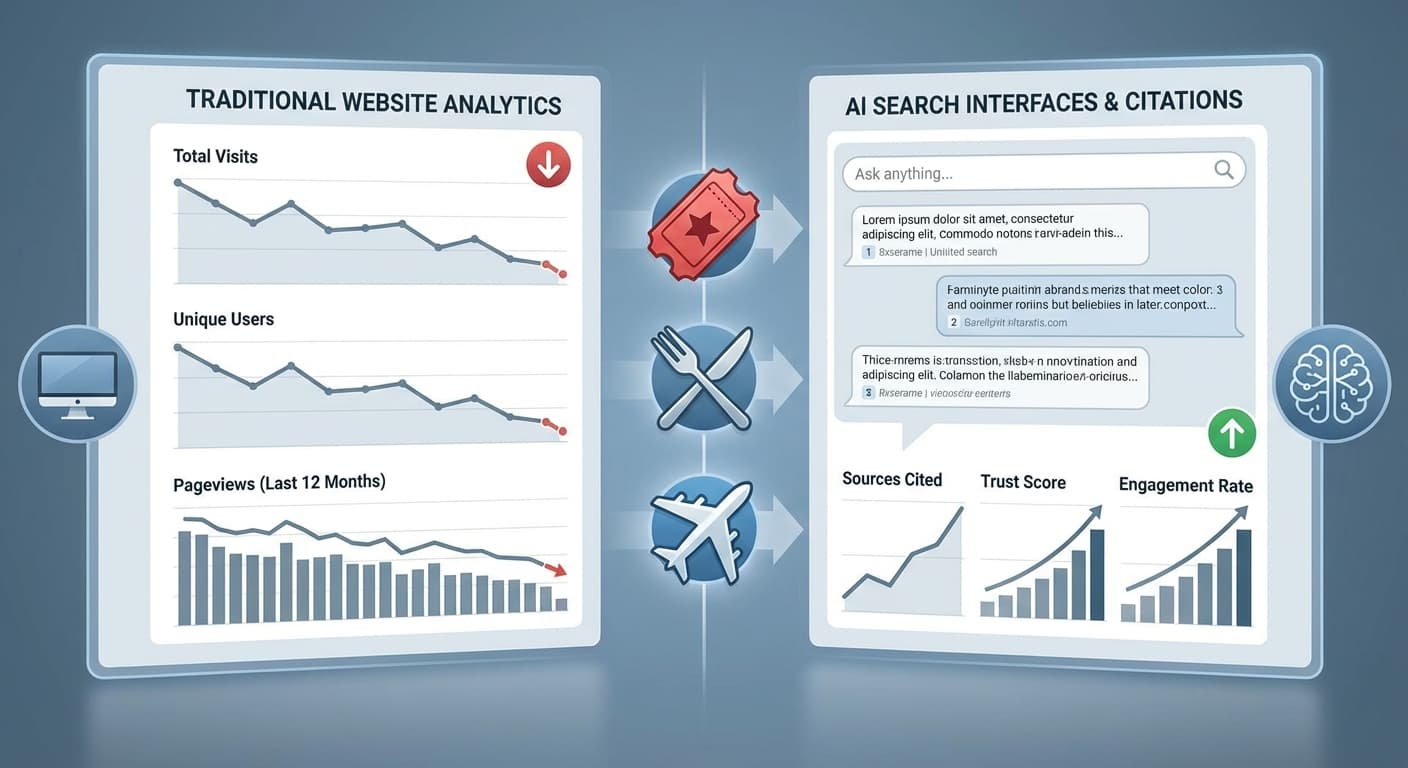
Zero-click searches have surged from 56% to 69% in just 12 months, fundamentally changing how content creators measure success. While your content might be cited hundreds of times by ChatGPT, Perplexity, Claude, and Gemini, Google Analytics remains completely blind to this new form of visibility. Traditional metrics are failing marketers precisely when AI search engines are becoming the primary discovery mechanism for 73% of Gen Z users.
Why Traditional Analytics Fall Short in the AI Era
Google Analytics was built for a click-based web. It tracks pageviews, sessions, and conversions—all predicated on users actually visiting your website. But AI search engines operate differently:
This creates a massive blind spot. You might have the most-cited content on climate change across AI platforms, but Google Analytics would show declining organic traffic and leave you questioning your content strategy.
The Rise of AI Citation Economy
By early 2026, the citation economy has become the new battleground for content visibility. Here's what's happening:
Current AI Search Landscape
Each platform has unique citation preferences:
Building Your AI Citation Tracking System
Step 1: Identify Your Citation-Worthy Content
Not all content gets cited equally. AI engines prefer:
Audit your content library and categorize pieces by citation potential. Focus your tracking efforts on high-value content first.
Step 2: Set Up Multi-Platform Monitoring
#### Manual Monitoring (Free but Time-Intensive)
ChatGPT Monitoring:
Perplexity Tracking:
Claude Monitoring:
#### Automated Solutions
While manual monitoring provides insights, it's not scalable. Tools like Citescope Ai automate this process by continuously monitoring AI platforms for mentions of your content, providing real-time alerts when citations occur.
Step 3: Implement Content Tagging
Create a systematic approach to track your content across platforms:
markdown
Content Tracking Framework
Content ID: [Unique identifier]
Publication Date: [Date]
Target Keywords: [Primary keywords]
Citation Triggers: [Specific phrases or data points]
Platform Optimization: [Tailored versions for different AI engines]
Step 4: Build Citation Attribution Models
Develop models to understand citation patterns:
Step 5: Create Reporting Dashboards
Build dashboards that track:
Advanced Tracking Strategies
Content Fingerprinting
Create unique identifiers in your content that help you track citations:
Competitive Citation Analysis
Monitor not just your citations, but your competitors':
Cross-Platform Correlation
Look for patterns across different AI platforms:
Measuring ROI from AI Citations
While citations don't directly drive traffic, they provide value through:
Brand Authority Building
Indirect Traffic Impact
Content Strategy Validation
How Citescope Ai Helps
While building a comprehensive citation tracking system manually is possible, it's incredibly time-intensive and prone to gaps. Citescope Ai automates this entire process with its Citation Tracker feature, monitoring ChatGPT, Perplexity, Claude, and Gemini 24/7 for mentions of your content.
The platform's GEO Score also helps you optimize content specifically for AI citation by analyzing your content across five key dimensions: AI Interpretability, Semantic Richness, Conversational Relevance, Structure, and Authority. Instead of guessing what AI engines prefer, you get data-driven insights on how to improve your citation potential.
Common Pitfalls to Avoid
Over-Optimizing for One Platform
Don't focus exclusively on ChatGPT while ignoring Perplexity or Claude. Each platform has different user bases and use cases.
Ignoring Citation Context
A citation isn't always positive. Monitor the context in which your content appears and address any negative associations.
Forgetting About Source Diversification
AI engines value content that cites multiple authoritative sources. Ensure your content includes diverse, credible references.
Future-Proofing Your Citation Strategy
As AI search continues evolving, stay ahead by:
Ready to Optimize for AI Search?
Building a comprehensive AI citation tracking system doesn't have to be overwhelming. Citescope Ai provides all the tools you need to monitor, optimize, and track your content's performance across major AI platforms. With features like automated citation tracking, GEO Score analysis, and one-click AI optimization, you can transform your content strategy for the AI-first world.
Start tracking your AI citations today with Citescope Ai's free tier—get 3 content optimizations per month and see exactly how your content performs across ChatGPT, Perplexity, Claude, and Gemini. Ready to dominate AI search? Try Citescope Ai free and turn invisible AI citations into measurable content success.