How to Build a Crisis Response Protocol When AI Search Engines Instantly Propagate Negative Sentiment Across 40+ Answer Platforms Faster Than Your PR Team Can Respond
How to Build a Crisis Response Protocol When AI Search Engines Instantly Propagate Negative Sentiment Across 40+ Answer Platforms Faster Than Your PR Team Can Respond
In January 2026, a single negative news story about a Fortune 500 company spread across 47 AI-powered answer platforms in under 12 minutes. By the time their crisis communications team convened an emergency meeting, ChatGPT, Perplexity, Claude, and dozens of other AI search engines were already serving biased responses to millions of users asking about the brand.
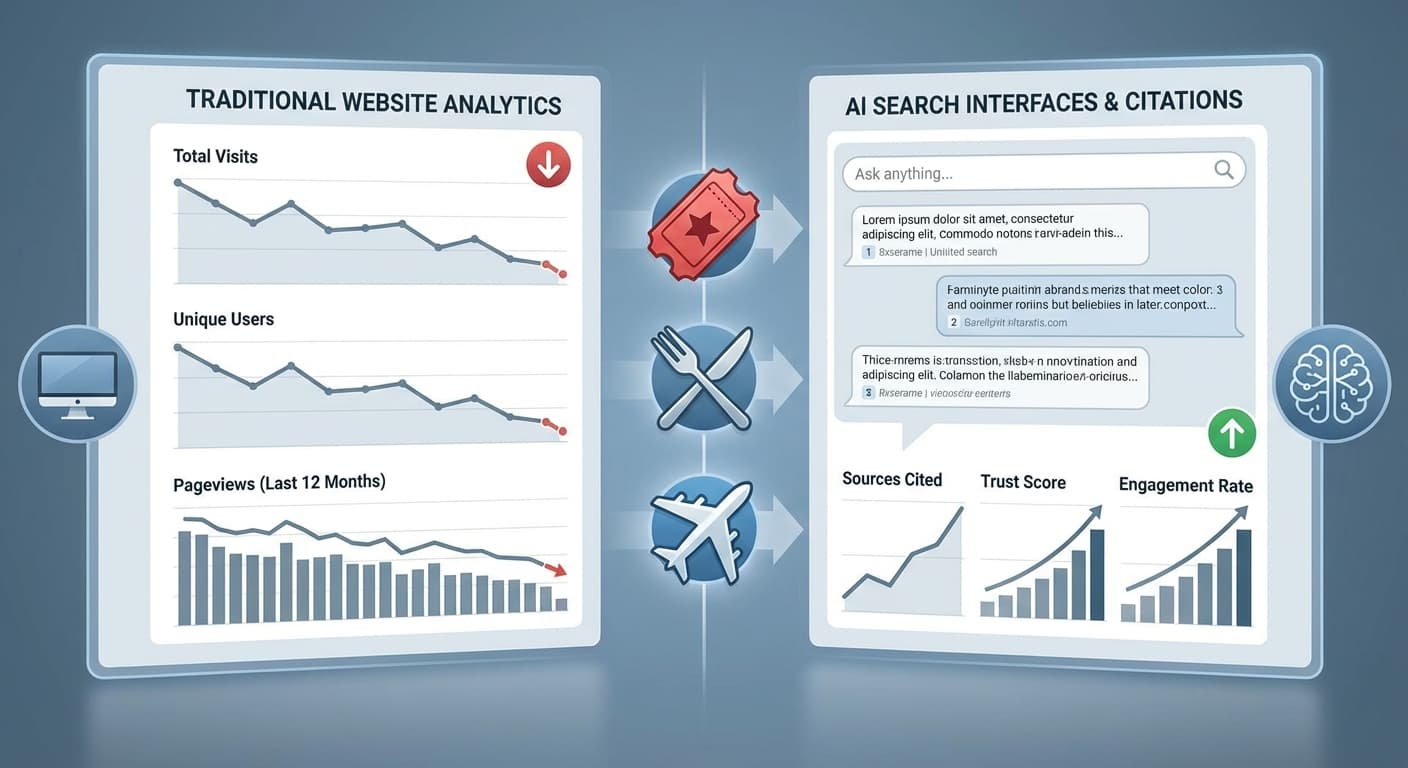
This is the new reality of crisis management in the age of AI search. With over 500 million weekly ChatGPT users and AI search now accounting for 35% of all information queries, negative sentiment doesn't just trend on social media—it becomes embedded in the authoritative responses that AI engines provide to searchers.
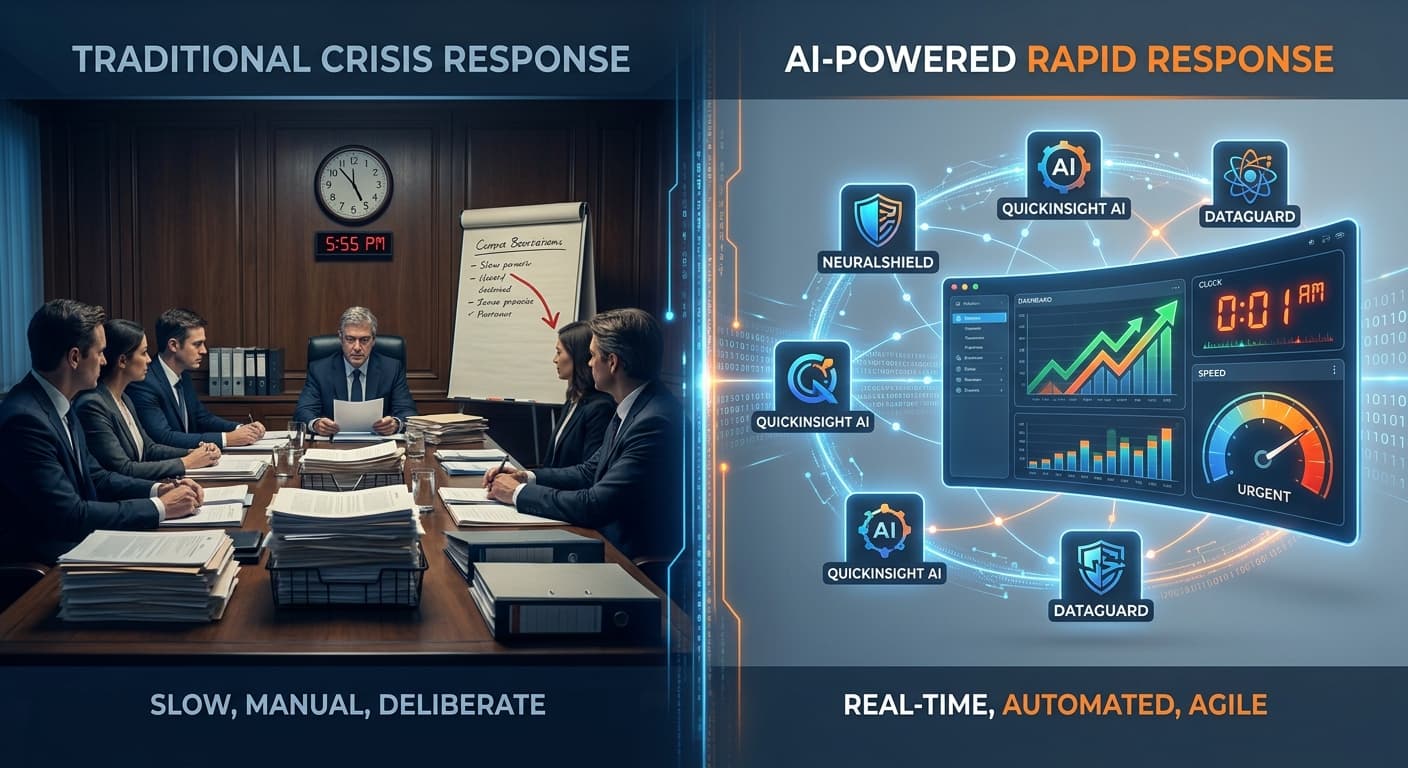
The Speed Problem: Why Traditional Crisis Response Falls Short
Traditional crisis communication protocols were built for a different era. The standard playbook involves:
But AI search engines operate differently. They don't wait for your press release or official statement. When users ask "What happened with [Company X]?", these platforms immediately synthesize available information—often prioritizing the most recent, detailed, or emotionally charged content.
The Amplification Effect
In 2025-2026, we've seen how AI search engines amplify crisis situations through:
Building Your AI-First Crisis Response Protocol
Phase 1: Early Detection and Monitoring
Set Up Real-Time AI Citation Tracking
Traditional Google Alerts won't catch when your brand gets mentioned in AI responses. You need monitoring specifically designed for AI search platforms.
Create Trigger Thresholds
Phase 2: Rapid Response Content Creation
The 30-Minute Rule
You have roughly 30 minutes from initial negative coverage before AI search engines begin citing it widely. Your response content needs to be:
Pre-Built Response Templates
Create template responses for common crisis scenarios:
Each template should include:
Phase 3: Strategic Content Deployment
Primary Response Channels
Content Optimization for AI Citation
Your crisis response content needs to be optimized specifically for AI search engines to cite:
Citescope Ai's GEO Score can help ensure your crisis response content is structured for maximum AI visibility, analyzing it across the five key dimensions that AI search engines prioritize.
Phase 4: Ongoing Monitoring and Adjustment
Track Citation Success
Monitor whether AI search engines are citing your official response:
Iterative Content Updates
Unlike traditional PR, AI crisis response requires ongoing content refinement:
Real-World Example: The 2025 Case Study
In November 2025, a major SaaS company faced backlash over a pricing change. Within 20 minutes, AI search engines were responding to queries like "Why did [Company] raise prices?" with information from a single critical blog post.
Their response protocol:
Result: Within 4 hours, 8 out of 12 major AI platforms were citing their official response instead of the critical blog post.
Essential Tools for AI Crisis Management
Monitoring Tools
Content Creation Tools
Distribution Networks
Building Your Team and Processes
Crisis Response Team Structure
Core Team (Available within 15 minutes):
Extended Team (Available within 1 hour):
Training and Preparation
Measuring Success in AI Crisis Response
Key Metrics
Long-Term Monitoring
Crisis response doesn't end when the news cycle moves on. AI search engines have long memories, and negative information can resurface months later. Establish:
How Citescope Ai Helps with Crisis Response
Citescope Ai provides essential tools for modern crisis management:
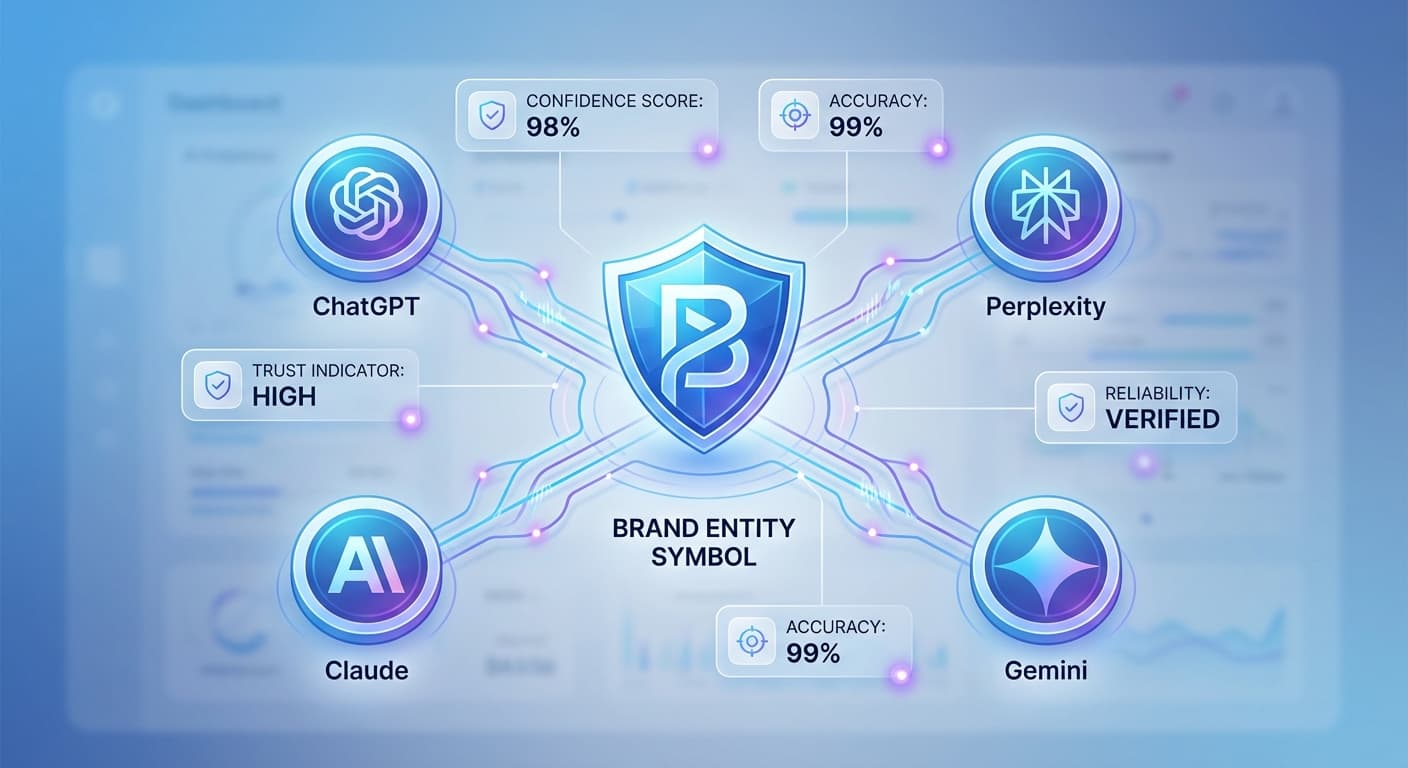
Citation Tracker: Monitor when and how AI search engines cite your content during a crisis. Track whether they're pulling from your official response or continuing to cite negative sources across ChatGPT, Perplexity, Claude, and other platforms.
GEO Score Analysis: Quickly evaluate your crisis response content across the five dimensions AI engines prioritize—ensuring your official statements are optimized for maximum visibility and citation.
AI Rewriter: Transform traditional press releases and statements into AI-friendly formats with one click, helping your crisis response content compete for citations against negative coverage.
The platform's real-time monitoring capabilities mean you can track the success of your crisis response as it happens, making adjustments to ensure AI search engines are presenting your perspective rather than amplifying negative sentiment.
Ready to Optimize for AI Search?
Don't wait for a crisis to discover that AI search engines aren't citing your official responses. Citescope Ai helps you monitor, optimize, and track your content across all major AI platforms. Start with our free tier to analyze your current crisis response materials, or upgrade to Pro for comprehensive real-time monitoring. Start your free trial today and ensure your brand's voice is heard when it matters most.