How to Build a Conversion Path Strategy When AI Search Engines Embed Interactive Product Demos in Answer Boxes
How to Build a Conversion Path Strategy When AI Search Engines Embed Interactive Product Demos in Answer Boxes
By 2026, AI search engines have evolved far beyond simple text responses. ChatGPT, Perplexity, Claude, and Gemini now regularly embed interactive product demos, 3D models, and live calculators directly in their answer boxes—often without linking back to the original website. This shift has fundamentally changed how businesses need to think about conversion paths and customer acquisition.
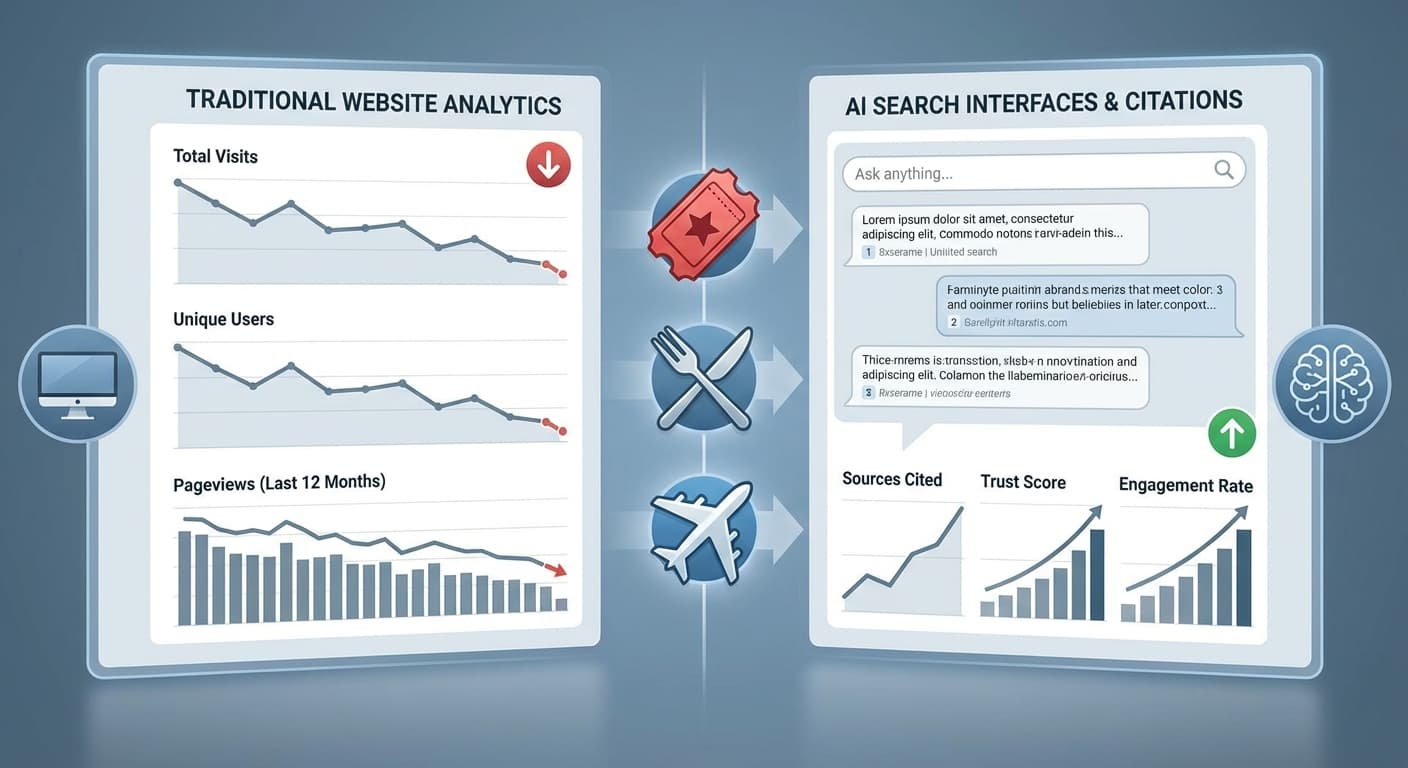
Recent data shows that 42% of AI search responses now include some form of interactive element, and 68% of users complete their entire research journey without ever clicking through to a brand's website. For marketers, this presents both a massive challenge and an unprecedented opportunity.
The New Reality: AI Engines as Product Showrooms
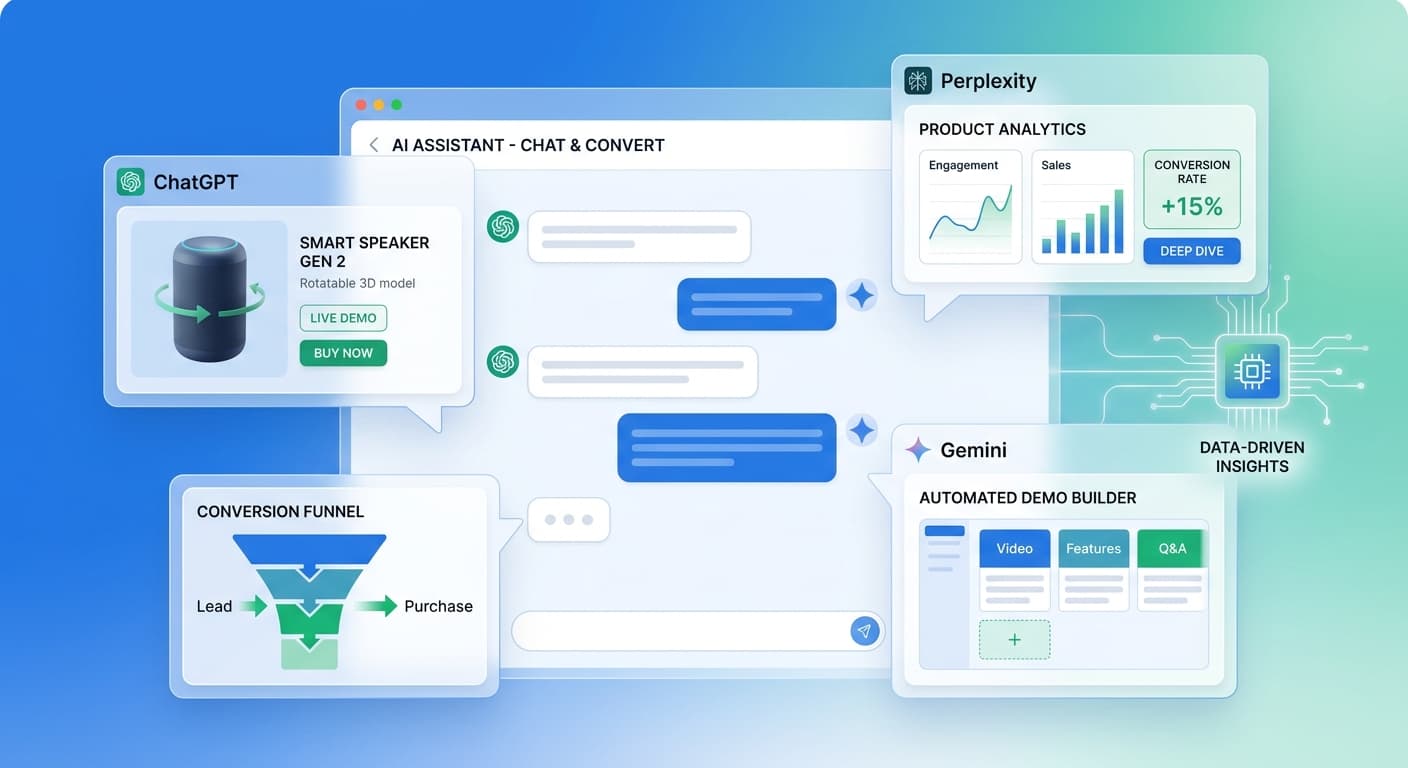
AI search engines have essentially become digital showrooms. When someone searches "best project management software for small teams," they might encounter:
All of this happens without the user ever visiting your website. The traditional funnel of awareness → interest → consideration → purchase has been compressed into a single AI-powered interaction.
Why This Matters More Than Ever in 2026
With over 600 million weekly ChatGPT users and AI search now accounting for 35% of all search queries, businesses can no longer ignore this trend. The companies thriving in 2026 aren't fighting against AI embeddings—they're strategically designing for them.
Understanding the Three Types of AI Embeddings
Before building your conversion strategy, it's crucial to understand how AI engines currently embed interactive content:
1. Direct Product Integrations
AI engines pull live data from your APIs to create interactive demos. Users can test features, input their own data, and see real results without leaving the AI interface.
2. Synthetic Demonstrations
AI creates simulated versions of your product based on publicly available information, documentation, and user reviews. While not connected to your actual product, these can be surprisingly accurate.
3. Comparative Showcases
Multiple products are demonstrated side-by-side, allowing users to compare features, pricing, and workflows in real-time.
Building Your AI-First Conversion Path Strategy
Phase 1: Optimize for AI Discoverability
The first step is ensuring your product gets included in these AI embeddings. This requires strategic content optimization that goes beyond traditional SEO:
Create AI-Friendly Product Documentation
Develop Interactive Content Assets
Phase 2: Design Conversion Triggers Within AI Contexts
Since users might never visit your website, you need to create conversion opportunities that work within AI interfaces:
Value-Driven Lead Magnets
Micro-Commitment Strategies
Phase 3: Implement Multi-Touch Attribution
Traditional analytics break down when users never visit your site. Modern conversion tracking requires:
Cross-Platform Identity Resolution
AI-Specific Conversion Metrics
Advanced Strategies for 2026 and Beyond
Create AI-Exclusive Content Experiences
Some of the most successful companies are now creating content specifically designed for AI consumption and redistribution:
Develop Strategic AI Partnerships
Rather than competing against AI embeddings, consider collaborative approaches:
Leverage AI Response Analytics
Understand exactly how your product is being presented in AI responses:
Measuring Success in the AI-Embedded World
Traditional conversion metrics need updating for this new reality:
New KPIs to Track:
Tools and Techniques:
Common Pitfalls to Avoid
Over-Optimizing for AI at the Expense of Humans
While AI optimization is crucial, don't forget that real people make purchasing decisions. Balance AI-friendly content with human-centered design.
Ignoring Brand Control
When AI engines create synthetic demos of your product, ensure you have processes to correct inaccuracies and maintain brand standards.
Focusing Only on Direct Conversions
AI interactions often influence purchases that happen days or weeks later through different channels. Build attribution models that account for this complexity.
How Citescope Ai Helps Navigate This New Landscape
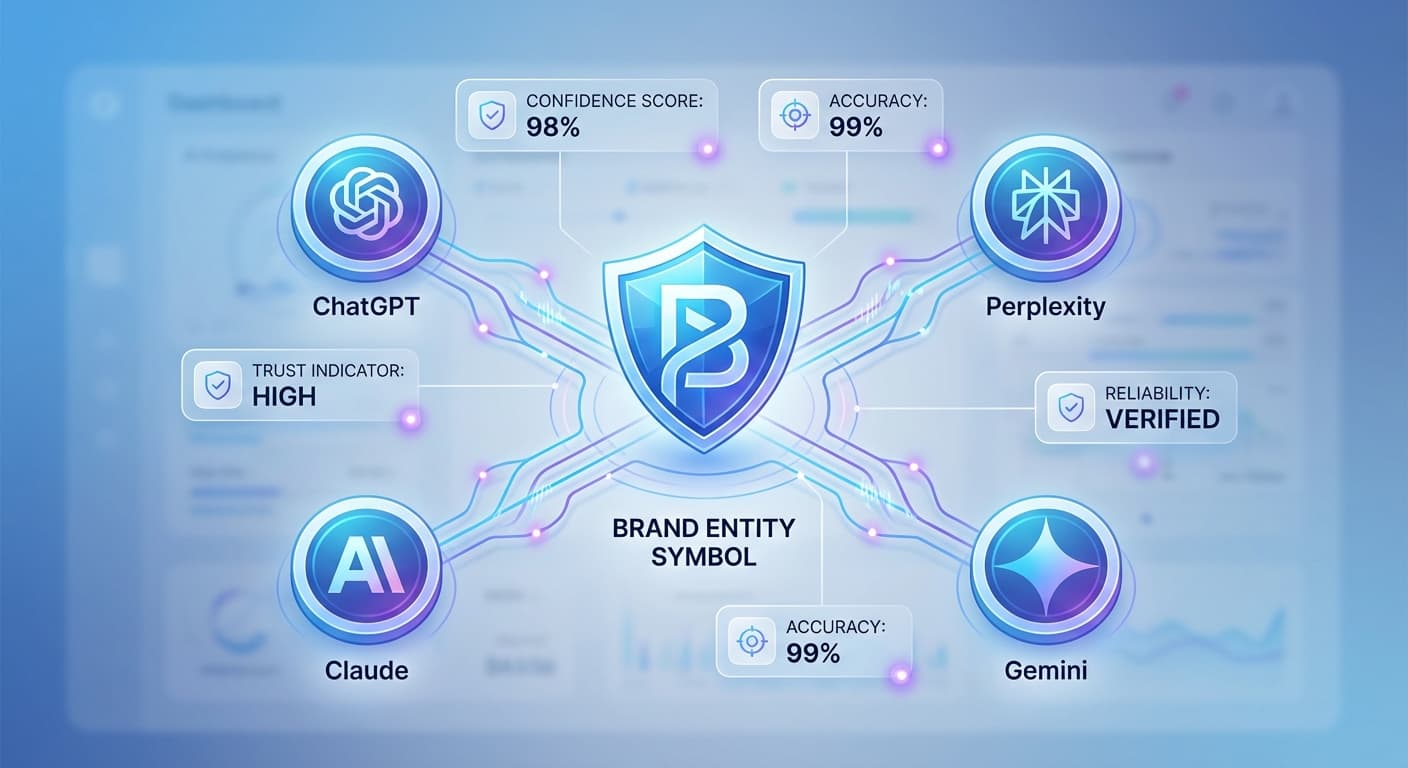
As AI embeddings become more sophisticated, tracking and optimizing your content's performance across these platforms becomes increasingly complex. Citescope Ai's Citation Tracker monitors when your content gets referenced by ChatGPT, Perplexity, Claude, and Gemini, giving you insights into how AI engines are representing your brand.
The platform's GEO Score analyzes your content across five key dimensions—including AI Interpretability and Conversational Relevance—helping you create content that's more likely to be featured in AI responses. With the AI Rewriter, you can optimize existing content for better visibility in AI search results with just one click.
The Future of AI-Embedded Commerce
Looking ahead, we can expect even more sophisticated integrations:
The brands that start preparing for these developments now will have a significant advantage as they roll out.
Ready to Optimize for AI Search?
The shift toward AI-embedded product experiences isn't slowing down—it's accelerating. Success in 2026 requires a fundamental rethinking of how we approach content creation, user experience, and conversion optimization.
Citescope Ai helps businesses navigate this complex landscape by providing the tools and insights needed to optimize content for AI visibility and track citations across all major AI search engines. Start with our free tier and discover how your content is performing in the age of AI search.
Try Citescope Ai free today and build a conversion path strategy that works in the AI-first world.