How to Build a Conversion Abandonment Recovery Strategy When AI Search Answers Product Questions So Thoroughly That 61% of Qualified Buyers Never Visit Your Landing Page
How to Build a Conversion Abandonment Recovery Strategy When AI Search Answers Product Questions So Thoroughly That 61% of Qualified Buyers Never Visit Your Landing Page
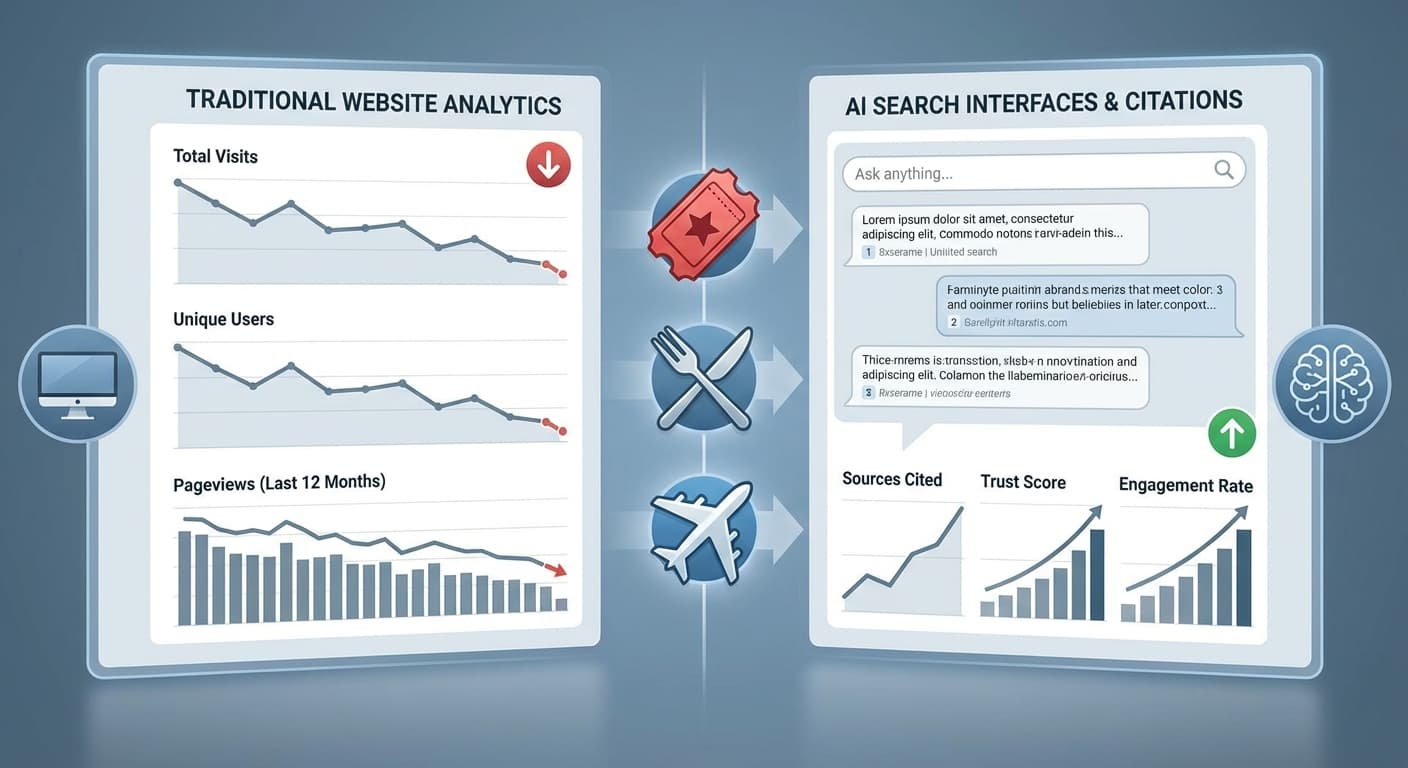
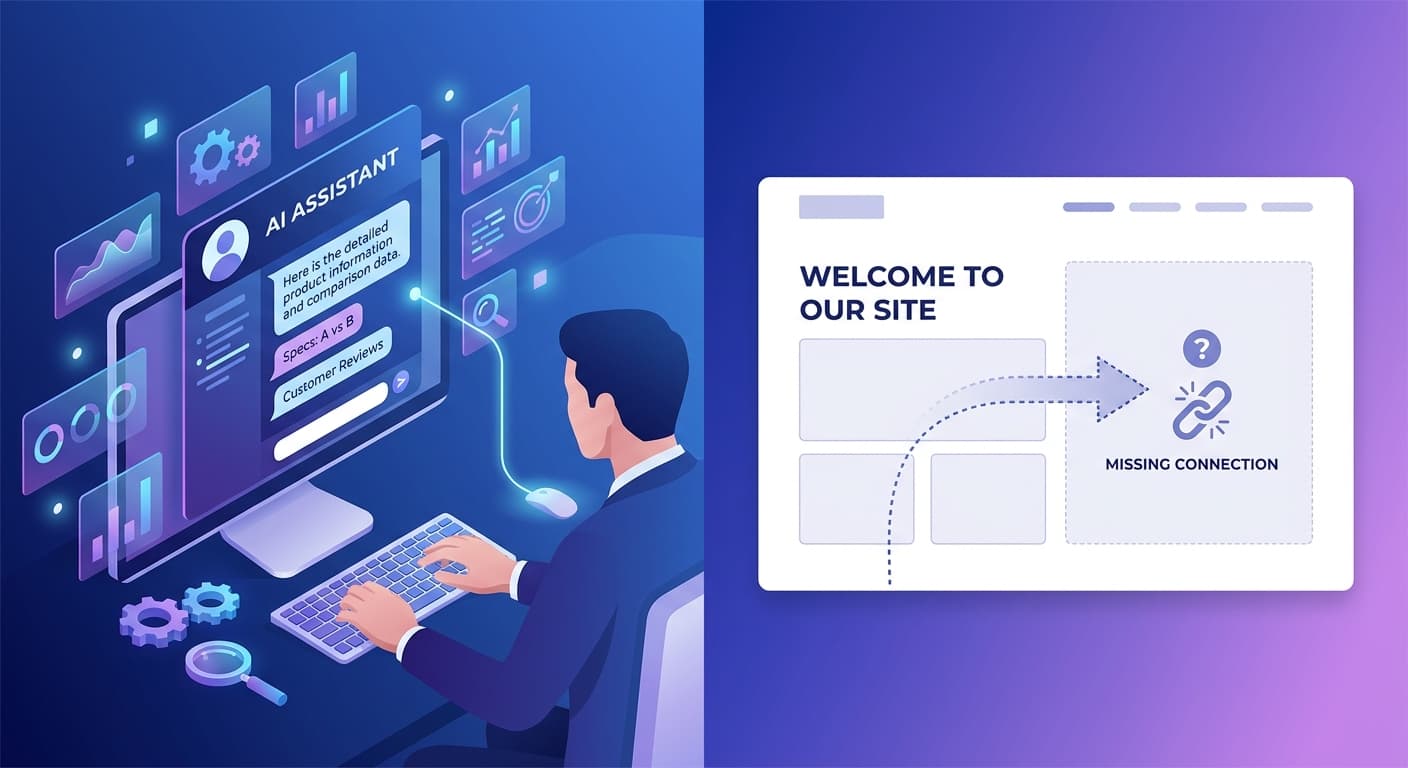
Picture this: A potential customer asks ChatGPT "What's the best project management software for remote teams?" and receives a comprehensive comparison of 5 top tools, complete with pricing, features, and recommendations. They make their purchasing decision without ever visiting your website. This scenario is playing out millions of times daily in 2026, as AI search engines have fundamentally transformed the buyer's journey.
Recent studies show that 61% of qualified B2B buyers now complete their research entirely through AI search platforms, making purchase decisions before ever reaching a vendor's landing page. With AI search accounting for over 35% of all search queries in 2026 and platforms like Perplexity processing 4 billion searches monthly, traditional conversion funnel strategies are becoming obsolete.
The New Reality: AI Search as the Ultimate Product Research Tool
Today's buyers are getting incredibly detailed product information directly from AI engines. When someone searches "CRM software comparison for small business," they're not just getting a list of links—they're receiving:
This comprehensive information delivery means traditional marketing funnels are experiencing what we call "conversion abandonment"—qualified prospects making decisions before entering your conversion ecosystem.
Understanding the Three Types of AI Search Conversion Abandonment
1. Information Saturation Abandonment
Buyers receive so much detailed product information from AI engines that they feel confident making decisions without additional research. They might never visit comparison pages, product demos, or vendor websites.
2. Recommendation-Based Abandonment
AI engines increasingly provide specific product recommendations based on user queries. When ChatGPT or Claude suggests "Based on your requirements, Tool X would be the best fit," users often act on that recommendation directly.
3. Competitive Intelligence Abandonment
Prospects use AI to research competitors and alternatives so thoroughly that they eliminate options before engaging with vendors. They arrive at shortlists without vendor involvement.
Building Your AI Search Recovery Strategy
Step 1: Audit Your AI Search Presence
Before building a recovery strategy, understand how AI engines are presenting your brand and products. Key areas to analyze:
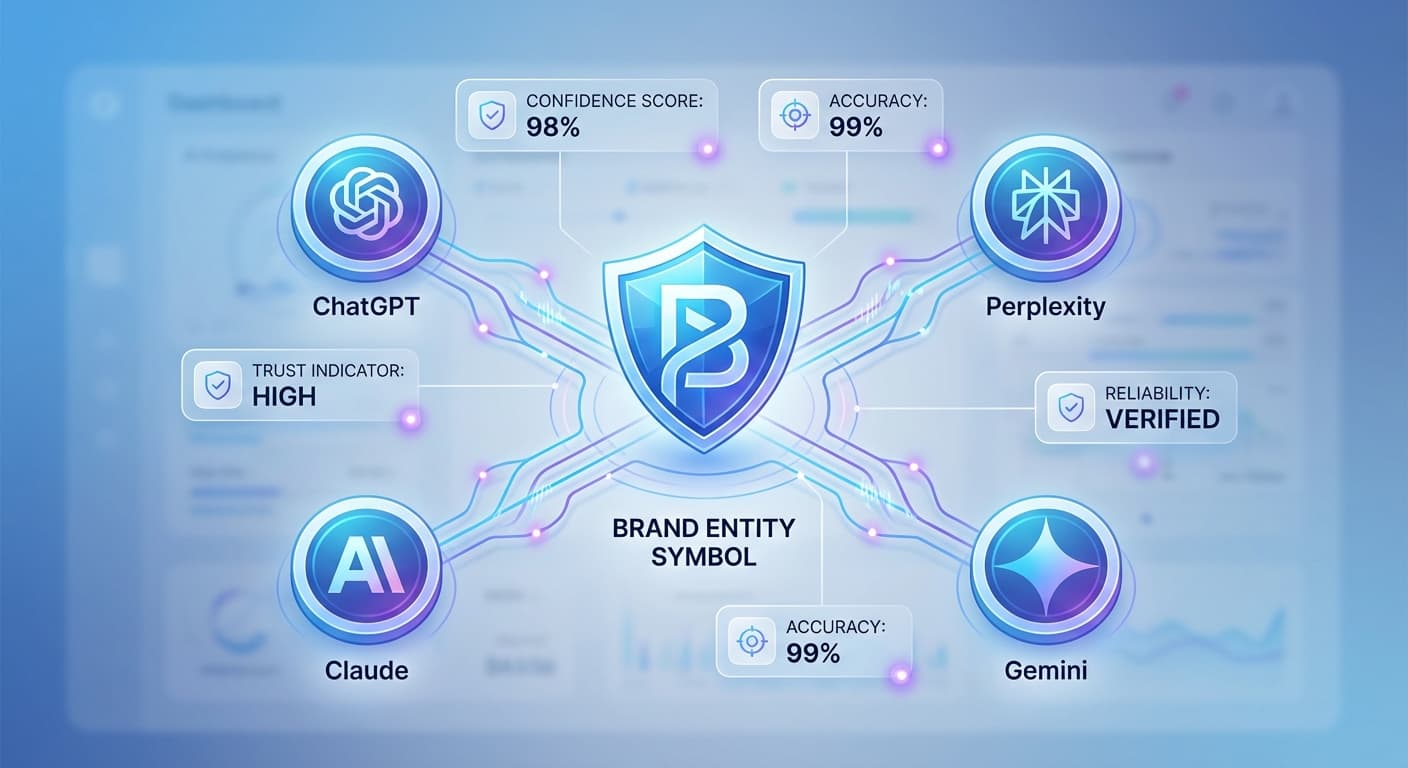
Tools like Citescope Ai's Citation Tracker can help monitor these metrics across ChatGPT, Perplexity, Claude, and Gemini to understand your current AI search visibility.
Step 2: Create AI-First Content Assets
Develop content specifically designed to influence AI search responses and guide prospects toward conversion touchpoints:
#### Comparison-Focused Content
#### Implementation-Focused Resources
#### Social Proof Assets
Step 3: Implement Strategic Citation Optimization
Optimize your content to increase the likelihood of AI citation while including compelling calls-to-action that drive engagement:
Step 4: Build Multi-Touch Recovery Sequences
Create systematic approaches to re-engage prospects who may have completed their research through AI search:
#### Email-Based Recovery
#### Social Media Retargeting
#### Direct Outreach Strategies
Step 5: Create Exclusive Value Propositions
Develop offers and experiences that AI engines cannot replicate:
Advanced Recovery Tactics for 2026
Intent Signal Monitoring
Track when your brand or product category is mentioned in AI search contexts and trigger immediate follow-up:
Influencer AI Optimization
Work with industry influencers to create content that shapes AI responses:
Platform-Specific Strategies
Tailor approaches for different AI search platforms:
How Citescope Ai Helps
Building an effective conversion abandonment recovery strategy requires understanding exactly how AI engines are presenting your content and brand. Citescope Ai provides the tools needed to optimize for AI search visibility:
With these insights, you can create content that not only gets cited by AI engines but also includes compelling calls-to-action that drive qualified prospects back into your conversion funnel.
Measuring Recovery Strategy Success
Track these key metrics to evaluate your conversion abandonment recovery efforts:
AI Search Metrics
Engagement Metrics
Conversion Metrics
The Future of AI Search and Conversion Recovery
As AI search platforms continue to evolve in 2026, expect even more sophisticated responses that could further reduce website traffic. Successful businesses are already adapting by:
The companies that thrive in this new landscape will be those that view AI search not as a threat to traditional conversion funnels, but as an opportunity to build more efficient, value-driven customer acquisition strategies.
Ready to Optimize for AI Search?
The shift to AI search is accelerating, and businesses that don't adapt their conversion strategies risk losing qualified prospects who never make it to their websites. Citescope Ai helps you understand and optimize for AI search visibility, ensuring your content gets cited when prospects research your product category. Start with our free tier to analyze your first three pieces of content and see how AI engines currently view your brand. Get started with Citescope Ai today and transform your AI search presence into a competitive advantage.